Civil War: Front Line Issue 3 (2006)
Publisher: Marvel
Read Free Comics Online of Civil War: Front Line Issue 3 (2006) Read Free Online with very high-quality images on google without any cost, Read Free Marvel comics online at Read Free comics Online.
Scroll down to read free comics online.
Civil War: Front Line Issue 3 (2006) Read Free Marvel Comics Online
The superhero civil war that tore the Marvel Universe apart was defined by its spectacle, the battles between former allies, the ideological clash between Iron Man and Captain America, the shifting allegiances that left readers breathless. Yet the series that dared to ask what all of this meant for ordinary people continued to prove itself essential with Civil War: Front Line Issue 3 (2006). This third chapter of the ground-level journalistic saga pushes beyond the initial chaos of the Stamford disaster and the immediate fallout of the Superhuman Registration Act into territory where the reporters covering the war become targets themselves. As we at Read Free Comics Online immerse ourselves in this gripping installment, we discover that the creative team understands something fundamental about conflict: that the most dangerous place to be is not the battlefield, but the space between the truth and those who want to bury it.
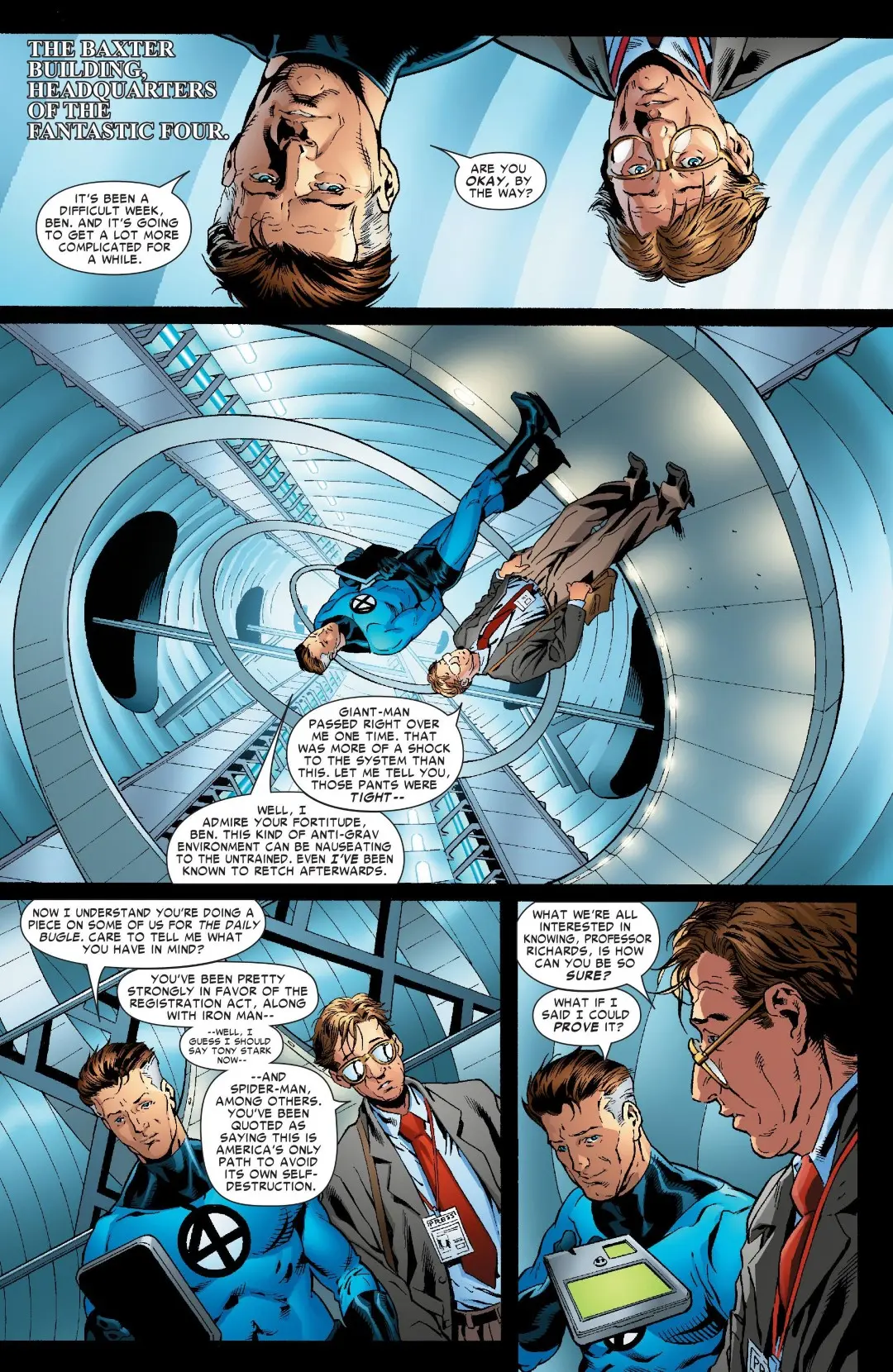
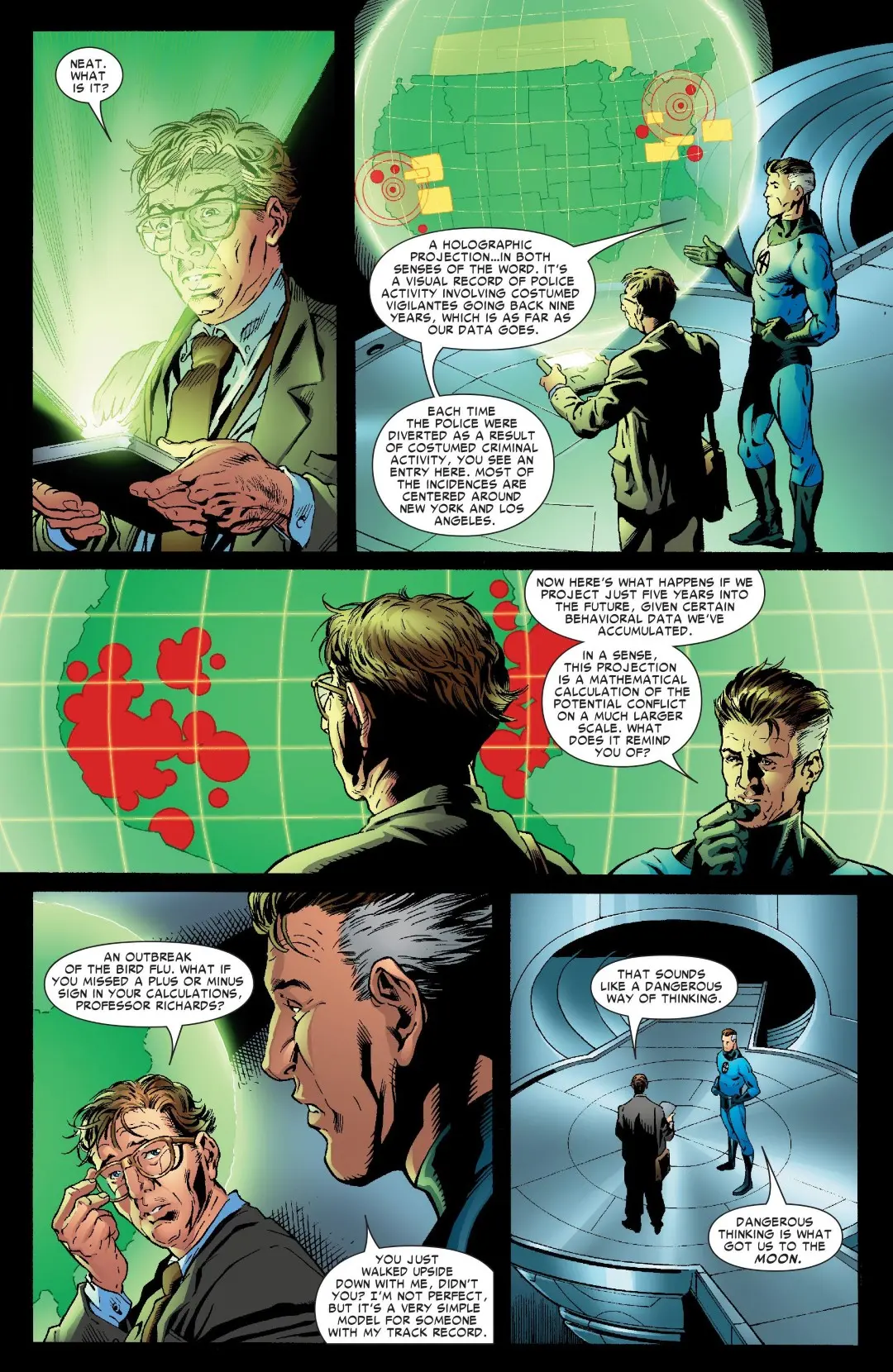
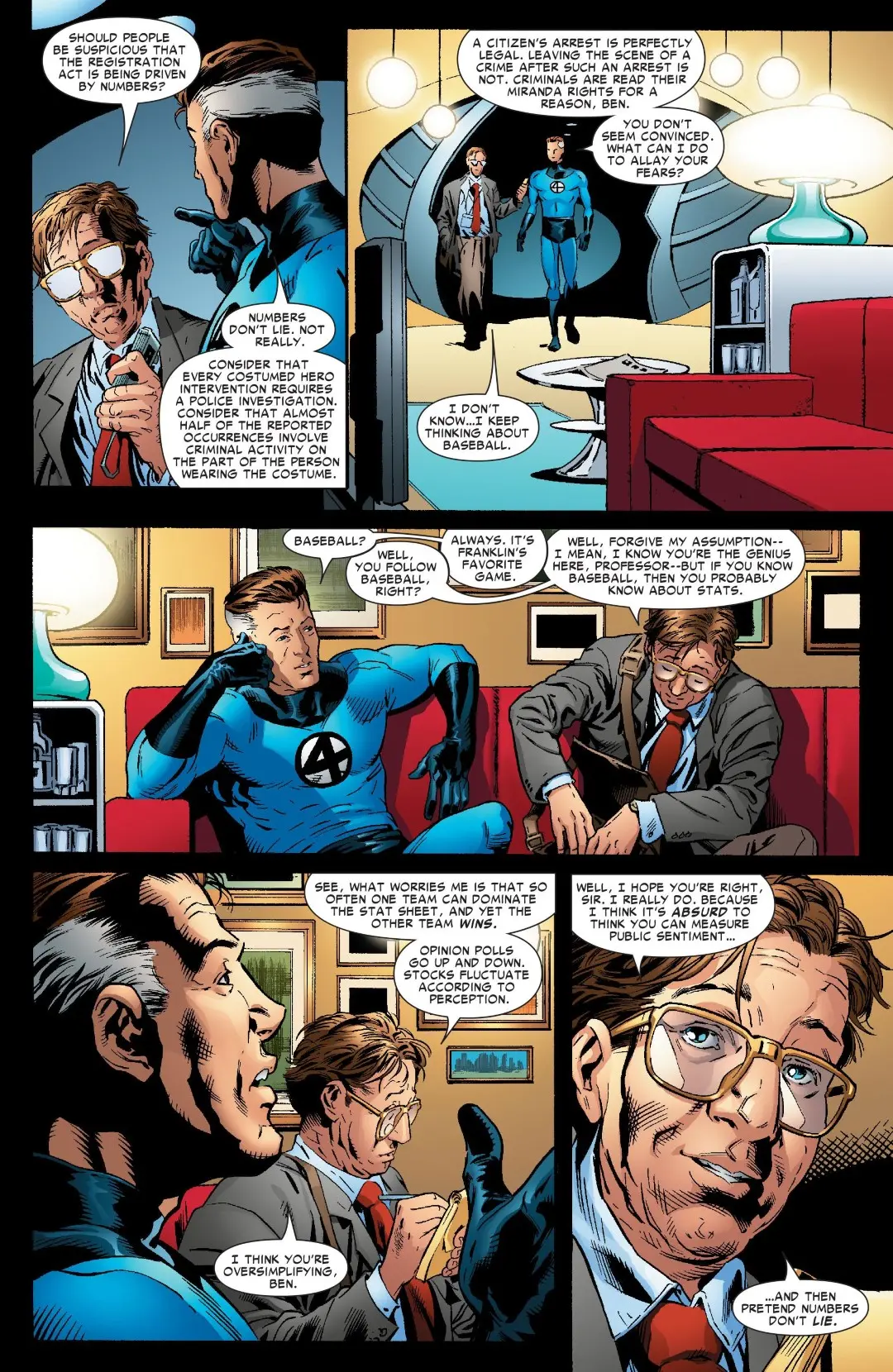
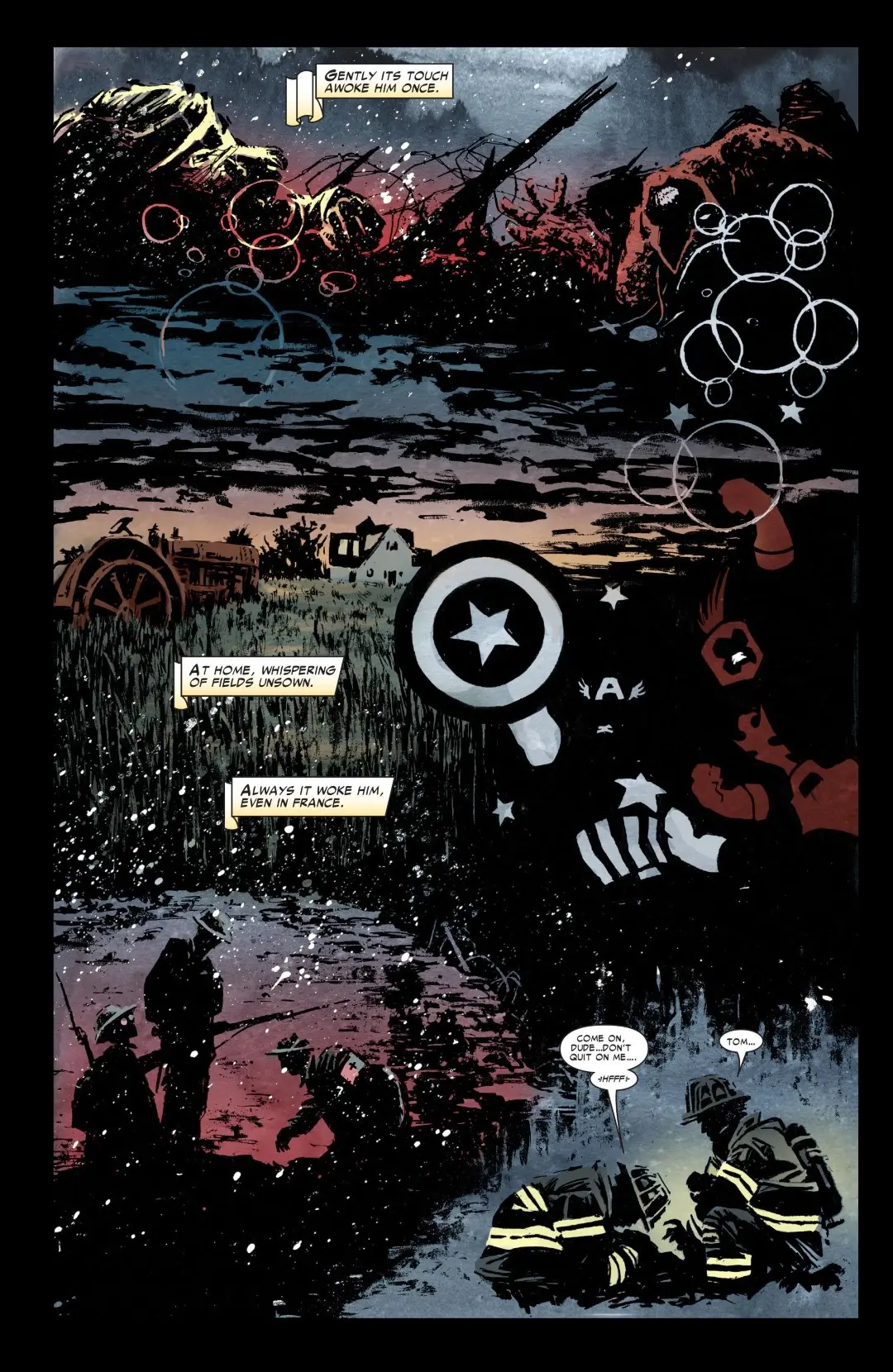
The opening pages of Civil War: Front Line Issue 3 (2006) establish a tone of escalating tension that will persist throughout the entire narrative. Ben Urich, the veteran reporter who has covered superheroes longer than most heroes have worn masks, finds himself on the wrong side of the newly established Superhuman Registration Act’s enforcement. His sources are drying up, his phone is tapped, and the Daily Bugle itself is under pressure from government agencies demanding to know where his loyalties lie. The artist captures this through claustrophobic paneling that suggests walls closing in, newsroom spaces that once felt like a second home now feeling like a trap. In Civil War: Front Line Issue 3 (2006), we understand immediately that the war has moved beyond heroes fighting heroes and into the realm of journalism itself.
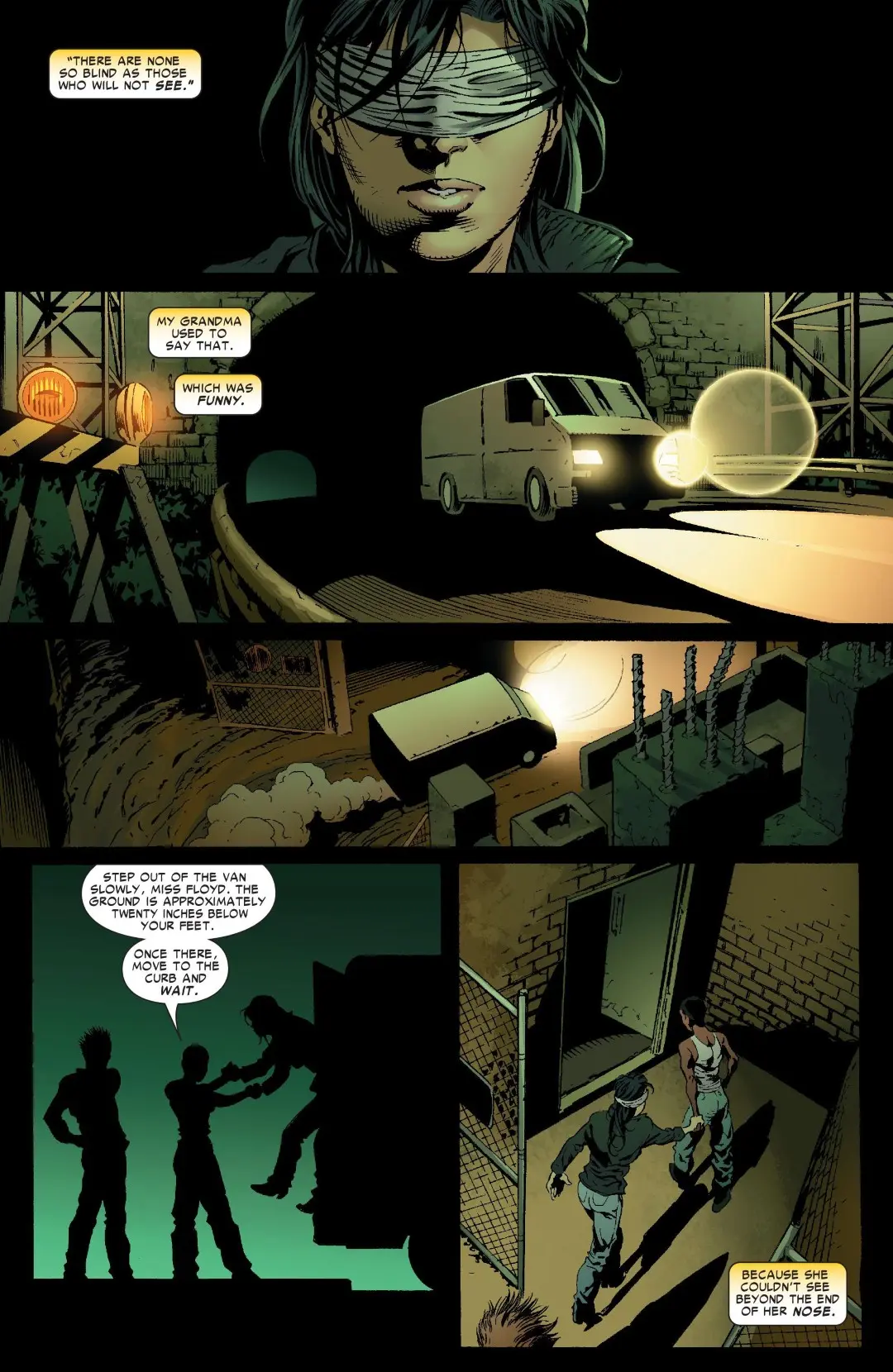
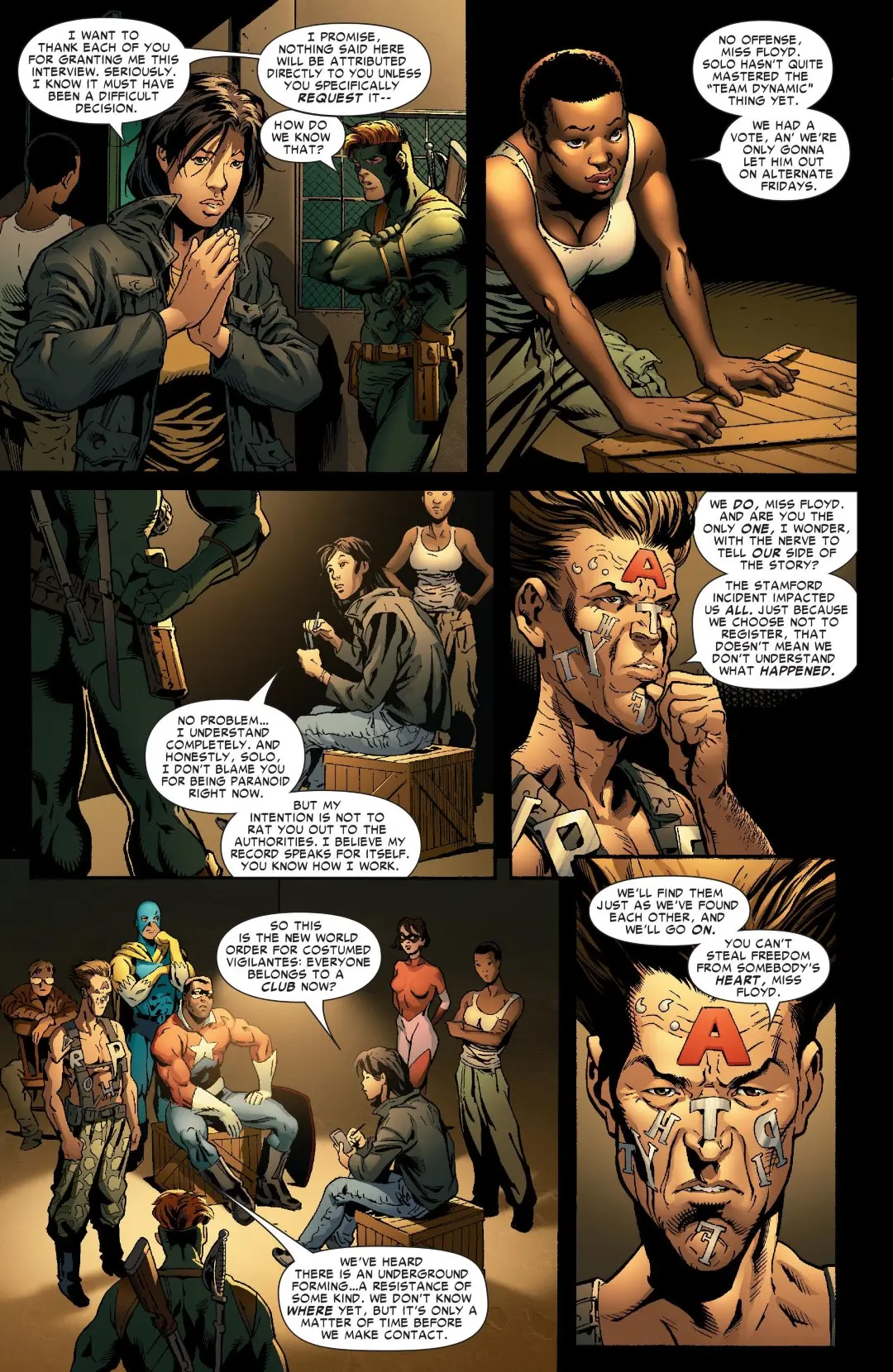
The narrative structure of Civil War: Front Line Issue 3 (2006) unfolds through the parallel tracks of Urich’s investigation and his young colleague Sally Floyd‘s growing disillusionment with the role of the press in a time of crisis. Urich pursues leads that suggest the Stamford disaster may not have been the accident the government claims, his decades of experience telling him that the official story has holes that someone is trying to fill with cement. Sally, meanwhile, watches her columns generate outrage from both sides of the registration debate, her attempts at balanced reporting attacked as treason by pro-registration readers and as cowardice by those who oppose the act. These parallel narratives in Civil War: Front Line Issue 3 (2006) create a portrait of journalism under siege from every direction.
The theme of truth runs through Civil War: Front Line Issue 3 (2006) like the bullet that eventually finds its target, connecting every scene to the question of whether the truth can survive when no one wants to hear it. Urich has spent his life believing that facts matter, that the truth will set you free, that journalism is a sacred trust. Yet Civil War: Front Line Issue 3 (2006) forces him to confront the possibility that in war, truth is the first casualty, and that even the most dedicated reporter may be powerless against forces that want the truth buried under propaganda and fear. The issue asks whether the pursuit of truth is still noble when the truth you find could get you killed, and whether the people who need the truth most will believe it even if you survive to tell it.
The visual storytelling in Civil War: Front Line Issue 3 (2006) reaches remarkable heights in its depiction of the physical and psychological toll that covering a war takes on those who refuse to look away. The artist renders Urich’s exhaustion in the lines around his eyes, the way he clutches a coffee cup that has long since gone cold, the slow, deliberate way he moves through the newsroom as if conserving energy for a battle he knows is coming. Sally Floyd’s scenes are rendered with a different visual language, her youth expressed in the frantic energy of typing, the desperate hope that if she just writes the right words, the world will listen. In Civil War: Front Line Issue 3 (2006), the art becomes a meditation on the different ways that journalists cope with a story that is consuming them.
The supporting cast in Civil War: Front Line Issue 3 (2006) includes the familiar faces of the Daily Bugle newsroom, each reacting to the crisis in ways that reveal their own relationships to the truth. J. Jonah Jameson appears in a scene that recontextualizes his decades of crusading against Spider-Man, his bluster replaced by something that might be respect for a reporter who refuses to back down. Younger reporters who once dreamed of bylines now wonder whether their careers will survive the war. Even the copy boys in Civil War: Front Line Issue 3 (2006) become characters, their whispered conversations revealing a newsroom where trust has become the rarest commodity.
The philosophical heart of Civil War: Front Line Issue 3 (2006) grapples with questions about whether journalism can survive when the people you report on no longer trust you and the people you report for no longer believe you. Urich and Floyd find themselves shut out by both sides of the conflict, their attempts to tell the story viewed with suspicion by those who believe that any coverage not explicitly in their favor is opposition. Civil War: Front Line Issue 3 (2006) asks whether there is still room for a neutral voice when neutrality itself is seen as a betrayal, whether the pursuit of truth can continue when truth has become a weapon, and whether the journalist who refuses to choose sides is braver than the one who does or merely more foolish.
The middle section of Civil War: Front Line Issue 3 (2006) features extended sequence where Urich must decide whether to publish information that could damage the pro-registration forces, knowing that publication would confirm what his sources have told him about government surveillance of journalists. This moment in Civil War: Front Line Issue 3 (2006) captures the impossible position of journalists in wartime, the knowledge that every word you write becomes ammunition for someone, that neutrality is itself a choice, that the pursuit of truth may require abandoning the illusion of objectivity. Watching Urich struggle with this decision reveals that the hardest stories to write are not the ones that get you killed but the ones that force you to live with the consequences of telling them.
The theme of legacy receives its most urgent examination yet in Civil War: Front Line Issue 3 (2006) through Urich’s memories of covering stories that shaped his career, the lives he documented, the secrets he kept, the truths he told. He carries the weight of decades of reporting, the knowledge that some stories are worth dying for, and some are worth living with forever. Civil War: Front Line Issue 3 (2006) asks whether the journalism he has practiced his entire life is adequate for the moment he now faces, or whether the rules must change when the world itself is changing, and whether the reporter who has spent his life chasing truth can ever be satisfied with the fragments of it he manages to salvage.
The final pages of Civil War: Front Line Issue 3 (2006) offer not resolution but the deepening of a commitment that may cost everything. Urich and Floyd choose to continue their investigation despite the threats, despite the closed doors, despite the growing certainty that the story they are chasing may have no ending that satisfies. The closing image captures them together, two journalists against a world that would prefer they remain silent, ready to ask the questions that no one else will ask, to bear witness to a war that has no witnesses. For readers who have followed this series from its beginning, Civil War: Front Line Issue 3 (2006) is the chapter where the stakes become personal, where the reporters stop being observers and become participants, where the line between covering the war and being part of it disappears entirely.
In conclusion, Civil War: Front Line Issue 3 (2006) stands as a powerful continuation of the series that dared to ask what happens to ordinary people when heroes go to war, and what happens to the truth when the people who tell it become targets. It asks whether journalism can survive when the people you report on no longer trust you, whether truth matters when no one wants to hear it, what it means to bear witness when witnessing changes nothing. For readers who followed the Civil War as it unfolded, this issue offered the human perspective that made the event matter. For those discovering it now, Civil War: Front Line Issue 3 (2006) provides entry into one of Marvel Comics most ambitious storytelling experiments, a series that understood that the biggest stories are not about the battles but about the people who refuse to stop asking why. Read Free Comics Online recommends this issue to anyone who believes that the best superhero stories are ultimately about the world they protect, about the journalists who refuse to let their stories go untold, and about the truth that survives even when no one wants to hear it.
Civil War: Front Line Issue 3 (2006) Read Free Online













Read Free Comics Online of all comics character on this website with very high-quality images on google free.
Leave a Reply