Batman The Killing Joke 1988
Publisher: DC Comics
Read Free Comics Online of Batman The Killing Joke 1988 Read Free Online with very high-quality images on google without any cost, Read Free DC comics online at Read Free comics Online.
Scroll down to read free comics online.
Read Related Issue
Batman The Killing Joke 1988 Read Free DC Comics Online
The shadow of a single traumatic moment can stretch across decades, shaping everything that follows while remaining forever frozen in time. Few works of fiction have explored this truth with the brutal honesty and artistic sophistication found in Batman The Killing Joke (1988). This graphic novel, published at a pivotal moment in the evolution of superhero storytelling, arrived as a thunderbolt that permanently altered the landscape of comics and the characters at its center. As we at Read Free Comics Online revisited this landmark work, we discovered that its power remains undiminished by time, its questions about madness, trauma, and the fragile line between sanity and breakdown as urgent now as they were decades ago.
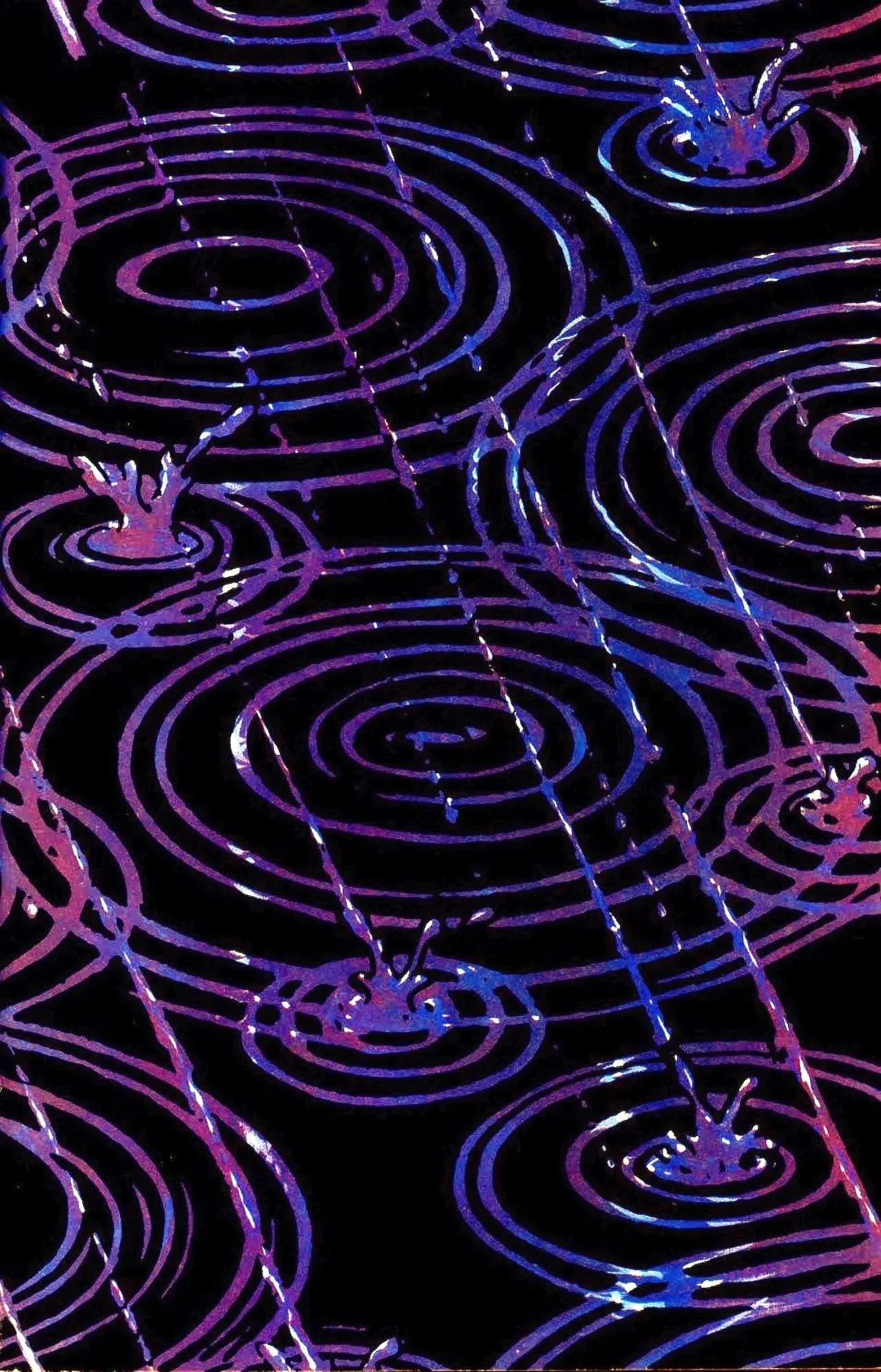
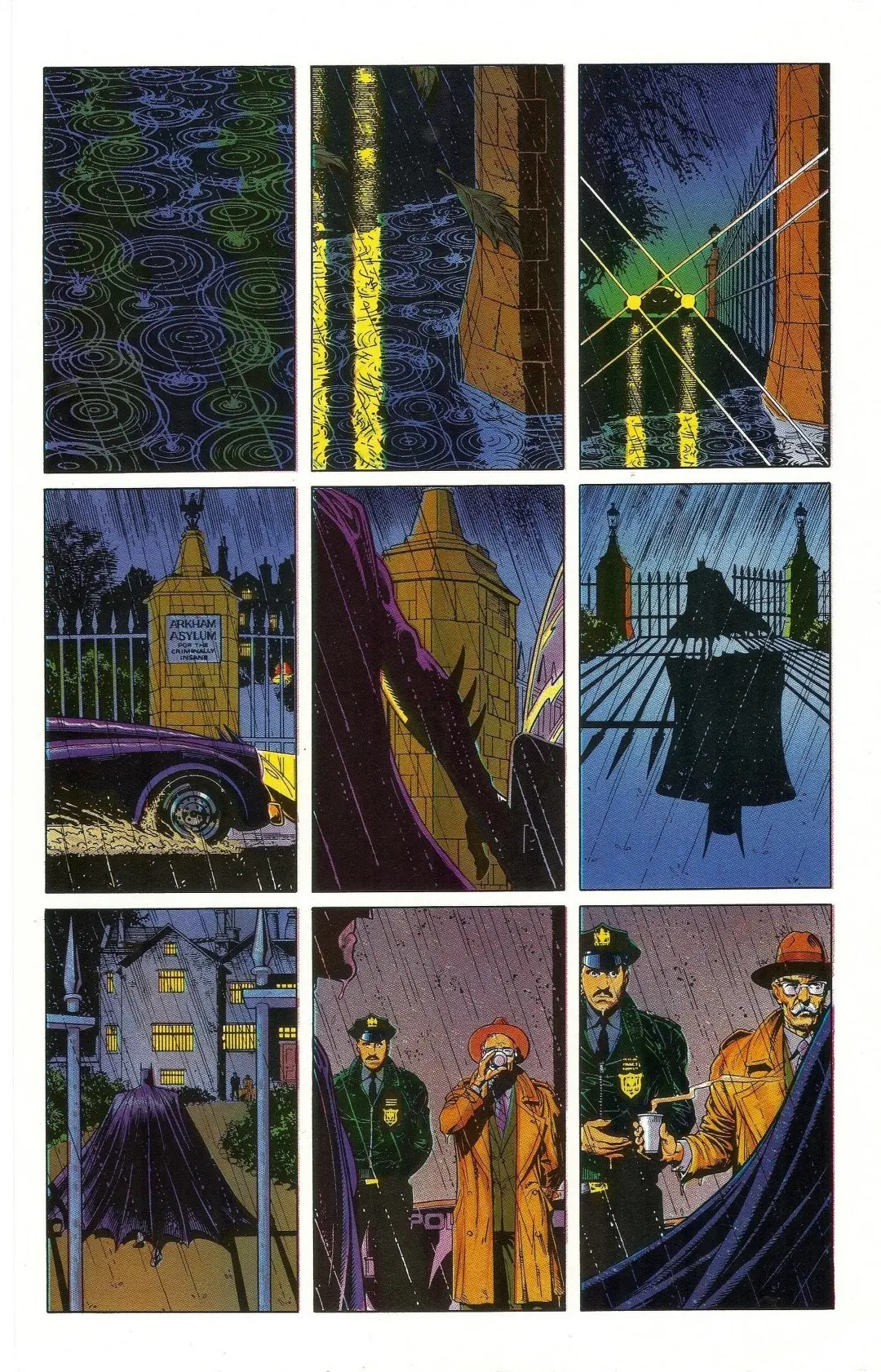
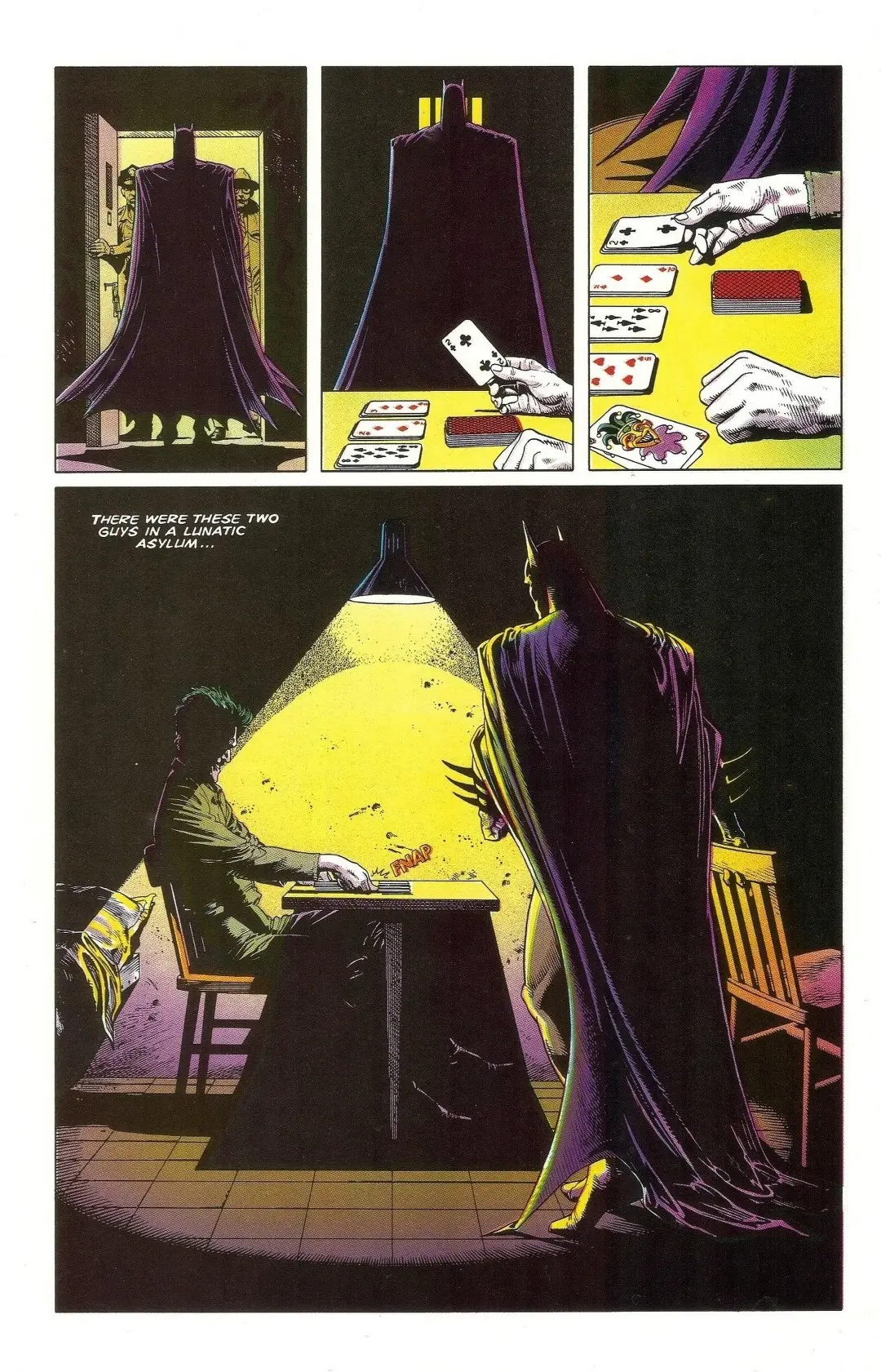
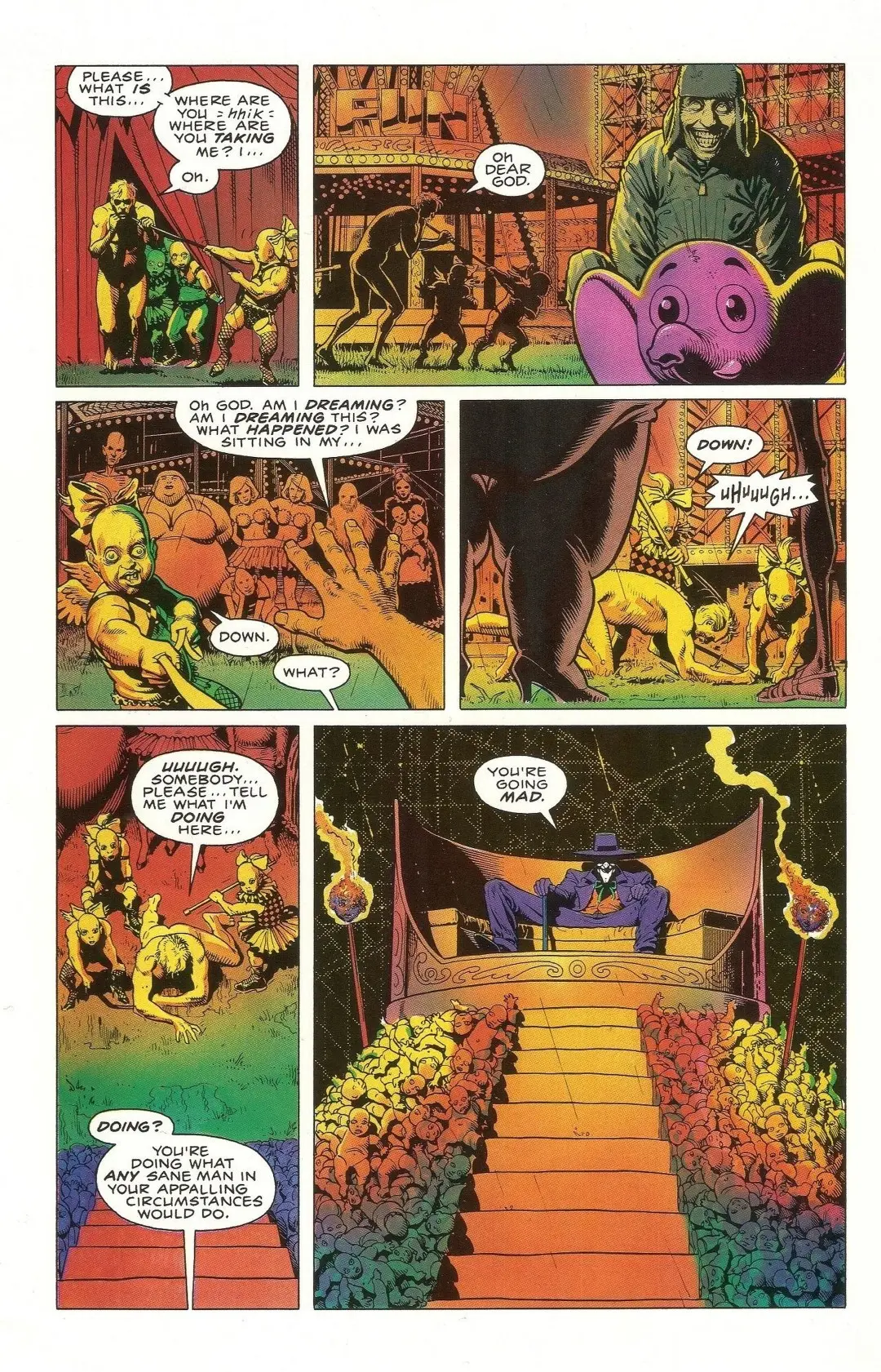
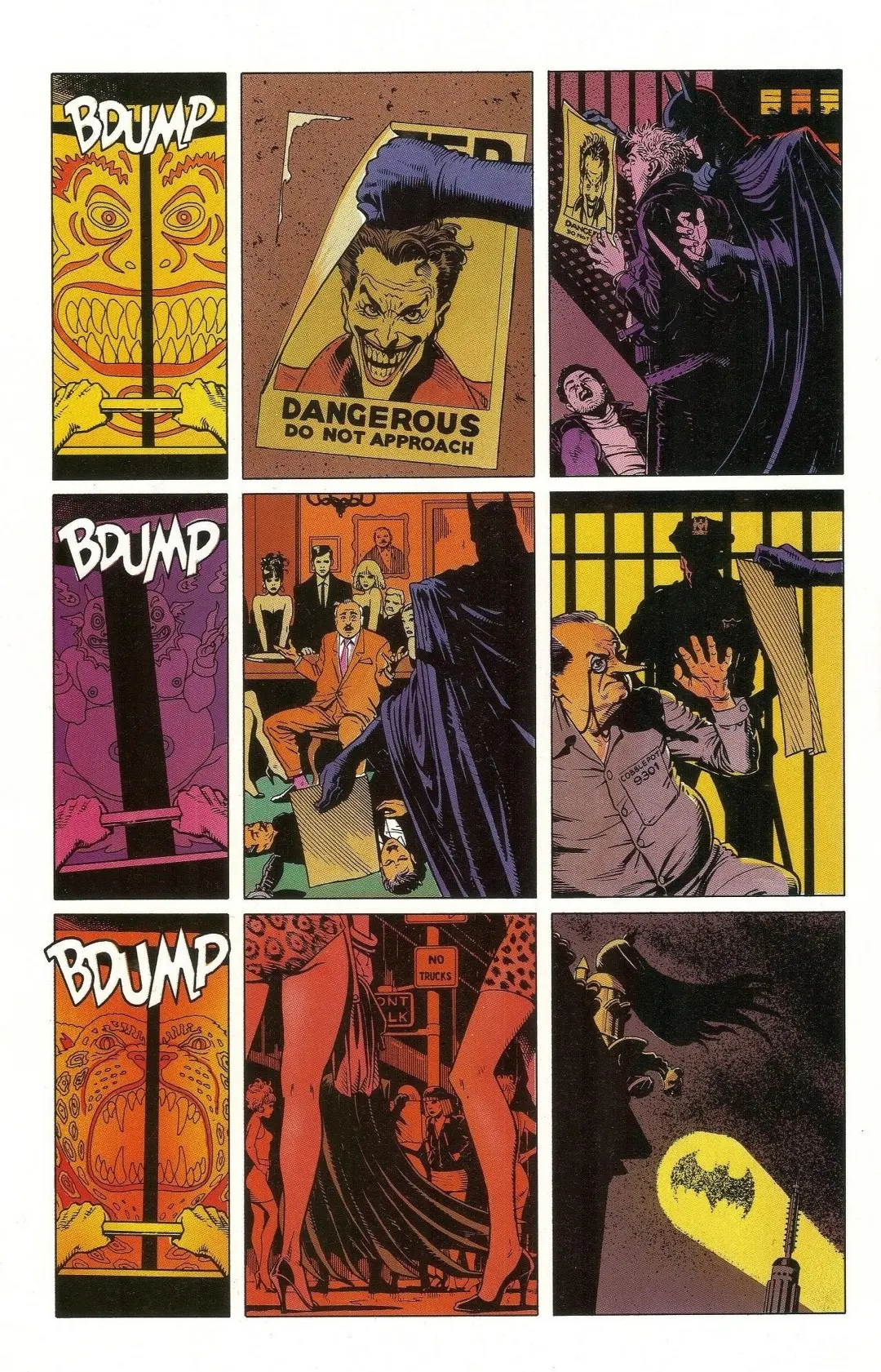
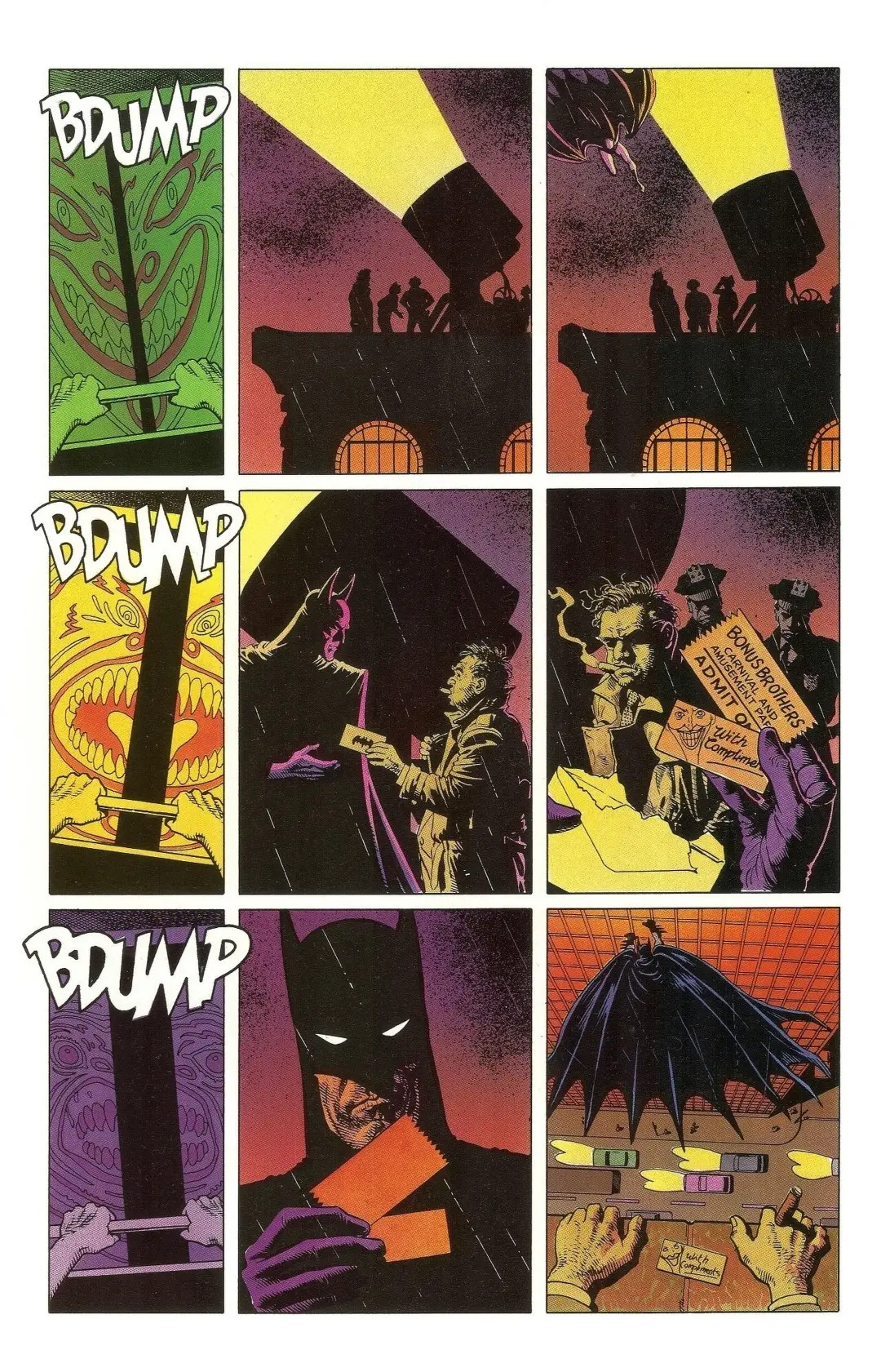
The opening pages of Batman The Killing Joke (1988) establish a tone of melancholy inevitability that will persist throughout the entire narrative. We find Batman in a familiar posture, brooding over the city he has sworn to protect, but something in his expression suggests awareness that tonight will be different, that forces are converging toward tragedy he may be powerless to prevent. The artist renders Gotham in rain-slicked shadows that seem to absorb light rather than reflect it, creating atmosphere that feels simultaneously real and dreamlike. In Batman The Killing Joke (1988), we understand immediately that we are entering territory where comfortable certainties about heroes and villains will be tested.
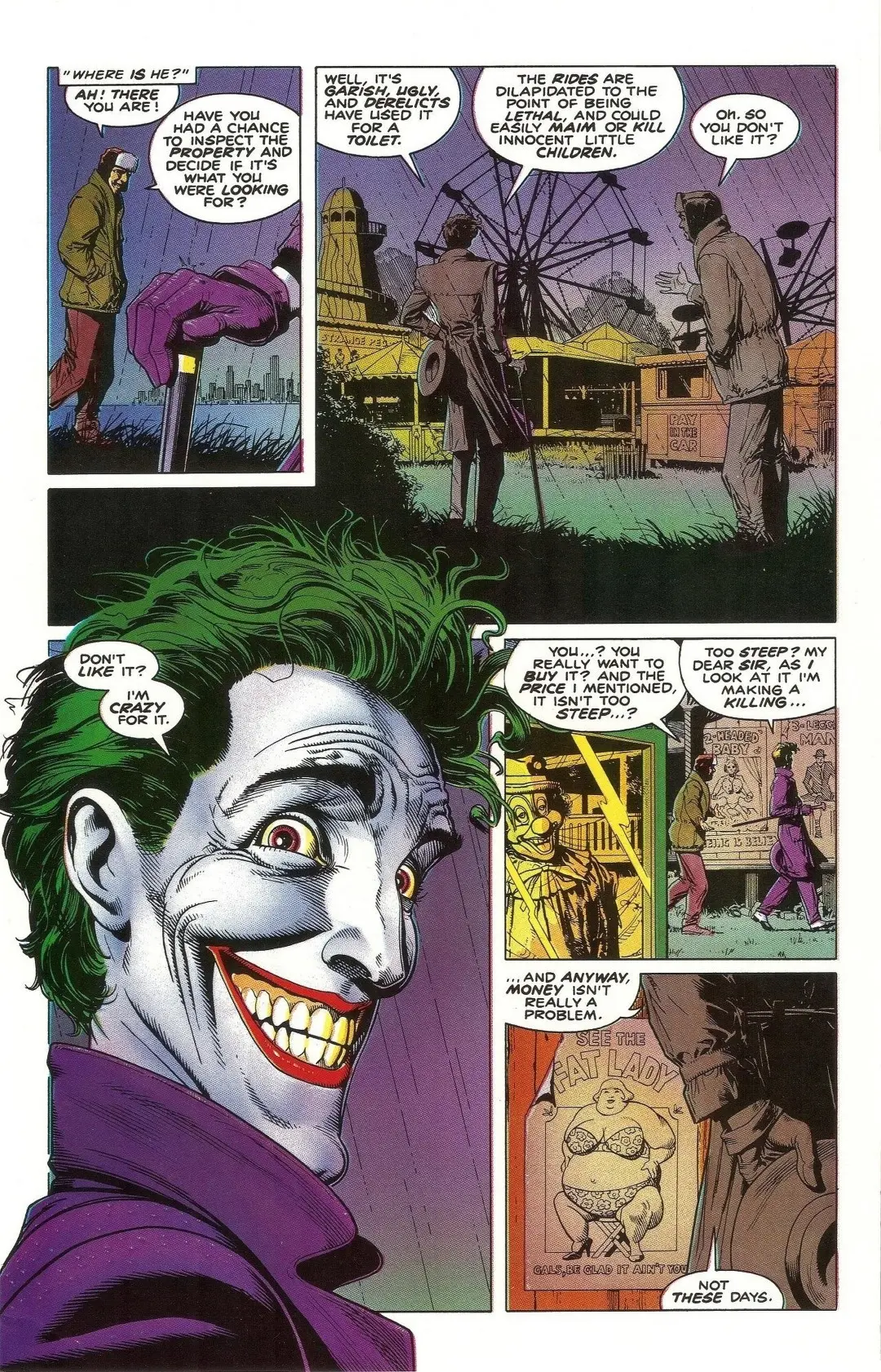
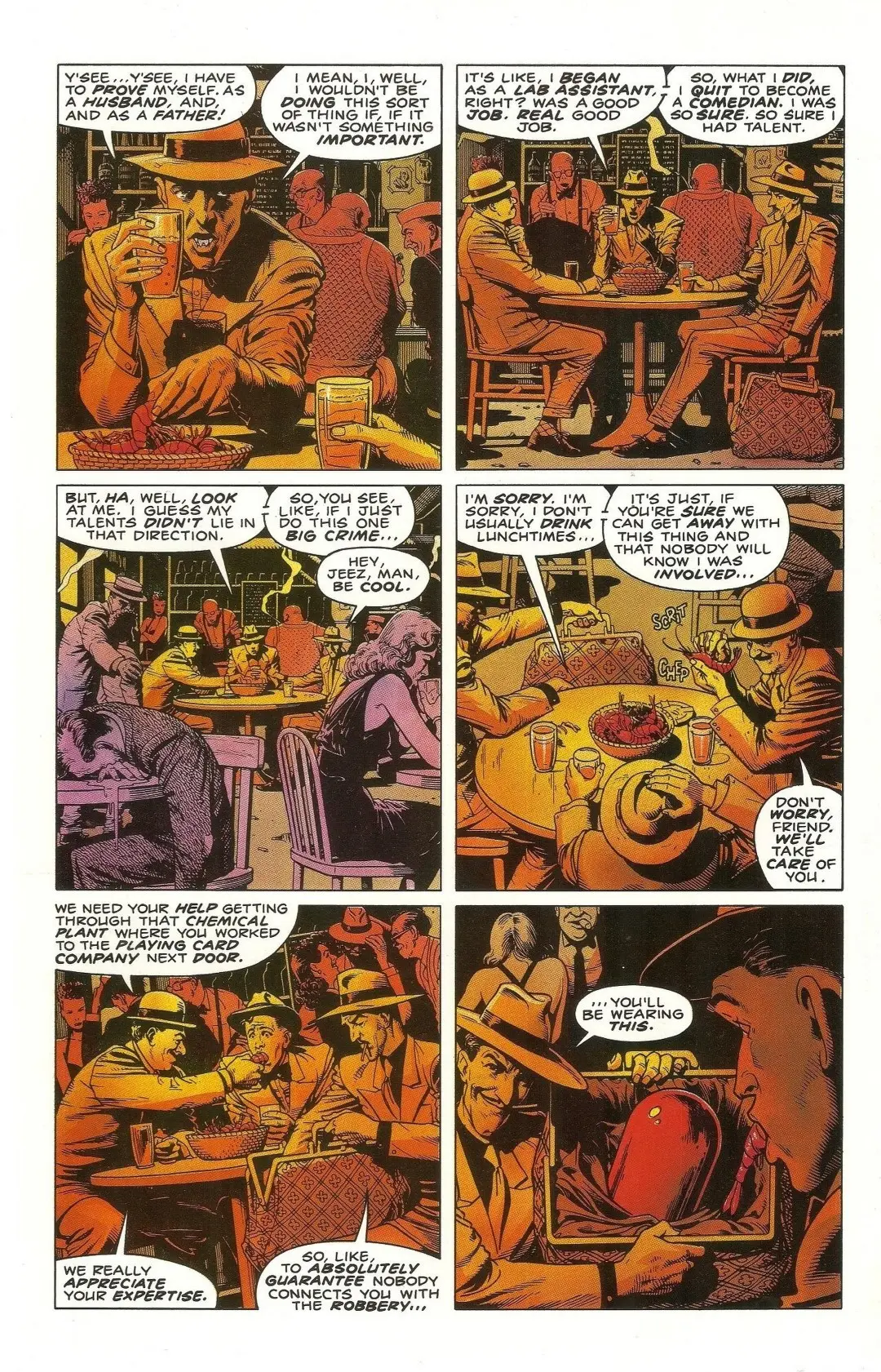
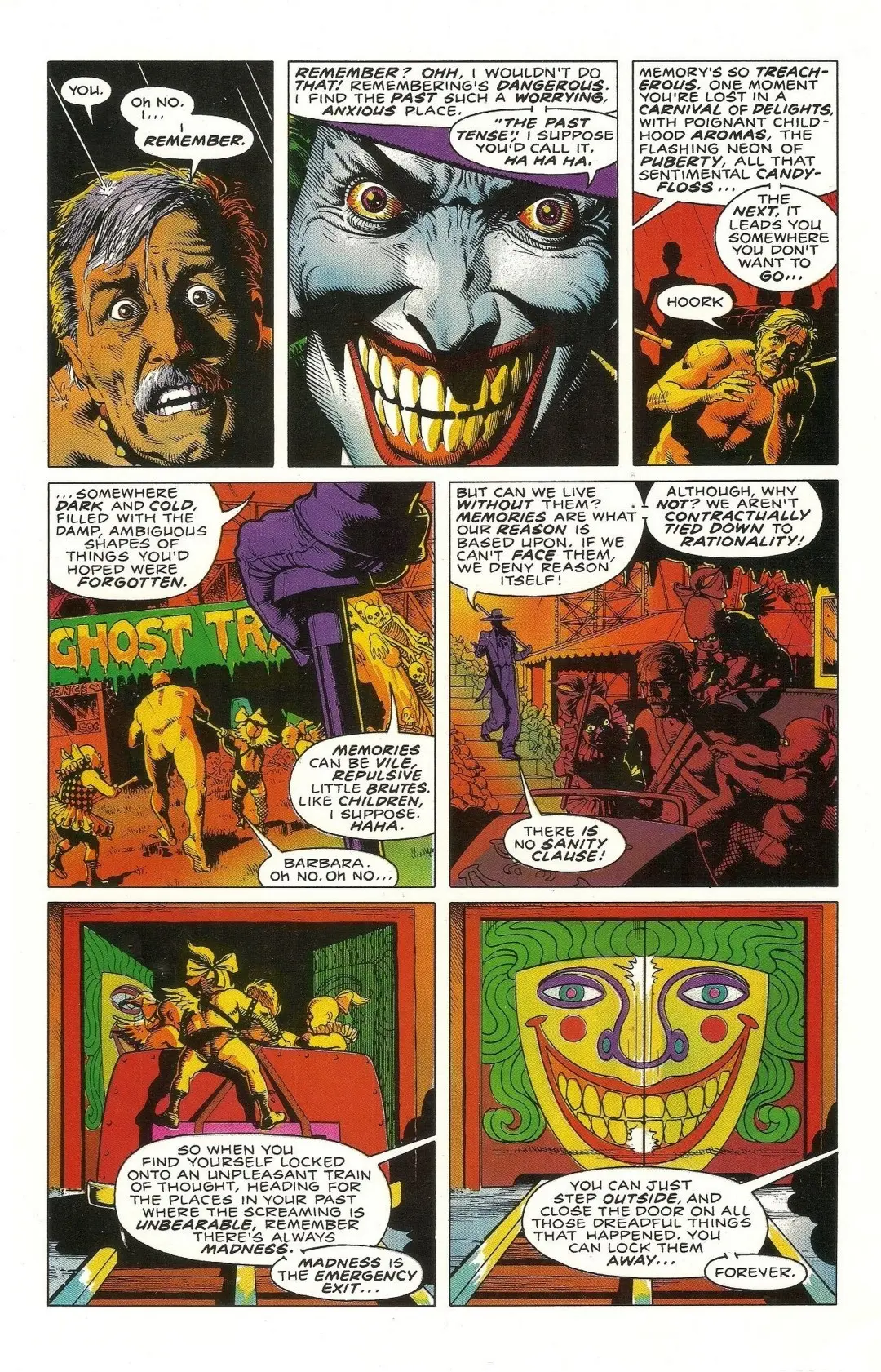
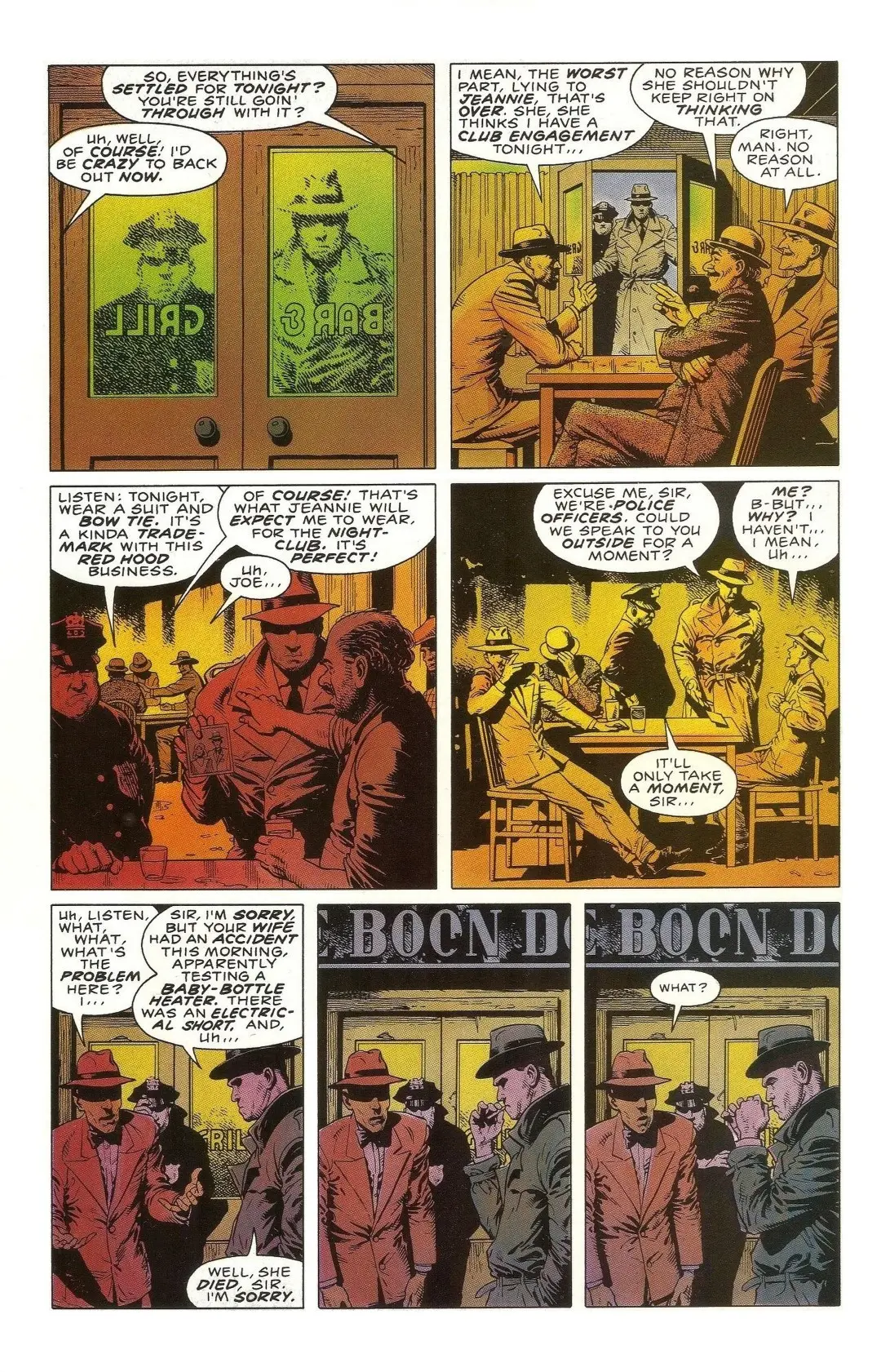
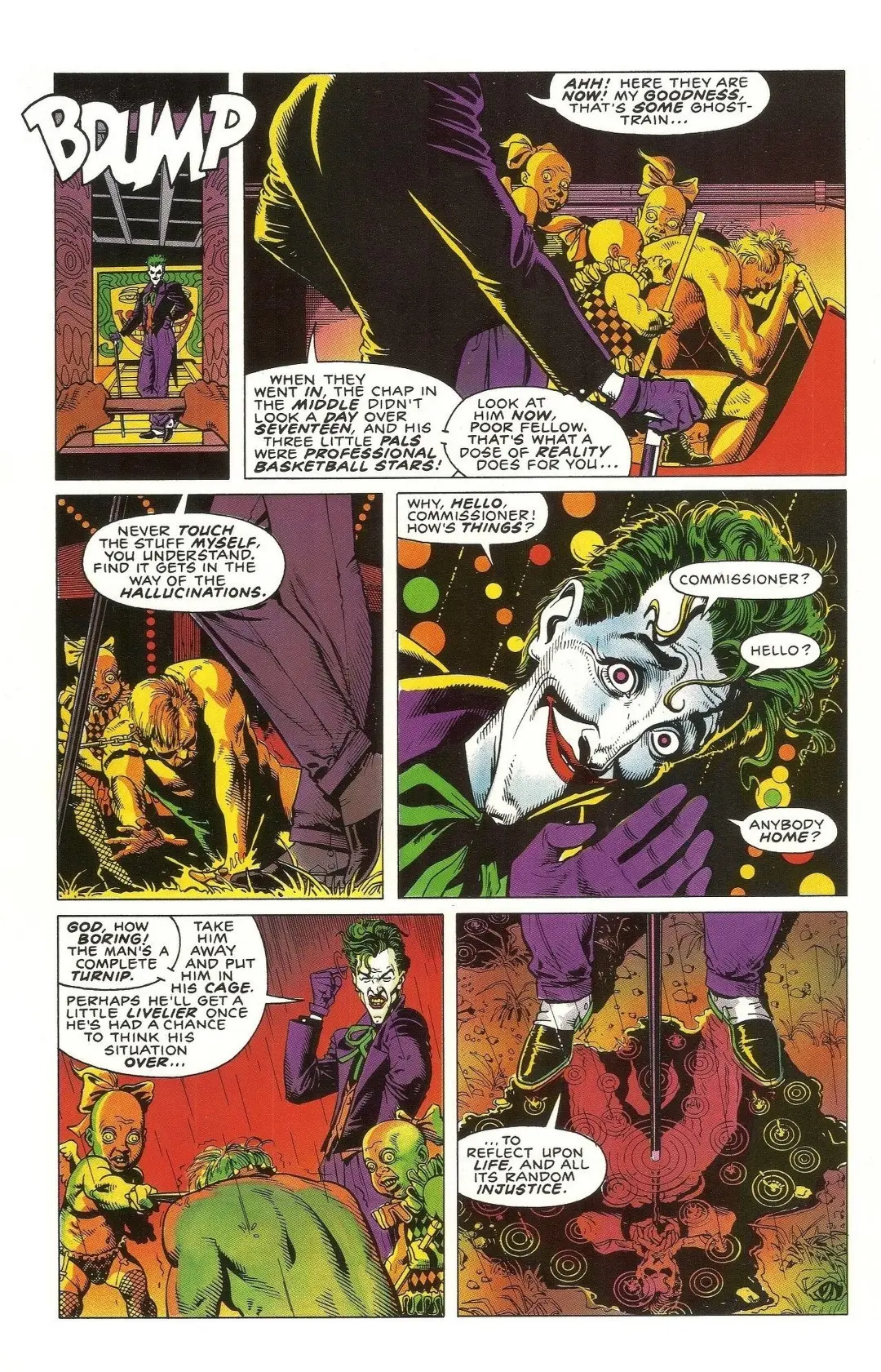
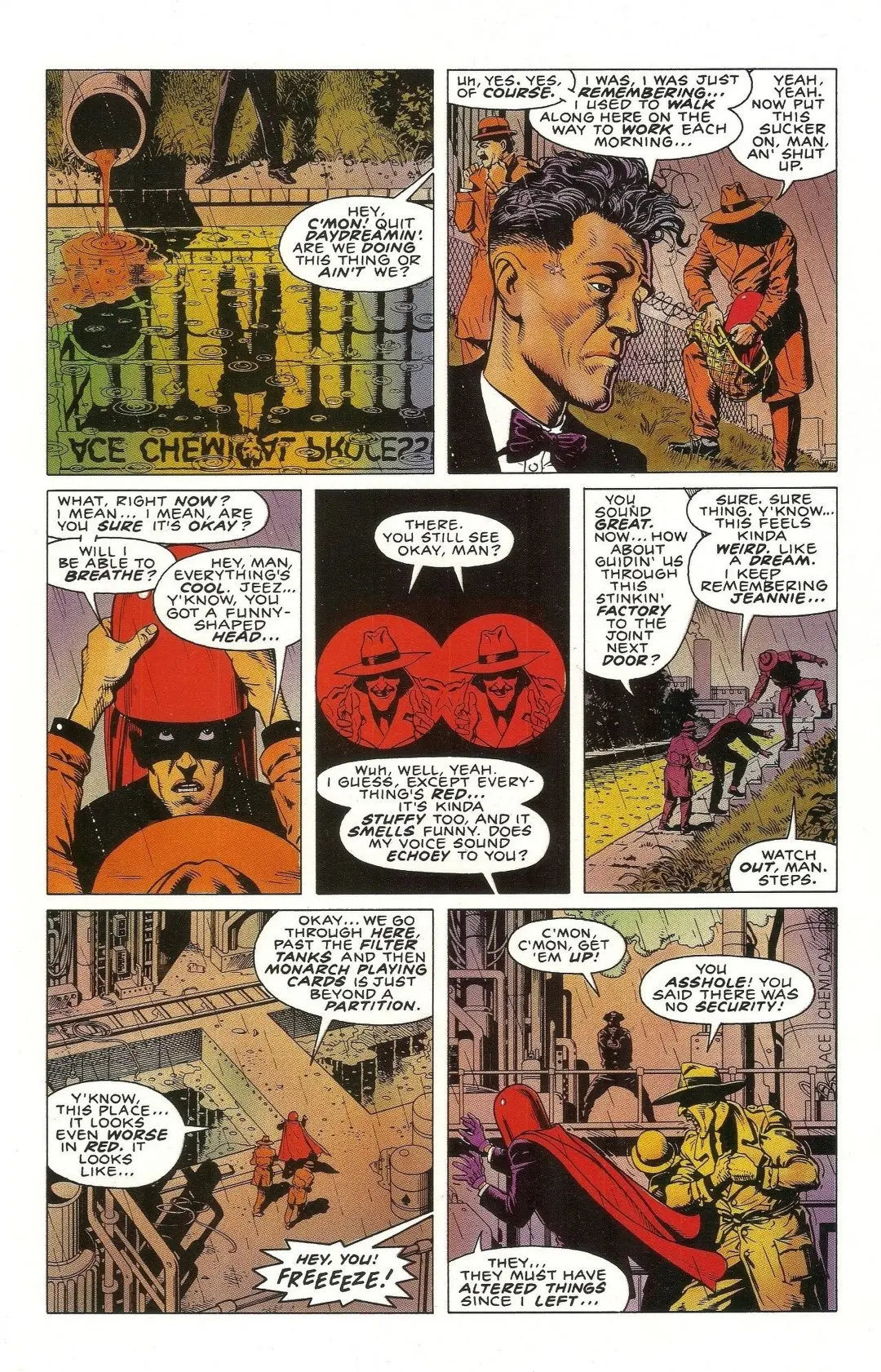
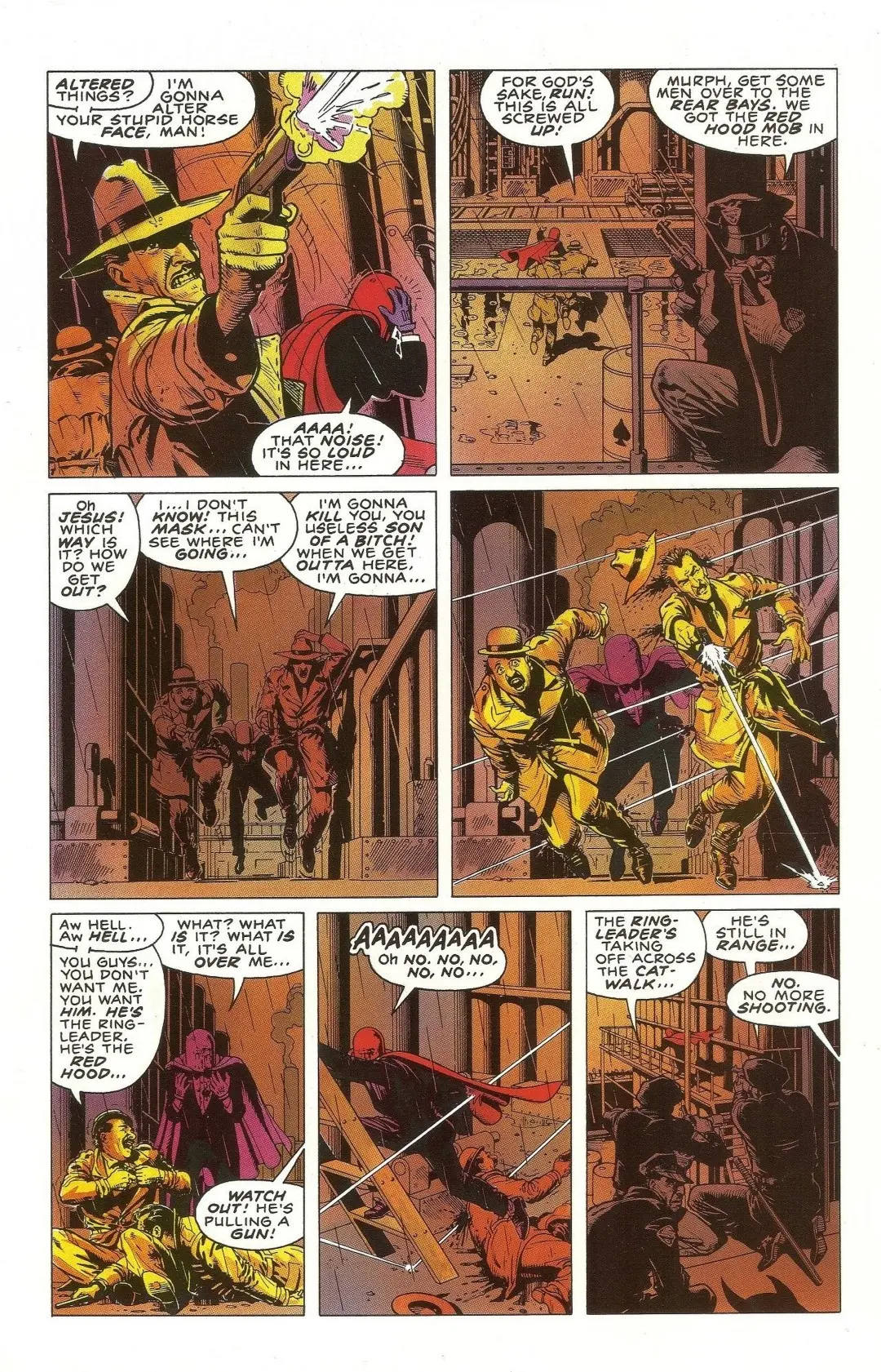
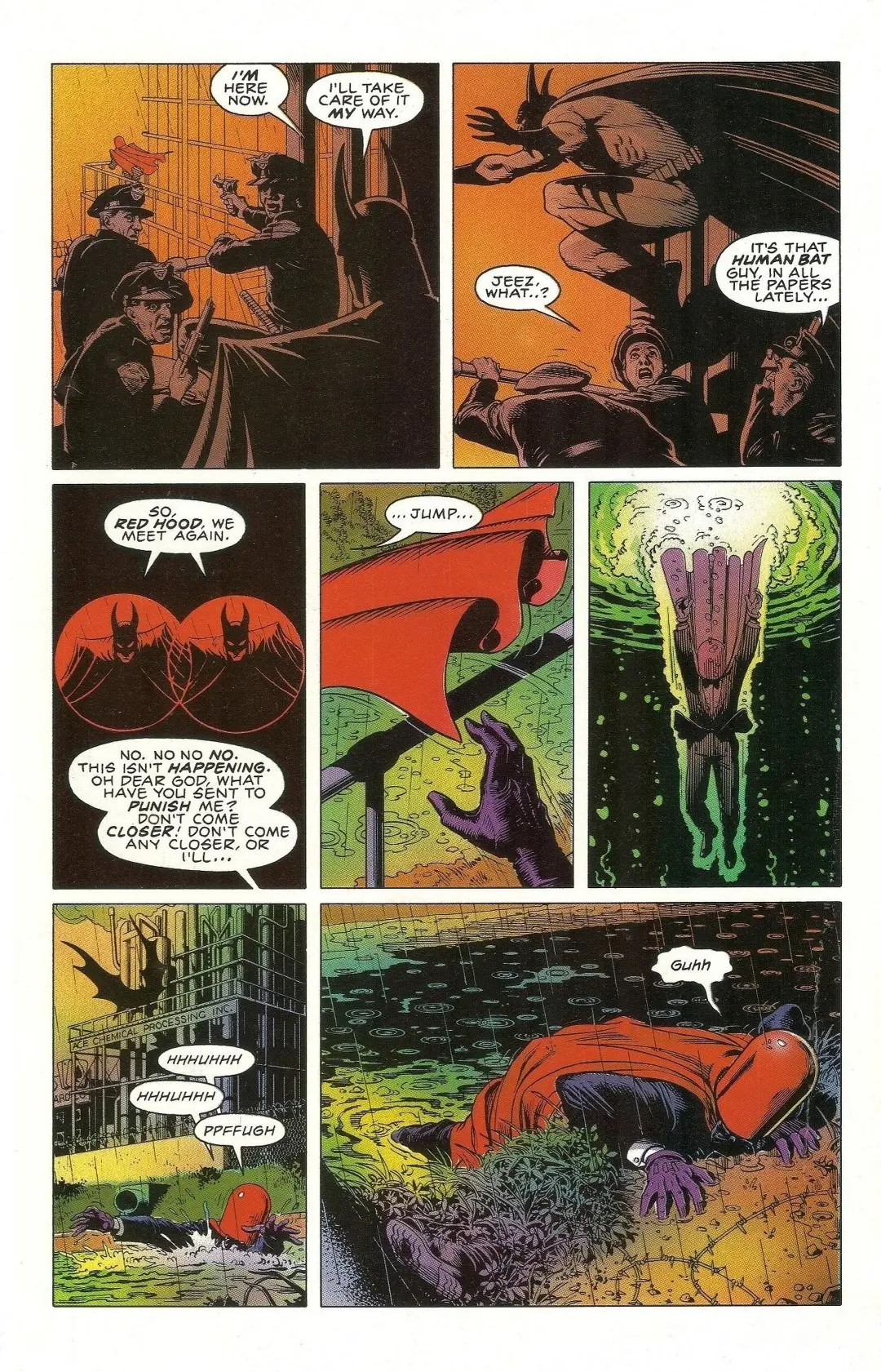
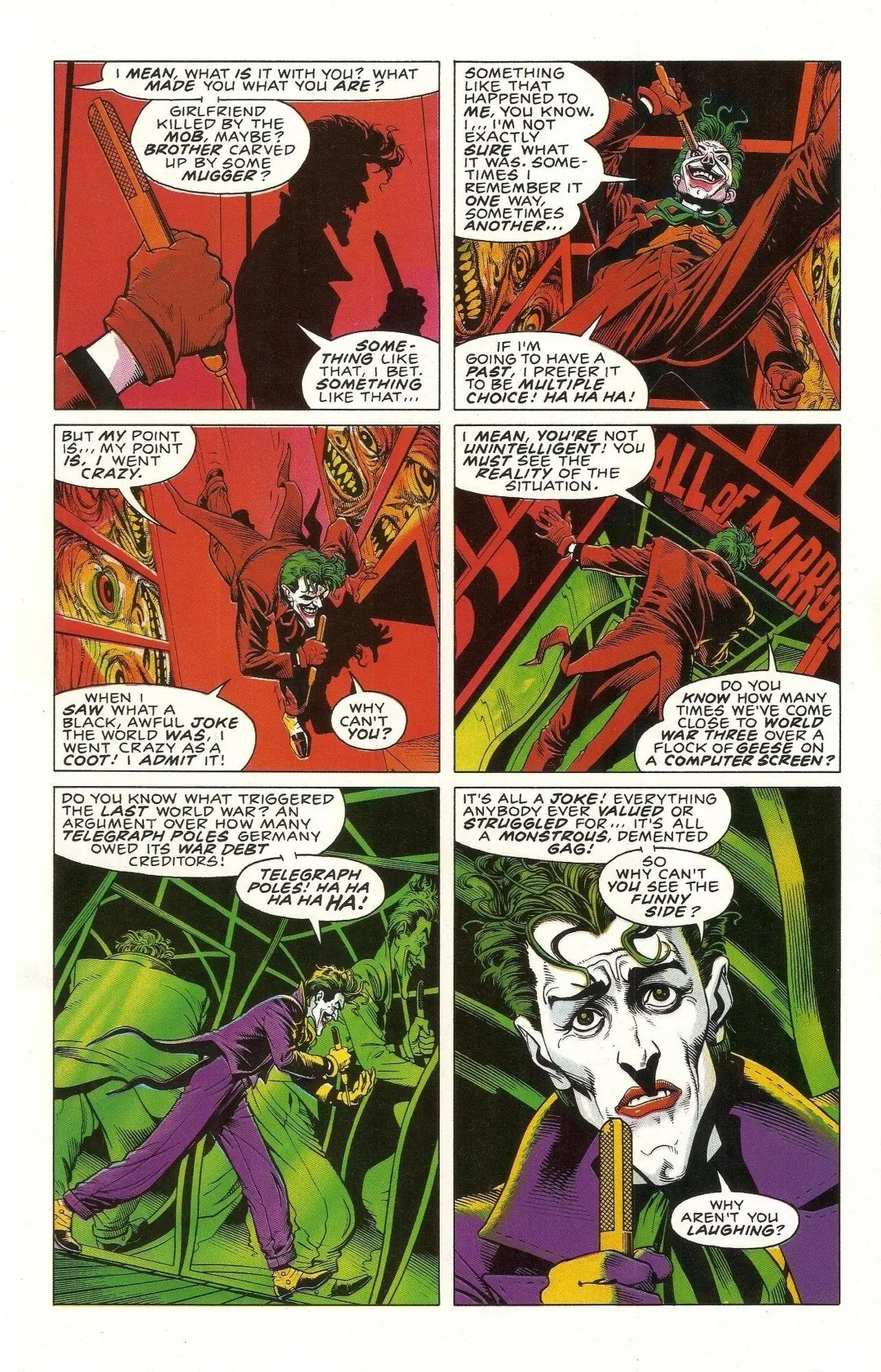
The narrative structure of Batman The Killing Joke (1988) weaves between present action and extended flashback with fluid grace that keeps readers constantly questioning the relationship between past and present. The Joker’s origin story unfolds through his own narration, but the reliability of this account remains deliberately ambiguous, is he remembering or inventing, revealing truth or constructing mythology about himself? This structural ambiguity in Batman The Killing Joke (1988) prevents any simple understanding of how monsters are made, suggesting that the line between tragedy and choice may be impossible to draw with confidence.
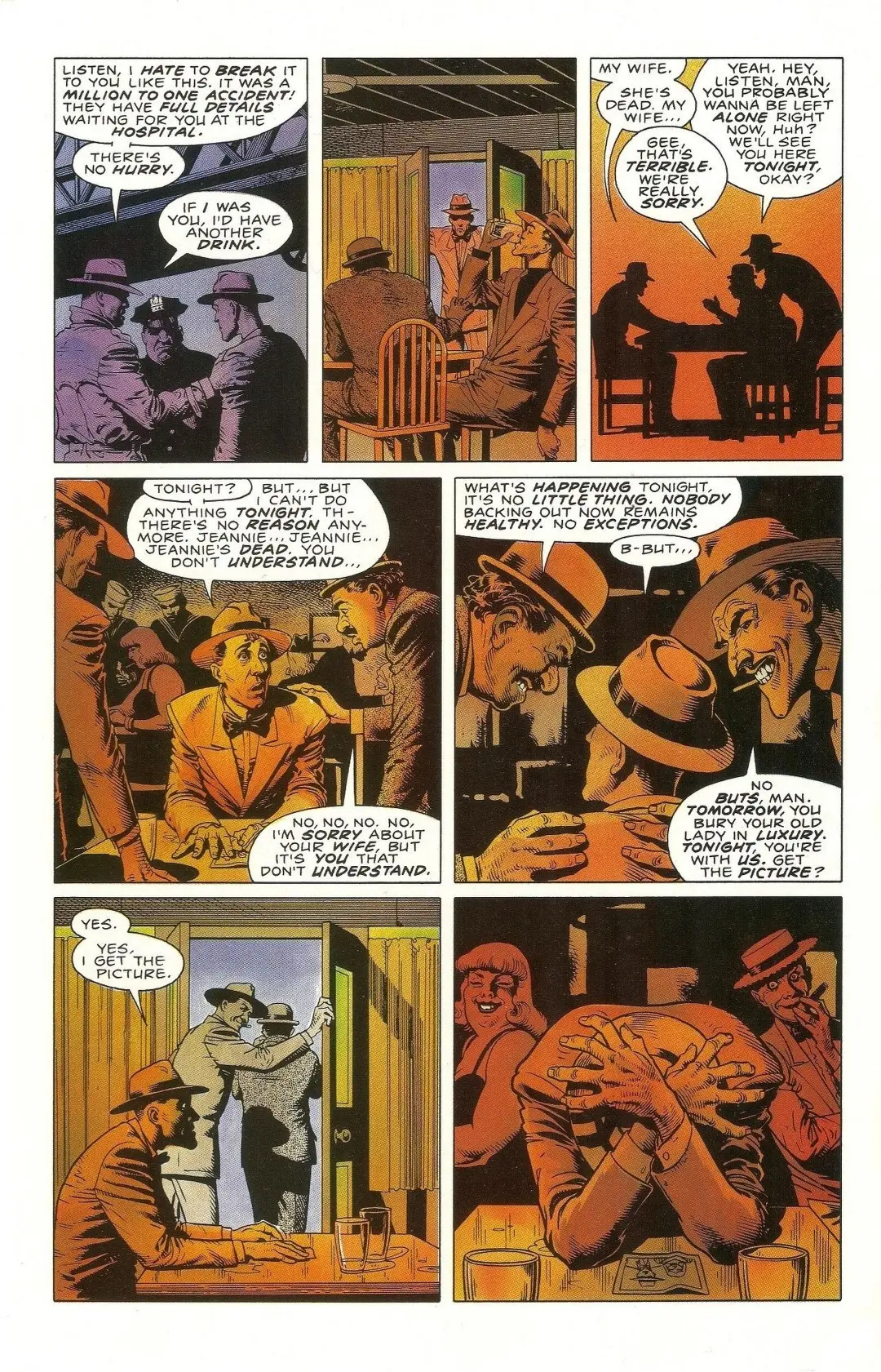
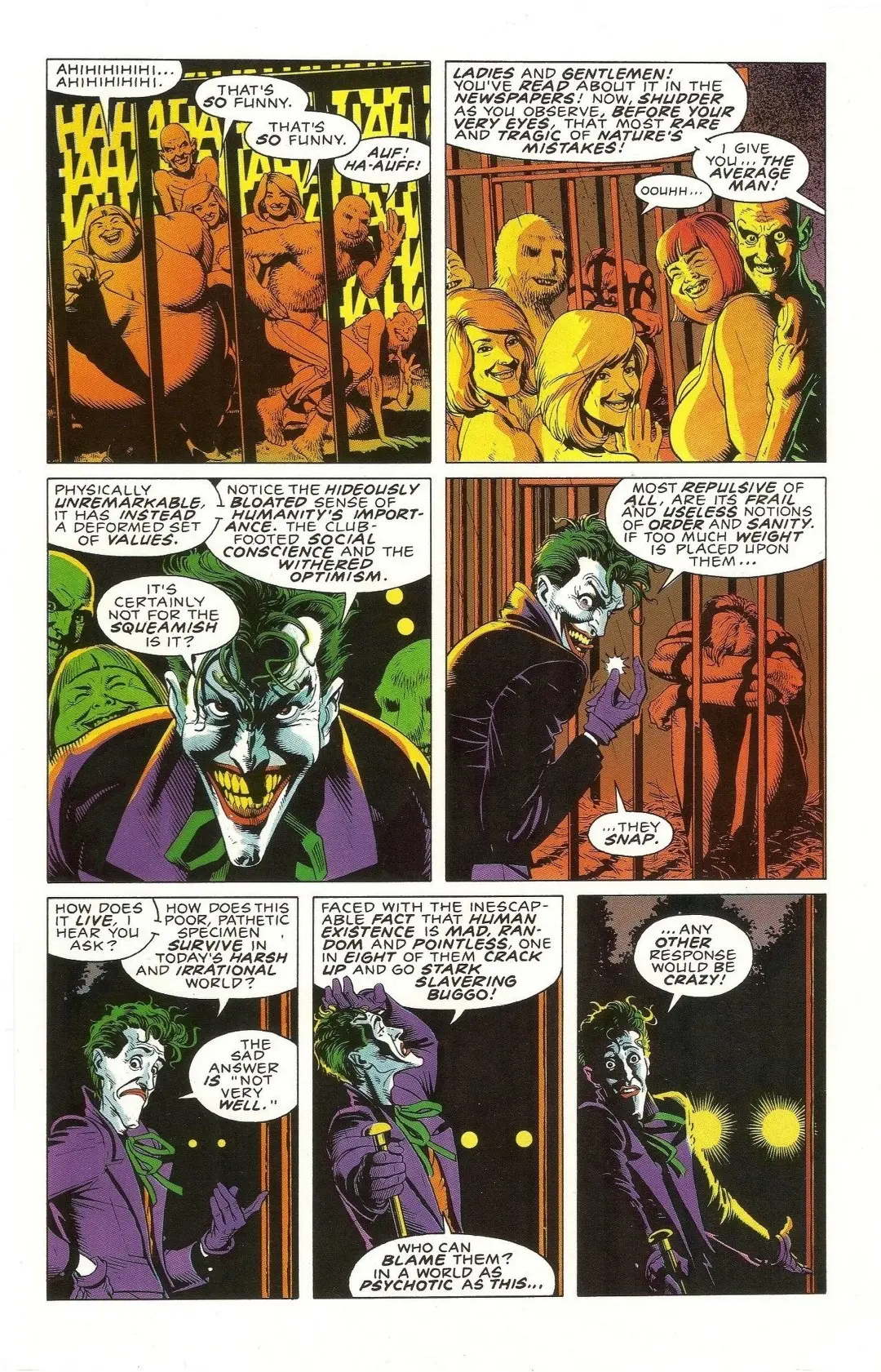
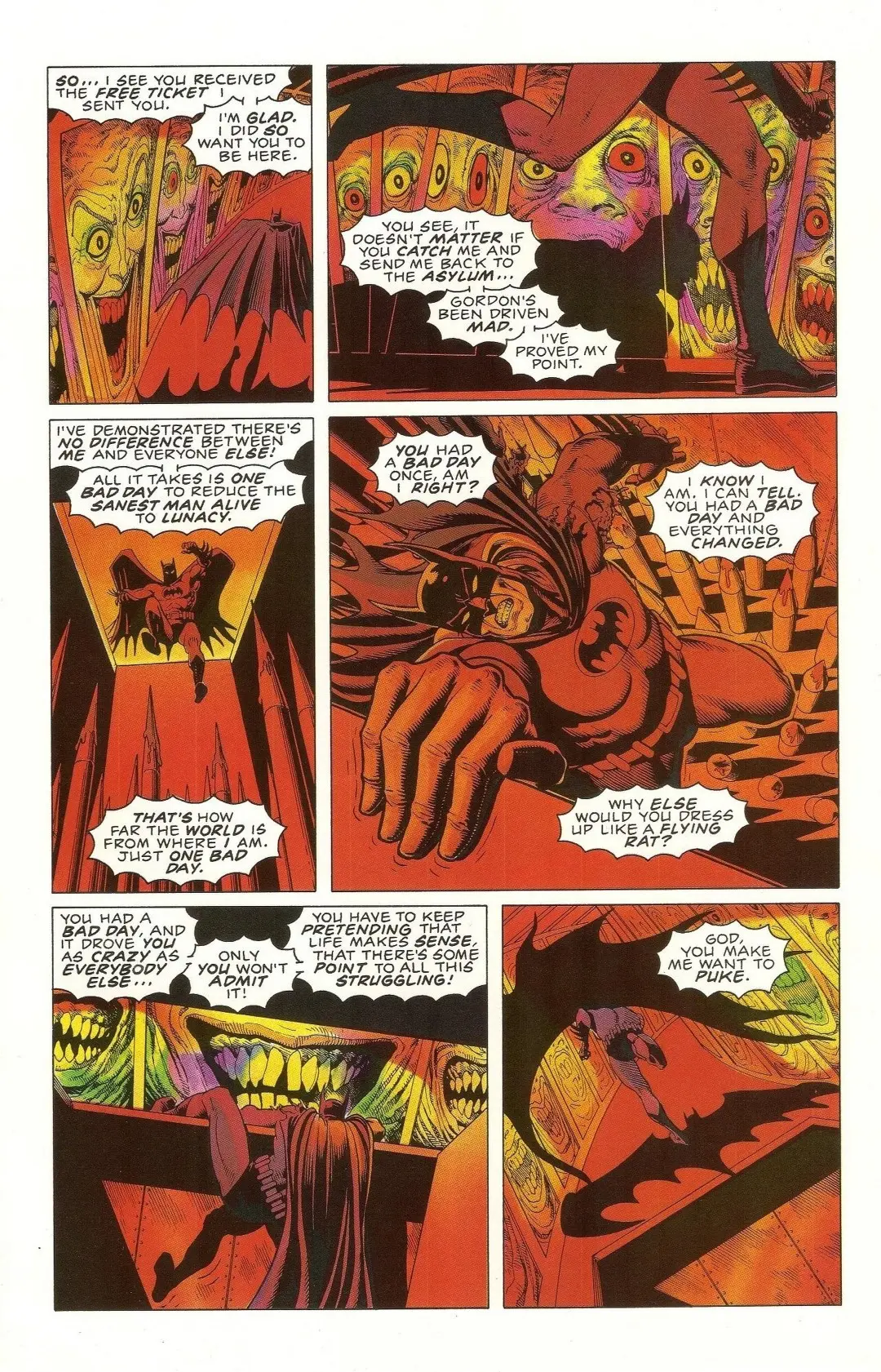
The theme of the single bad day runs through Batman The Killing Joke (1988) like a wound that will not heal, connecting every scene to the central argument the Joker makes about human nature. His claim that one bad day can reduce anyone to his level of madness is both challenge to Batman and justification for himself, and the narrative forces readers to sit with the uncomfortable possibility that he may be right. Yet Batman The Killing Joke (1988) complicates this argument by showing how differently Batman and Joker responded to their respective bad days, suggesting that trauma reveals character rather than creating it.
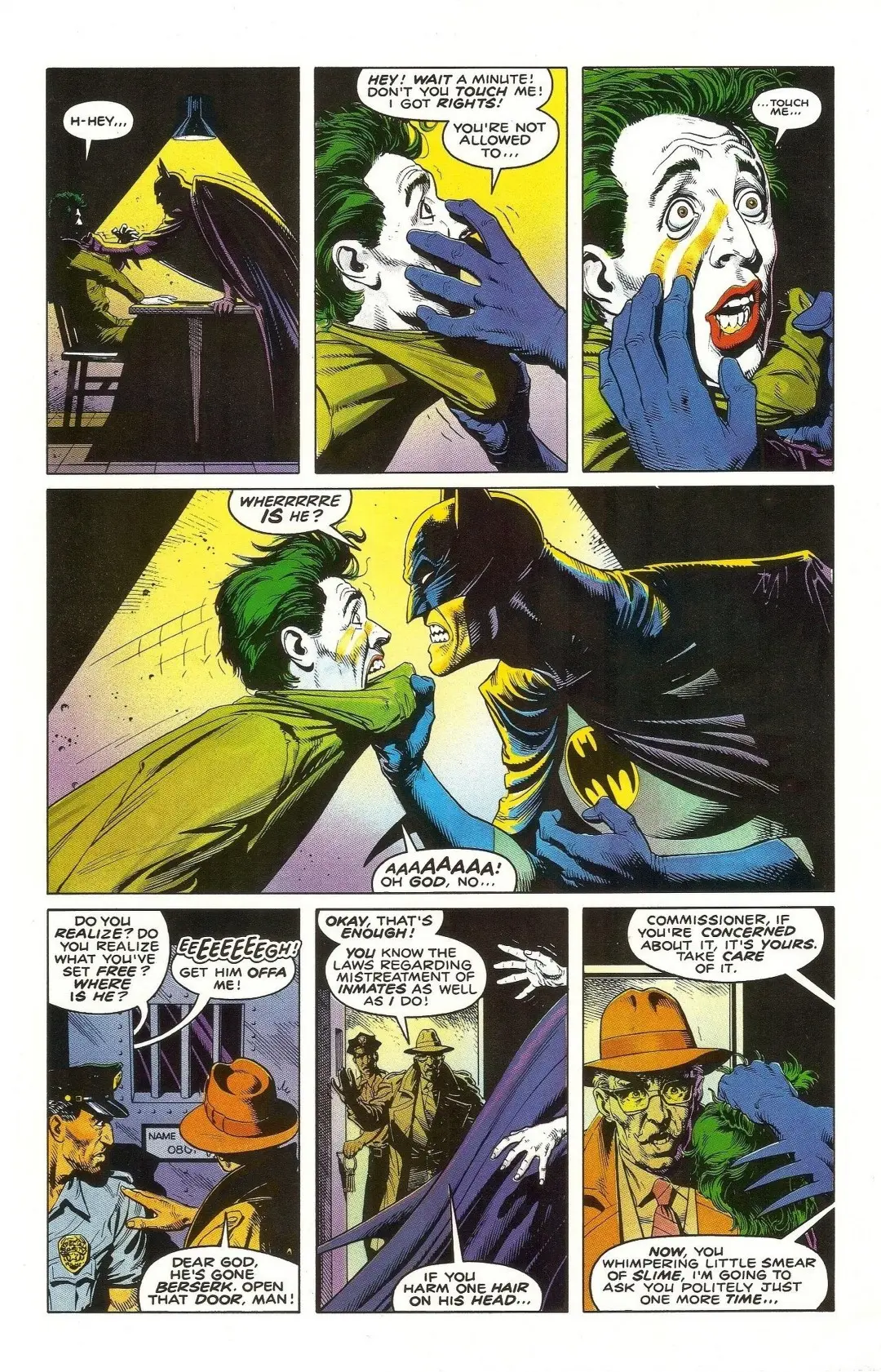
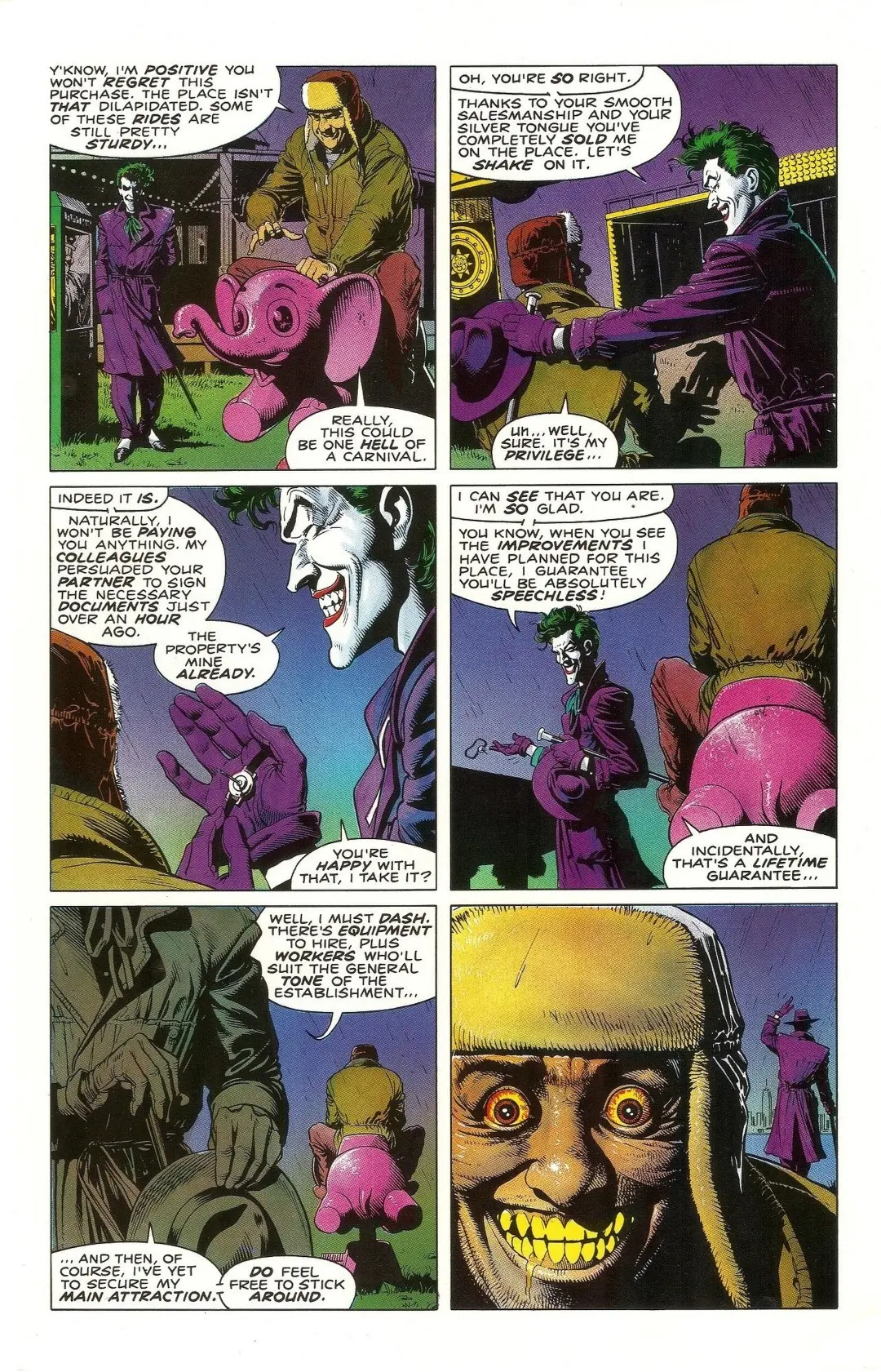
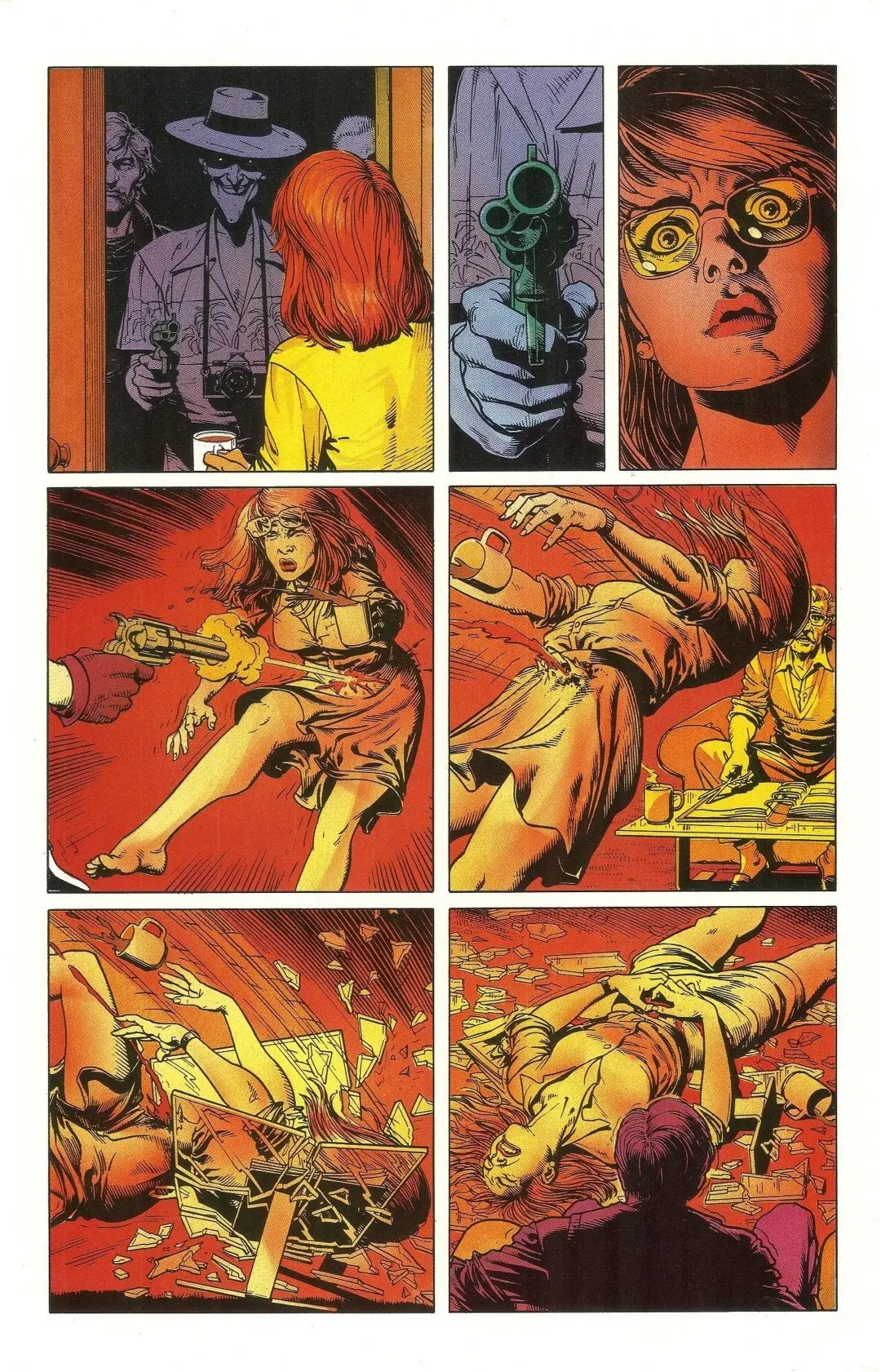
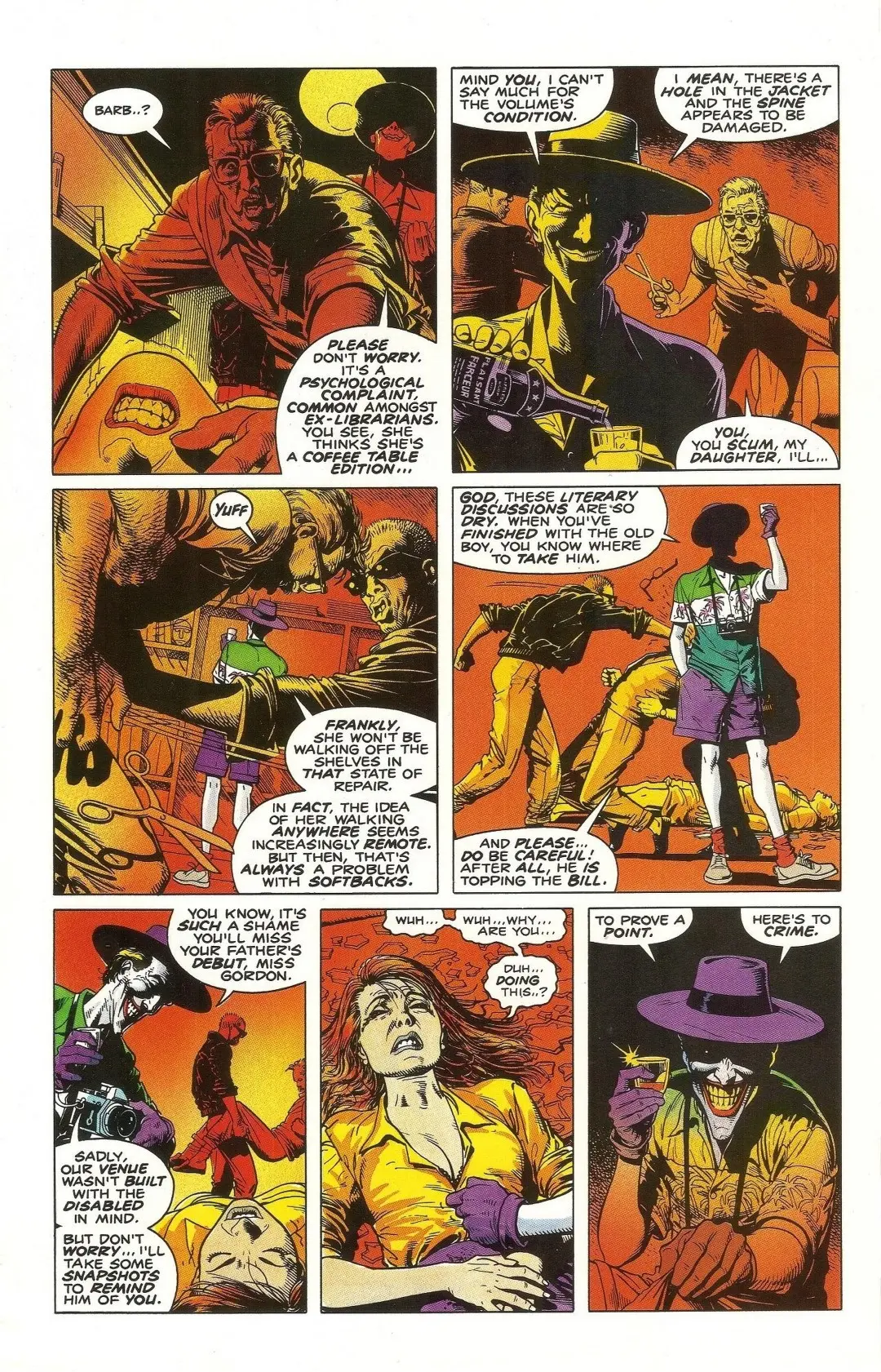
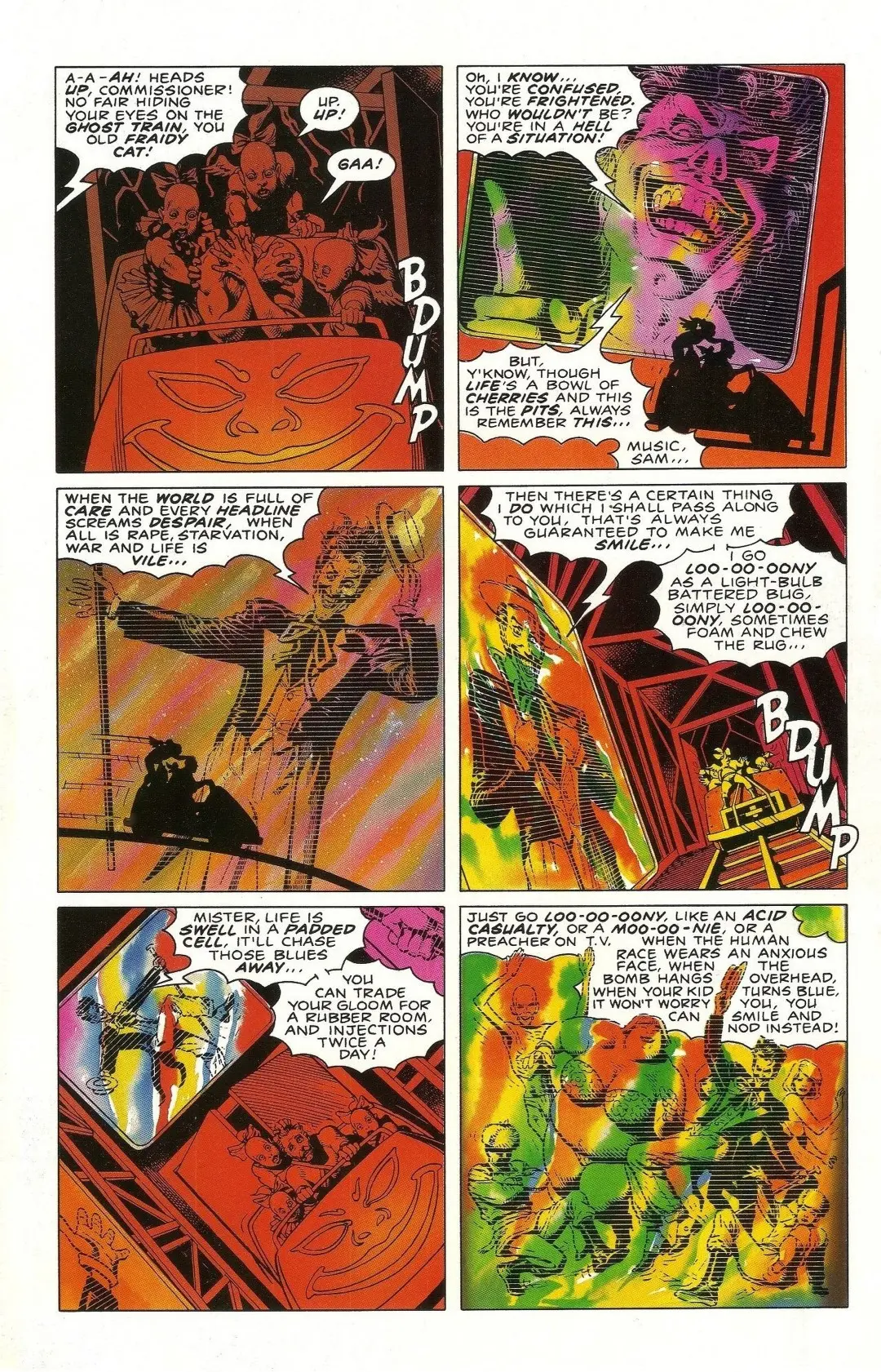
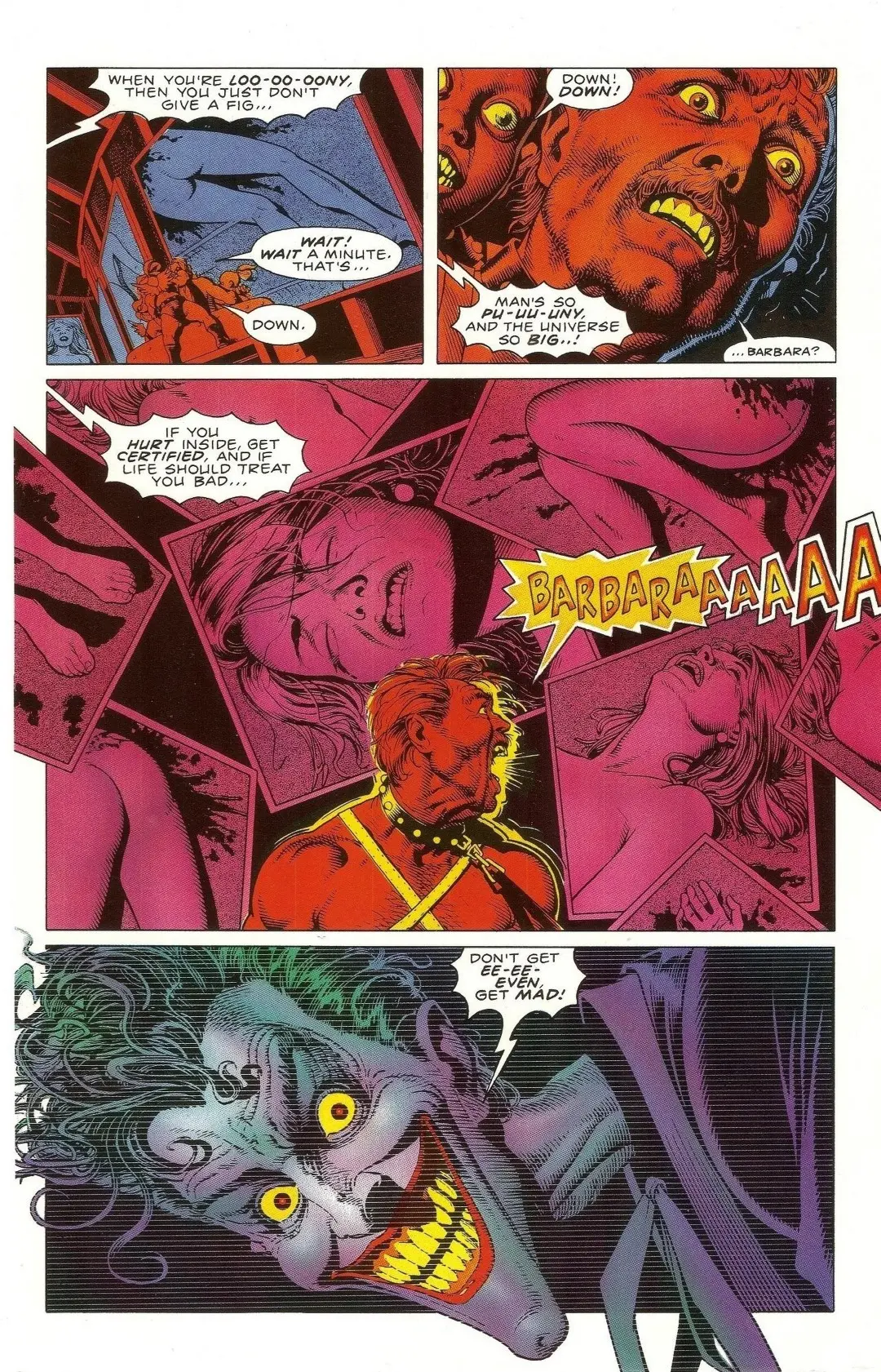
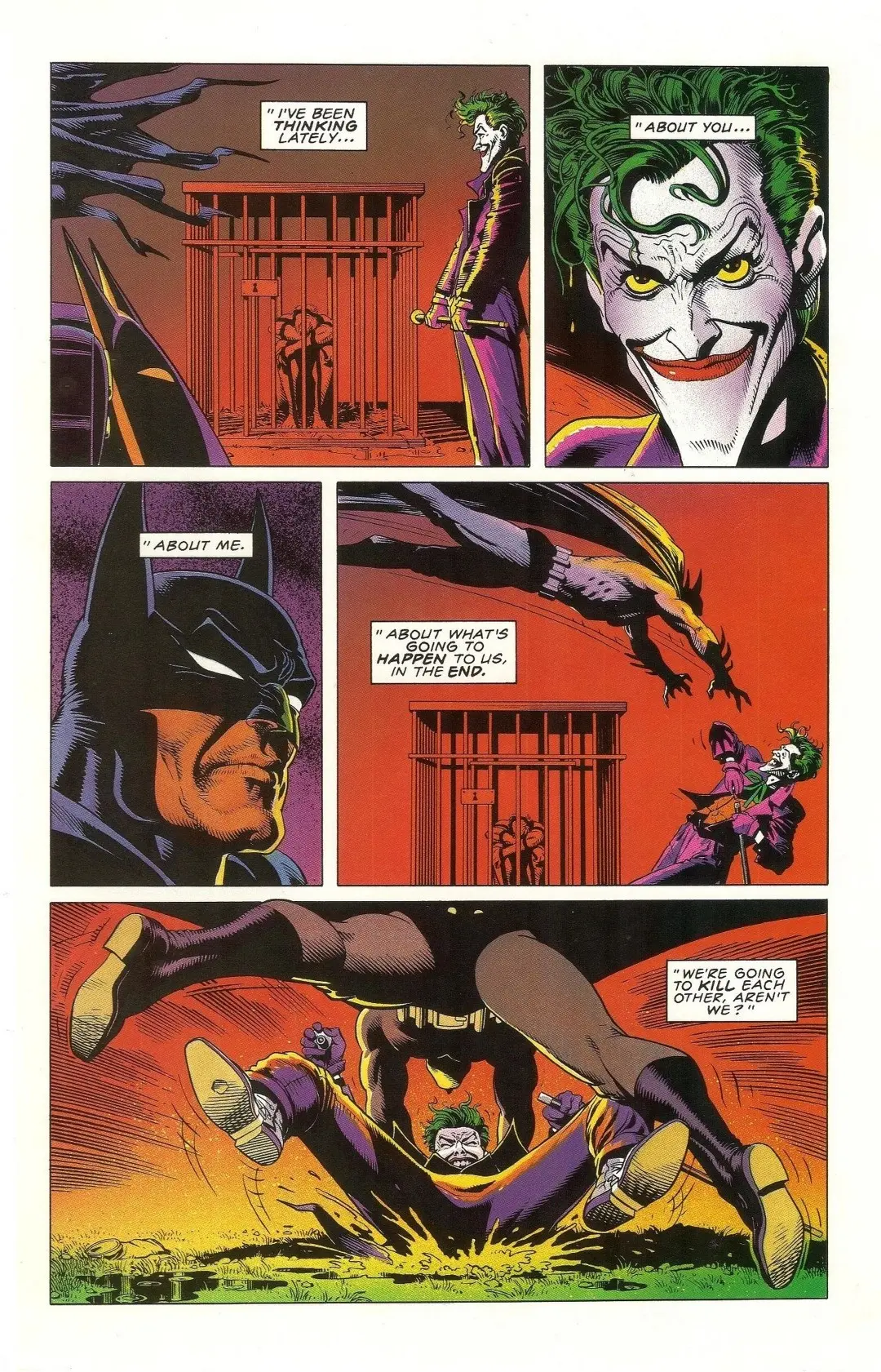
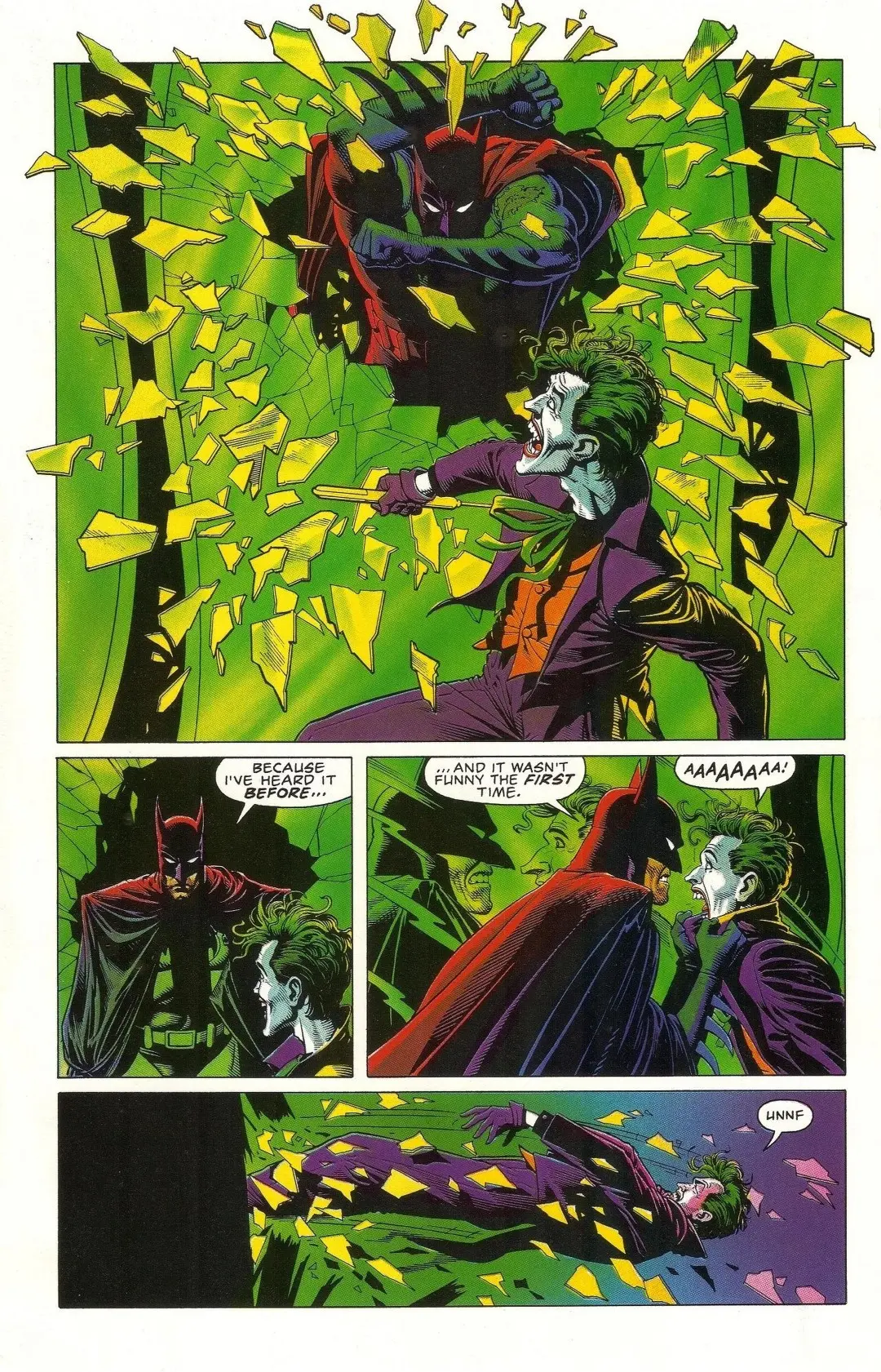
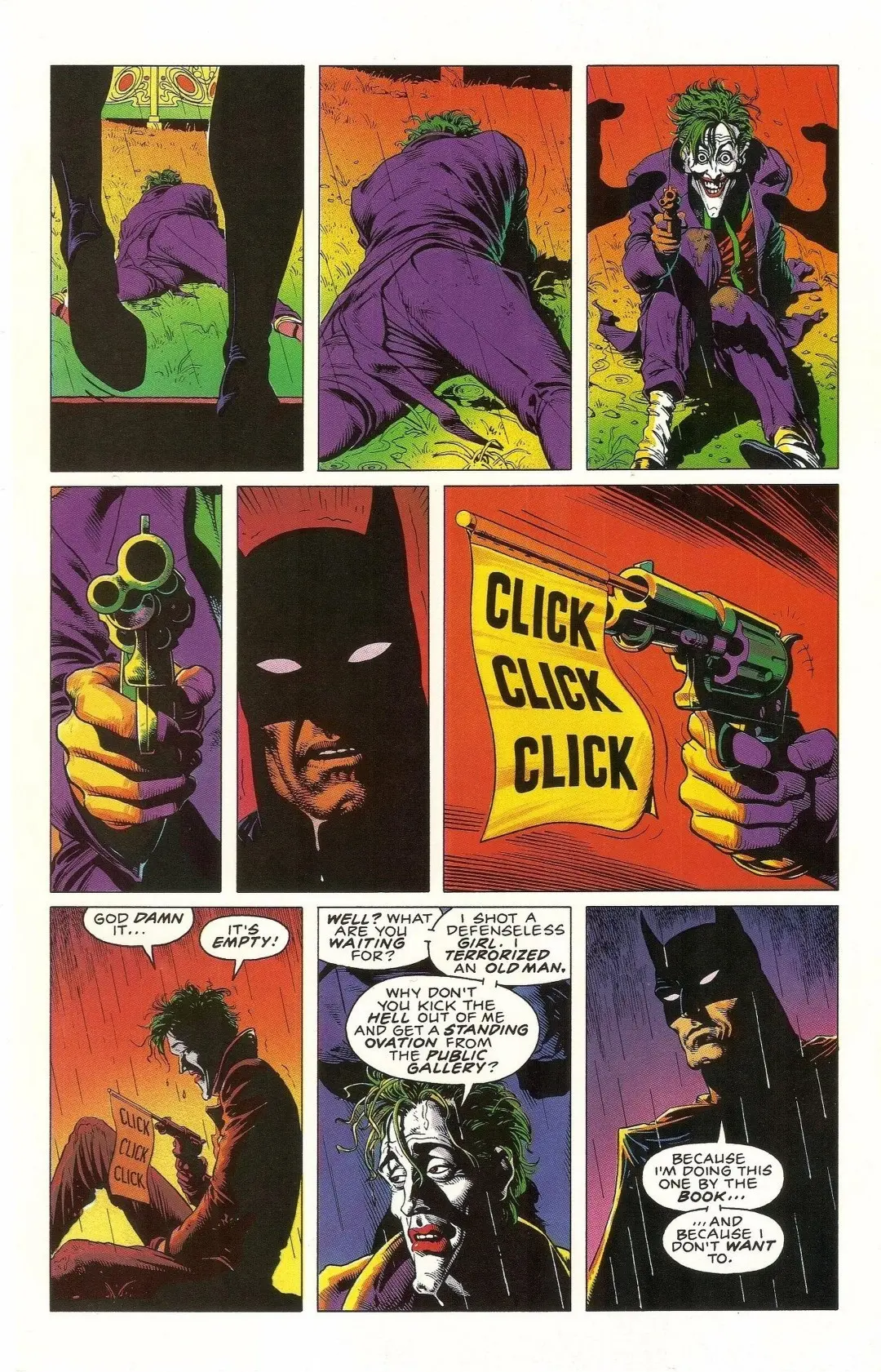
The visual storytelling in Batman The Killing Joke (1988) reaches heights that have influenced generations of artists who followed. The use of flashback sequences rendered in softer, almost nostalgic style contrasts brutally with the harsh present, emphasizing how memory softens edges that reality keeps sharp. Images from Batman The Killing Joke (1988) have become seared into collective consciousness, the Joker’s grin frozen mid-laugh, Barbara Gordon’s fall frozen mid-scream, Batman’s hands reaching frozen mid-grasp toward what he cannot save. This artistic achievement transforms panels into icons that carry meaning beyond their immediate narrative context.
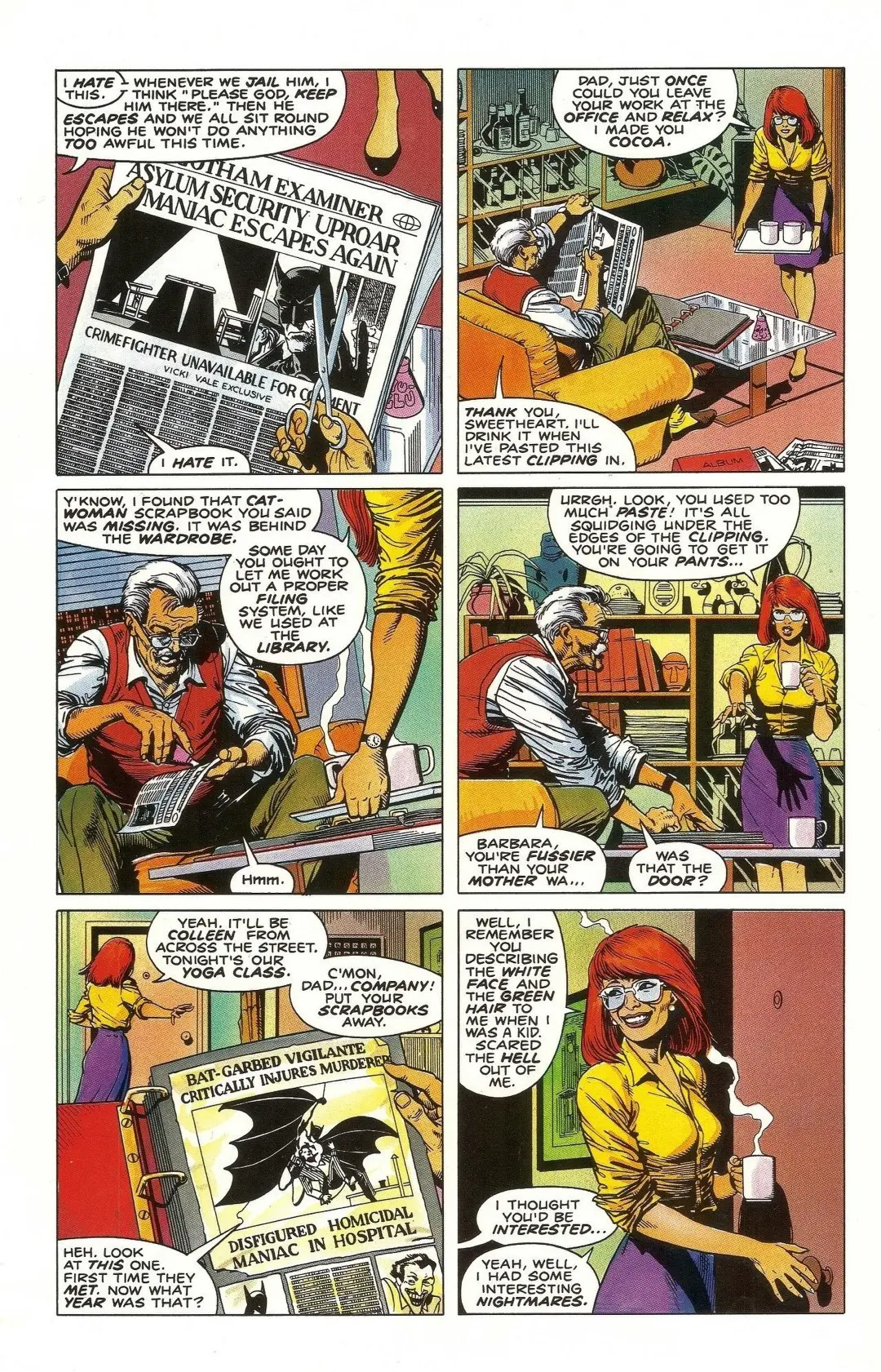
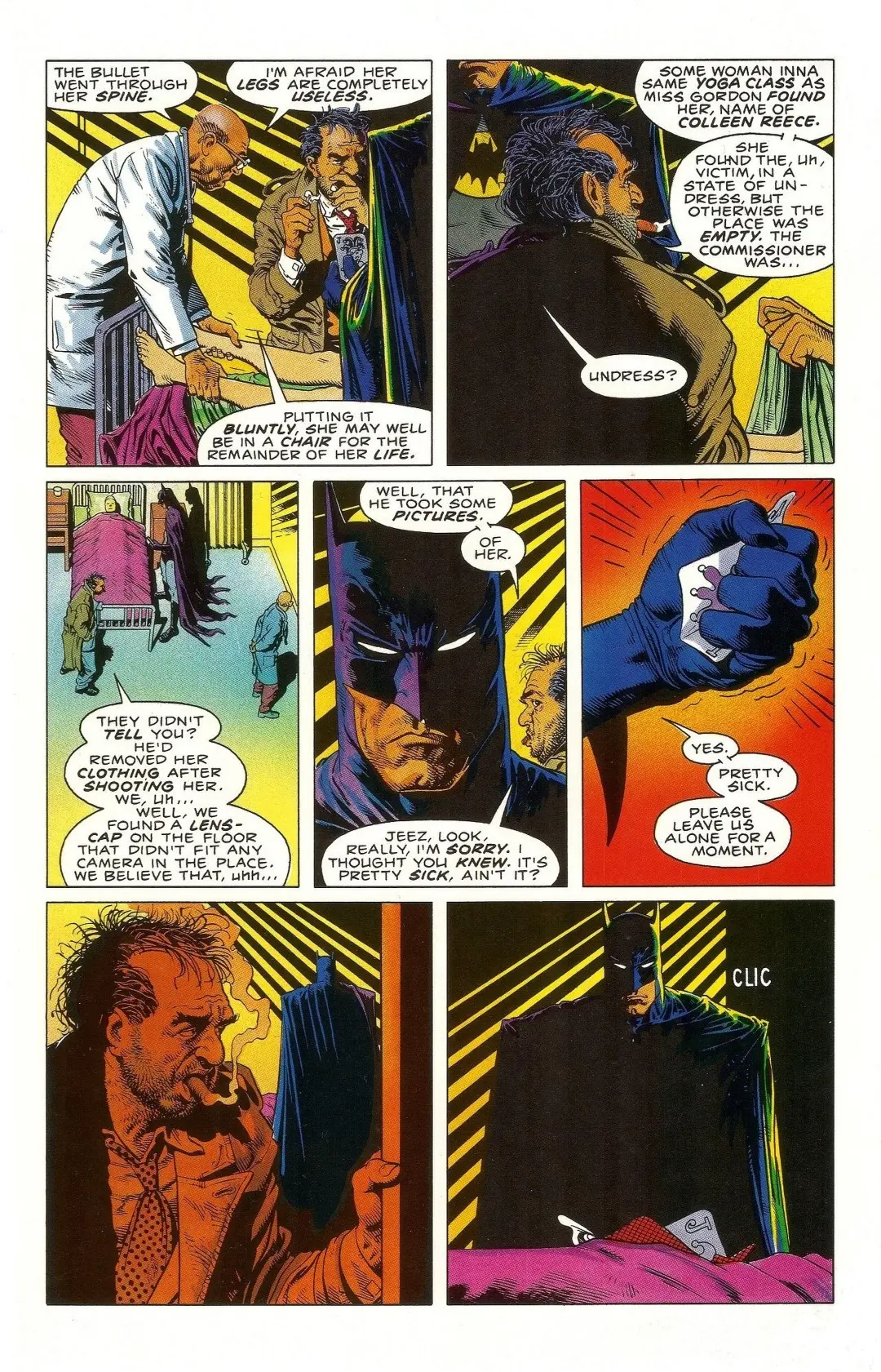
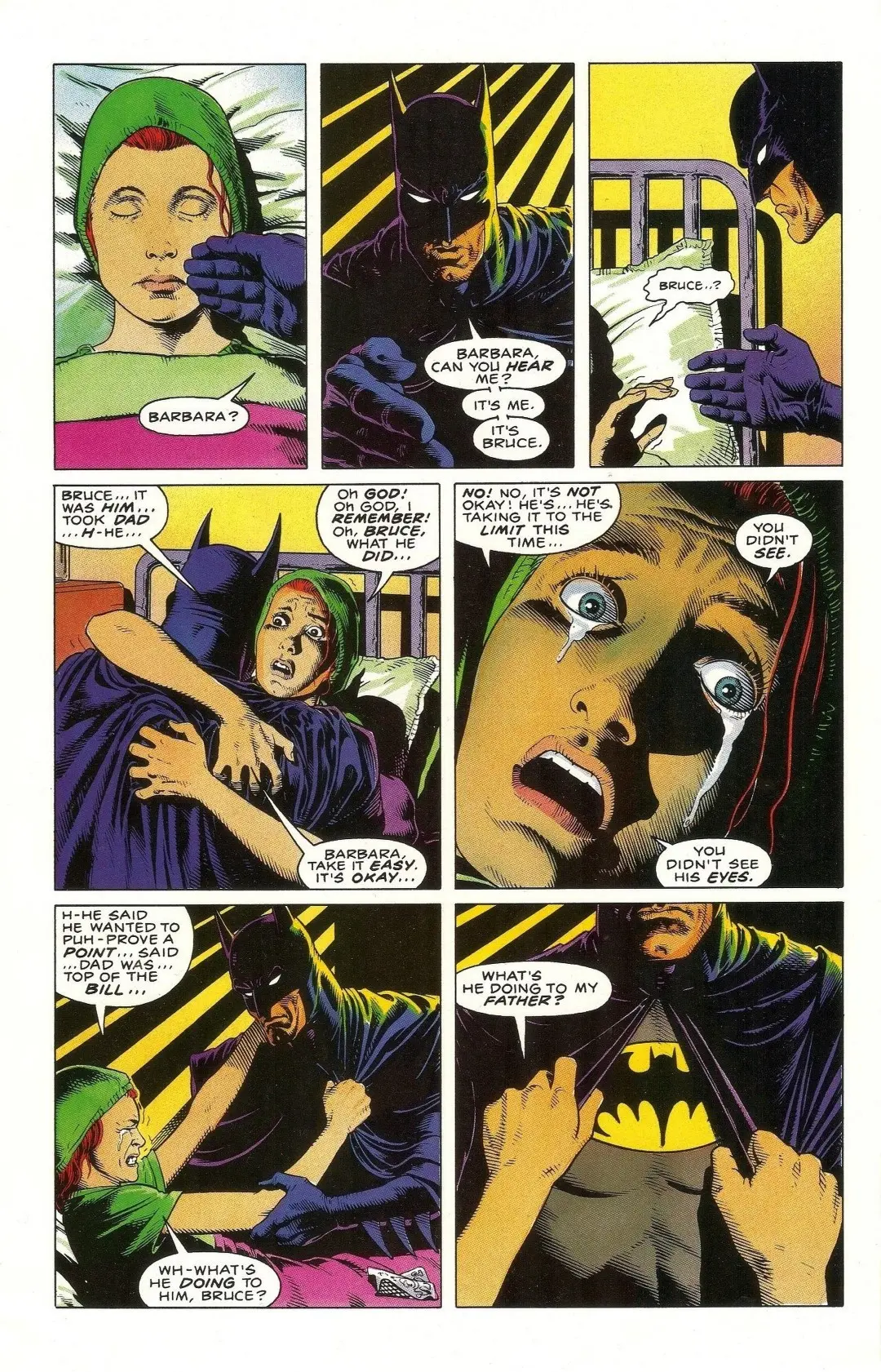
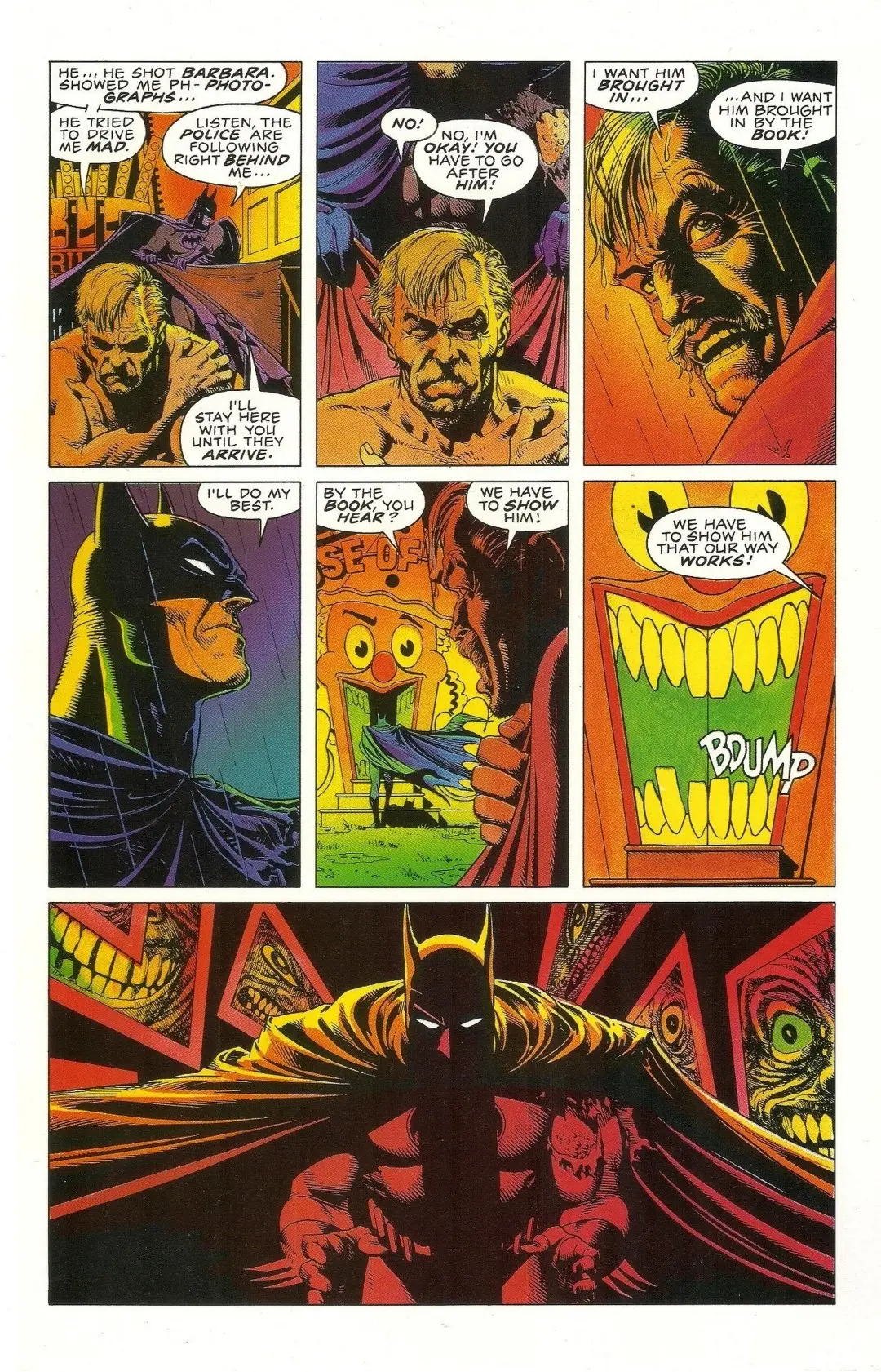
The character of Barbara Gordon receives treatment in Batman The Killing Joke (1988) that has generated decades of discussion and debate. Her role in the narrative, the violence done to her, and her subsequent absence from much of the story raise questions about the use of female characters as vehicles for male trauma that continue to resonate in critical conversations. Yet even within these problematic elements, Batman The Killing Joke (1988) presents moments of Barbara’s strength that would later blossom into her most significant identity as Oracle, suggesting that survival and transformation remain possible even after the worst imaginable violation.
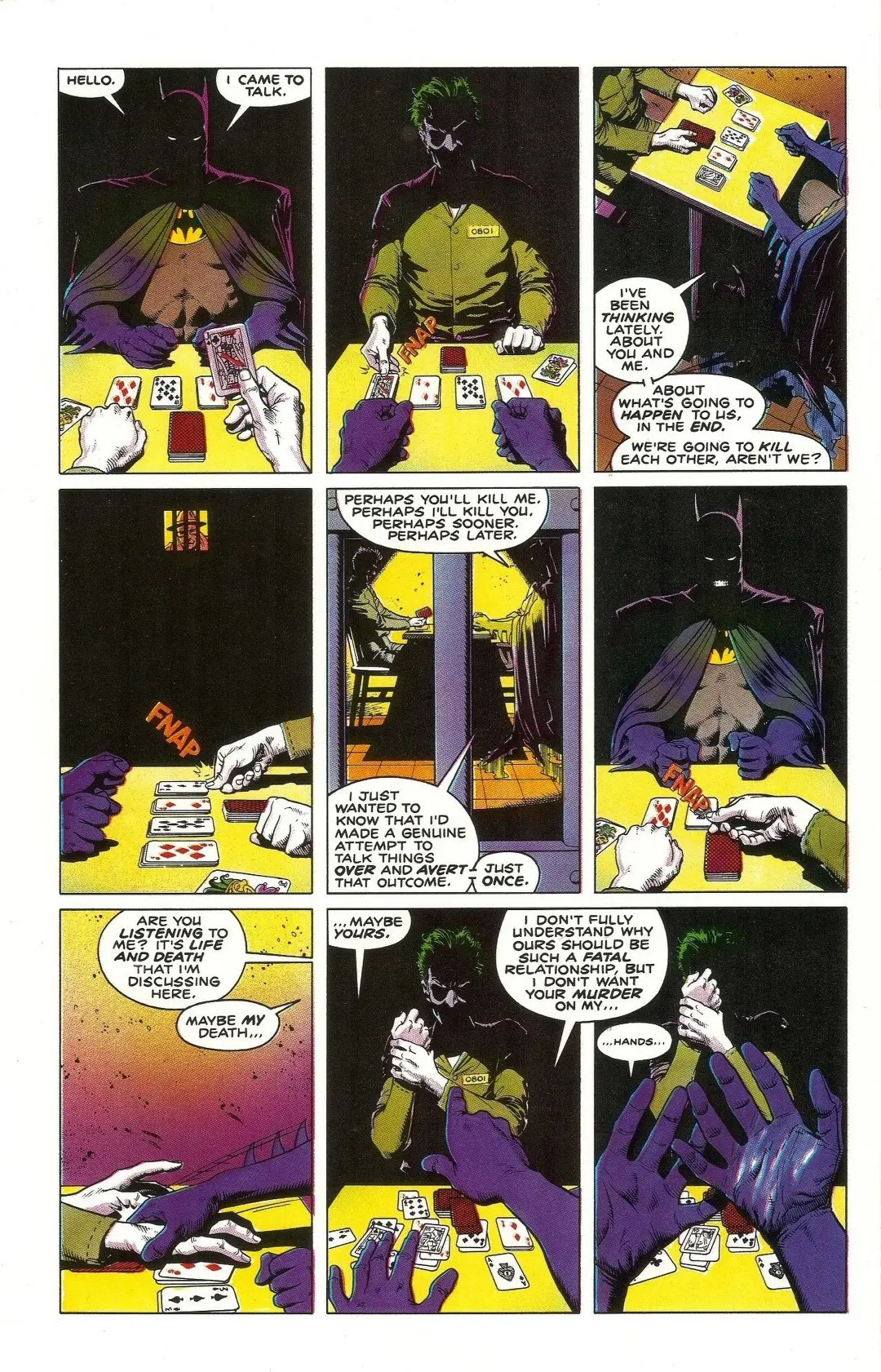
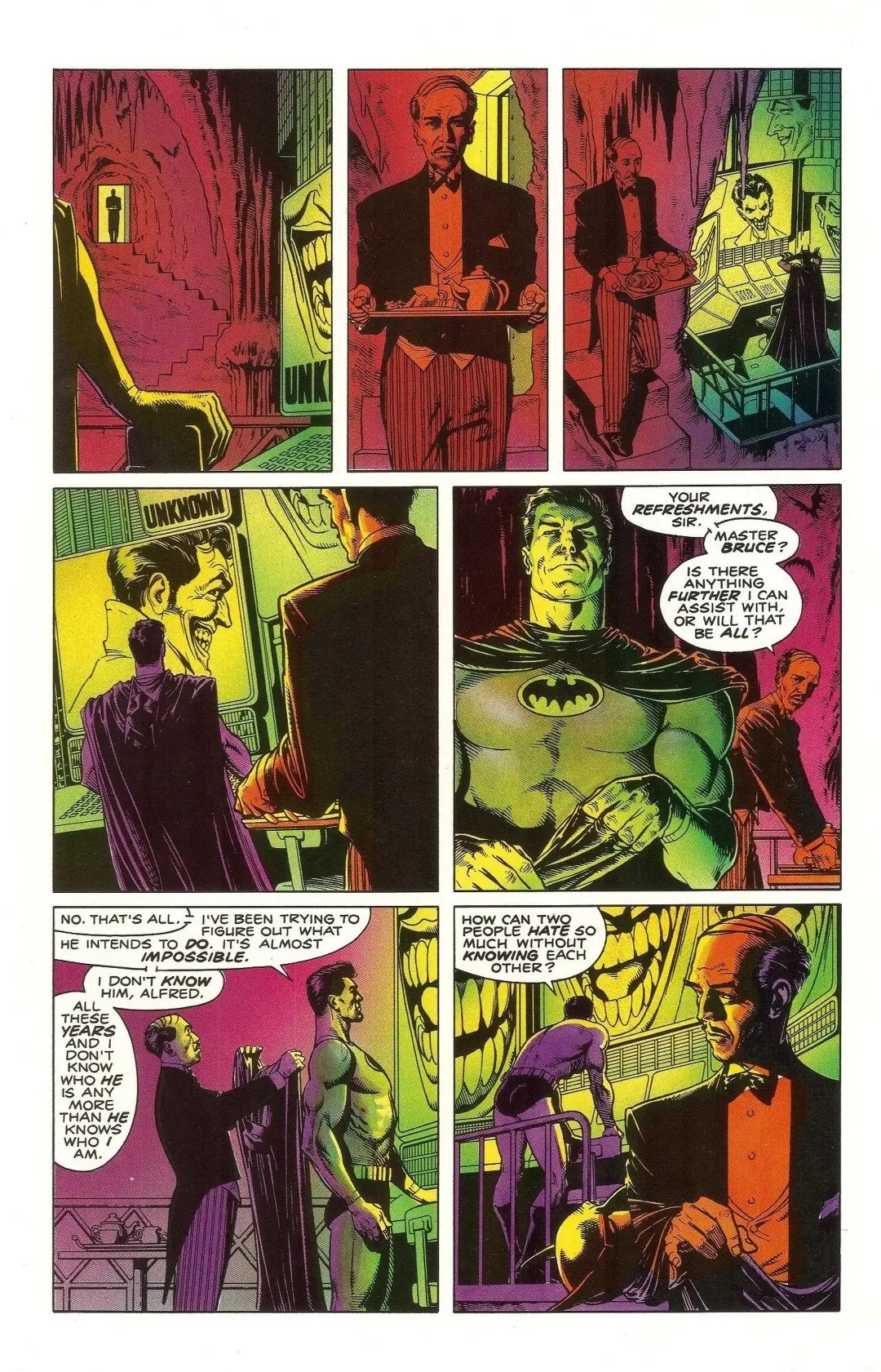
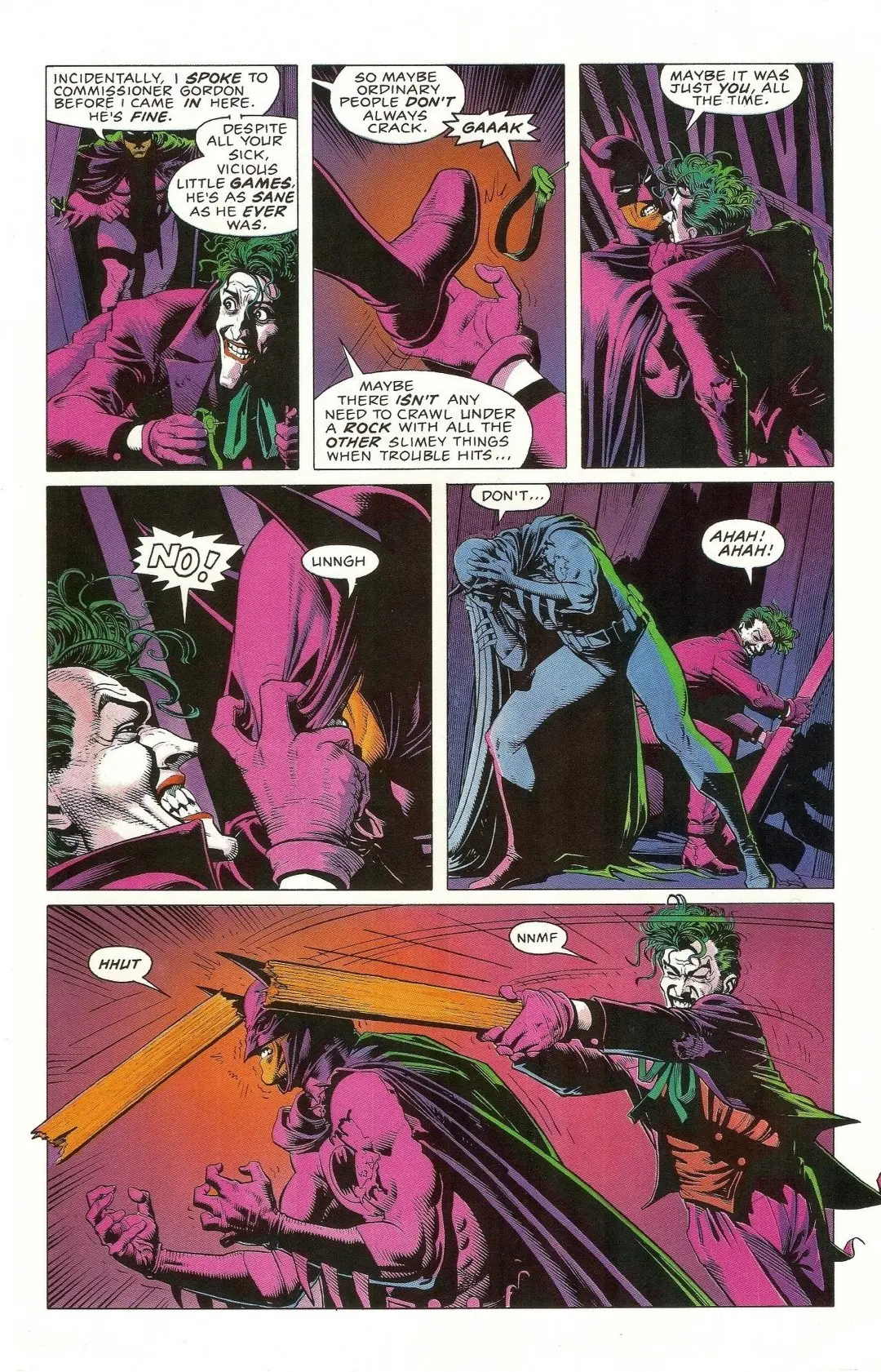
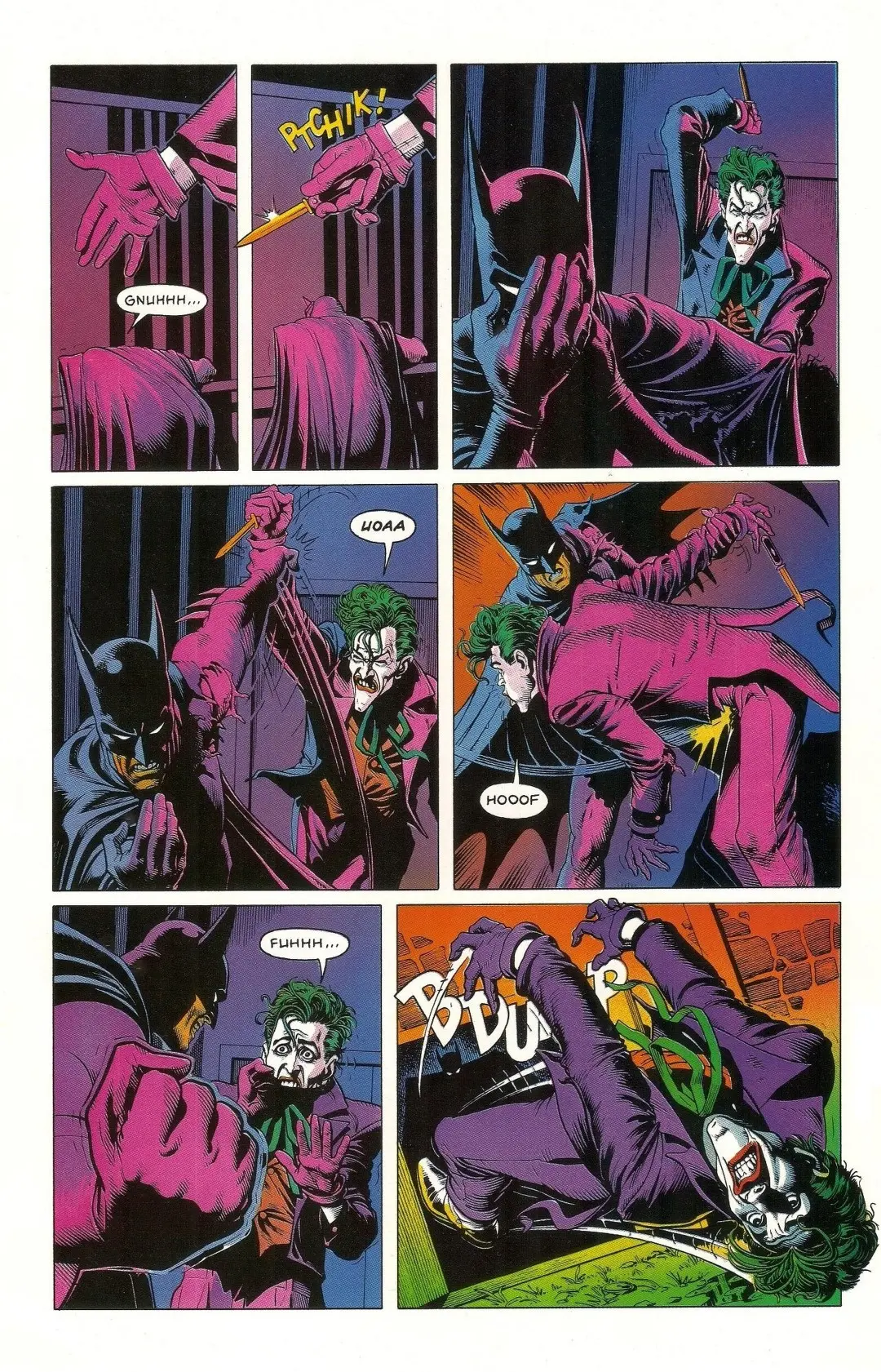
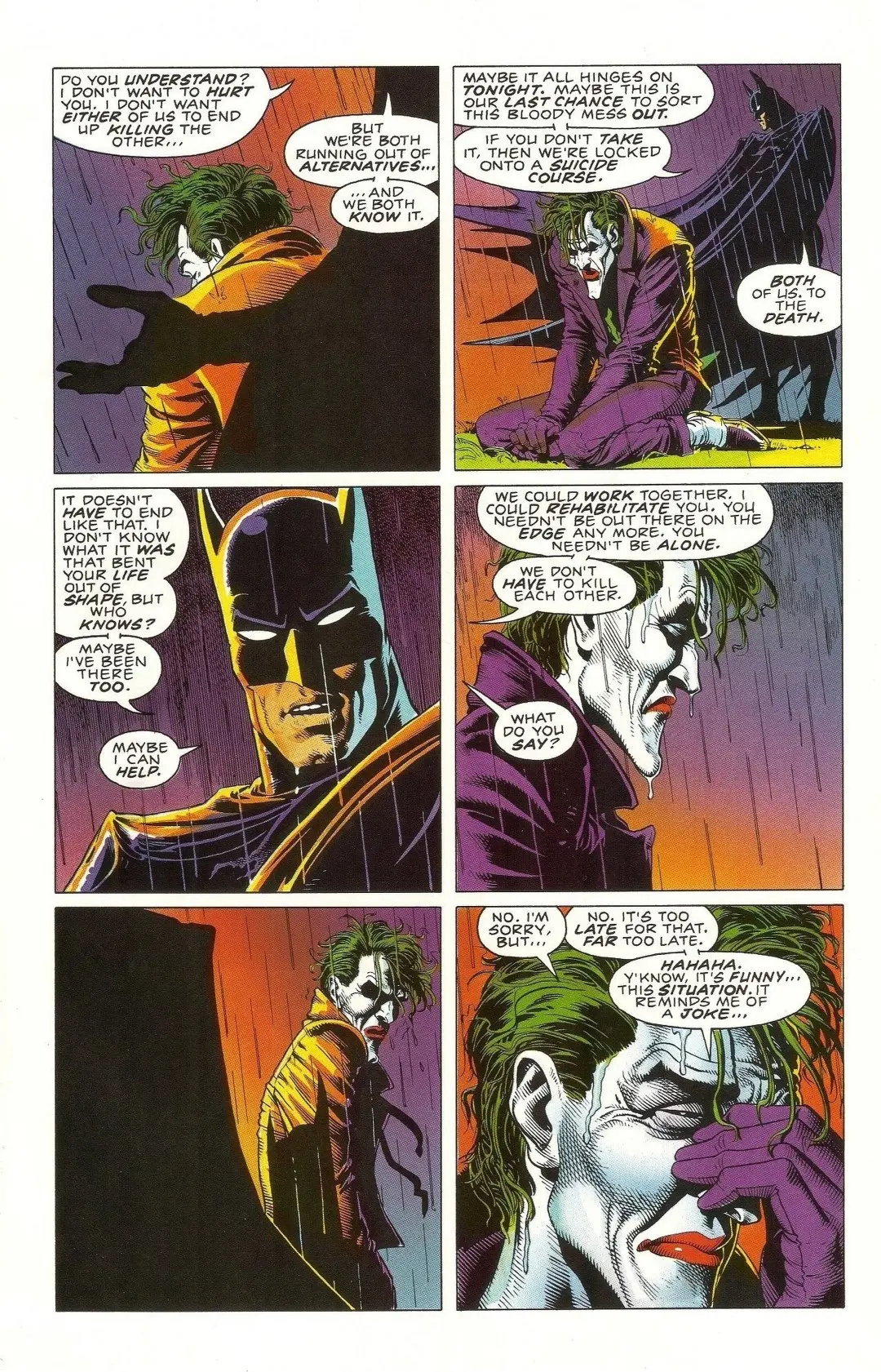
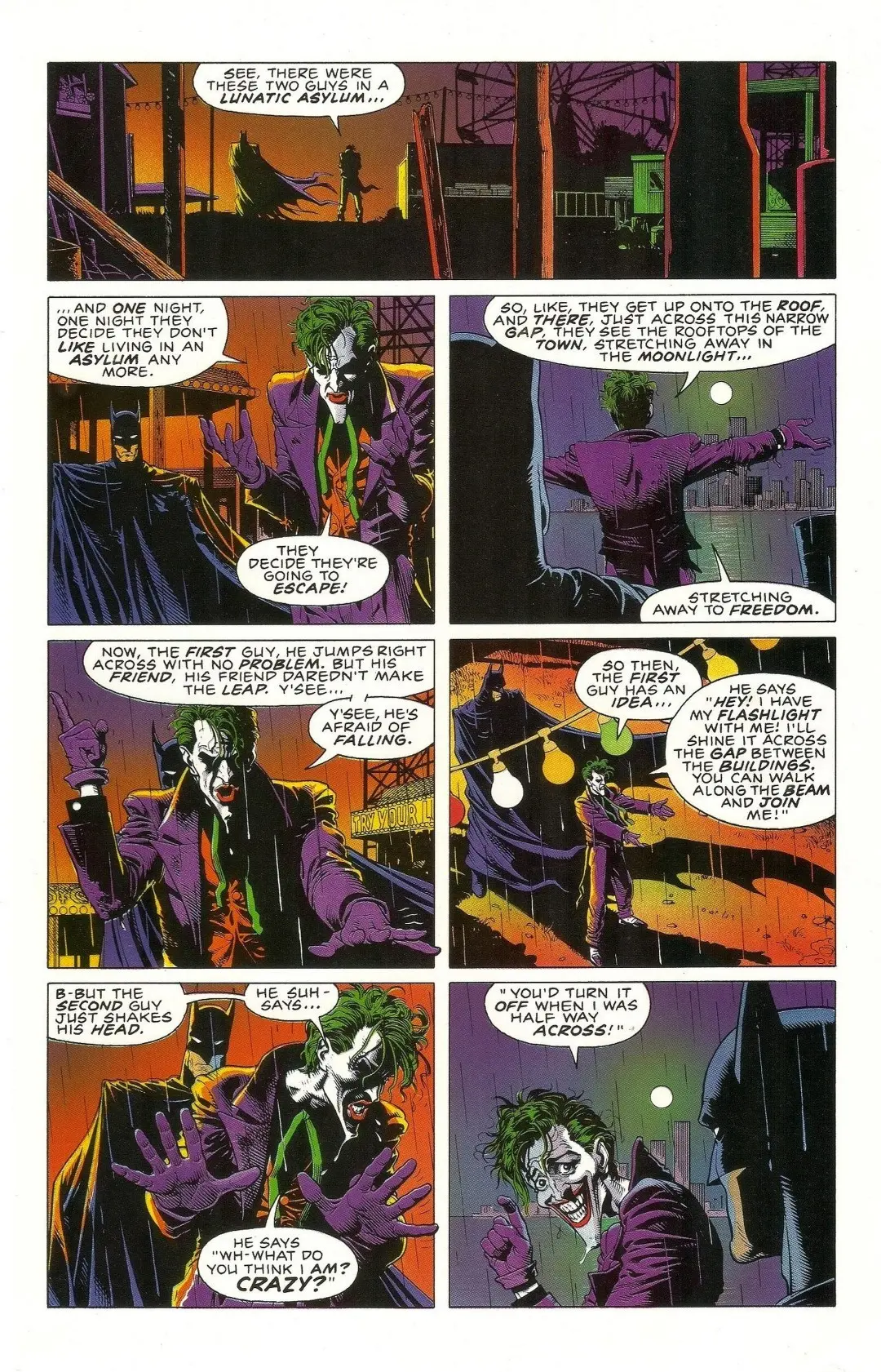
The relationship between Batman and Joker reaches its most concentrated expression in Batman The Killing Joke (1988), stripped of supporting characters and subplots to focus on the essential dynamic that defines both. They are presented as opposites who mirror each other, darkness and chaos versus darkness and order, each defined by response to trauma that could have broken either. The final conversation between them in Batman The Killing Joke (1988) offers possibility of connection, of understanding, even of redemption, before undercutting that possibility in ways that have haunted readers ever since.
The philosophical heart of Batman The Killing Joke (1988) grapples with questions that have no comfortable answers. Is madness chosen or inflicted? Can anyone truly know where their breaking point lies? Does civilization rest on fragile consensus that any shock could shatter? These questions in Batman The Killing Joke (1988) are not answered because they cannot be answered, and the narrative’s refusal to provide resolution respects their complexity while acknowledging that some questions must be lived with rather than solved.
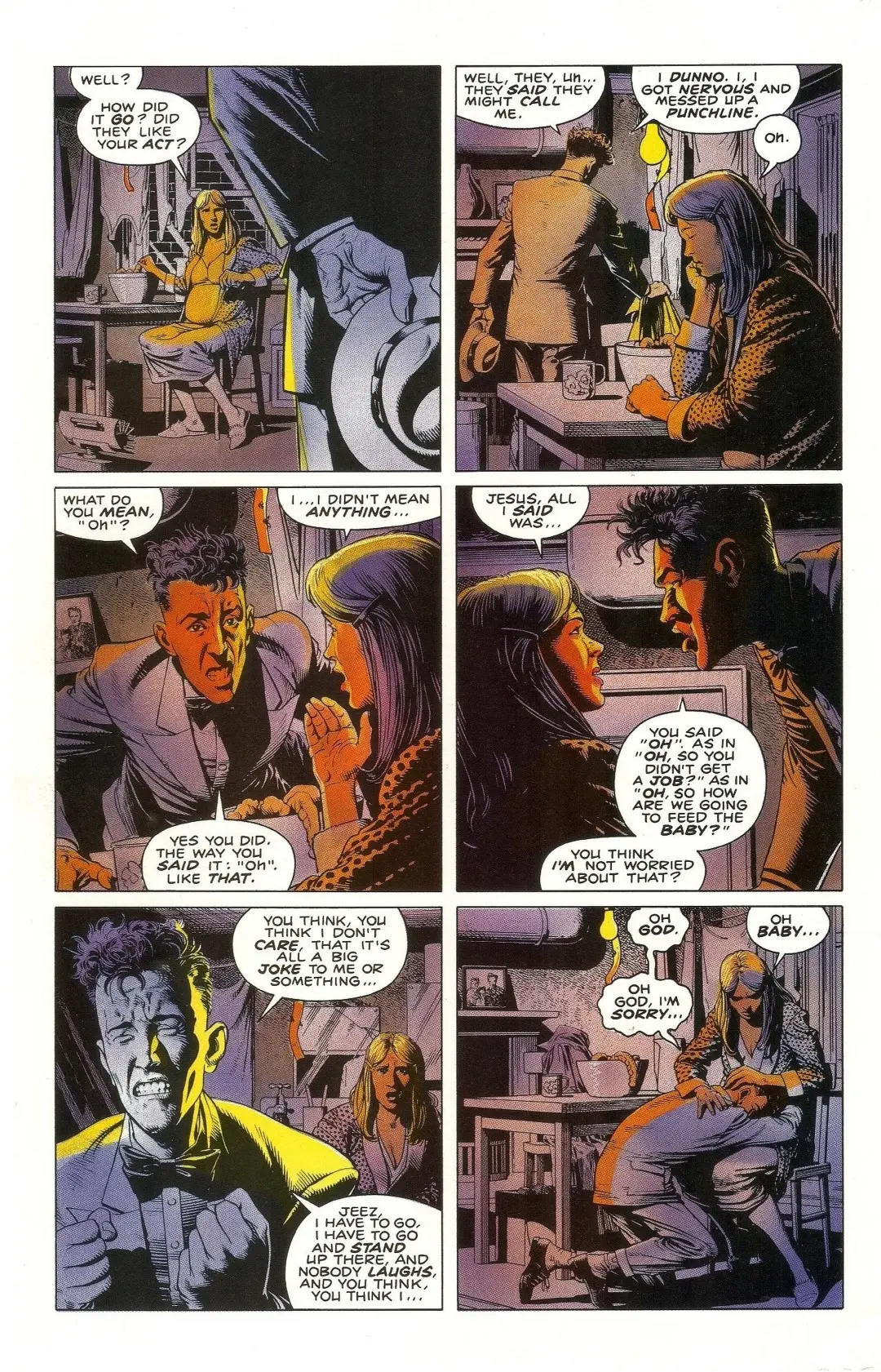
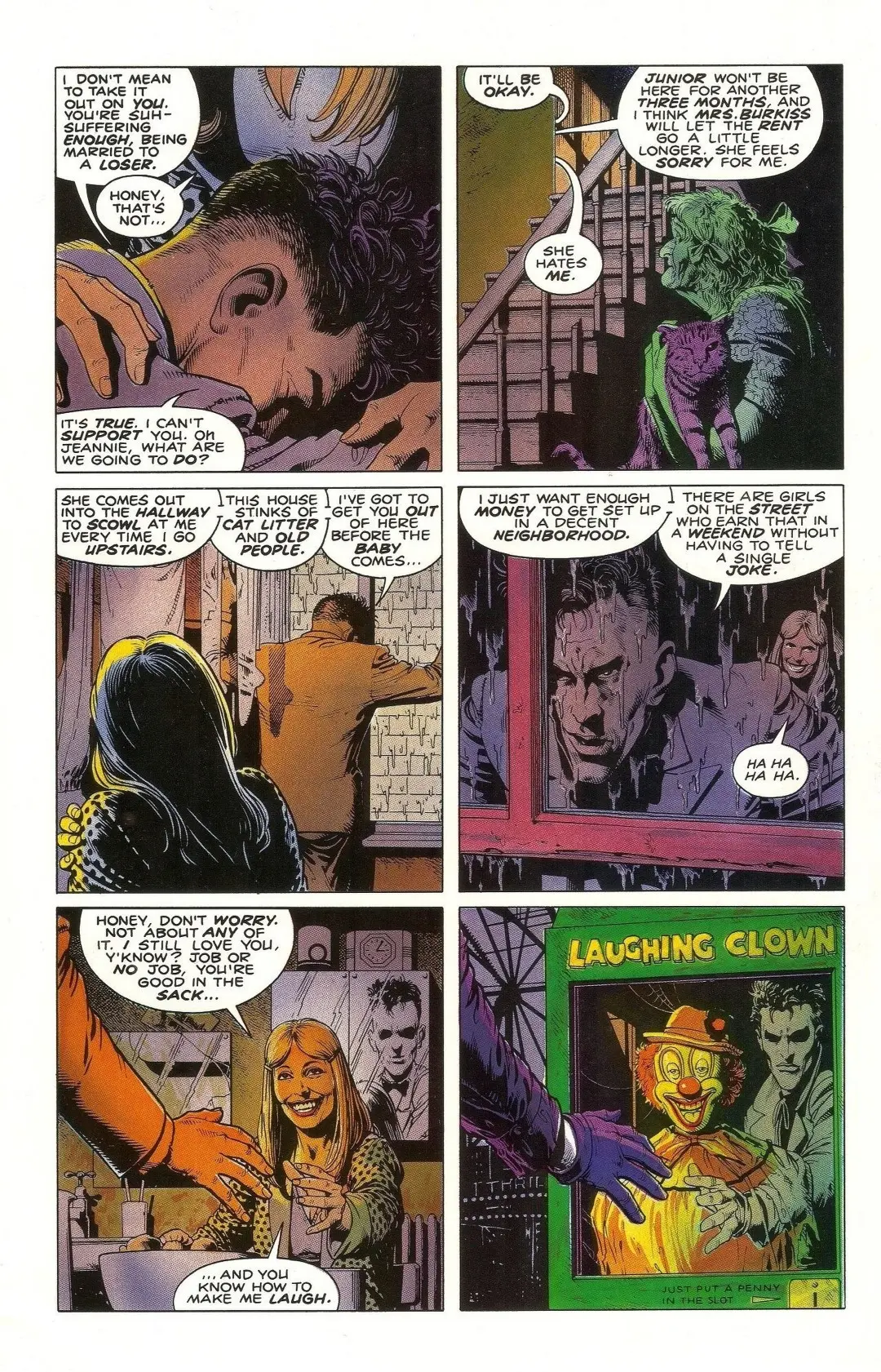
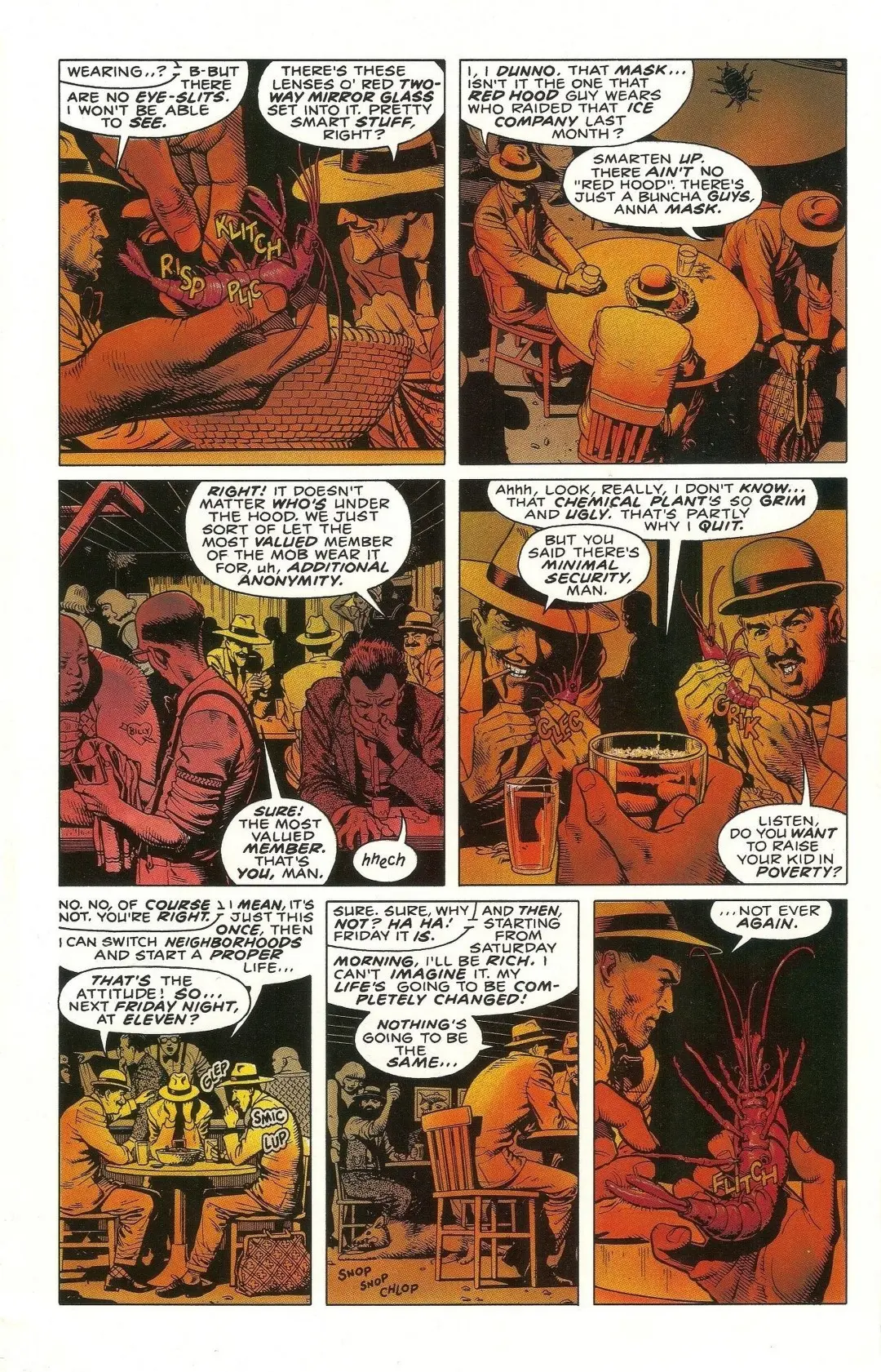
The middle section of Batman The Killing Joke (1988) featuring the Joker’s extended monologue about his past represents some of the most powerful writing in comic book history. His account of failed comedian, desperate husband, tragic accident, and final break with sanity carries emotional weight that makes his subsequent villainy more disturbing rather than less. By showing us the man he might have been, Batman The Killing Joke (1988) forces recognition that monsters are not born fully formed but created through accumulation of moments that push ordinary people past limits they never knew they had.
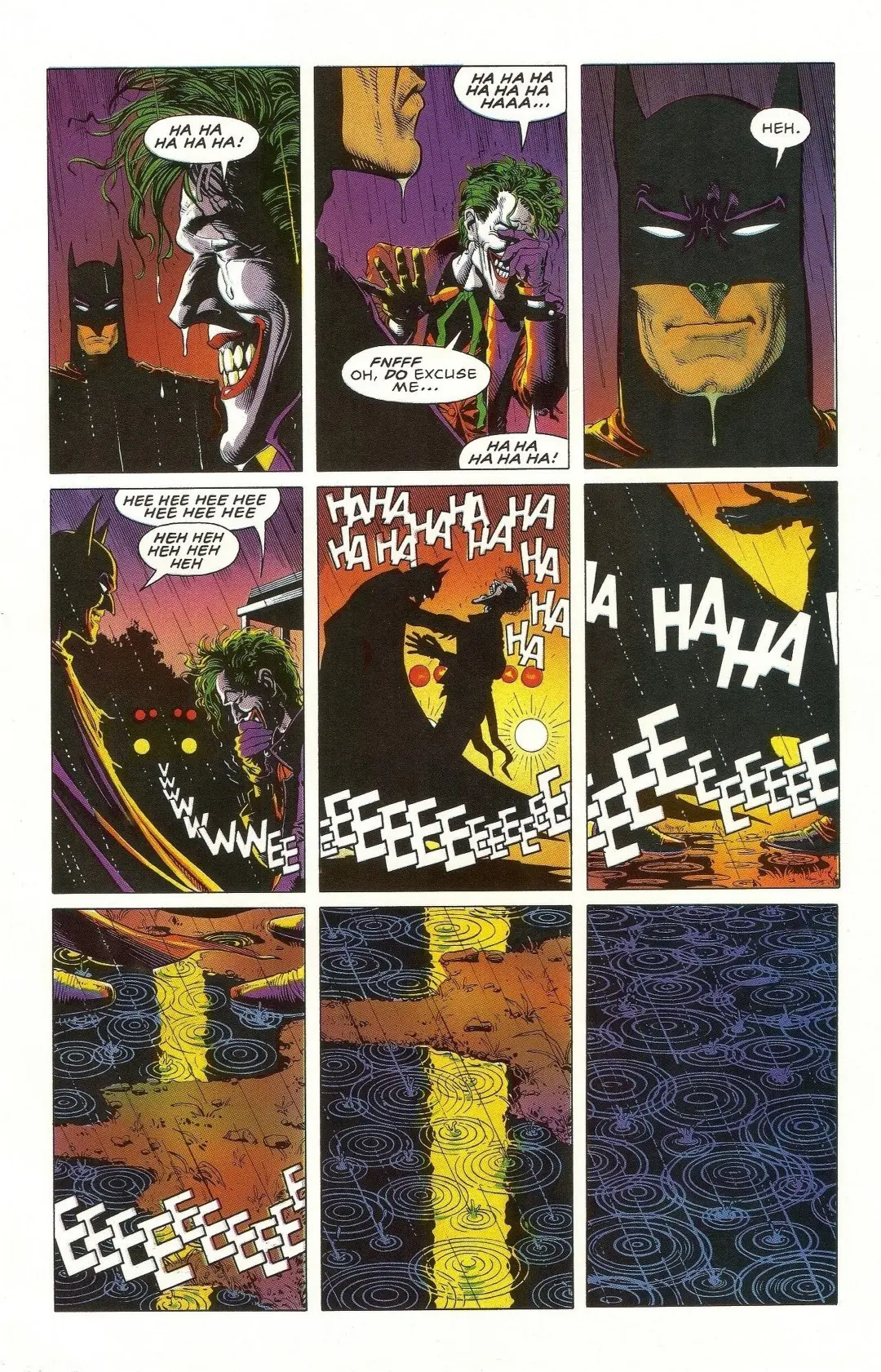
The theme of laughter receives sustained examination throughout Batman The Killing Joke (1988), presented as both symptom and weapon, both response to horror and cause of it. The Joker’s laughter is never simply amusement but always also assertion of power, denial of pain, refusal to acknowledge that anything matters enough to mourn. Yet Batman The Killing Joke (1988) also shows laughter that might be different, the shared laughter at the end that could mean understanding or could mean surrender, the ambiguity of which has kept readers debating for decades.
The character of Commissioner Gordon emerges as unexpected moral center in Batman The Killing Joke (1988), his response to trauma serving as counterpoint to both Batman’s brooding and Joker’s madness. He refuses to break, refuses to hate, refuses to let violation define him. In Batman The Killing Joke (1988), Gordon’s insistence on maintaining order, on continuing to believe in the systems the Joker seeks to destroy, becomes quiet heroism that outshines more dramatic actions.
The final pages of Batman The Killing Joke (1988) offer an ending so ambiguous that readers still debate its meaning decades later. Batman reaches toward Joker, not to strike but perhaps to connect, and Joker responds with a joke that might be surrender or might be final assertion of his worldview. The laughter they share in Batman The Killing Joke (1988) could be understanding or madness, connection or collapse, and the narrative refuses to tell us which. The closing image of rain falling on empty fairgrounds suggests that whatever happened between them, the world continues in oblivious indifference to the dramas played out in its shadows.
In conclusion, Batman The Killing Joke (1988) stands as one of the most important works in comic book history, a narrative that pushed the medium toward adult complexity while raising questions about violence, trauma, and the nature of evil that continue to resonate. Its influence extends far beyond Batman stories into every corner of popular culture, yet its power derives not from influence but from its willingness to sit with darkness without flinching. For readers approaching it for the first time, Batman The Killing Joke (1988) offers experience that will linger long after final page. For those returning after years away, Batman The Killing Joke (1988) reveals new depths with each reading. Read Free Comics Online recommends this work to anyone who believes that the best stories about heroes are ultimately about the darkness they face both outside and within. The joke may be on all of us, but Batman The Killing Joke (1988) reminds us that how we respond to that joke defines who we are.
Batman The Killing Joke 1988 Read Free Online






Read Free Comics Online of all comics character on this website with very high-quality images on google free.
Leave a Reply