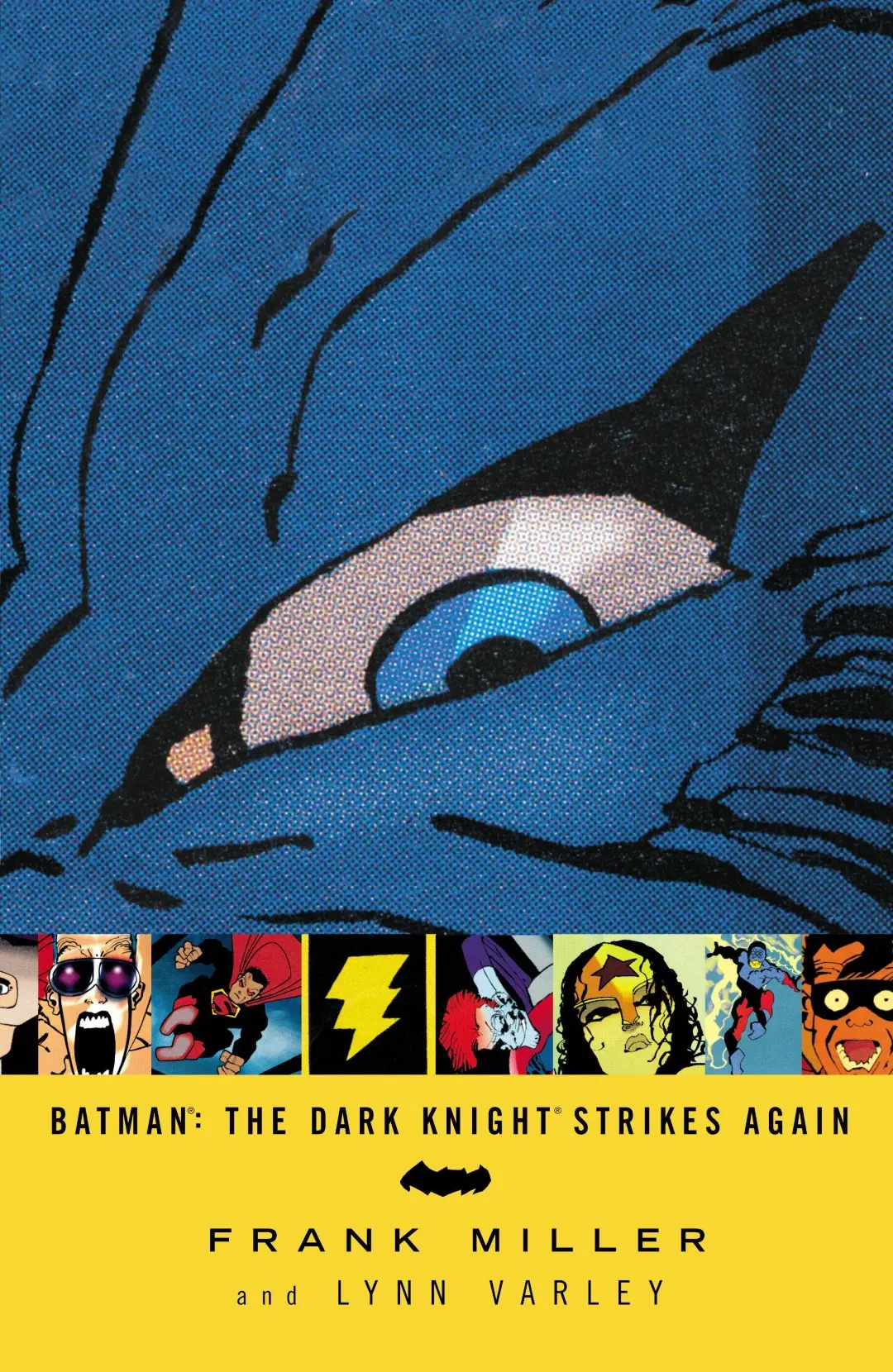
Batman The Dark Knight Strikes Again 3 Issues (2001-2002)
Publisher: DC Comics
Read Free Comics Online Batman The Dark Knight Strikes Again 3 Issues (2001-2002) Read Free Online with very high-quality images on google without any cost, Read Free DC comics online at Read Free comics Online.
Scroll down to read free comics online.
Read Random Issue
Batman The Dark Knight Strikes Again 3 Issues (2001-2002) Read Free DC Comics Online
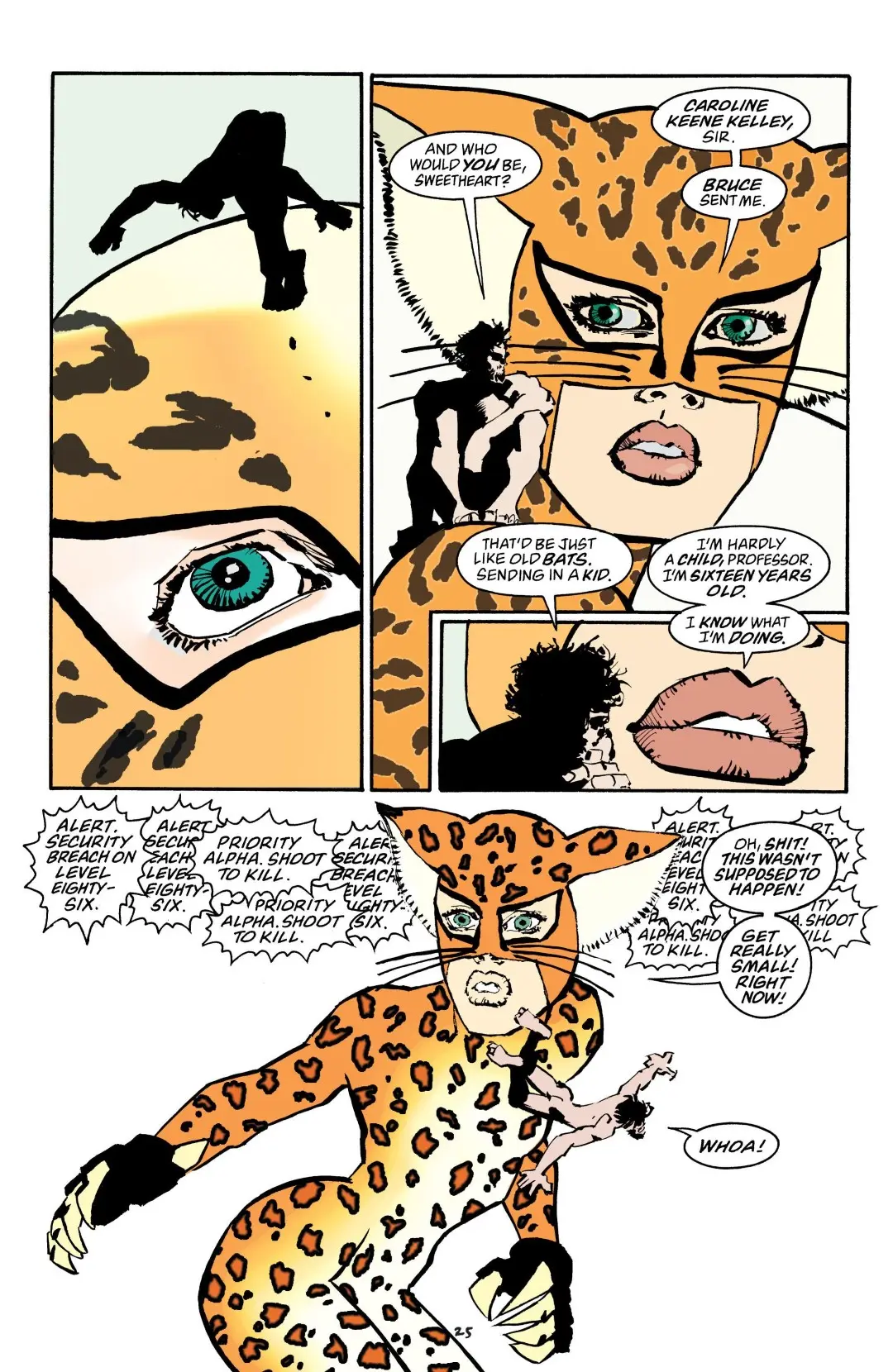
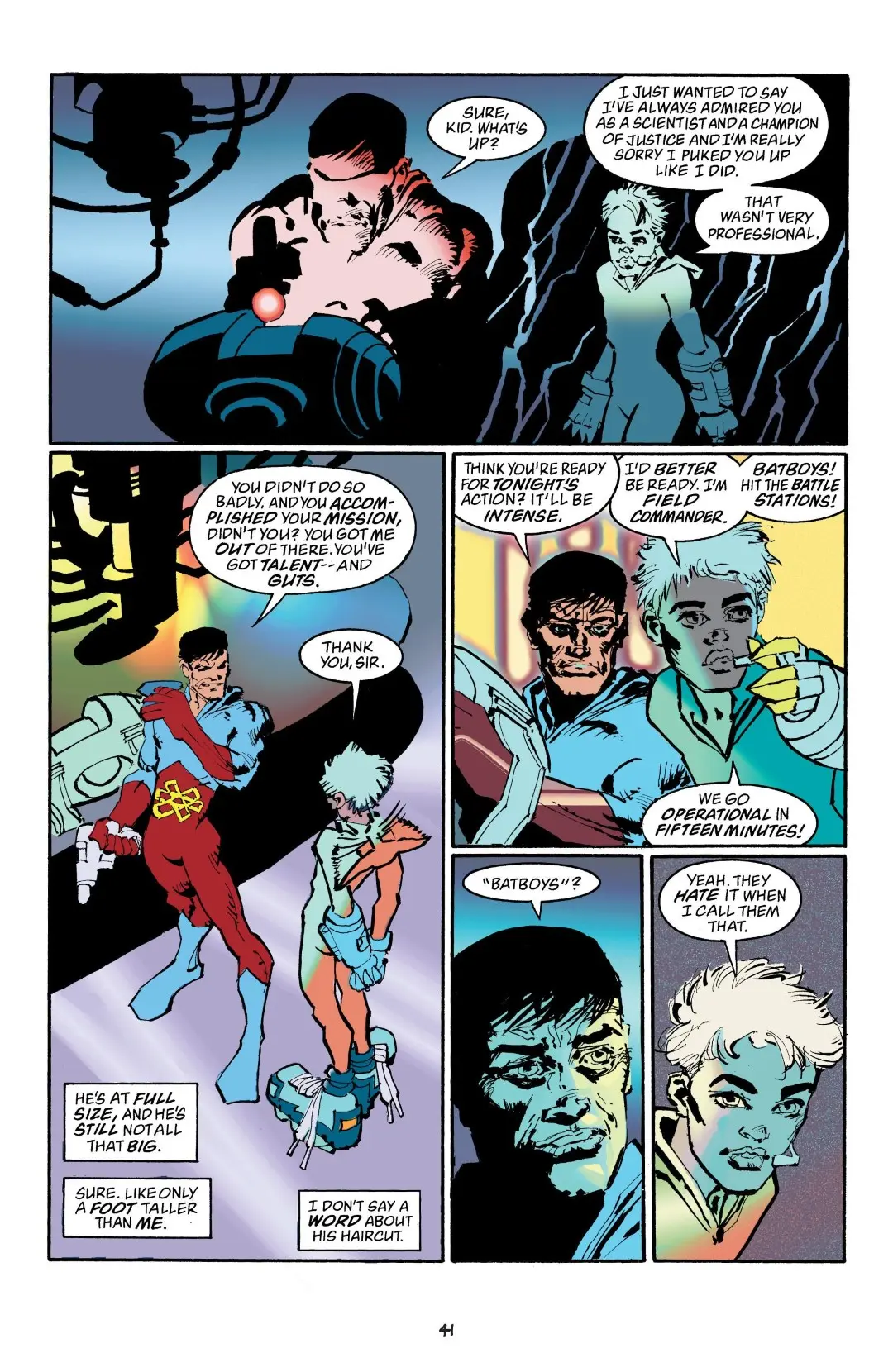
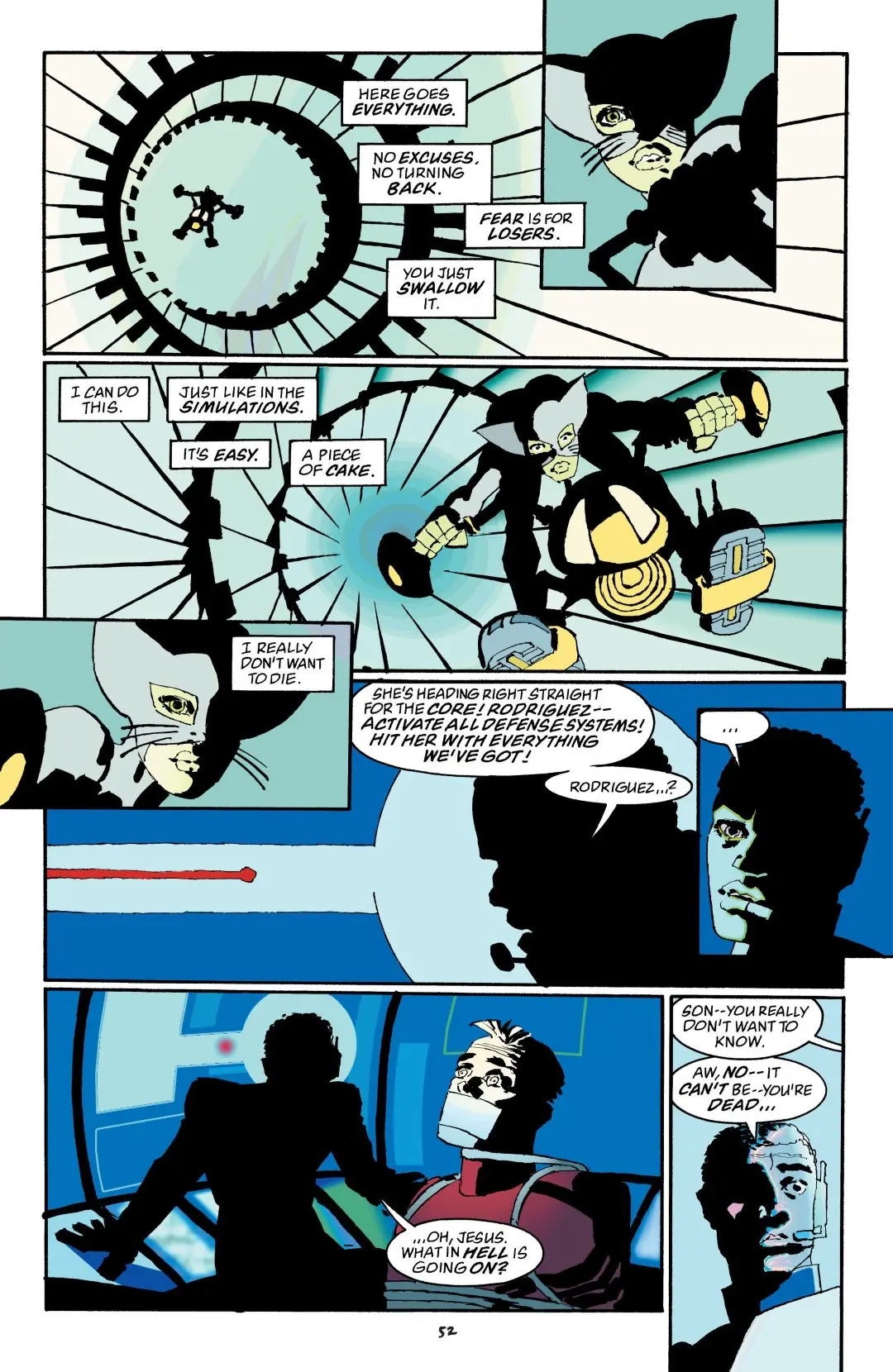
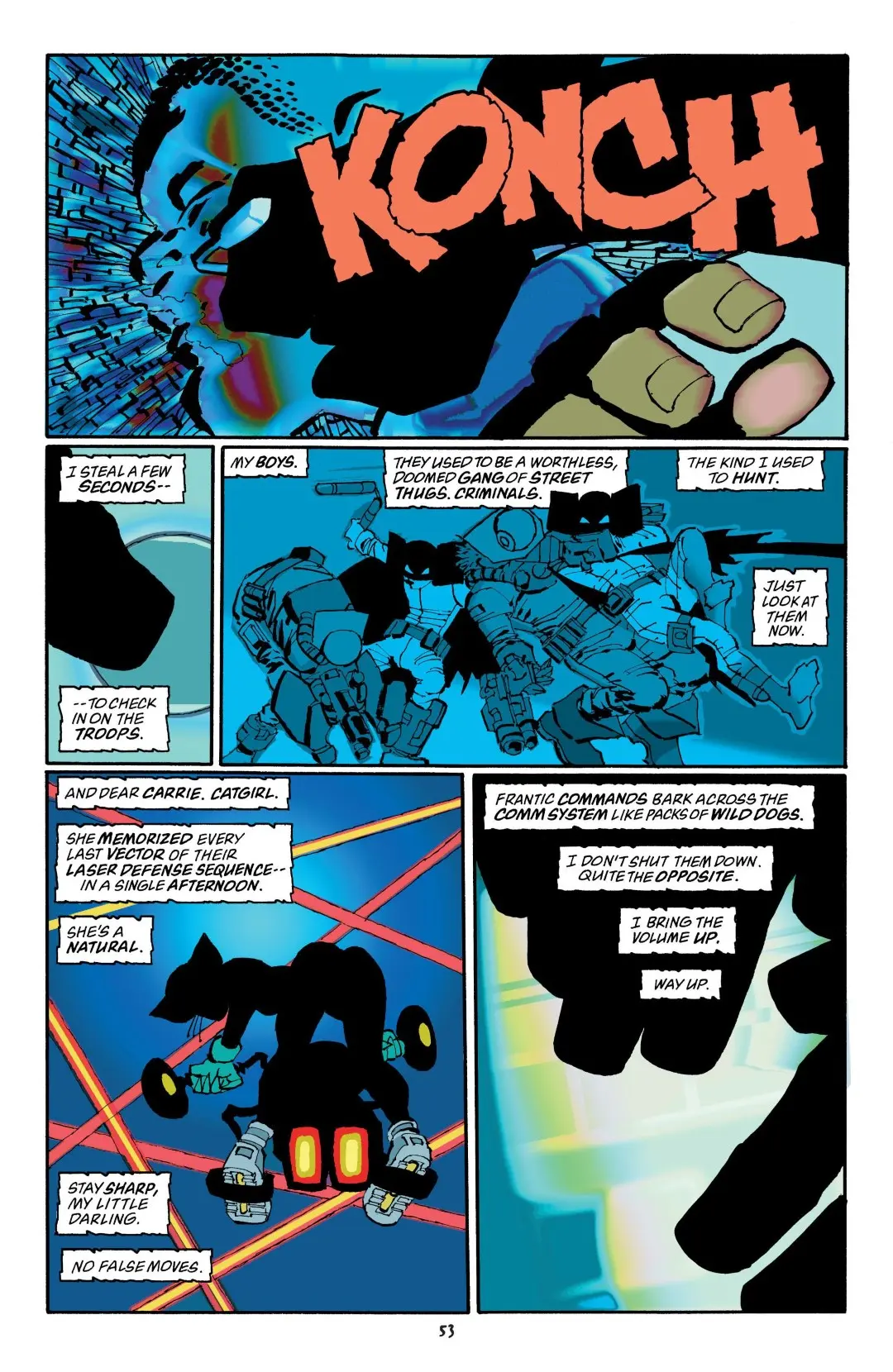
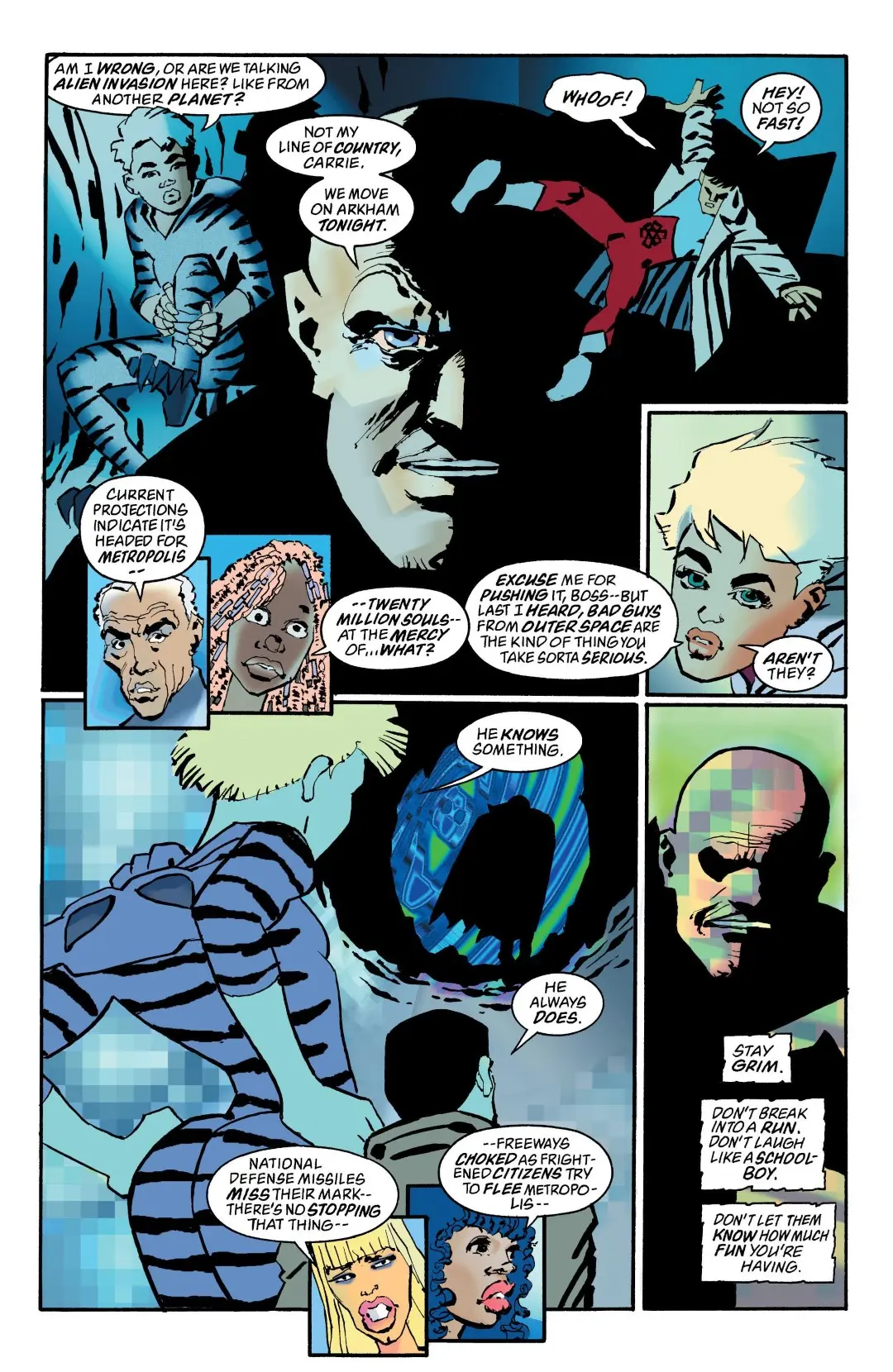
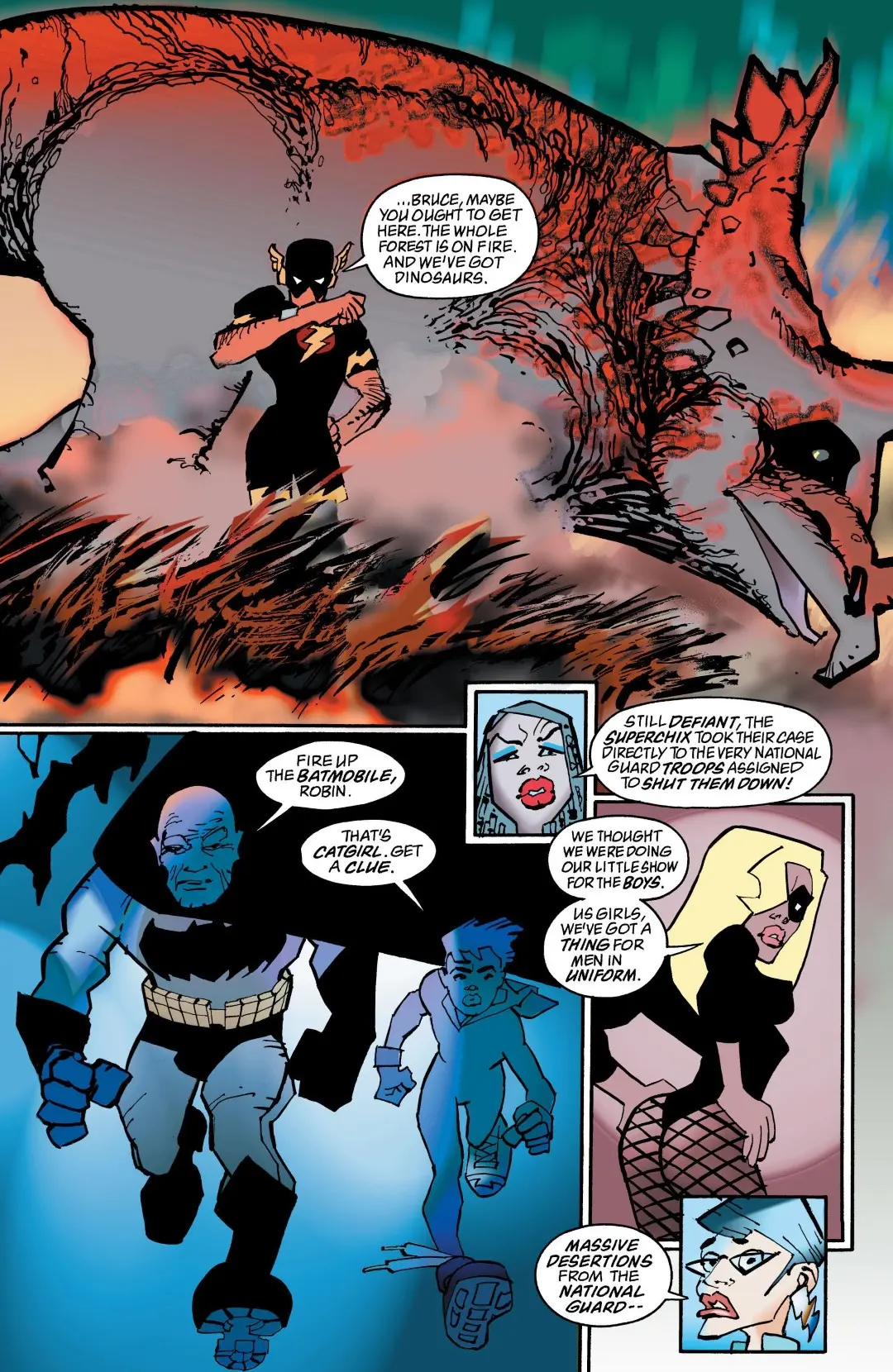
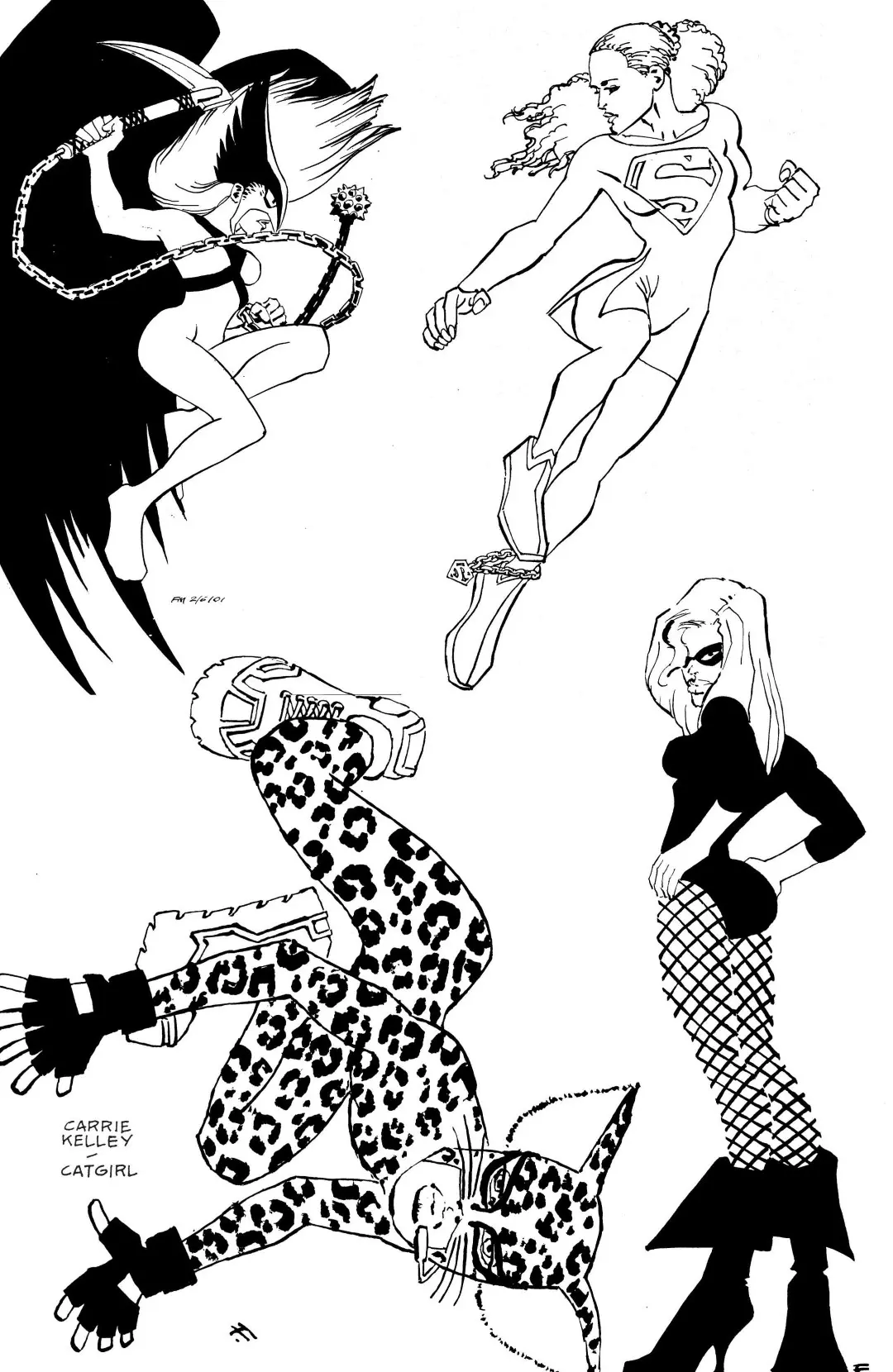
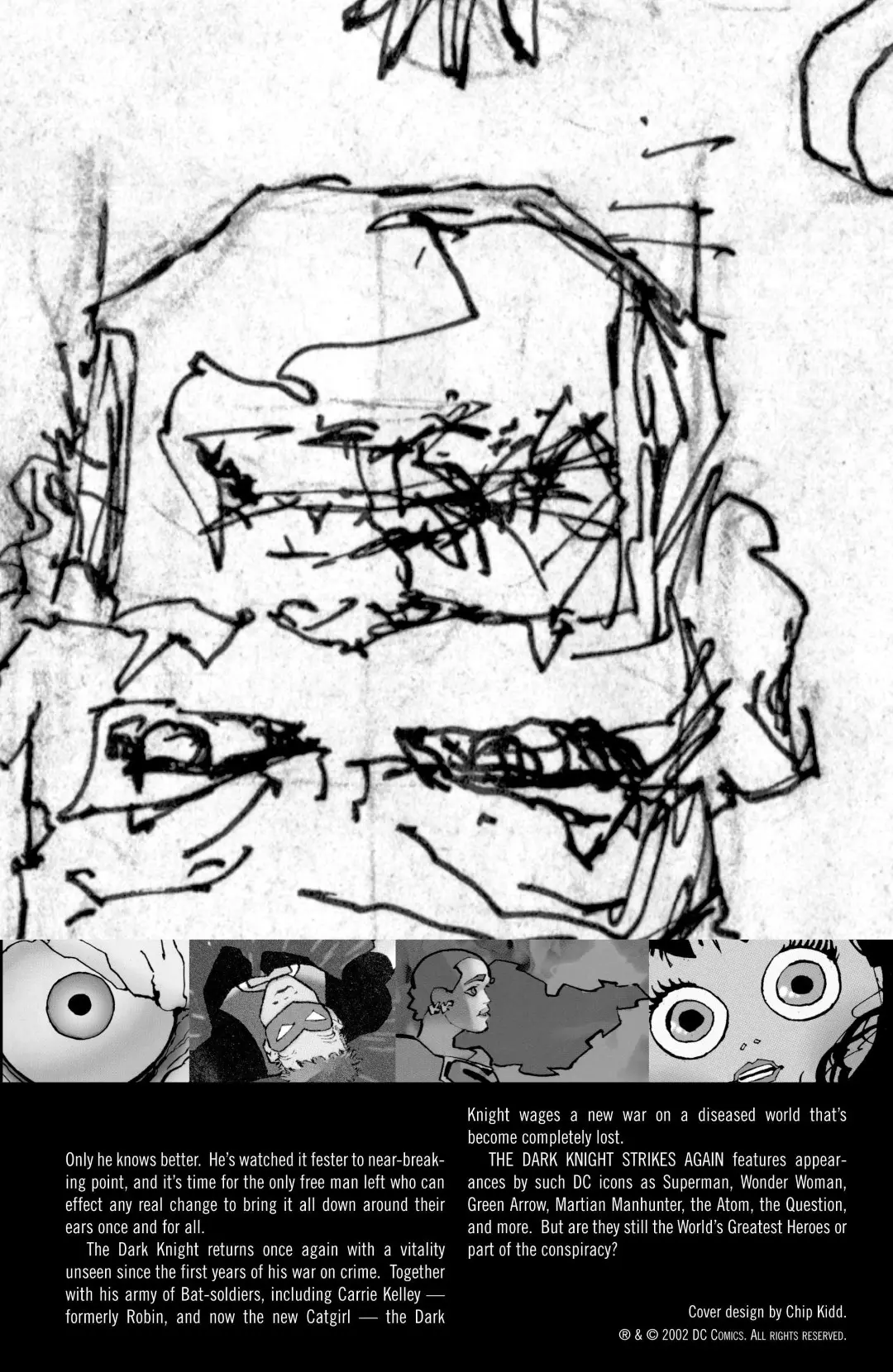
The release of Batman: The Dark Knight Strikes Again in the early 2000s was one of the most anticipated comic events in history, the long-awaited sequel to a book that had redefined the superhero genre. But what readers received was not a repeat of the grim, noir-inflected masterpiece of 1986. Instead, Batman: The Dark Knight Strikes Again is a garish, psychedelic, and aggressively anarchist work that trades the cold war anxieties of its predecessor for a post-millennium world drowning in media saturation, digital surveillance, and the totalitarian creep of corporate power. The book opens three years after the events of The Dark Knight Returns, with Bruce Wayne officially dead and his legacy carried on by a secret network of Bat-boys led by Carrie Kelley, now the sleek and hardened Catgirl. But Bruce has not retired; he has been planning, training, and waiting for the moment to strike again. And when he does, Batman: The Dark Knight Strikes Again explodes into a riot of colour, chaos, and uncompromising revolutionary fury.
Where the first book was a meditation on aging, mortality, and the Cold War’s psychic toll, Batman: The Dark Knight Strikes Again is a full-blown assault on the systems that have crushed the spirit of heroism.
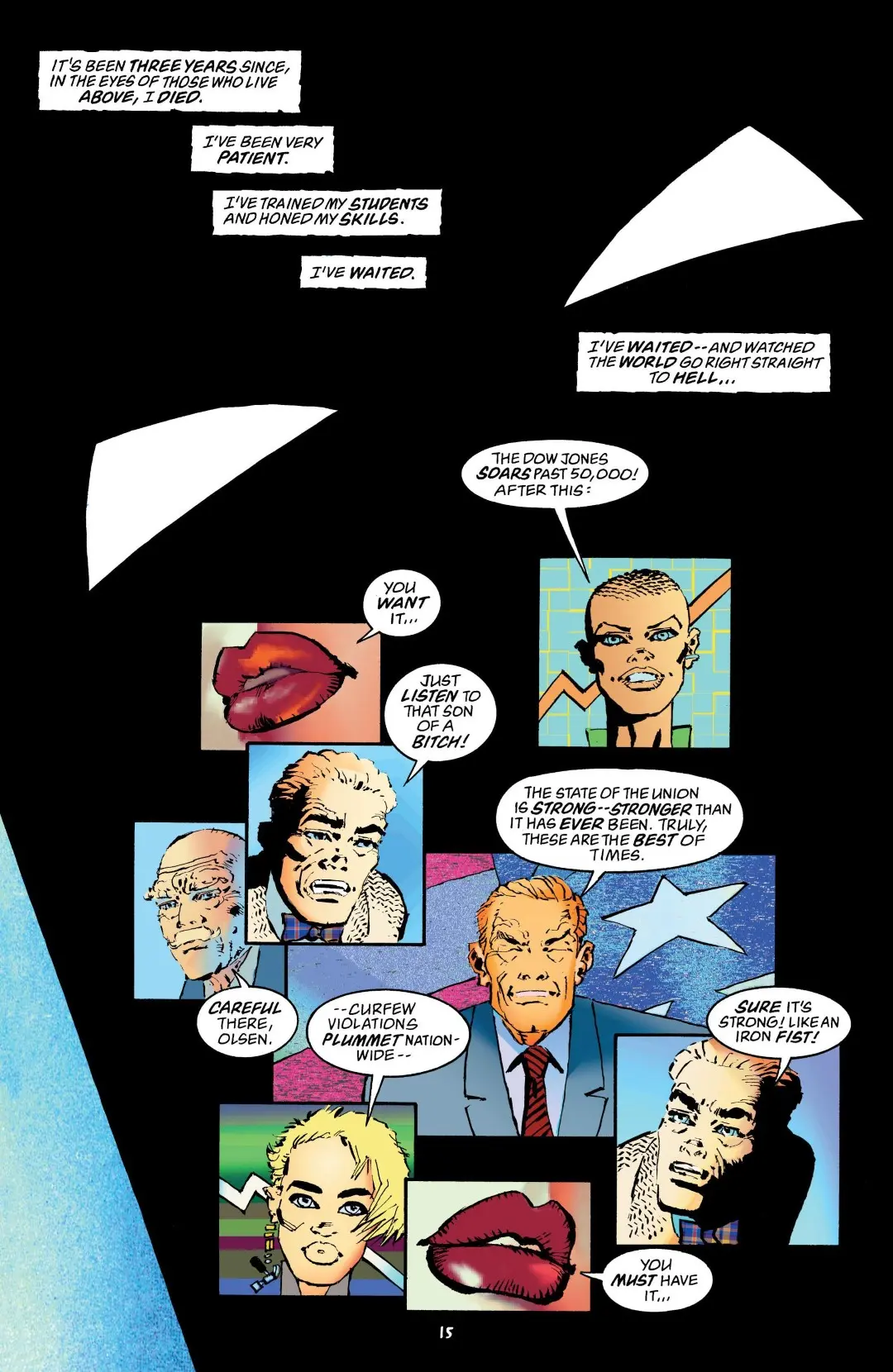
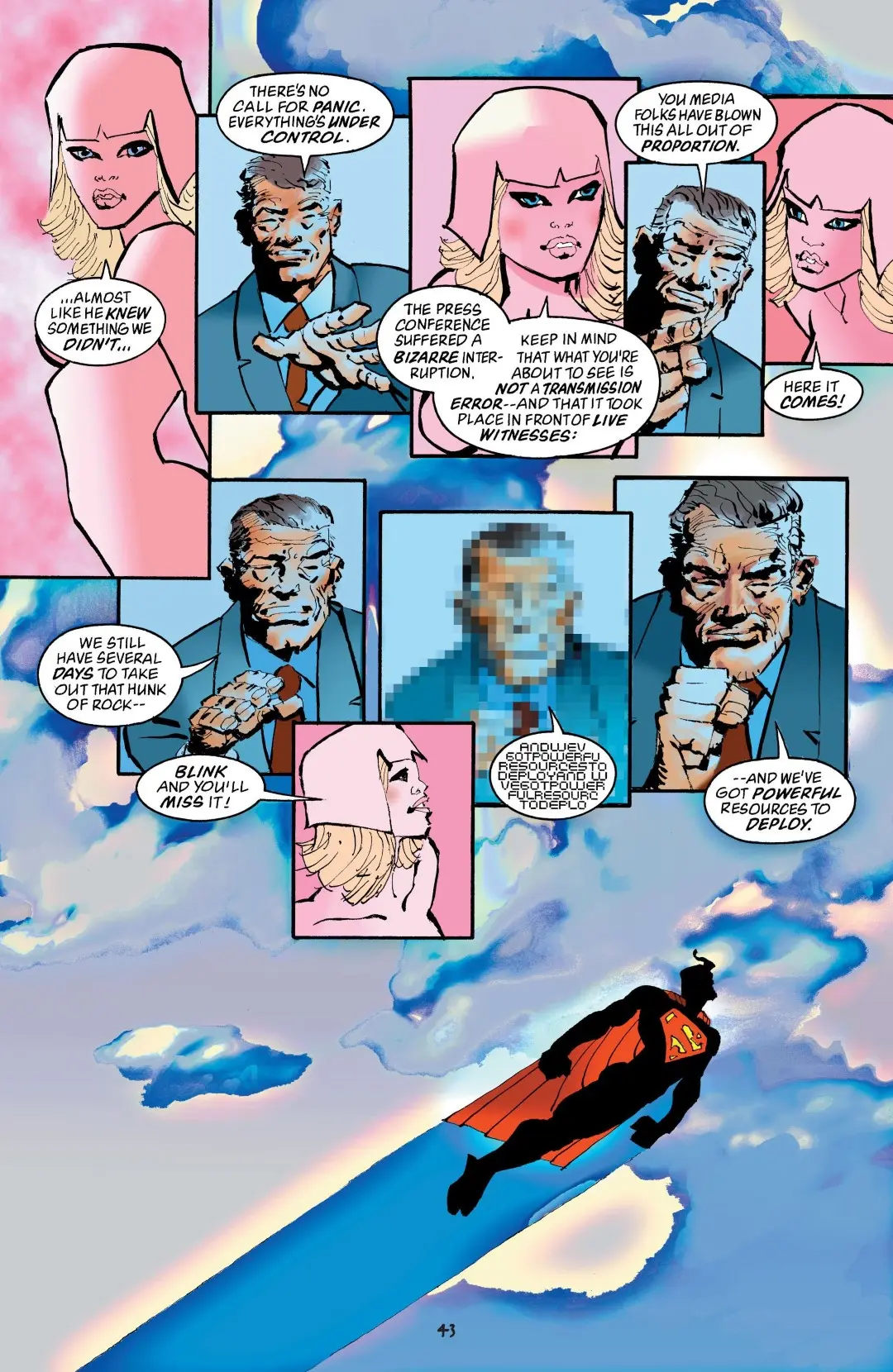
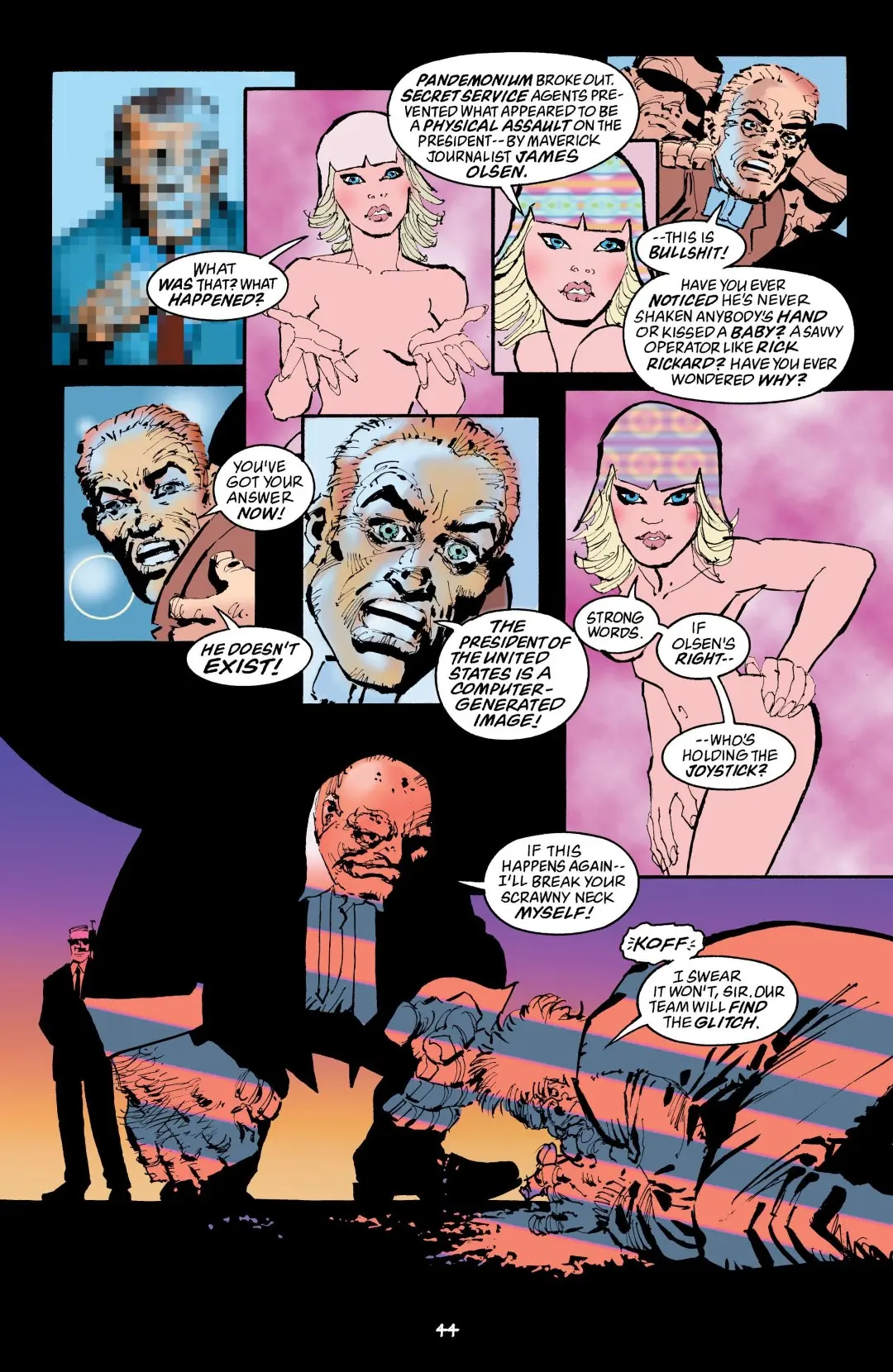
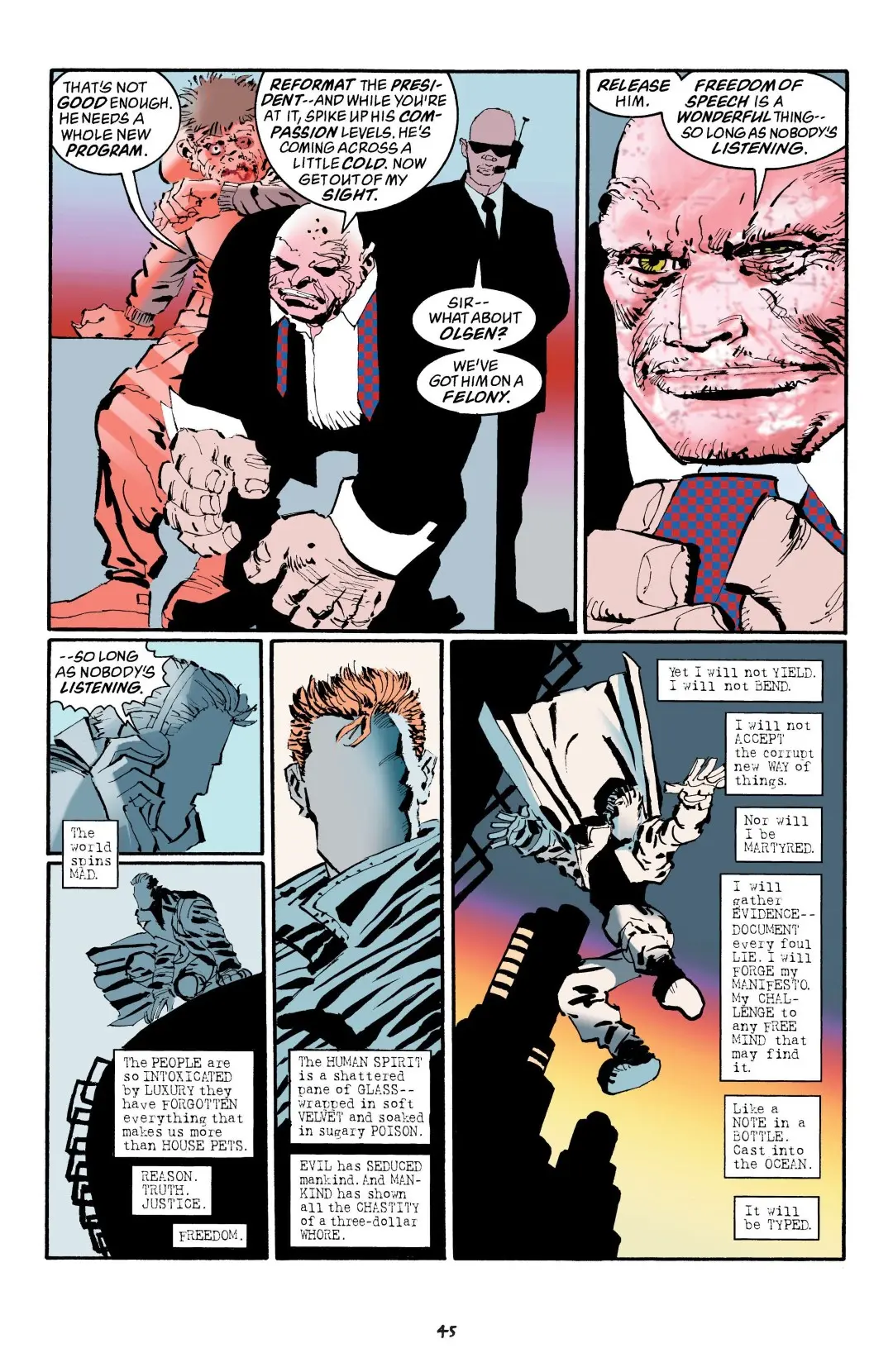
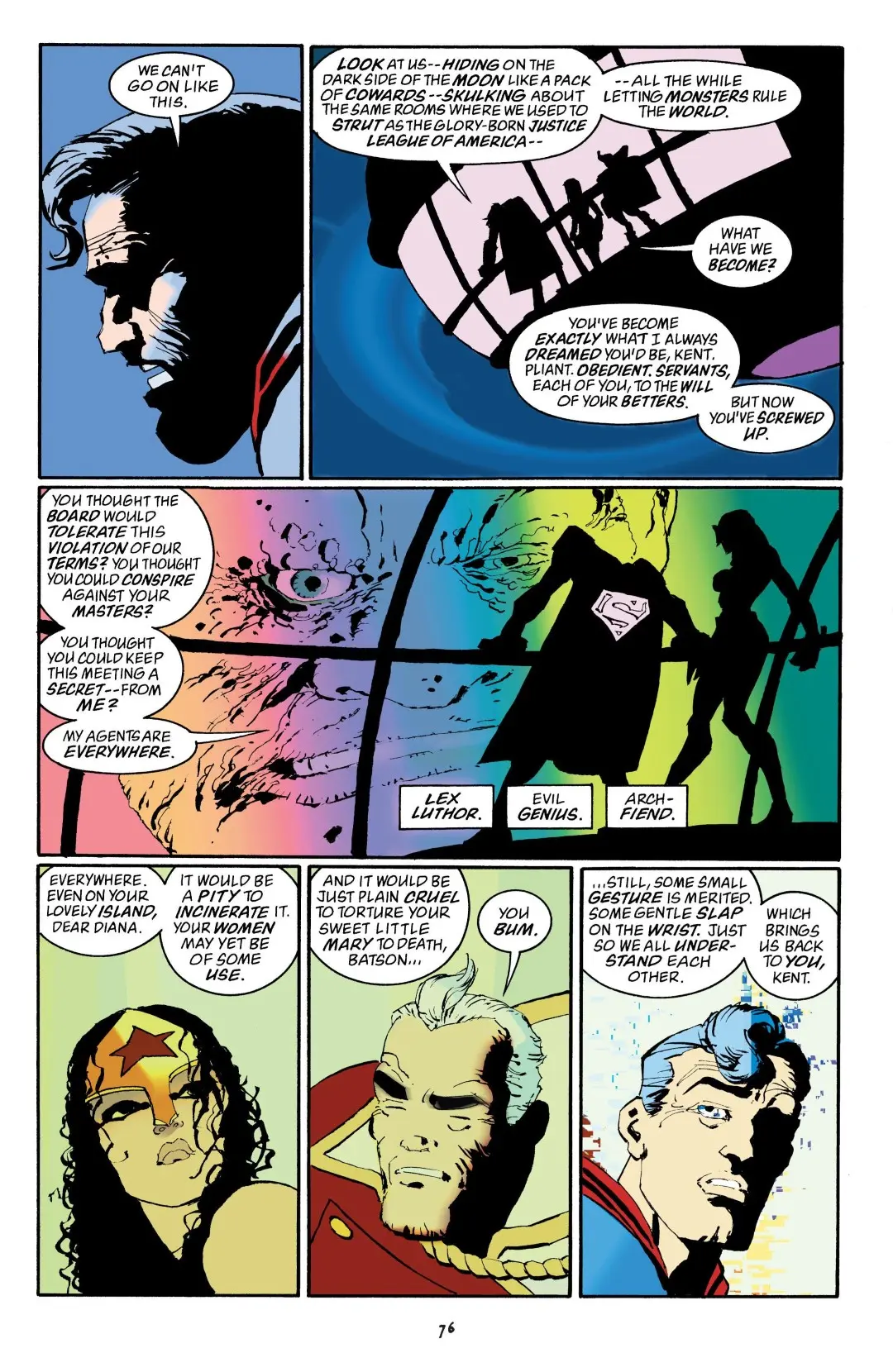
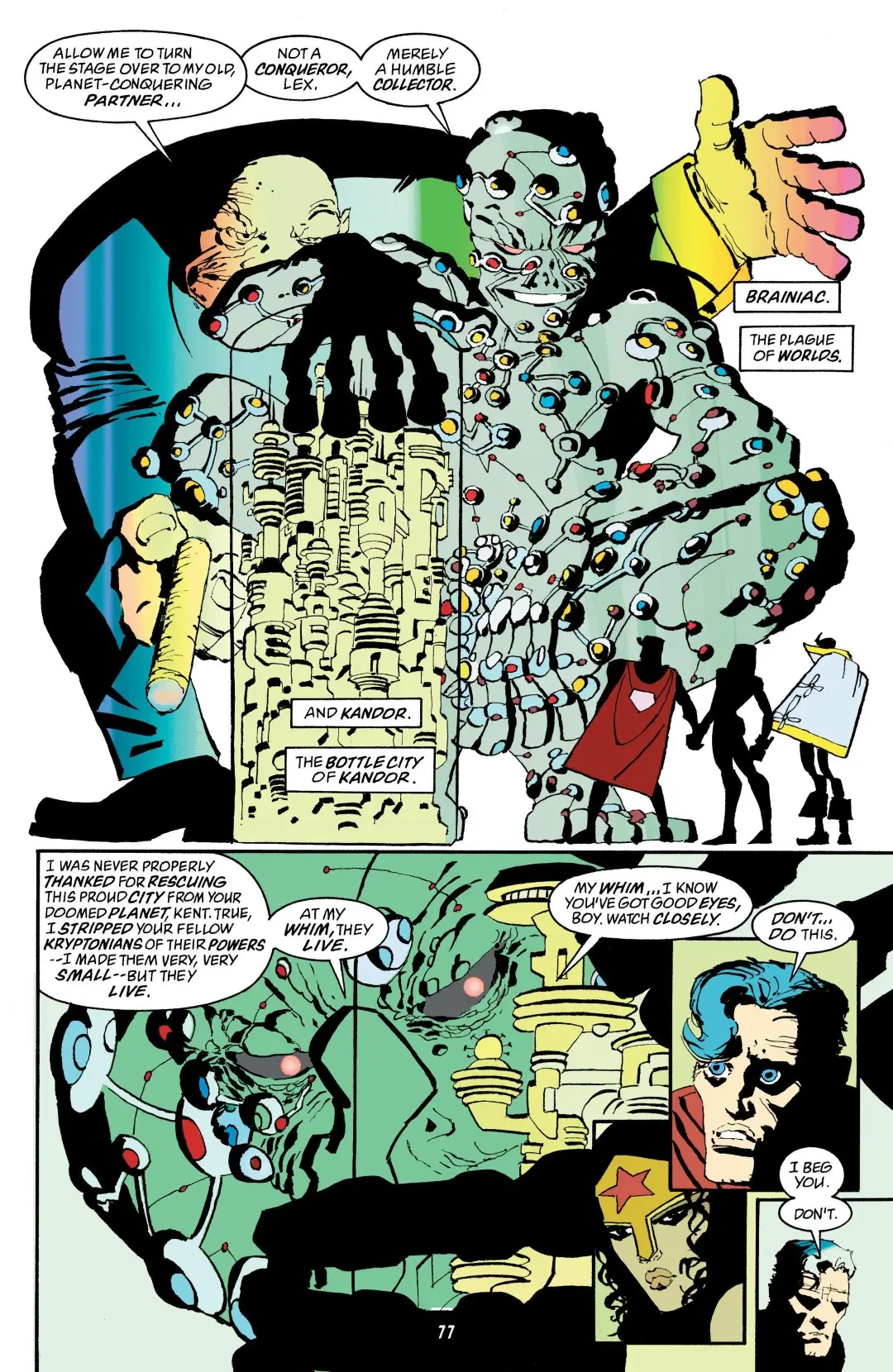
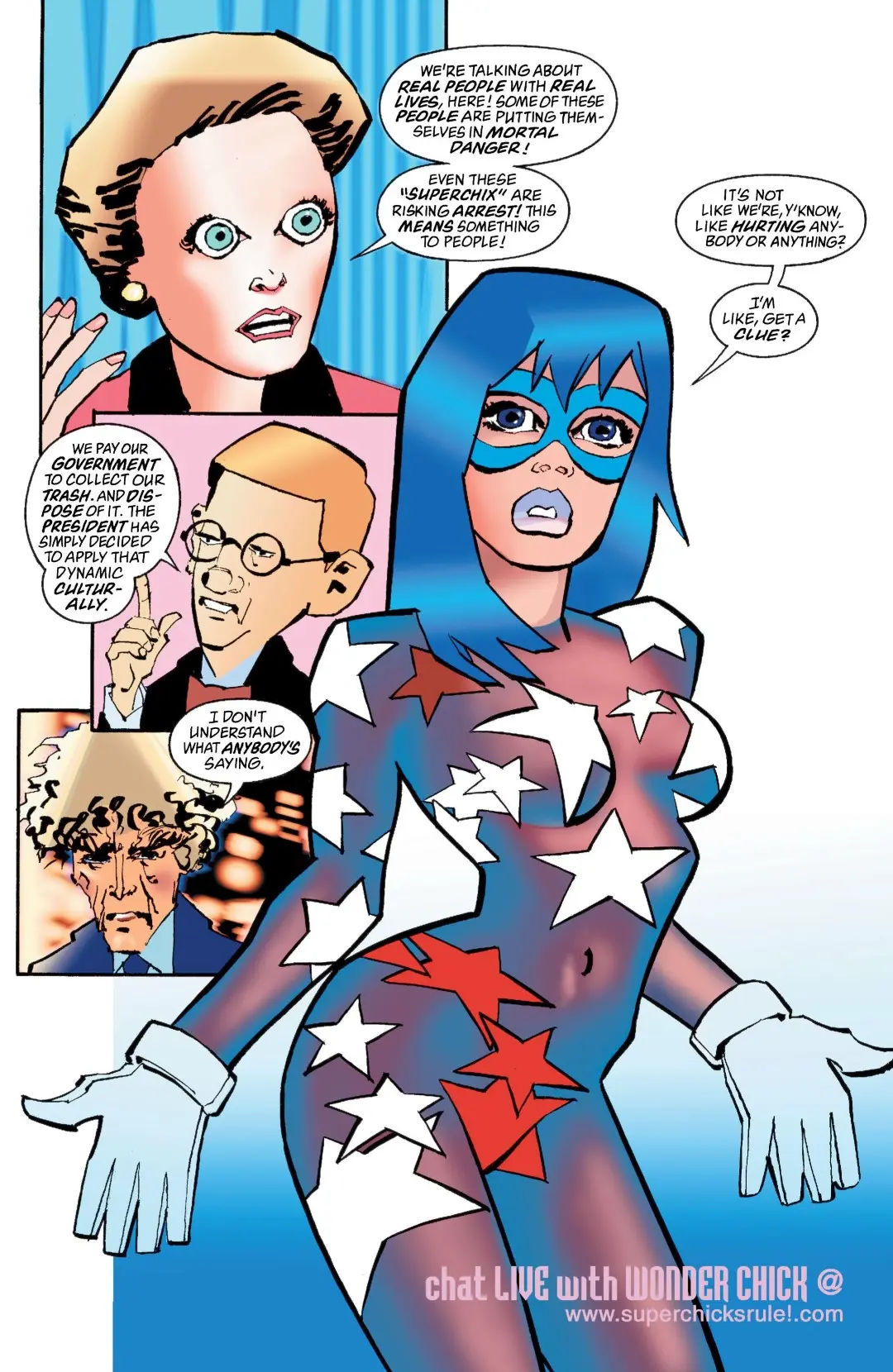
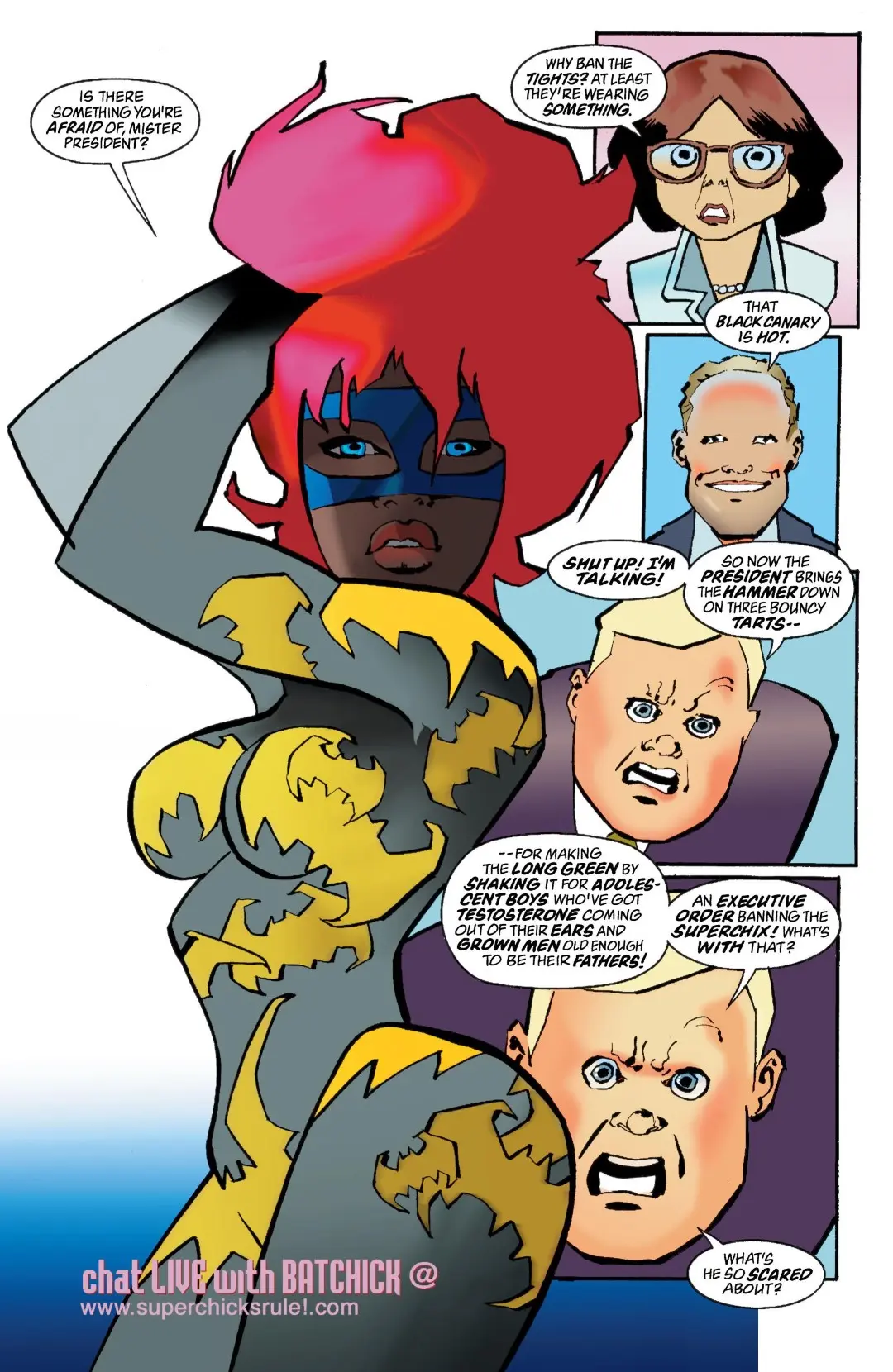
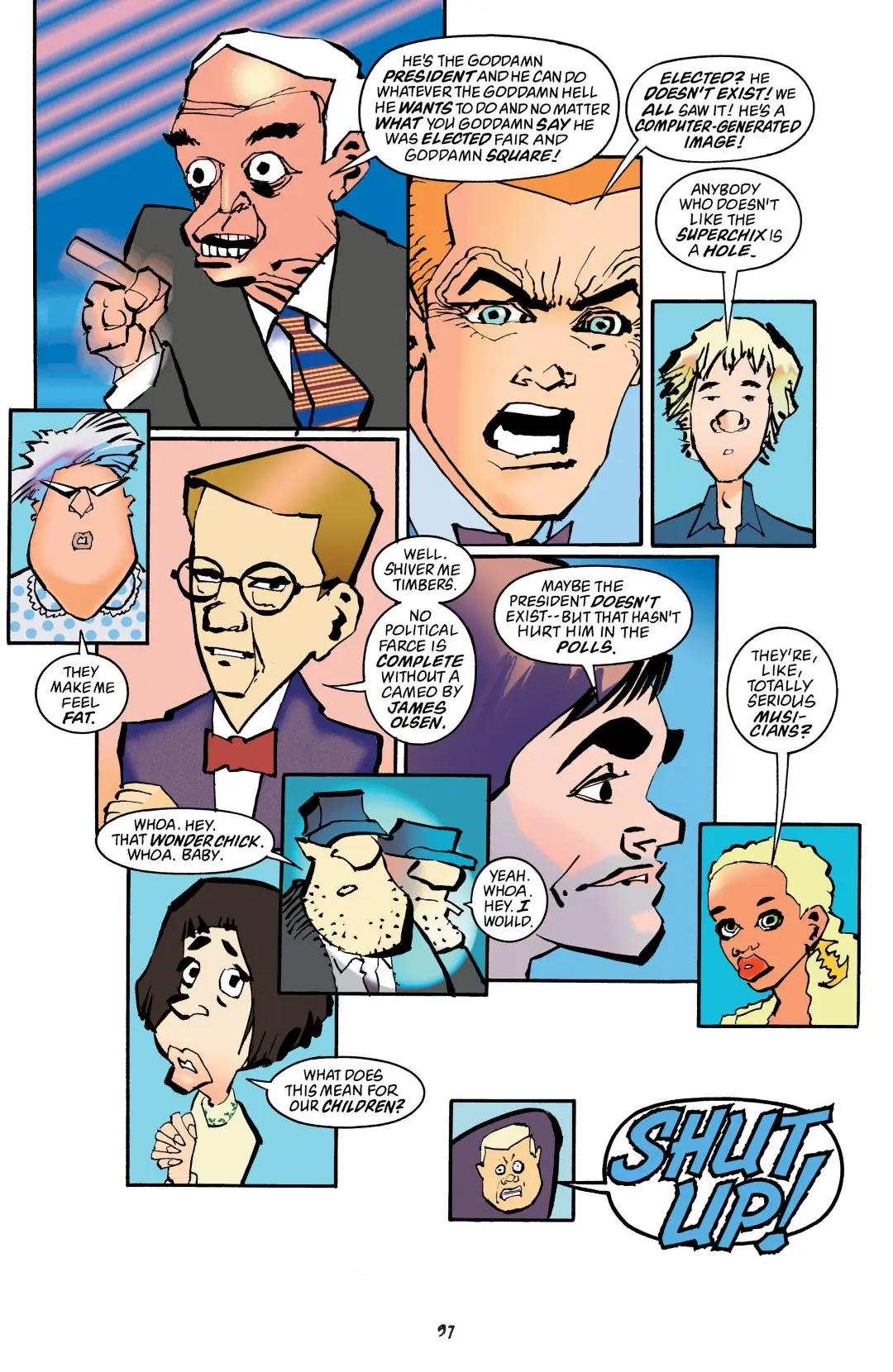
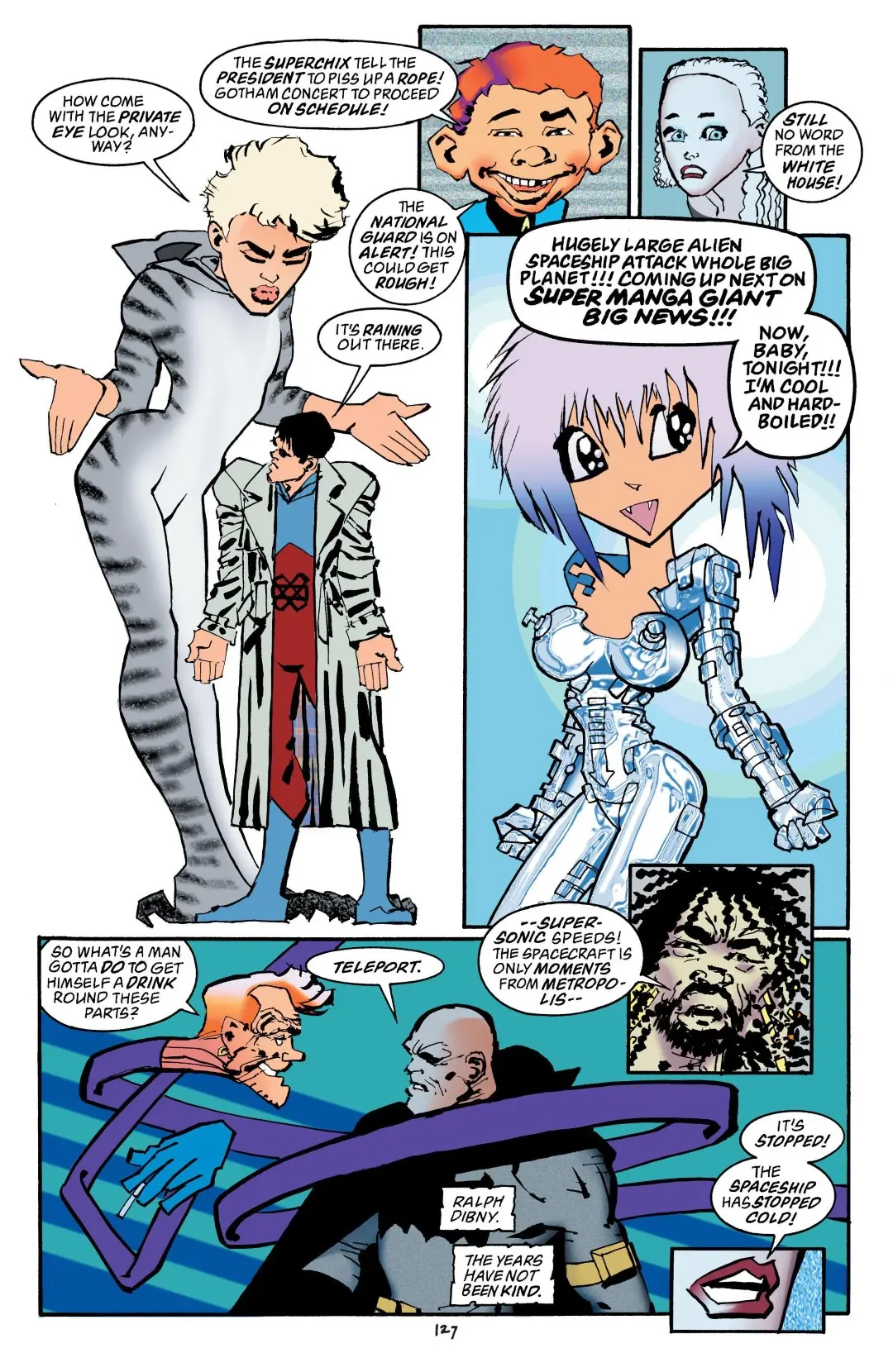
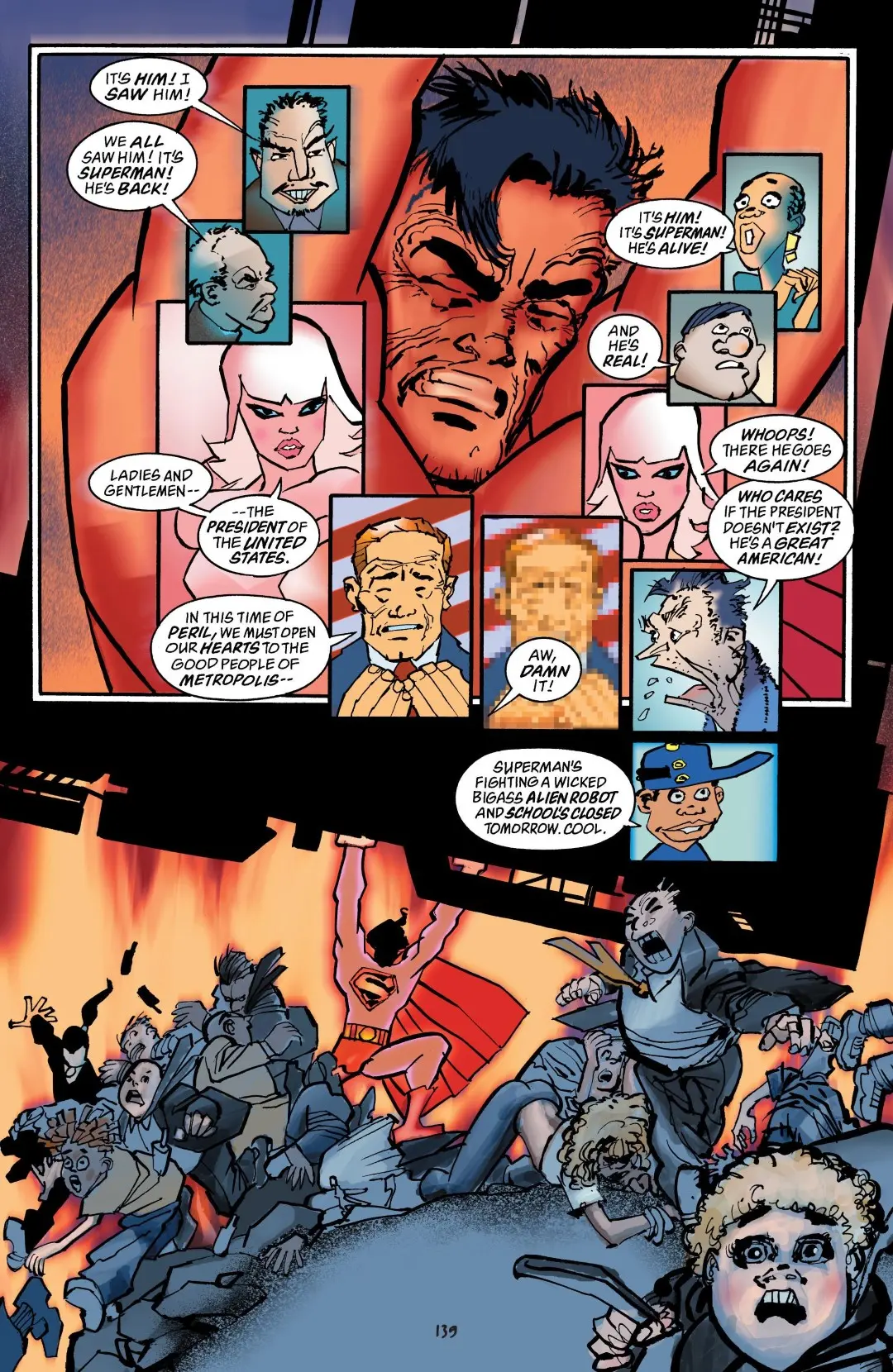
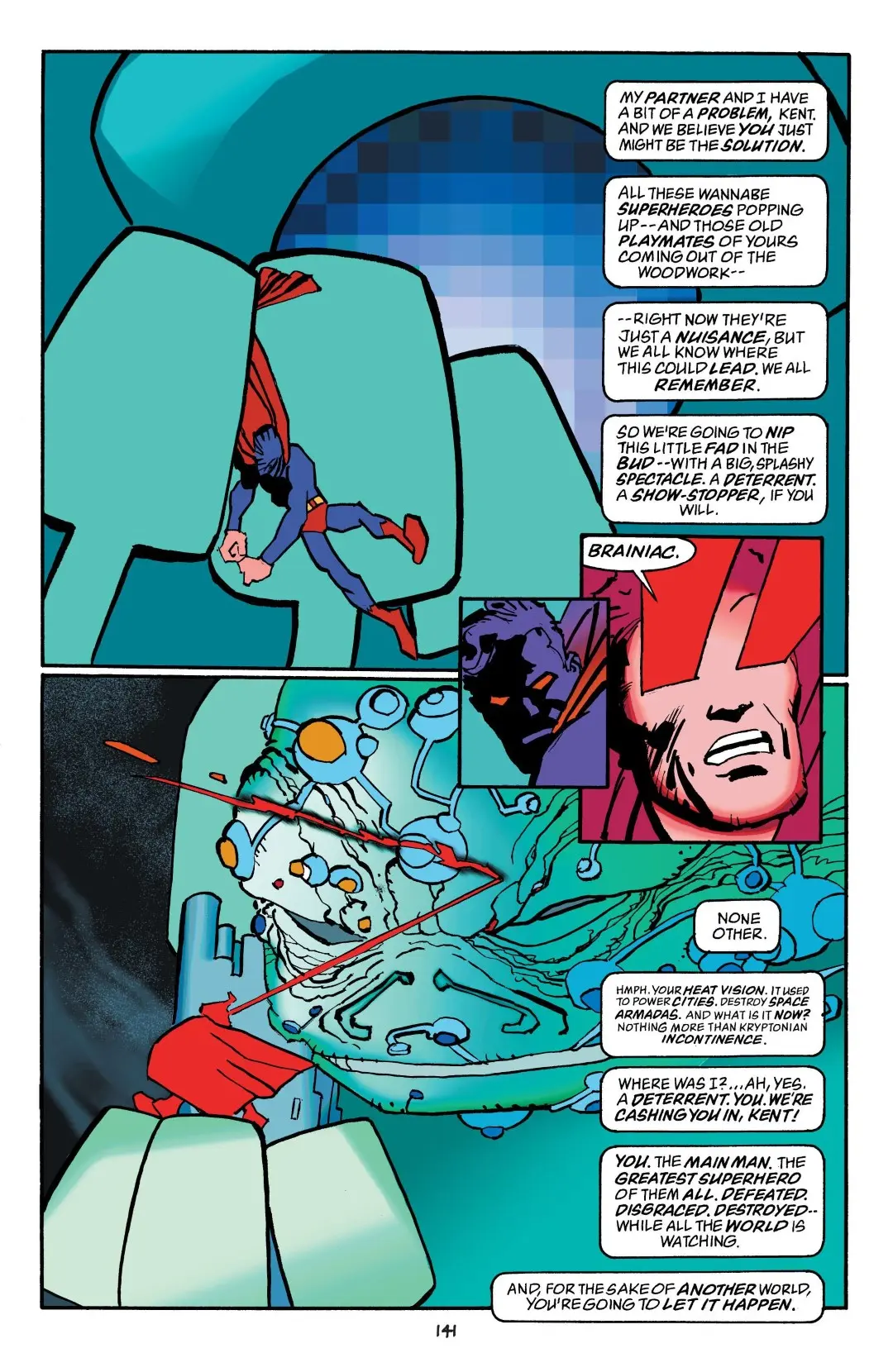
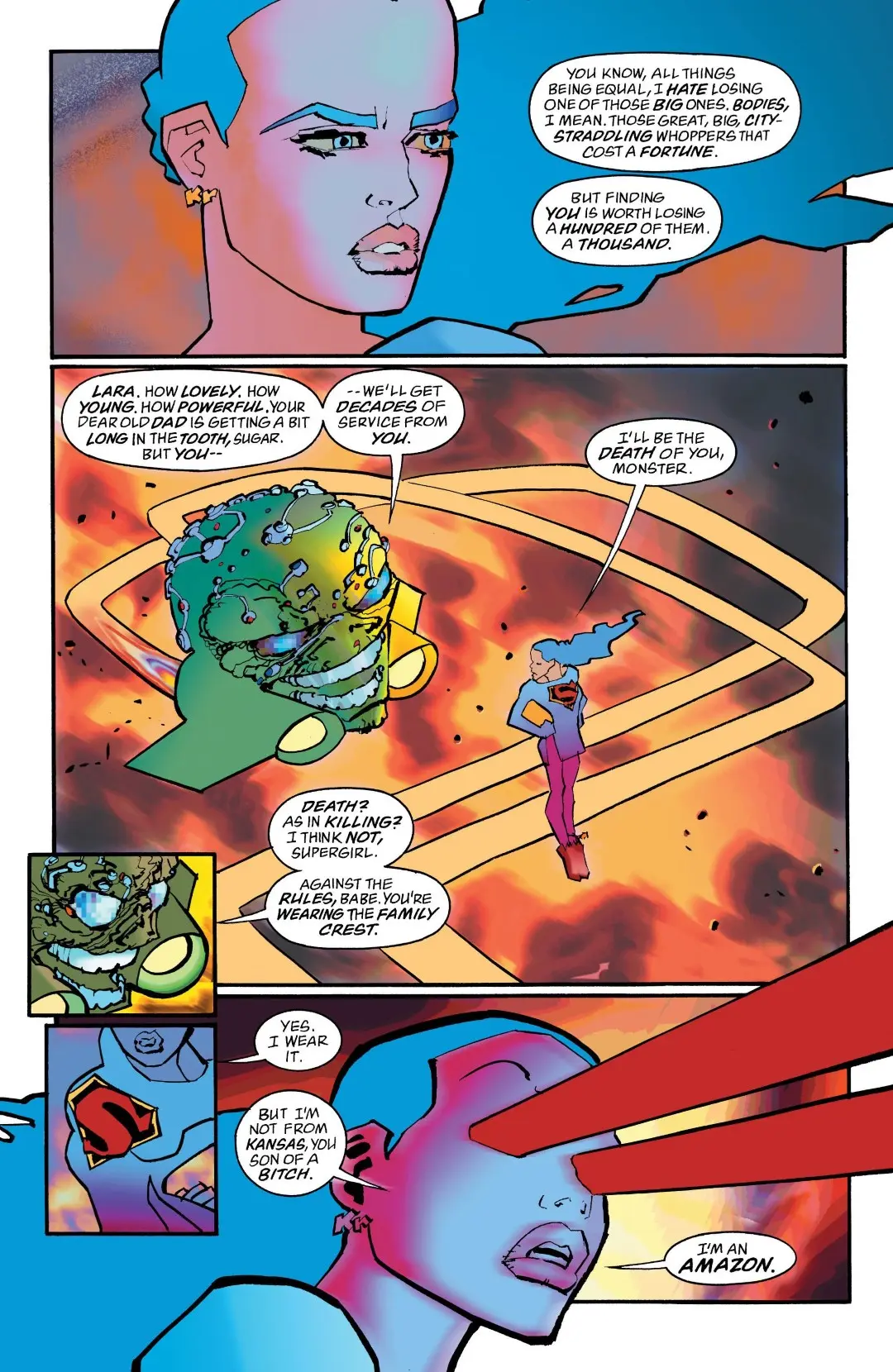
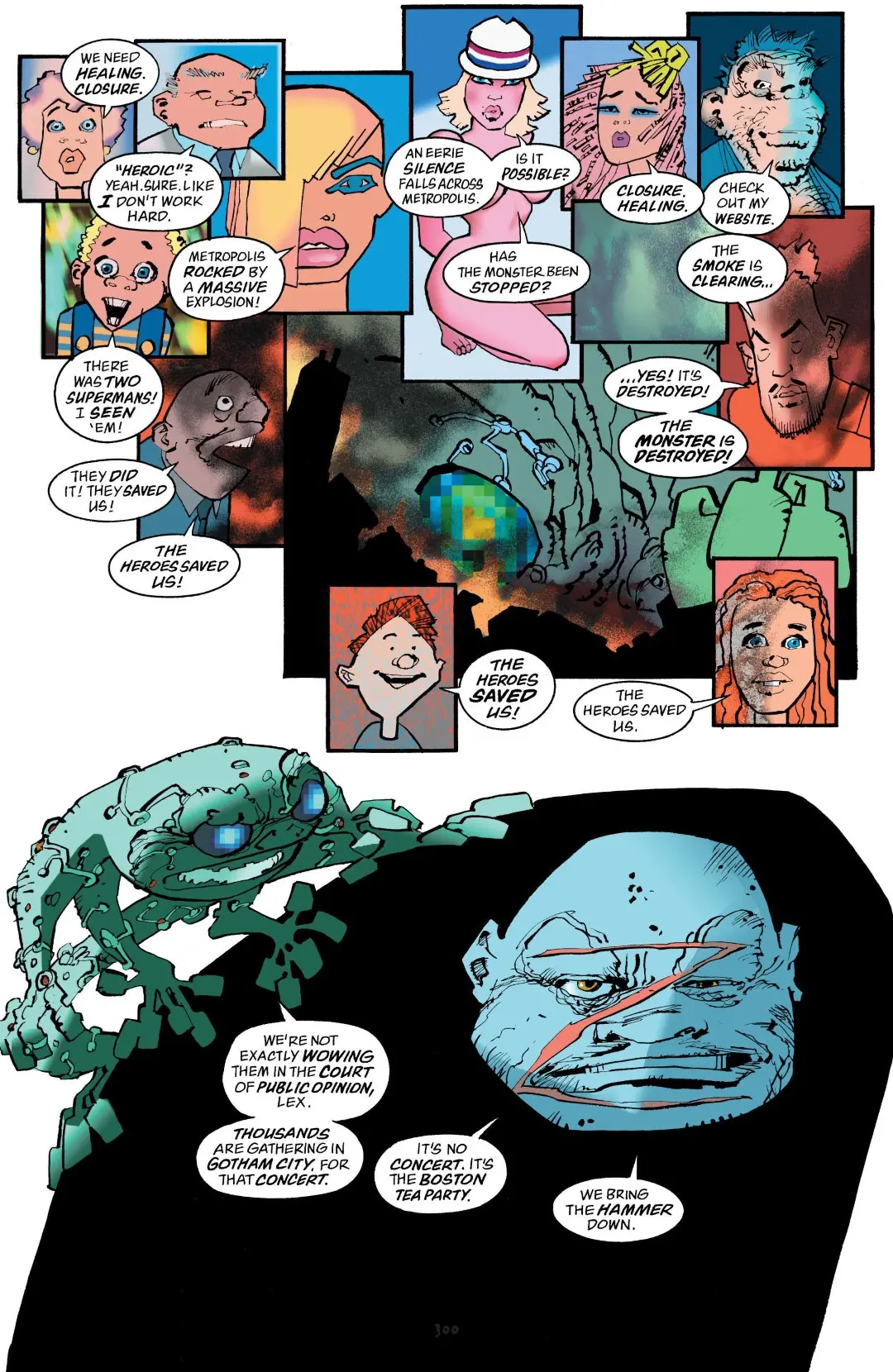
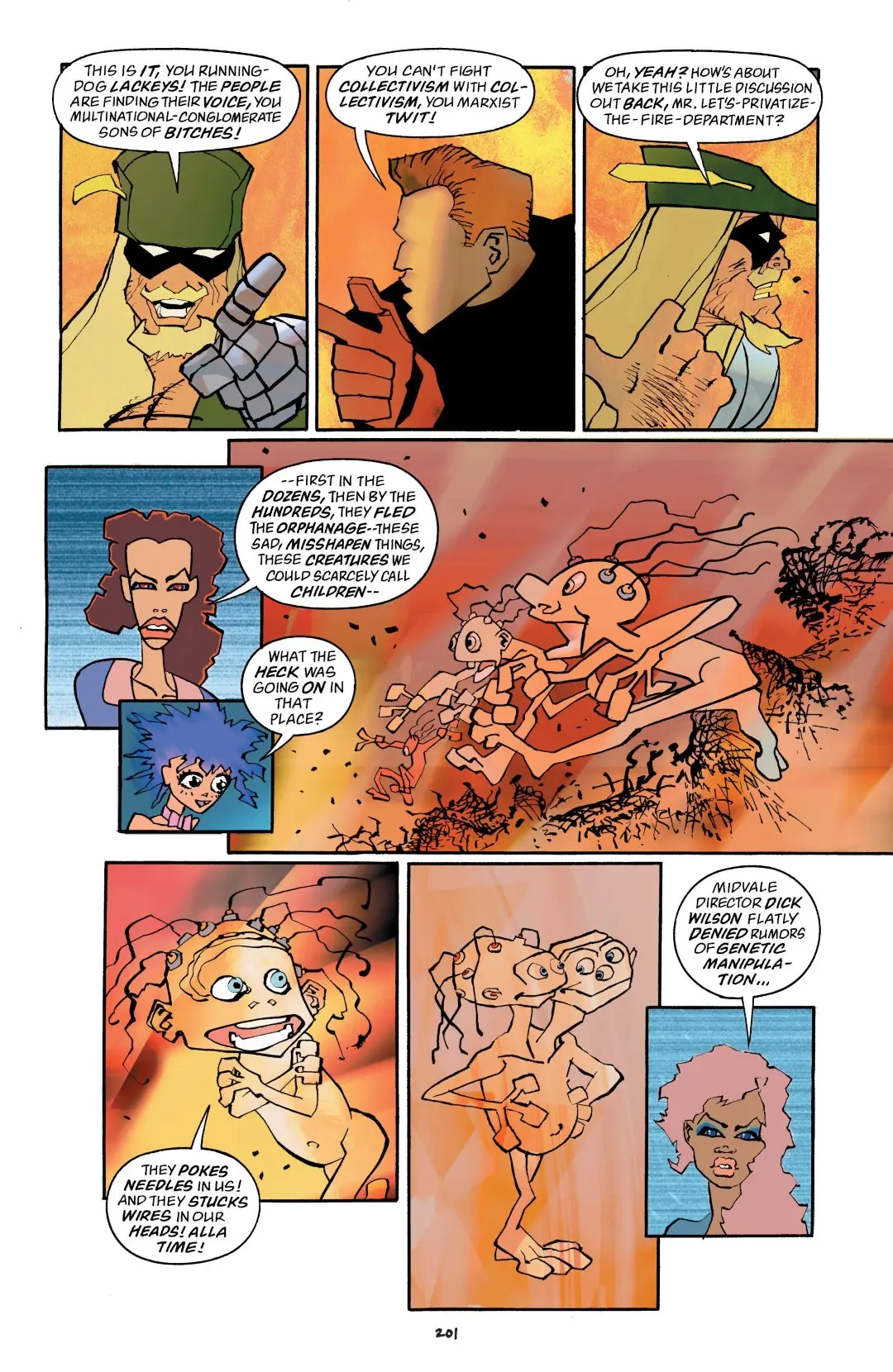
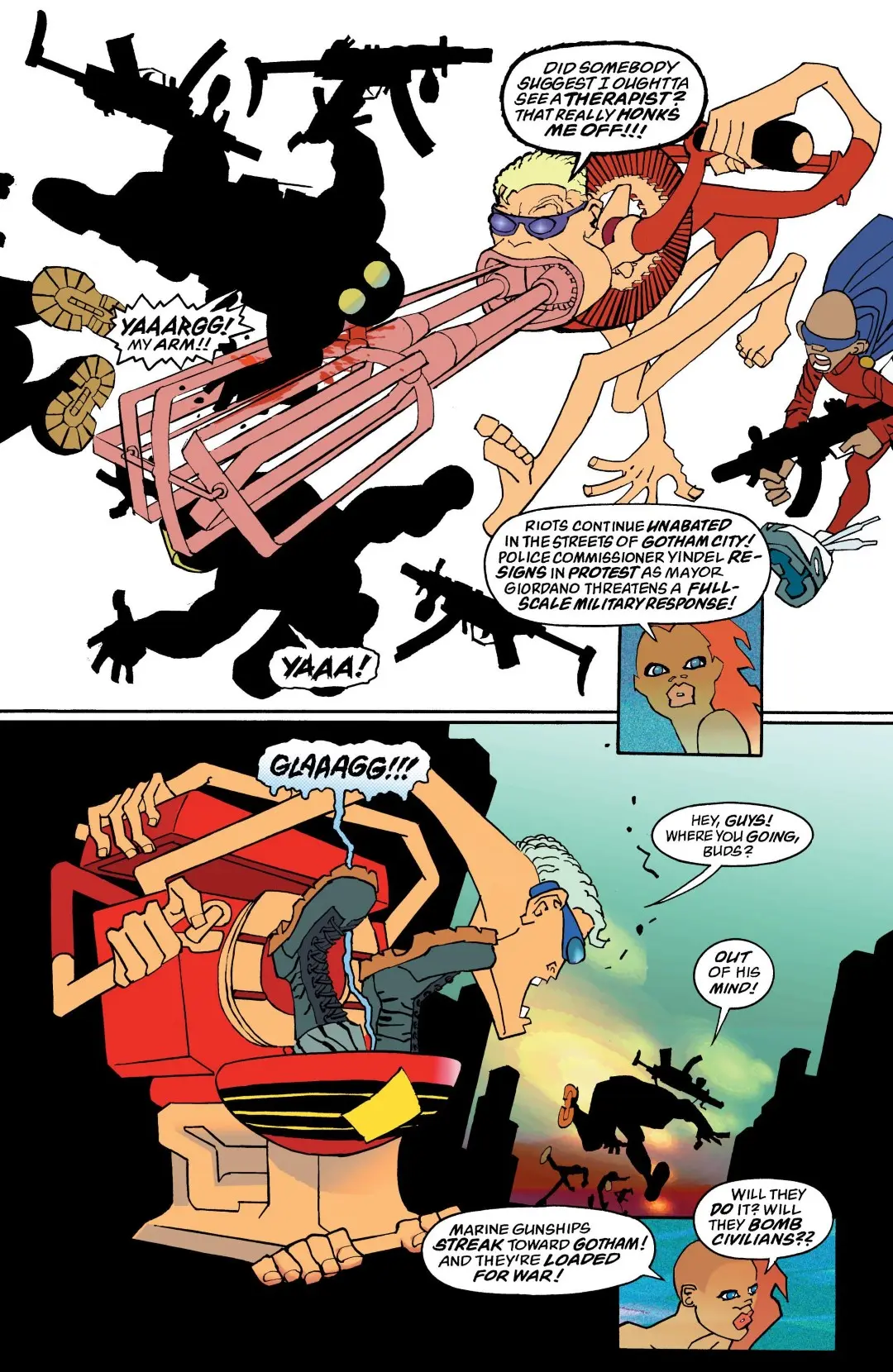
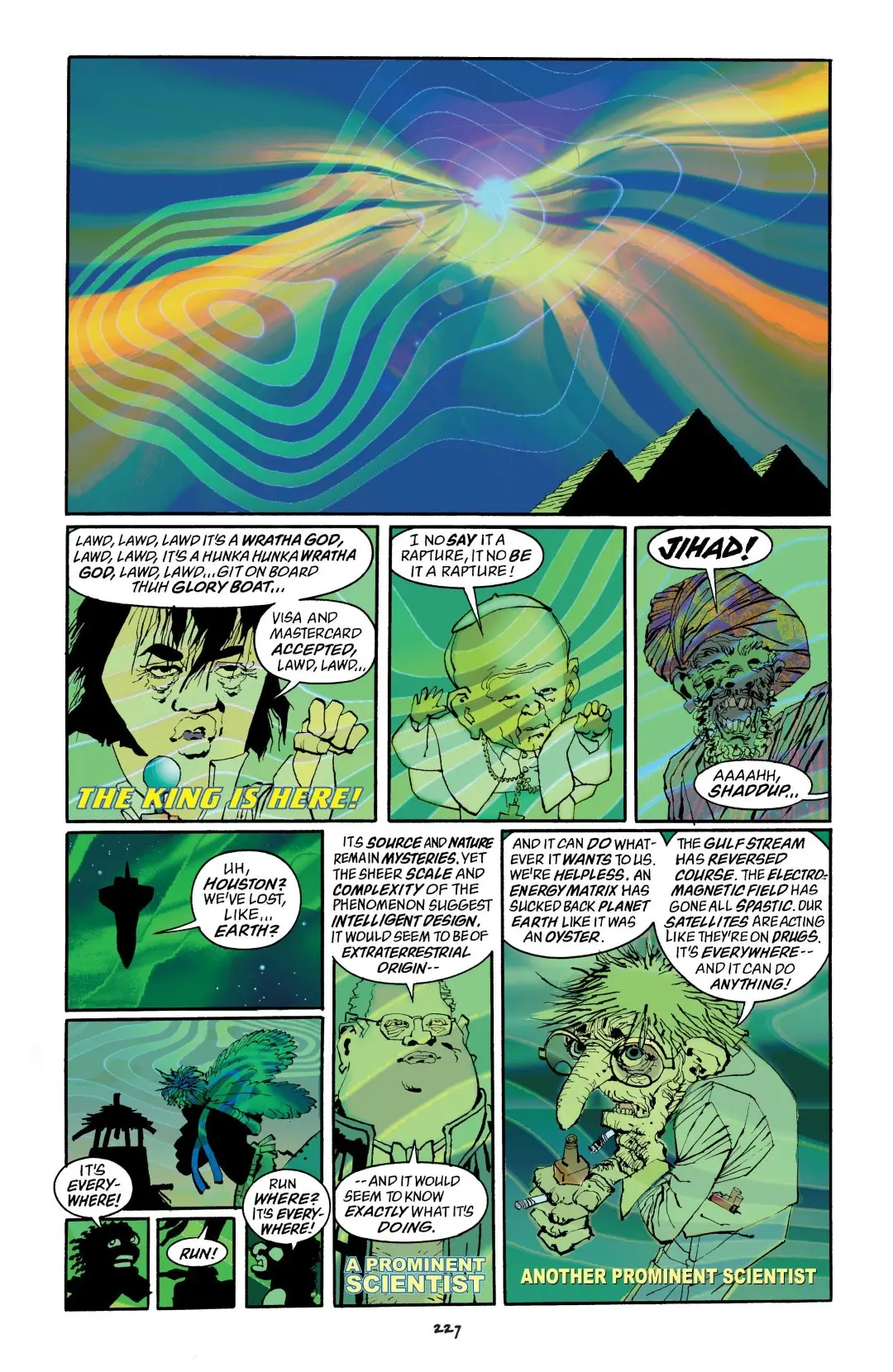
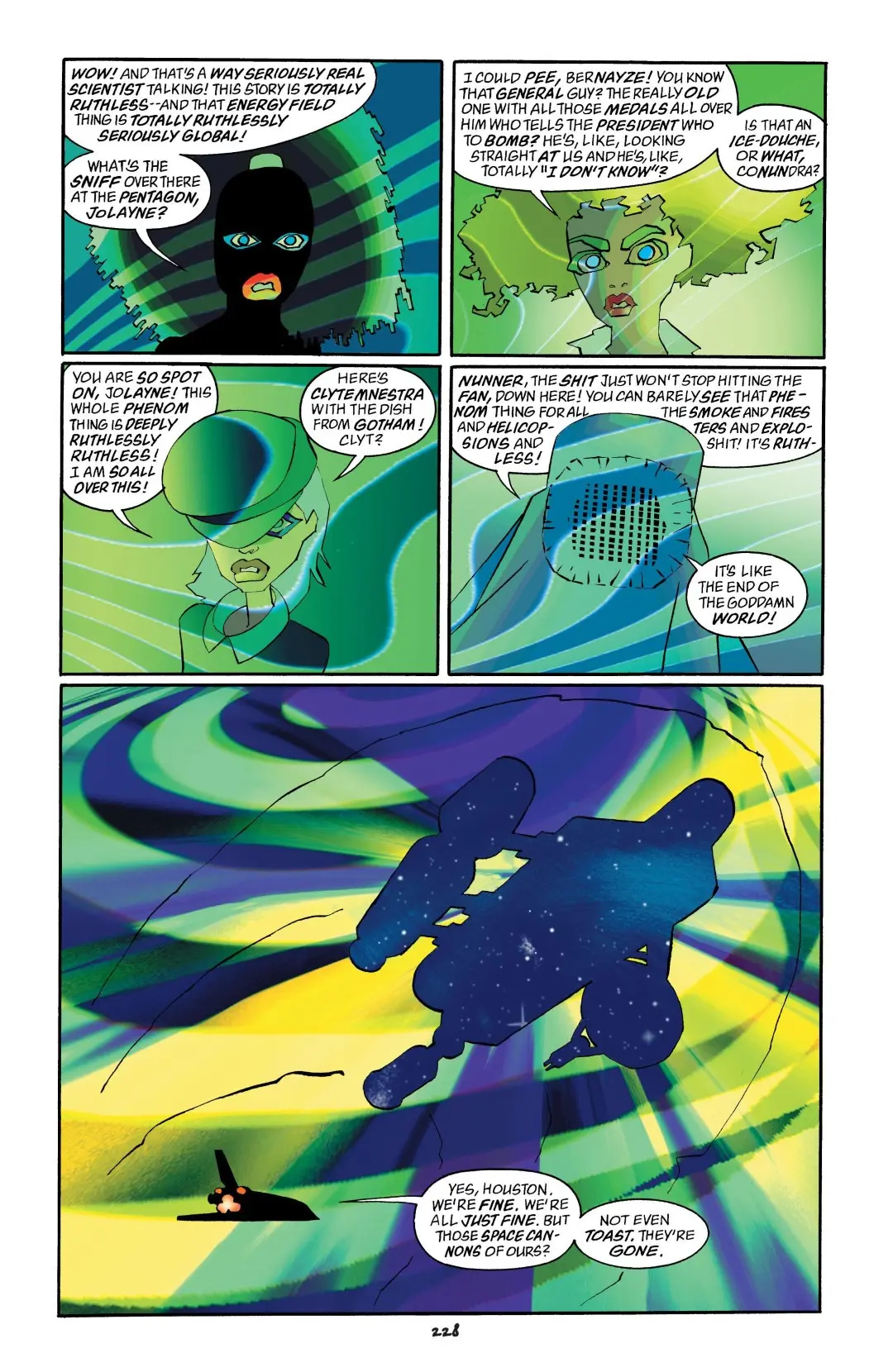
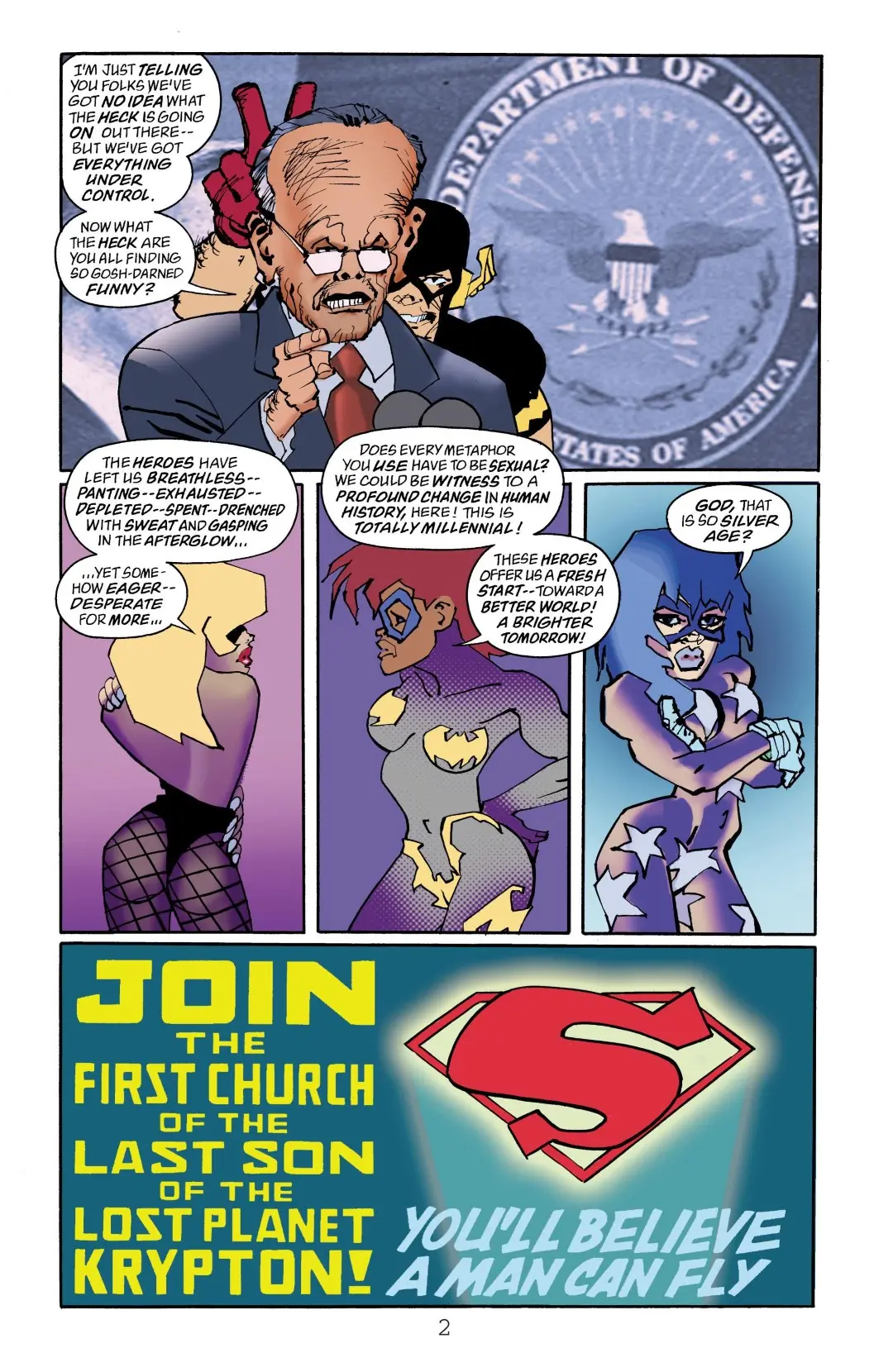
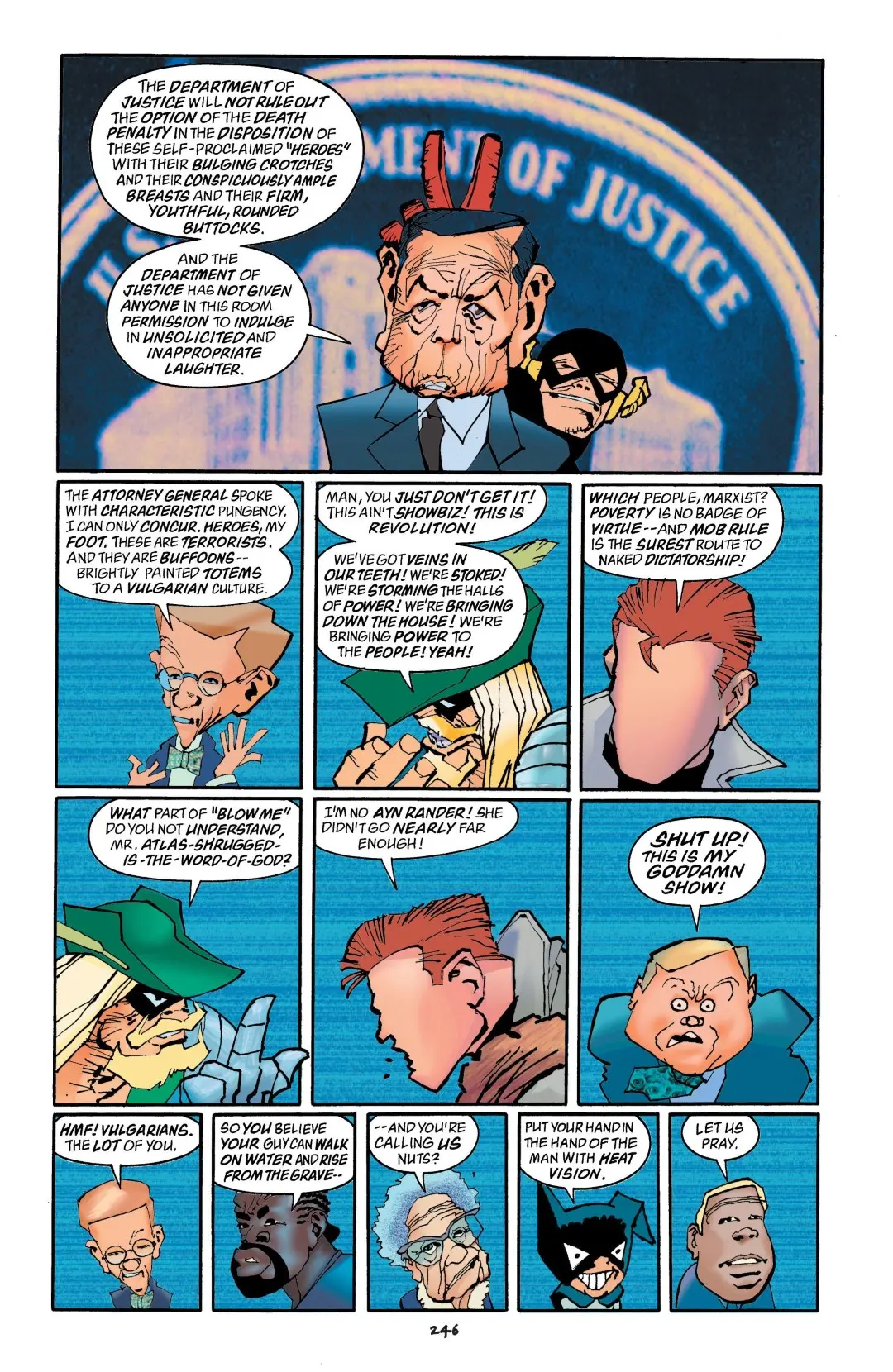
Lex Luthor and Brainiac have turned the United States into a corporate-run dystopia, with a computer-generated president whose approval ratings never drop, a media that broadcasts “nude news” and manufactured scandals, and a population so sedated by entertainment that it no longer recognises its own enslavement.
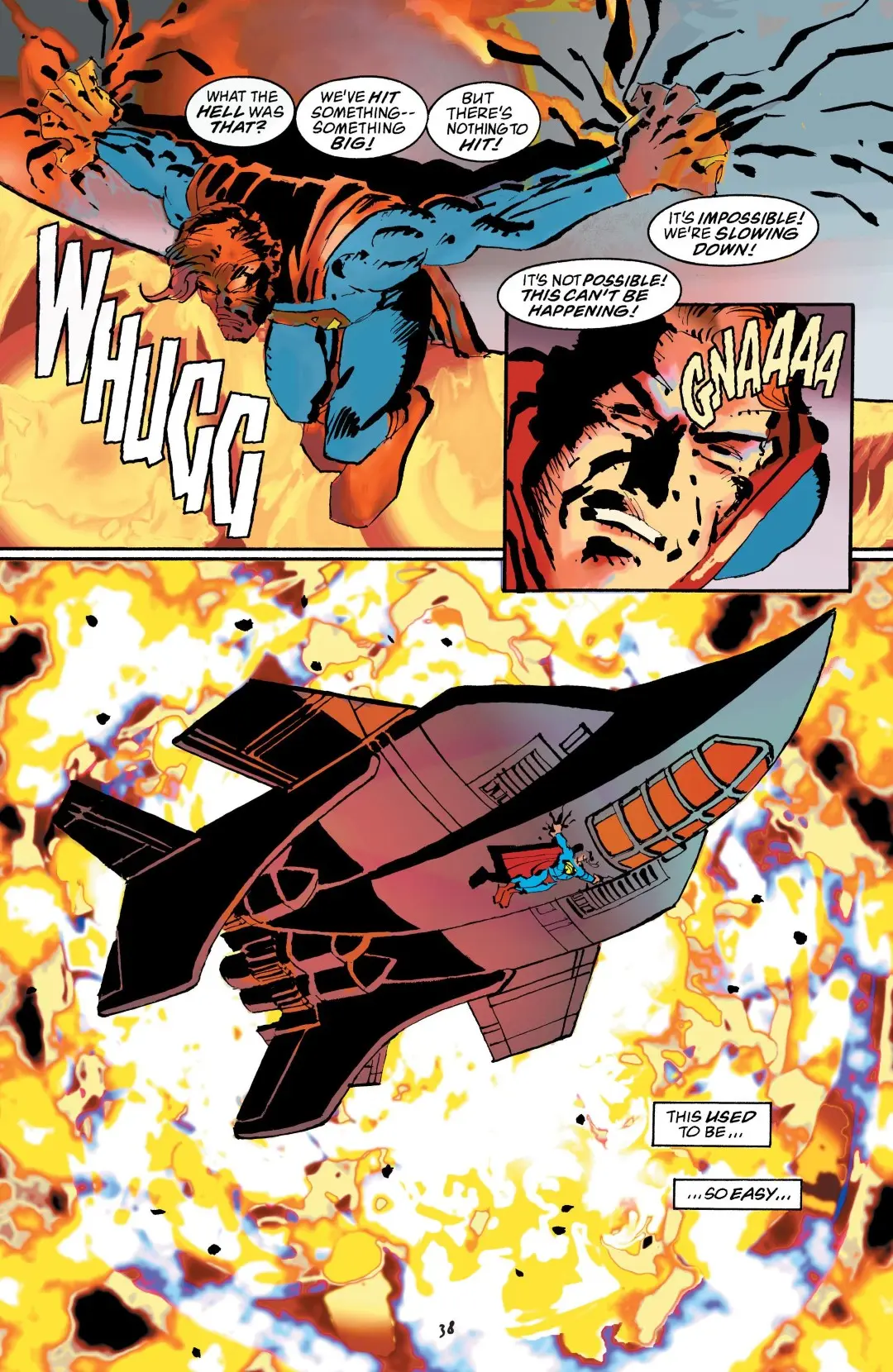
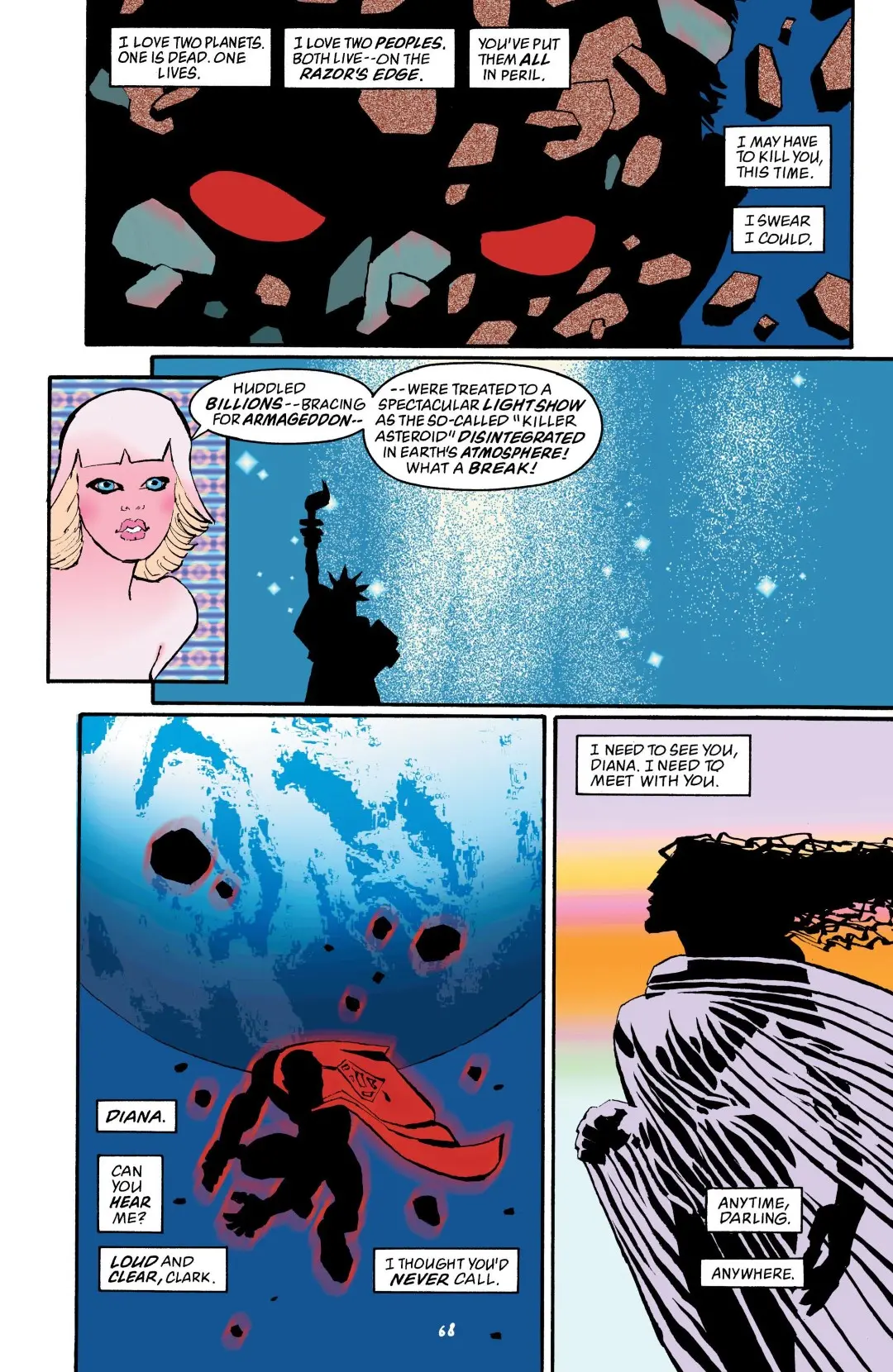
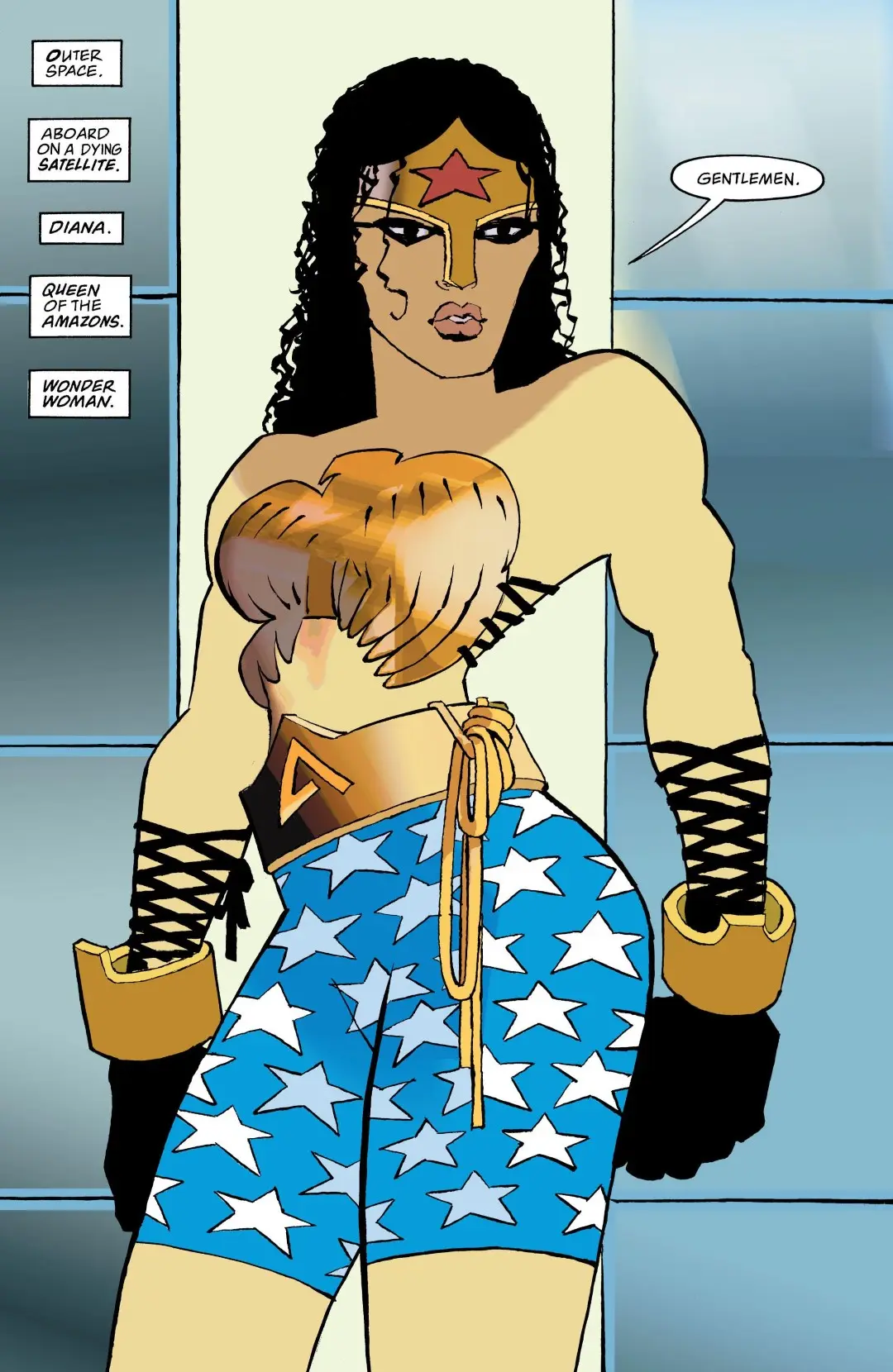
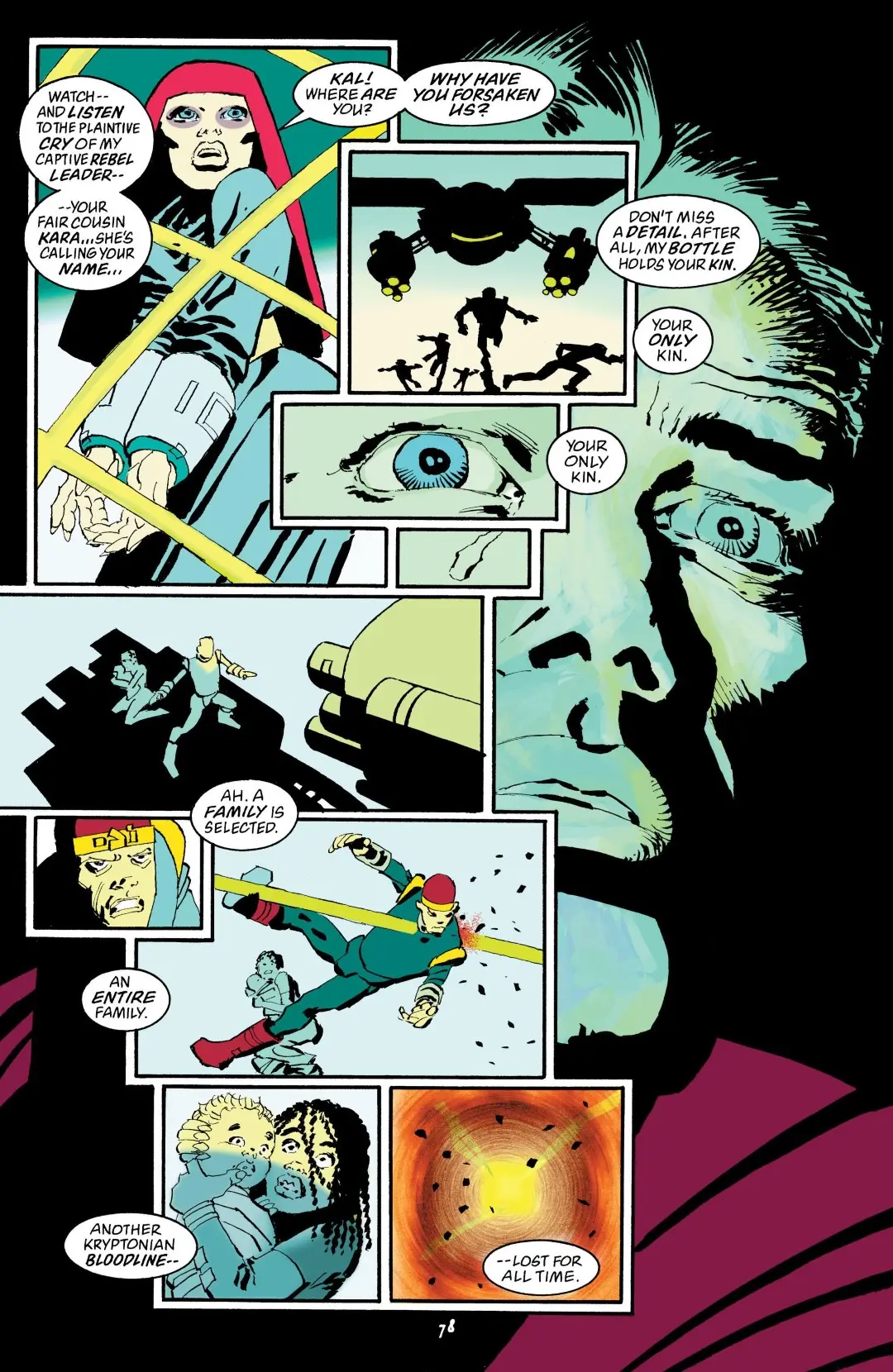
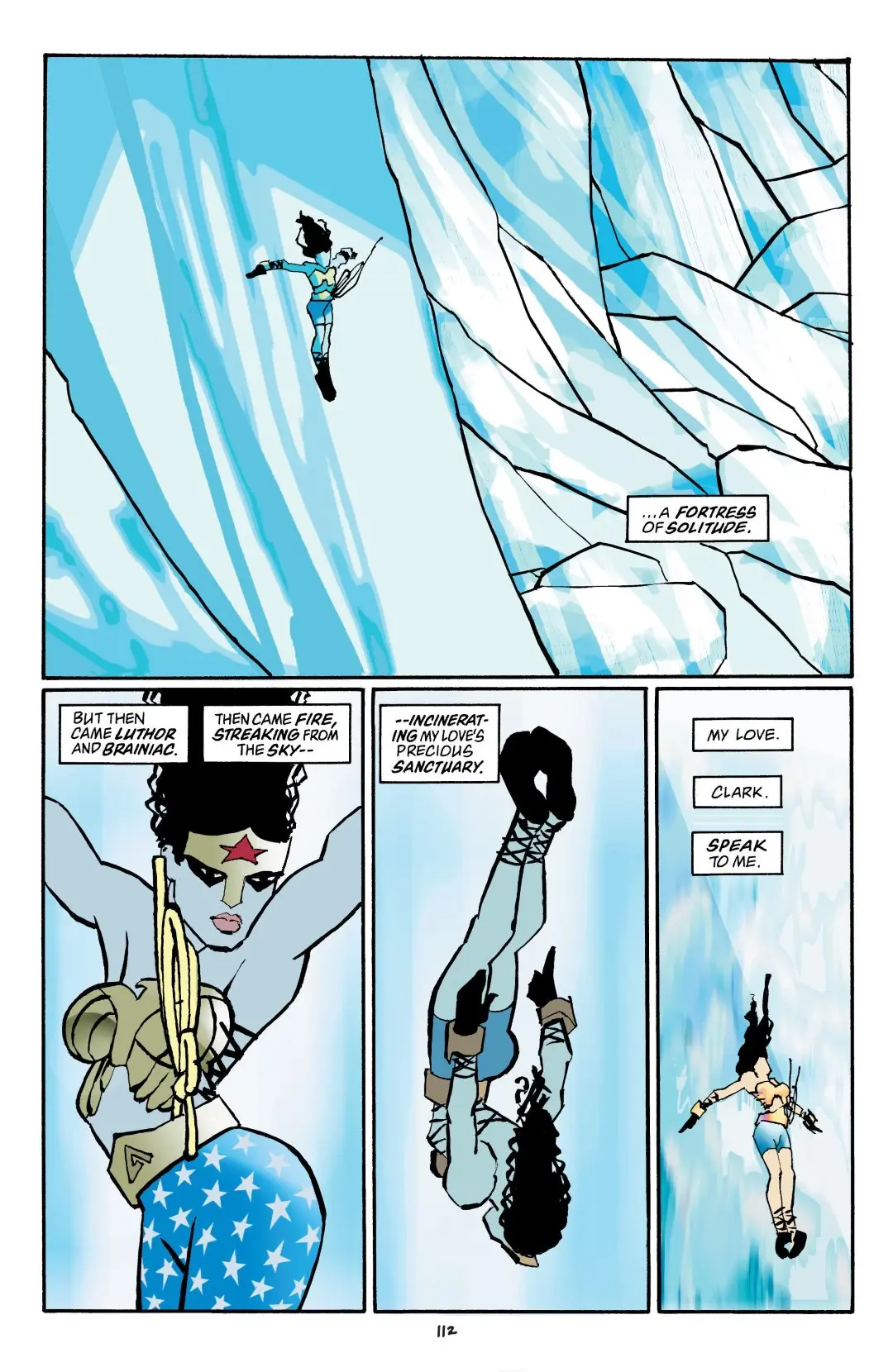
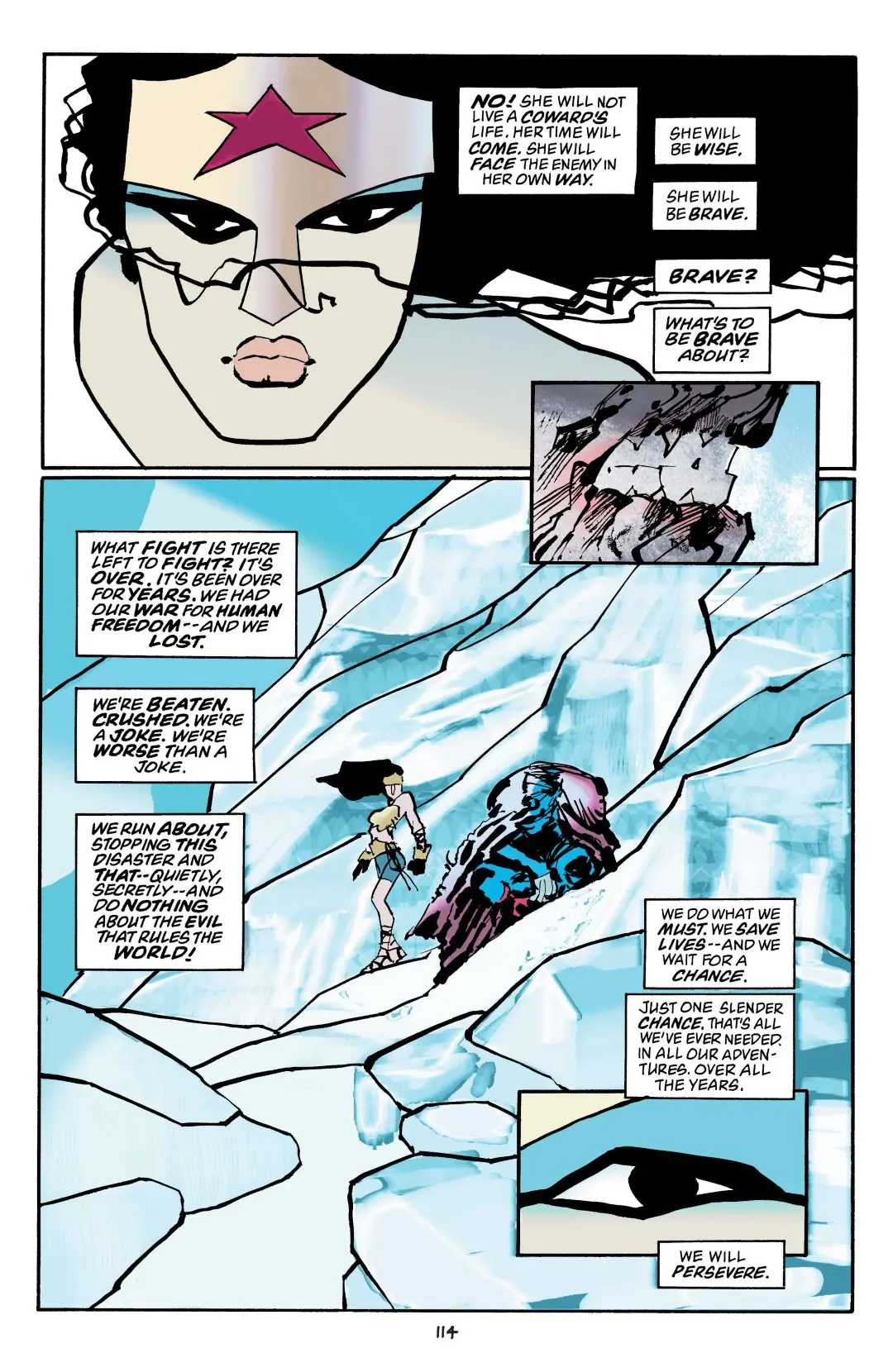
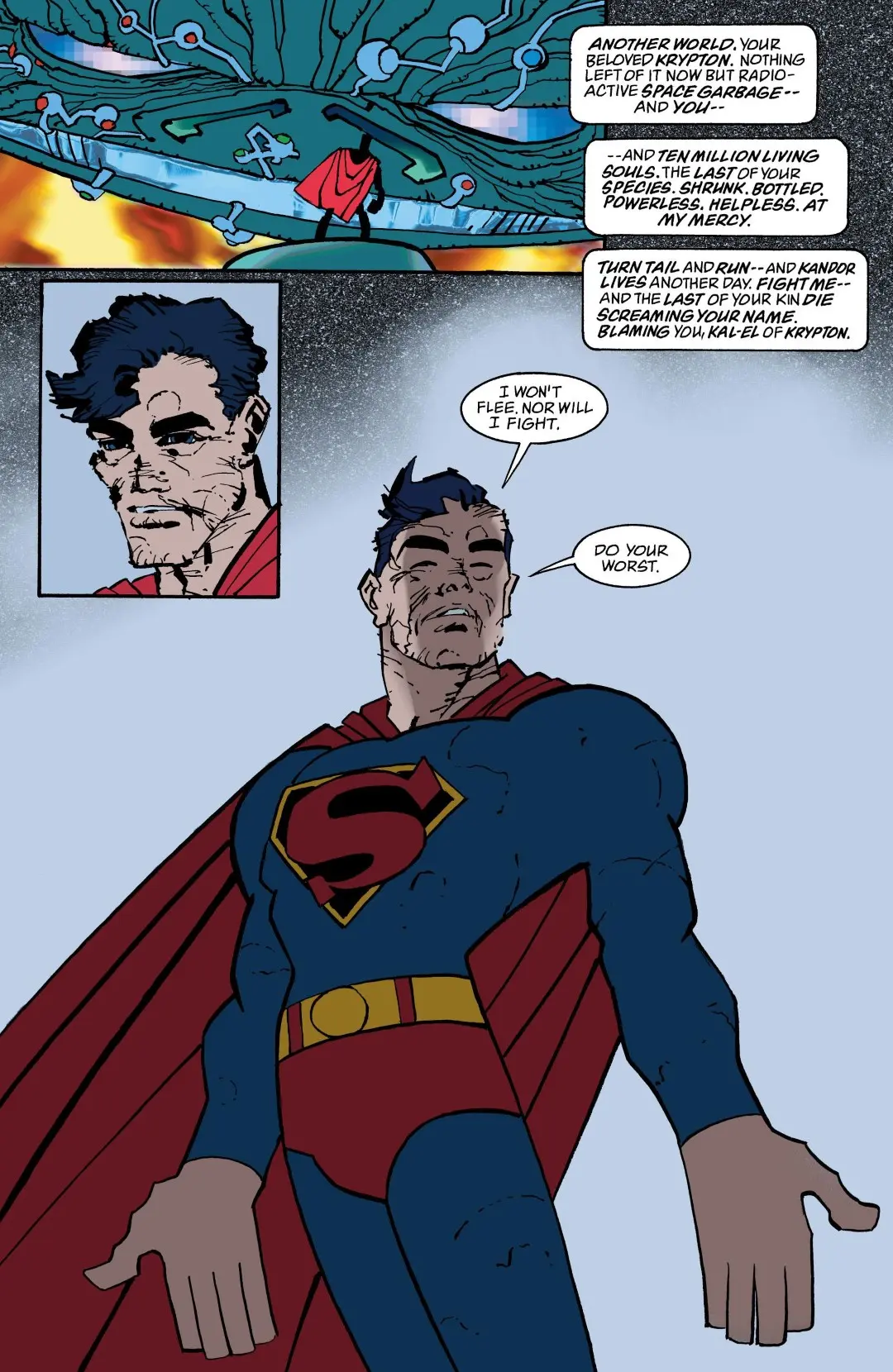
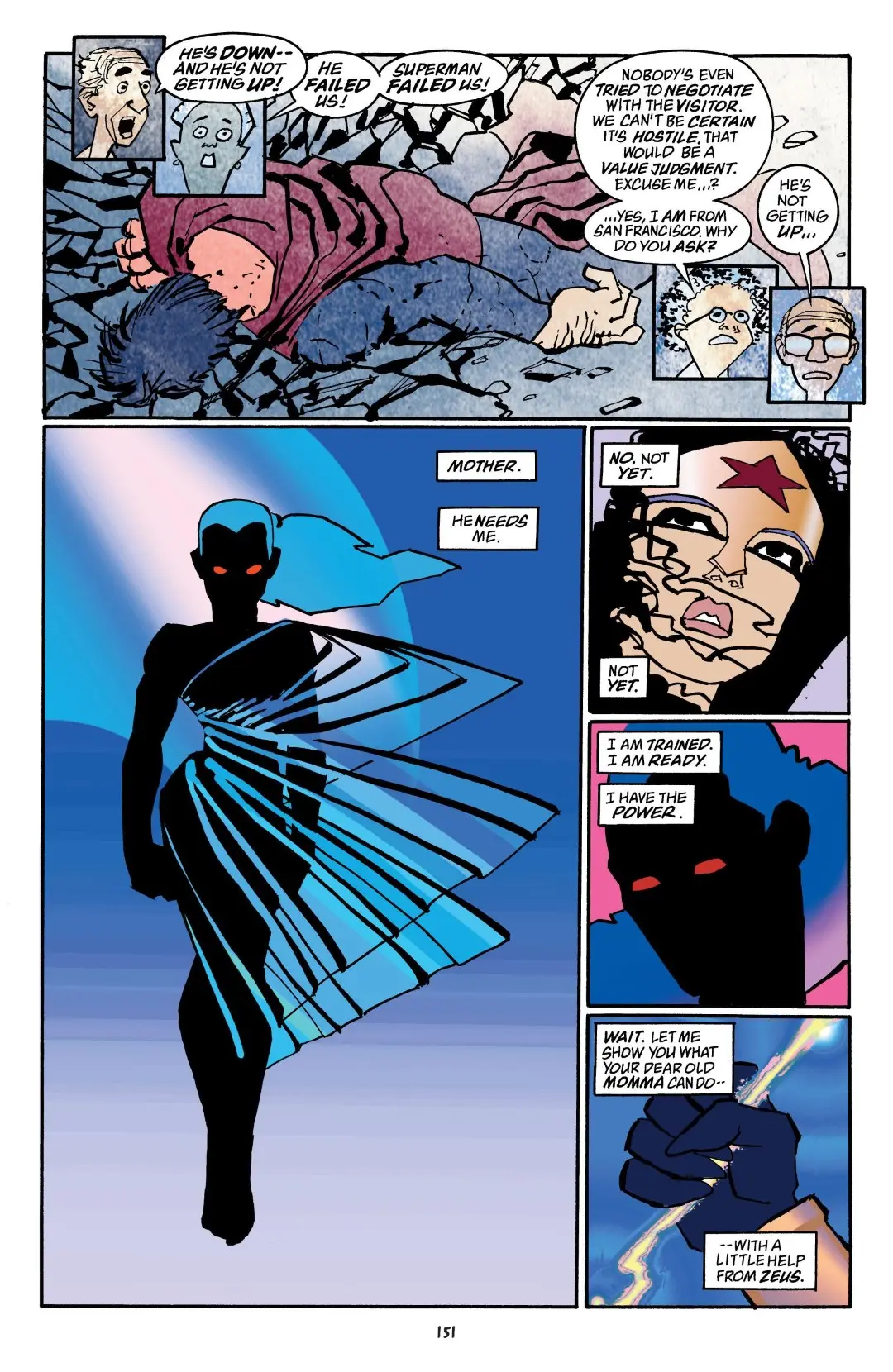
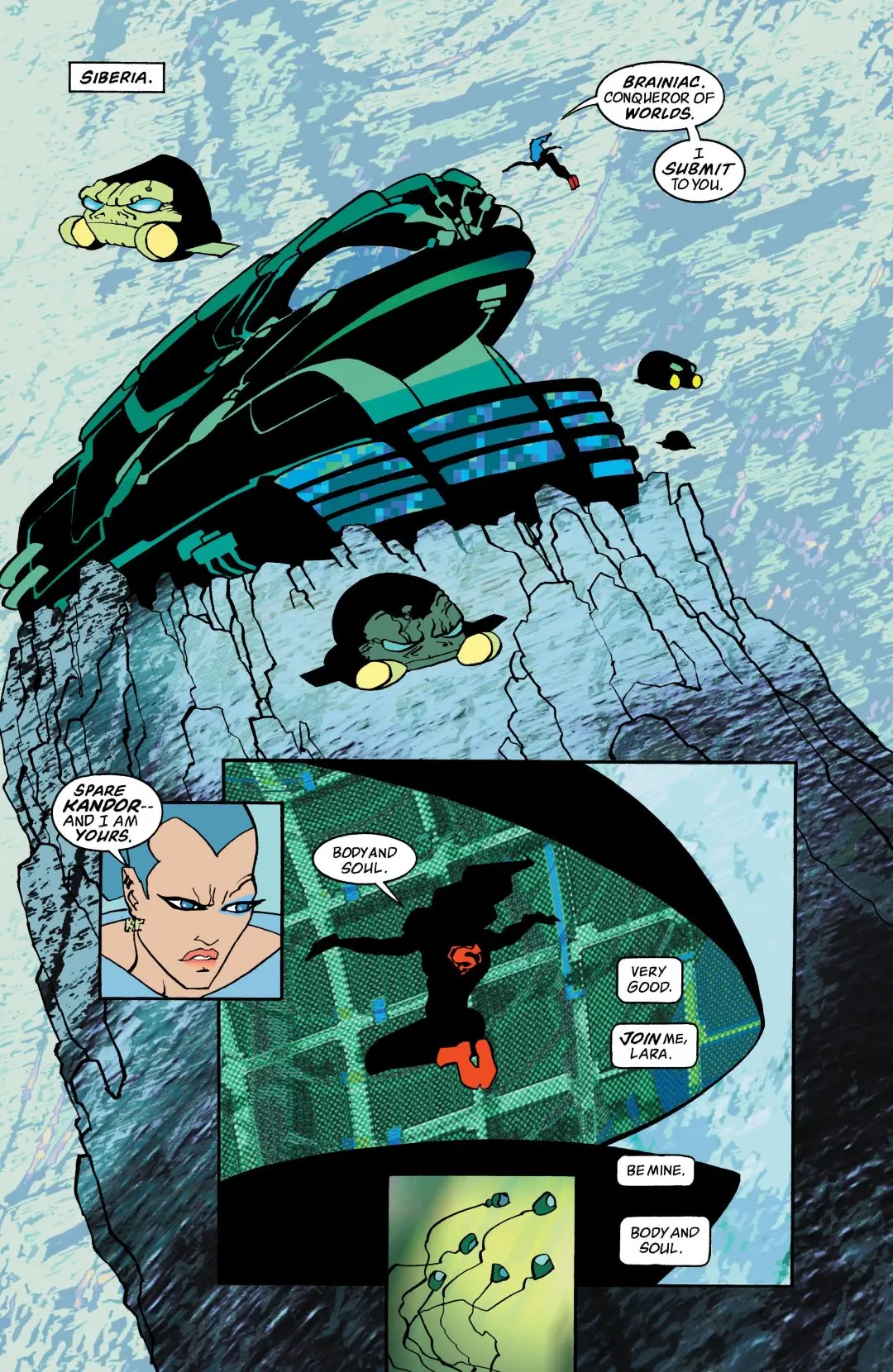
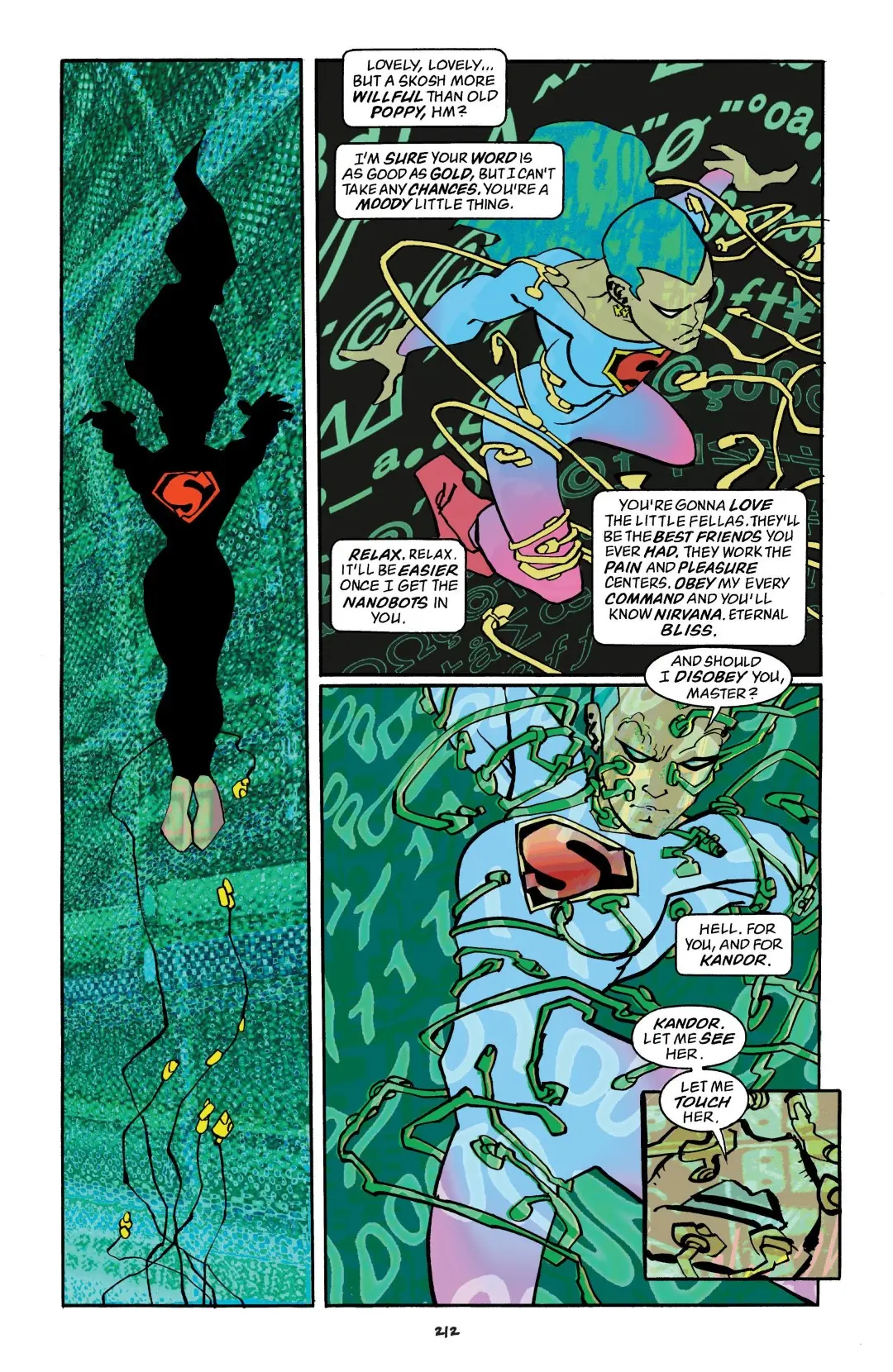
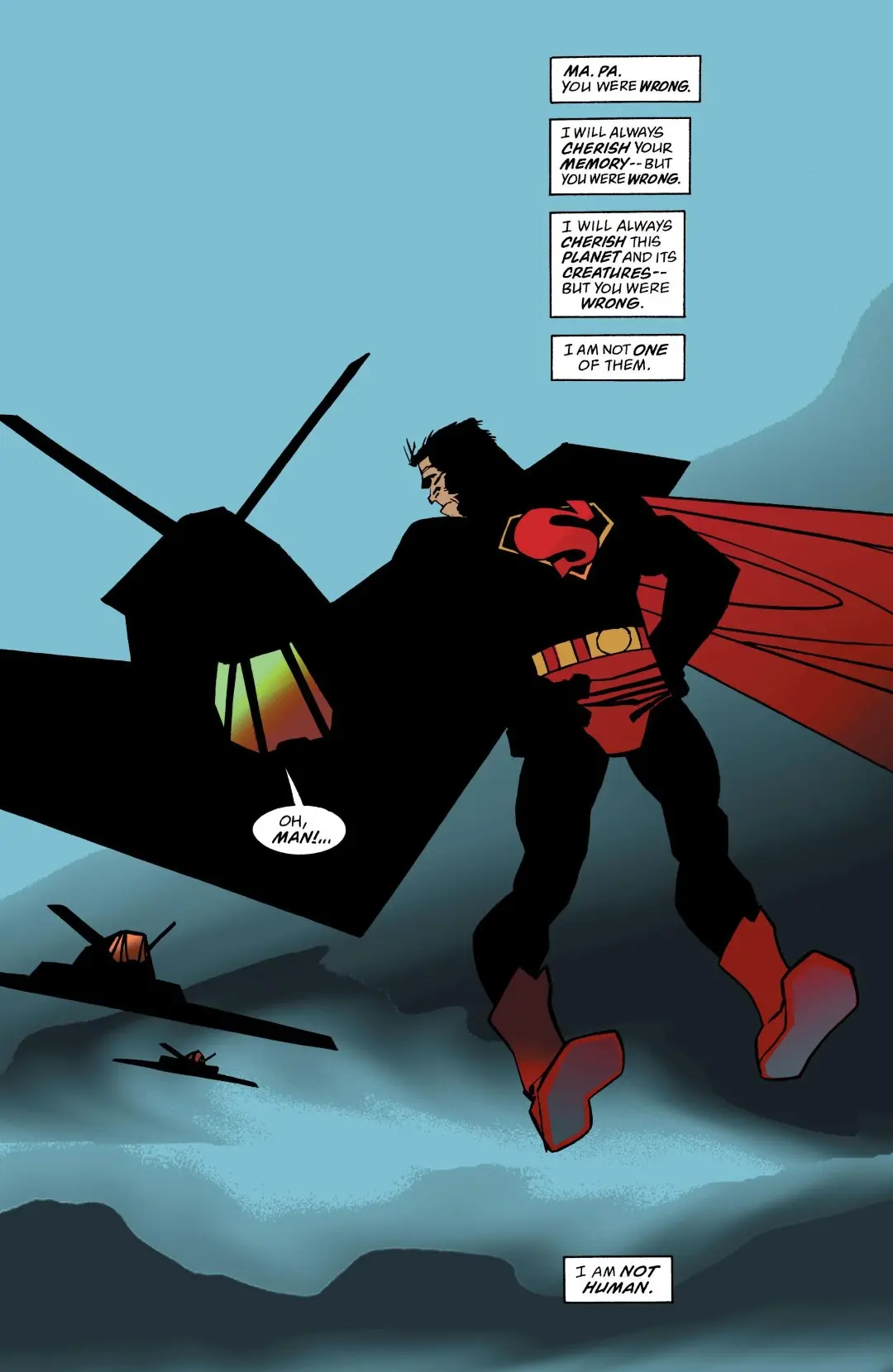
The Justice League has been fractured, Superman reduced to a broken puppet serving the state to protect the bottled city of Kandor, and Wonder Woman kept isolated on Paradise Island.
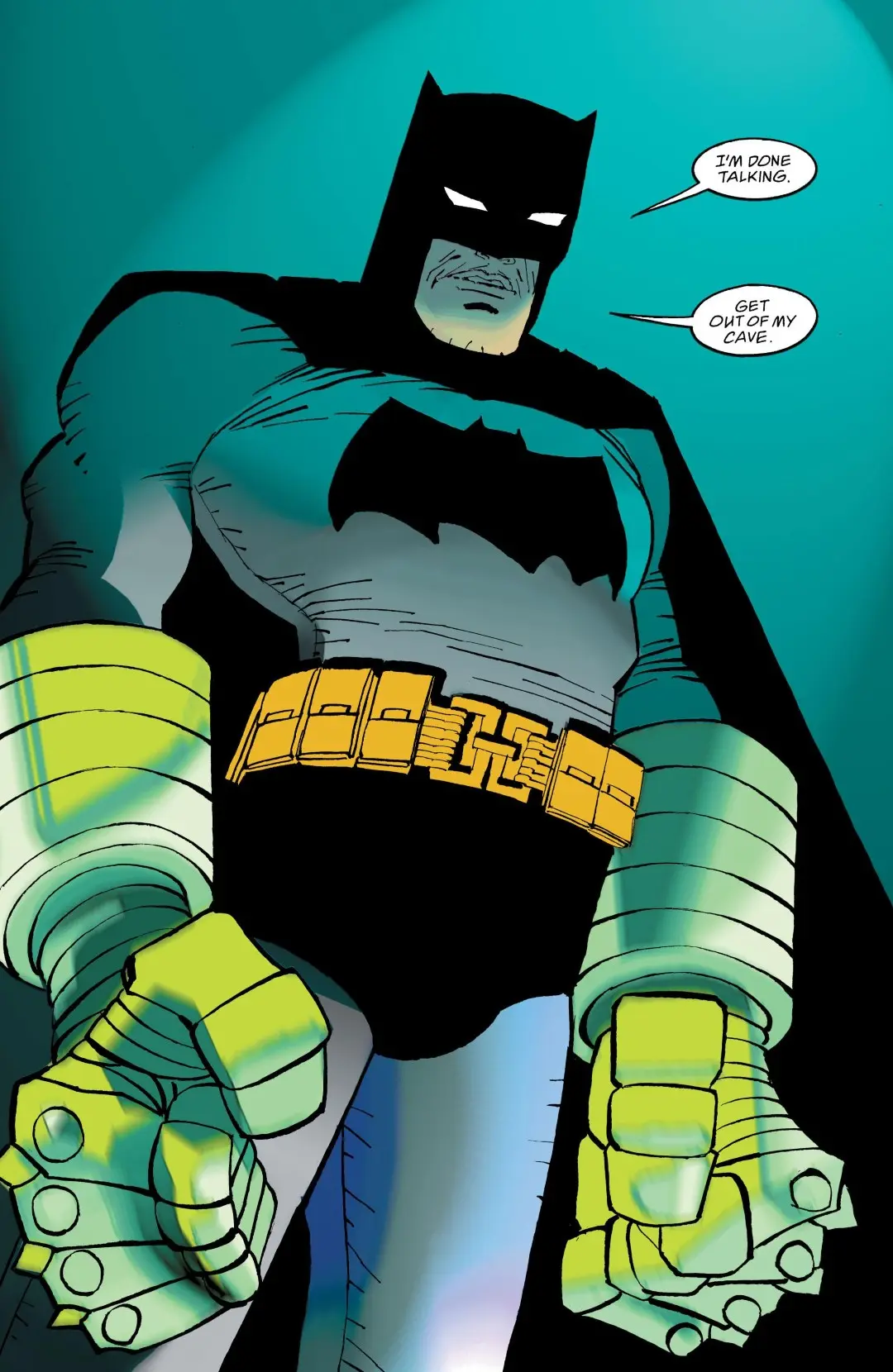
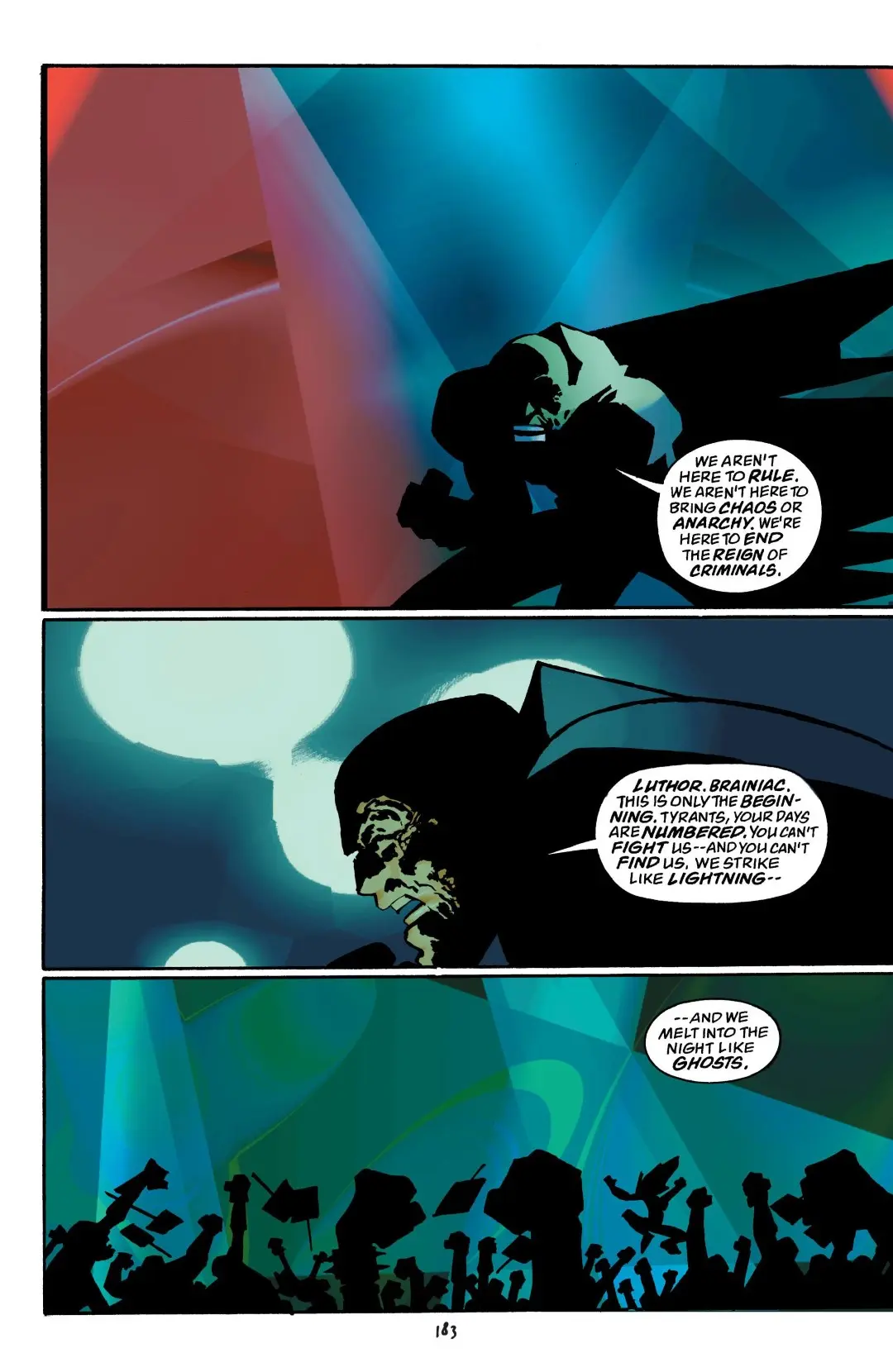
Into this nightmare steps Batman, not as a detective or a creature of the night, but as a revolutionary general, an anarchist strategist determined to tear the entire rotten structure down.
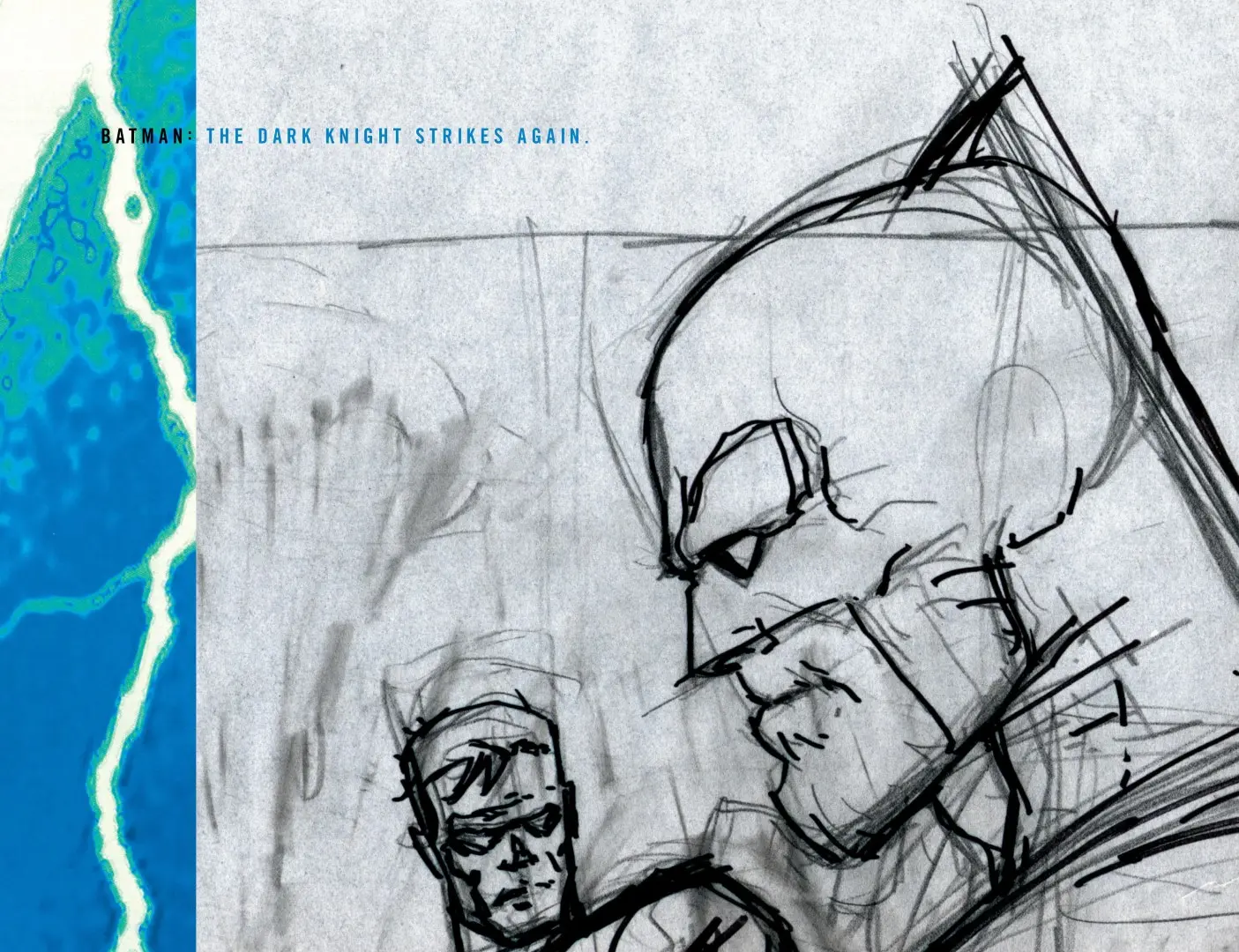
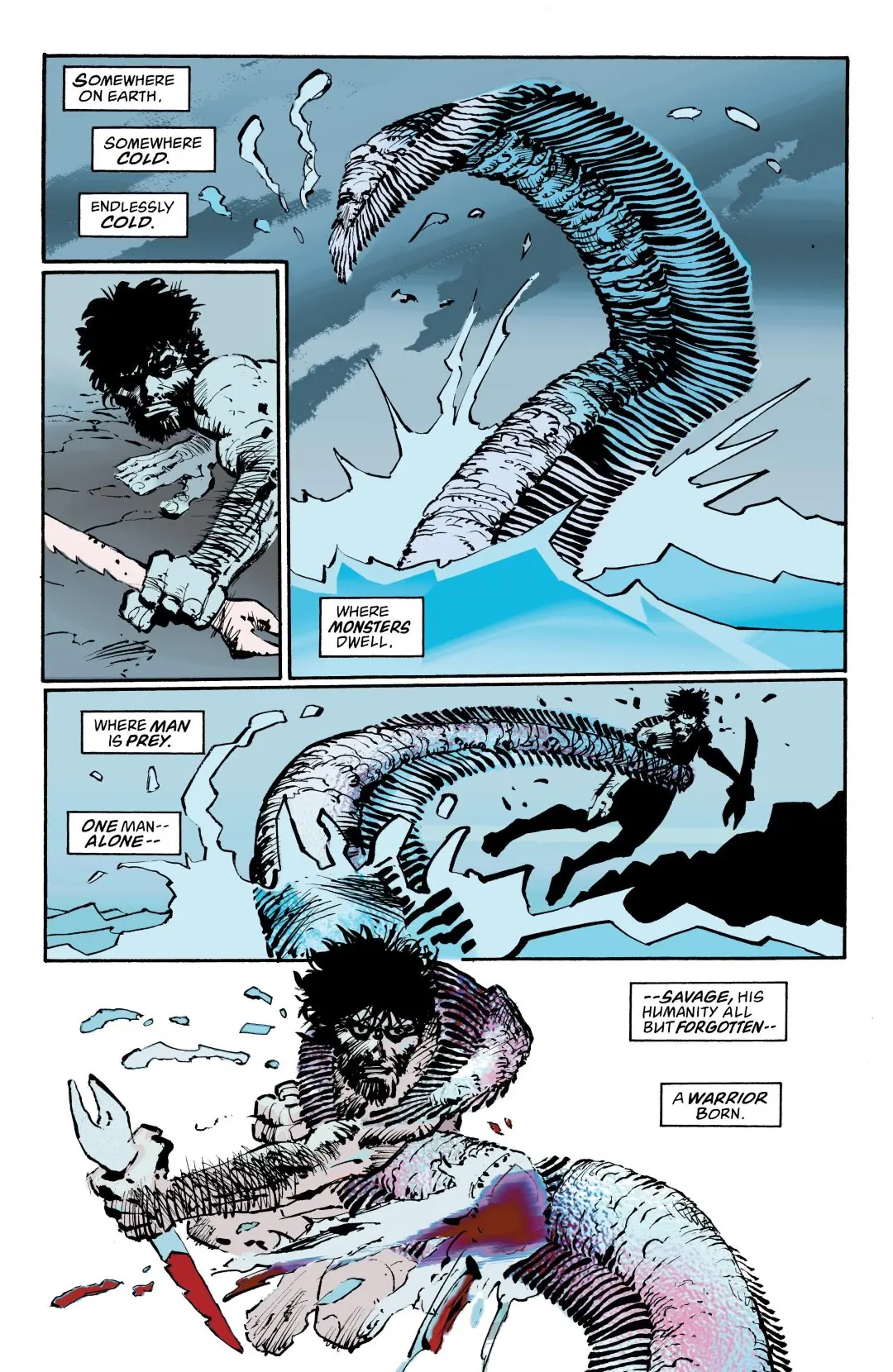
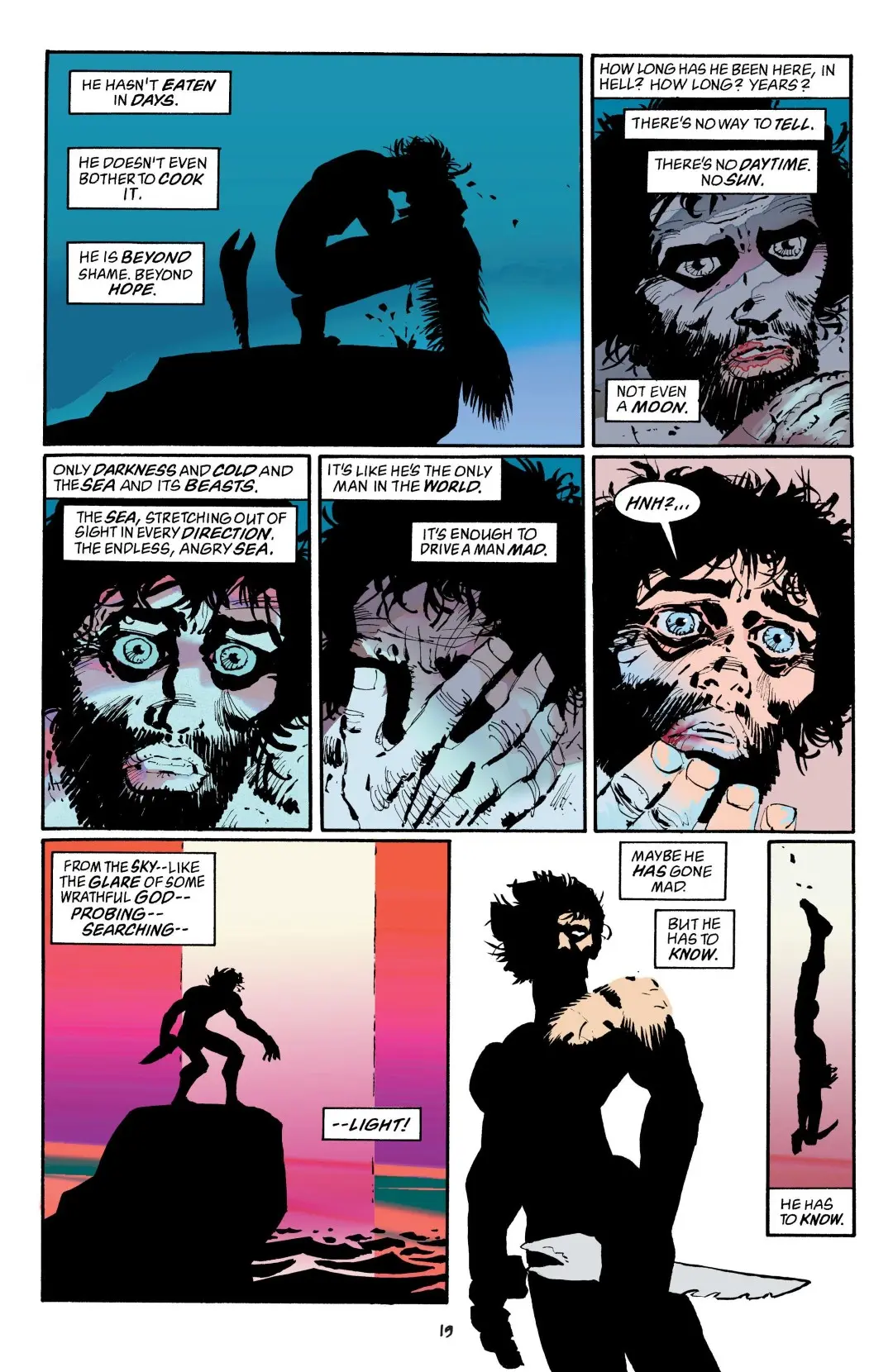
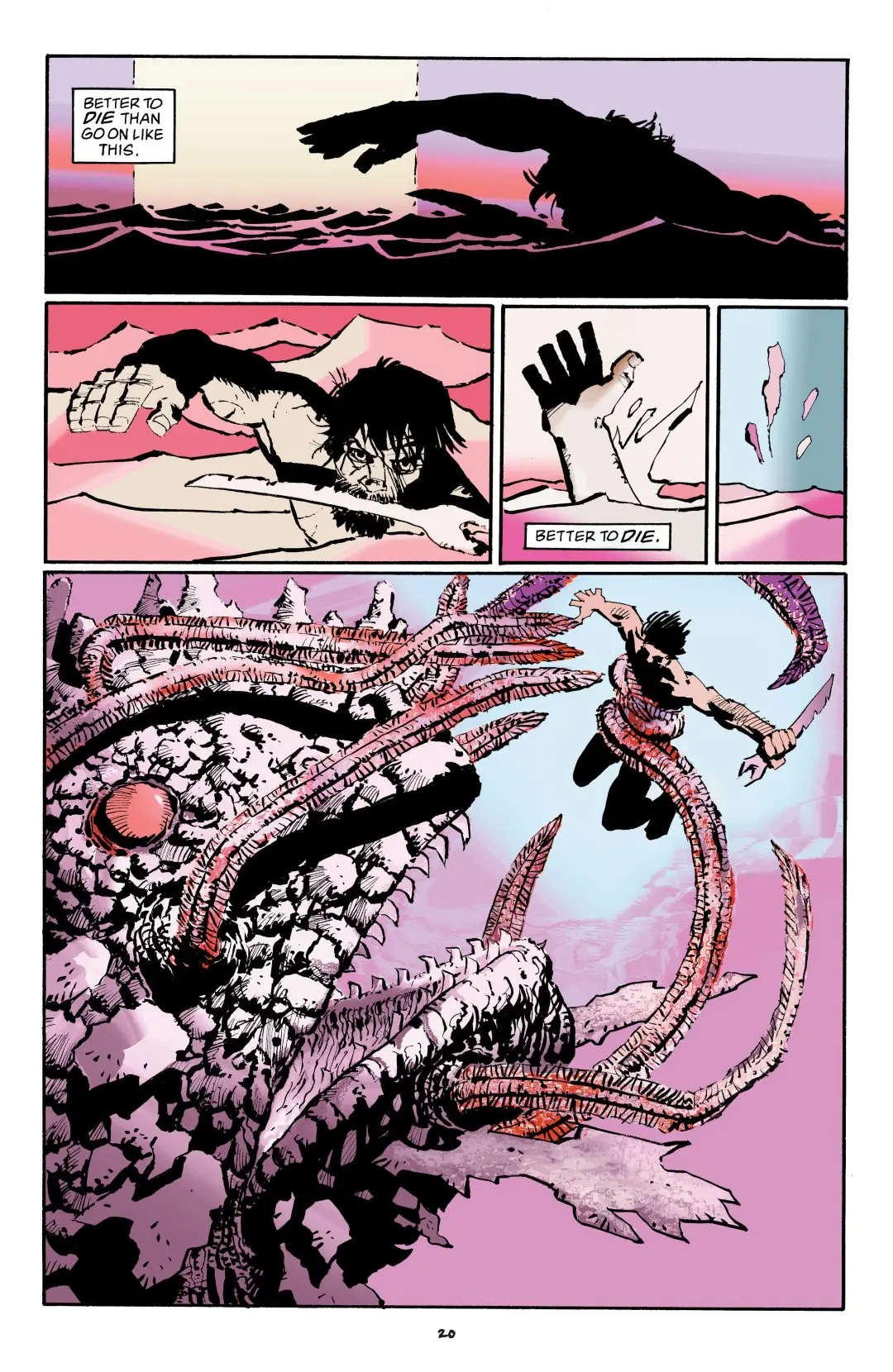
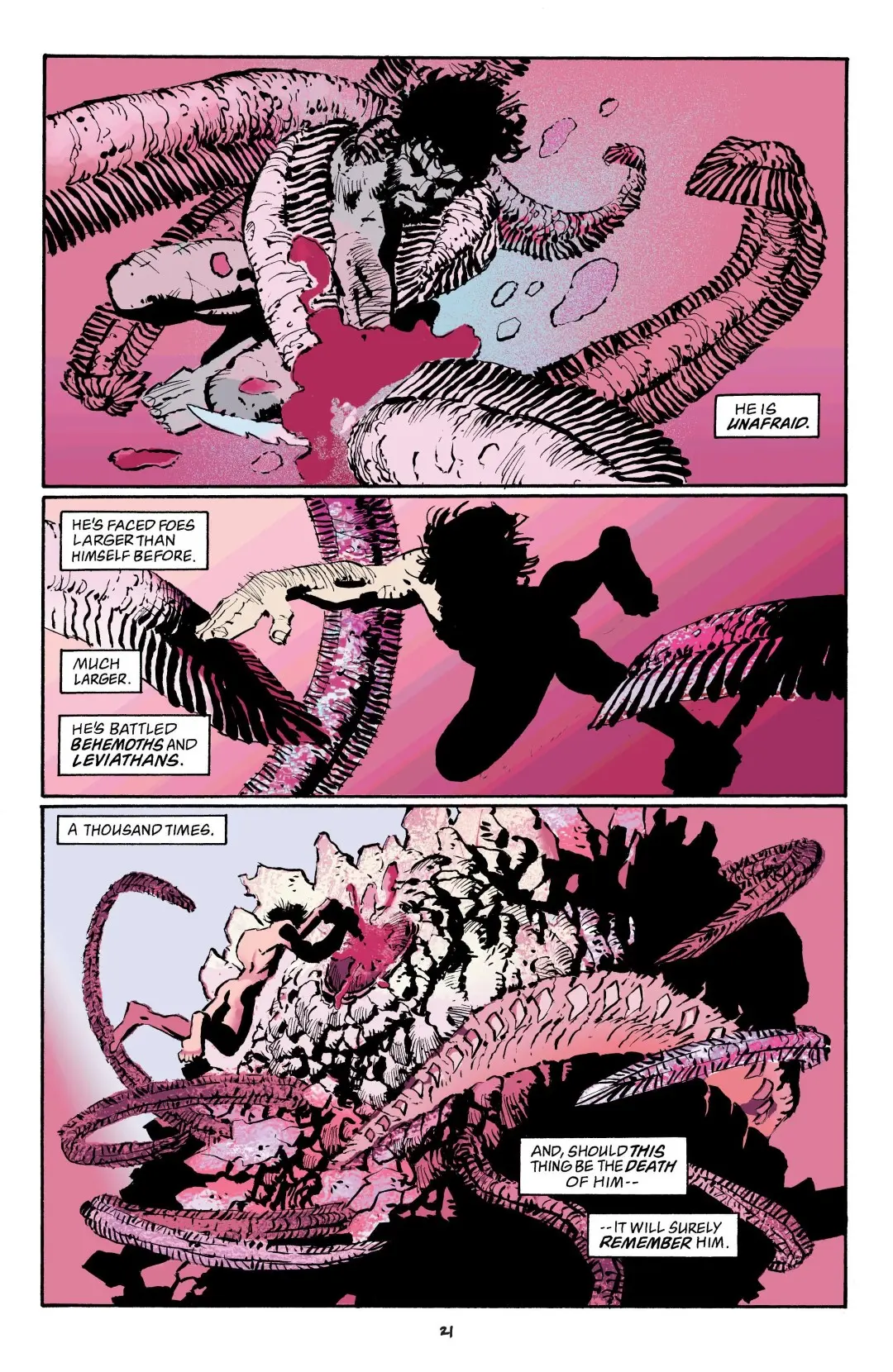
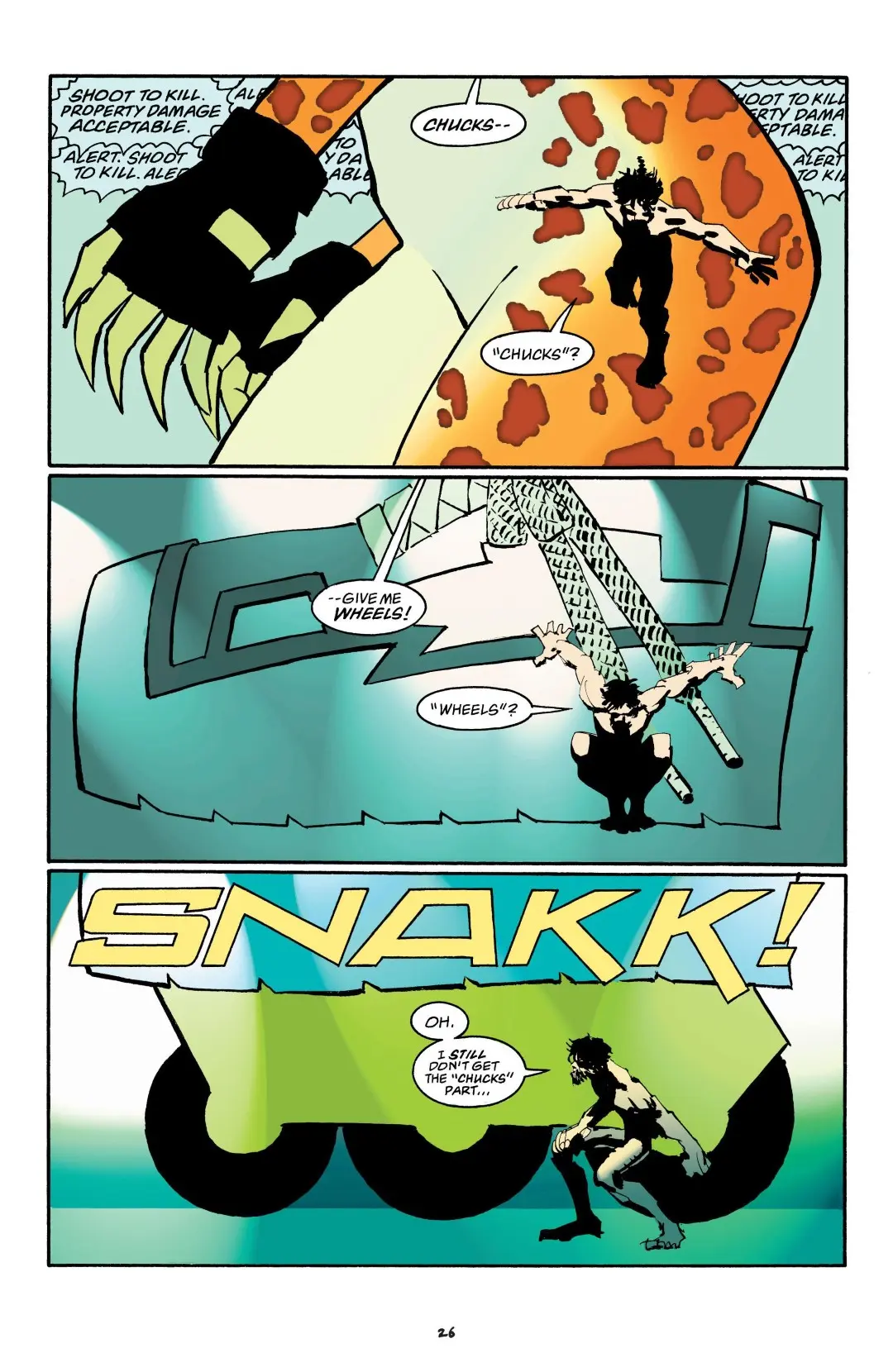
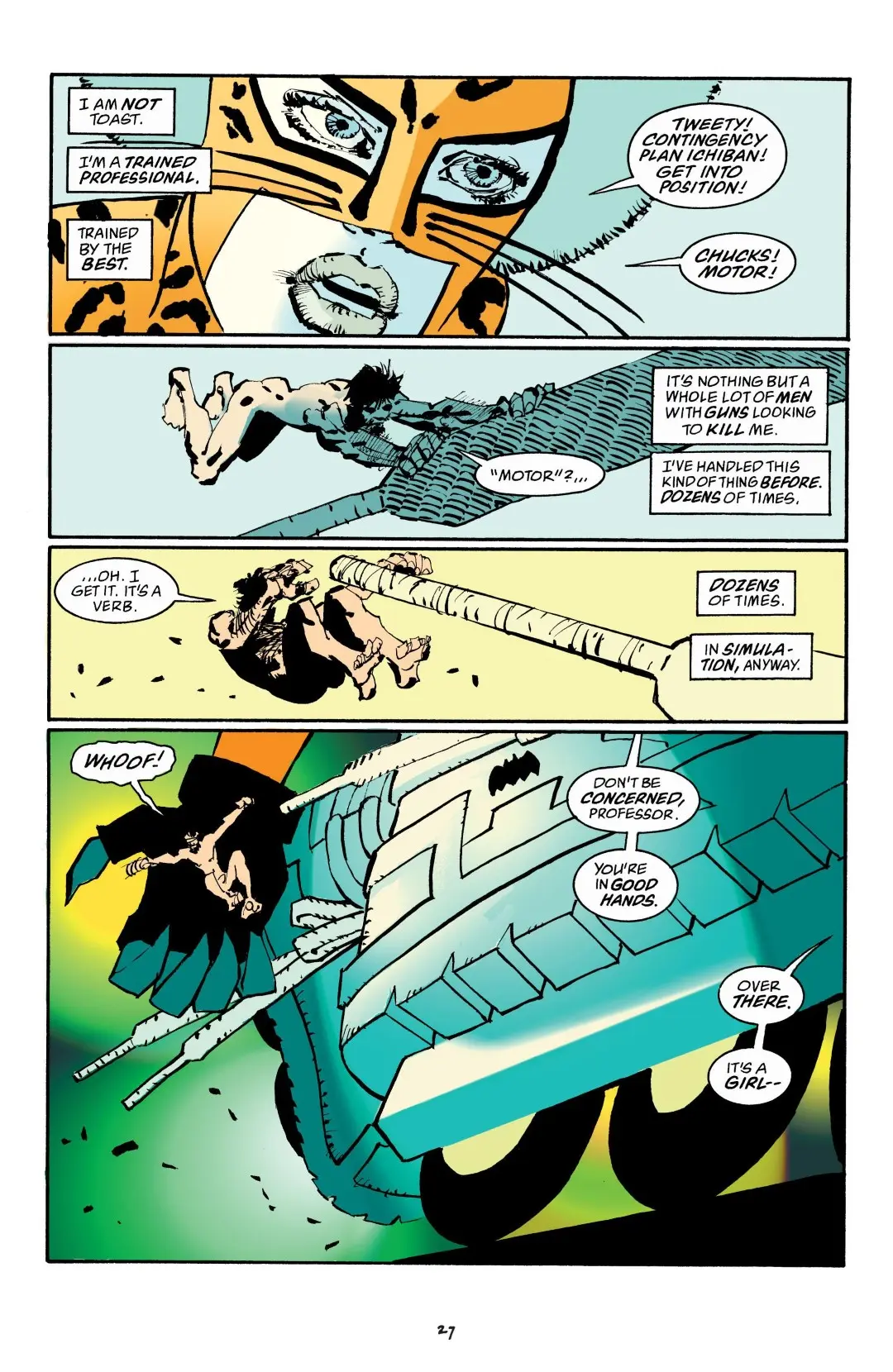
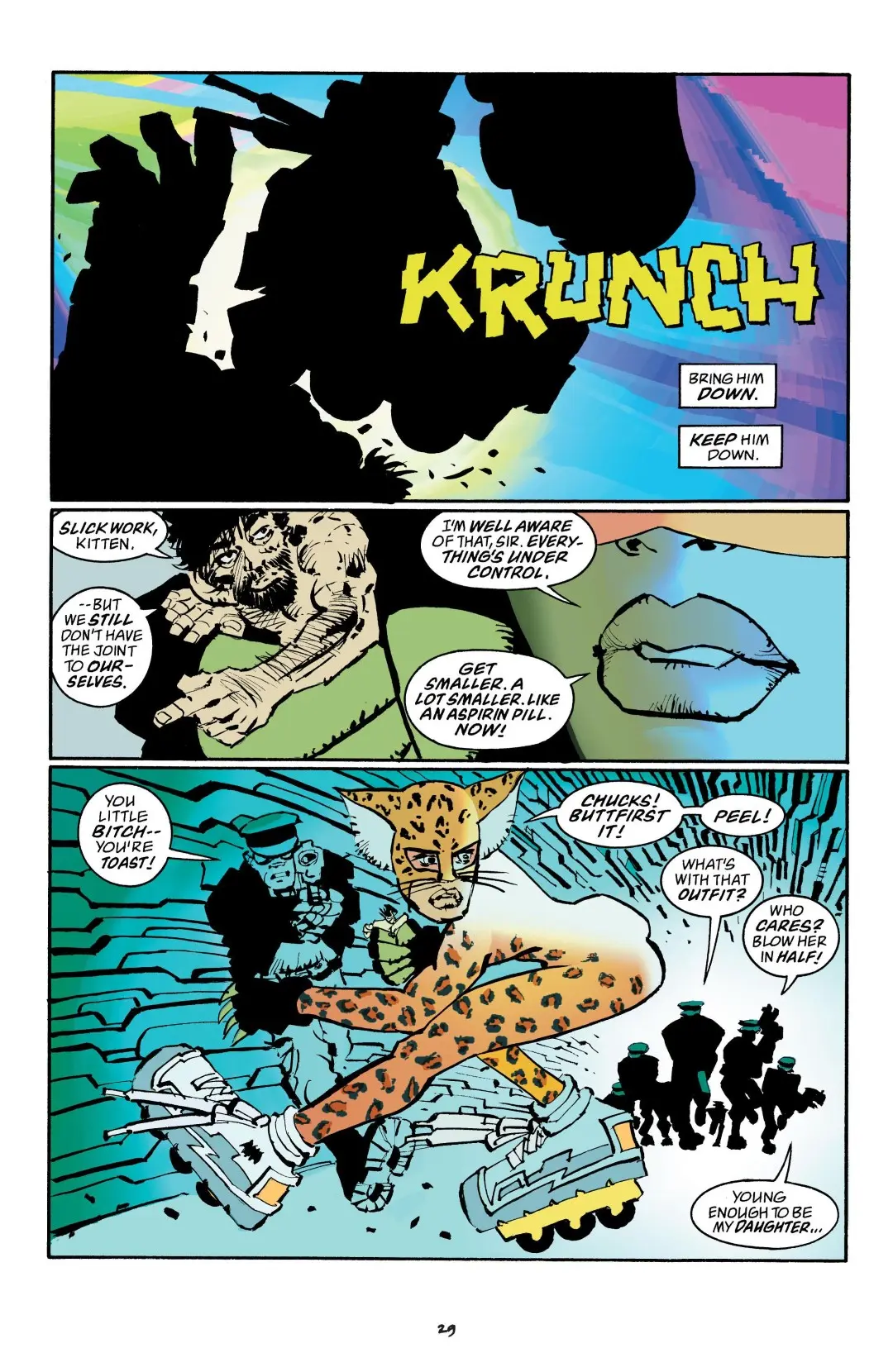
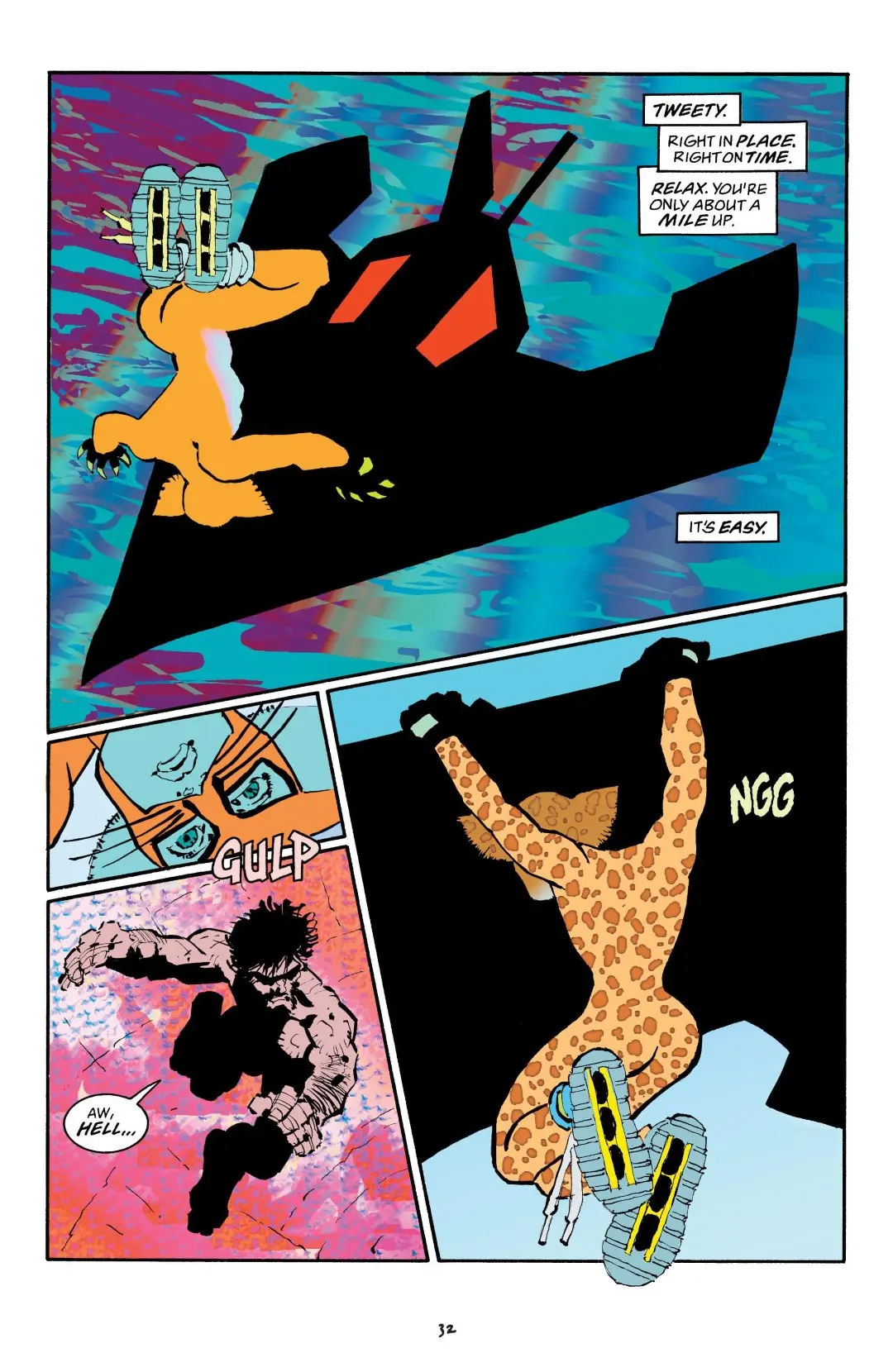
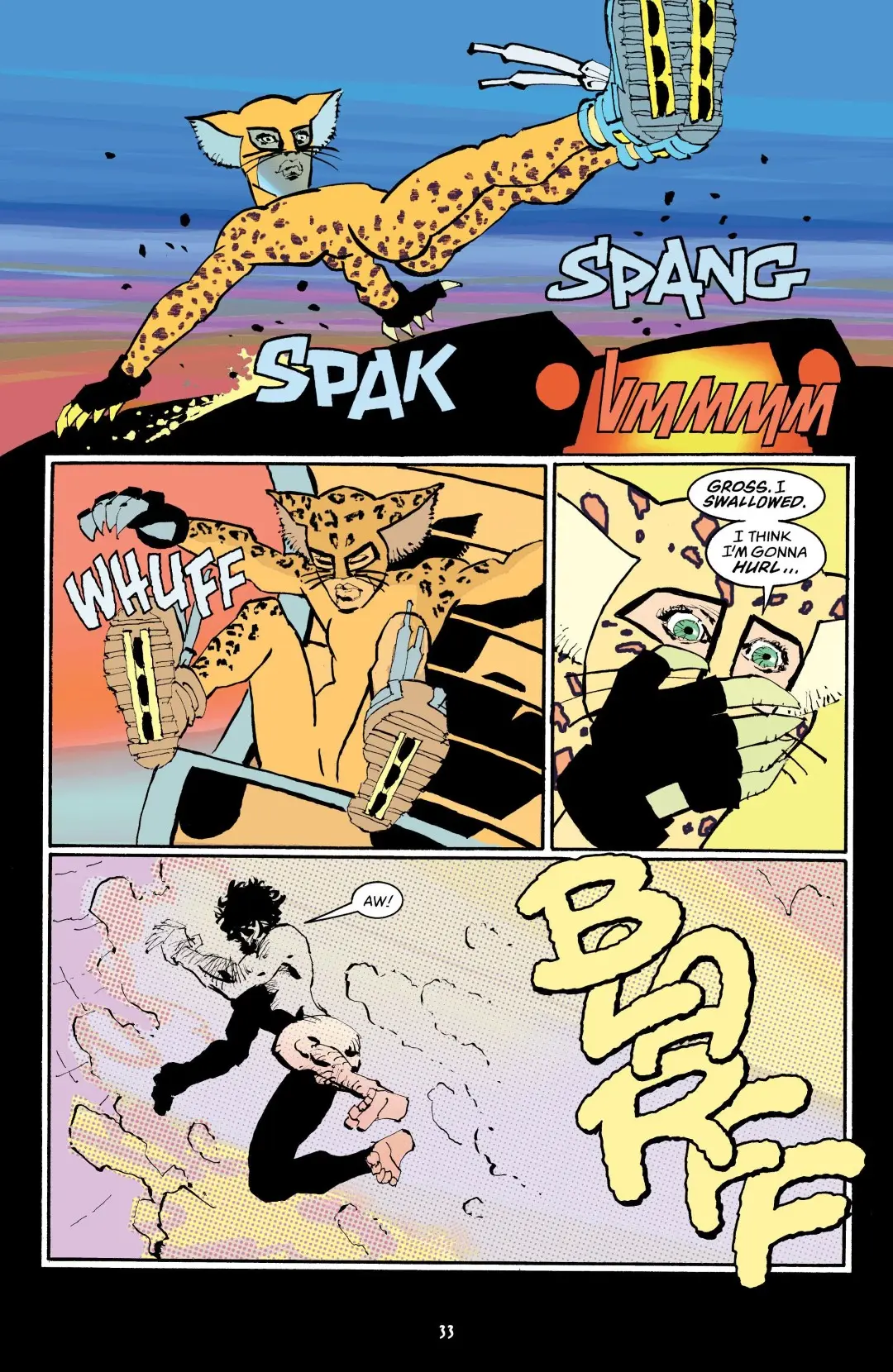
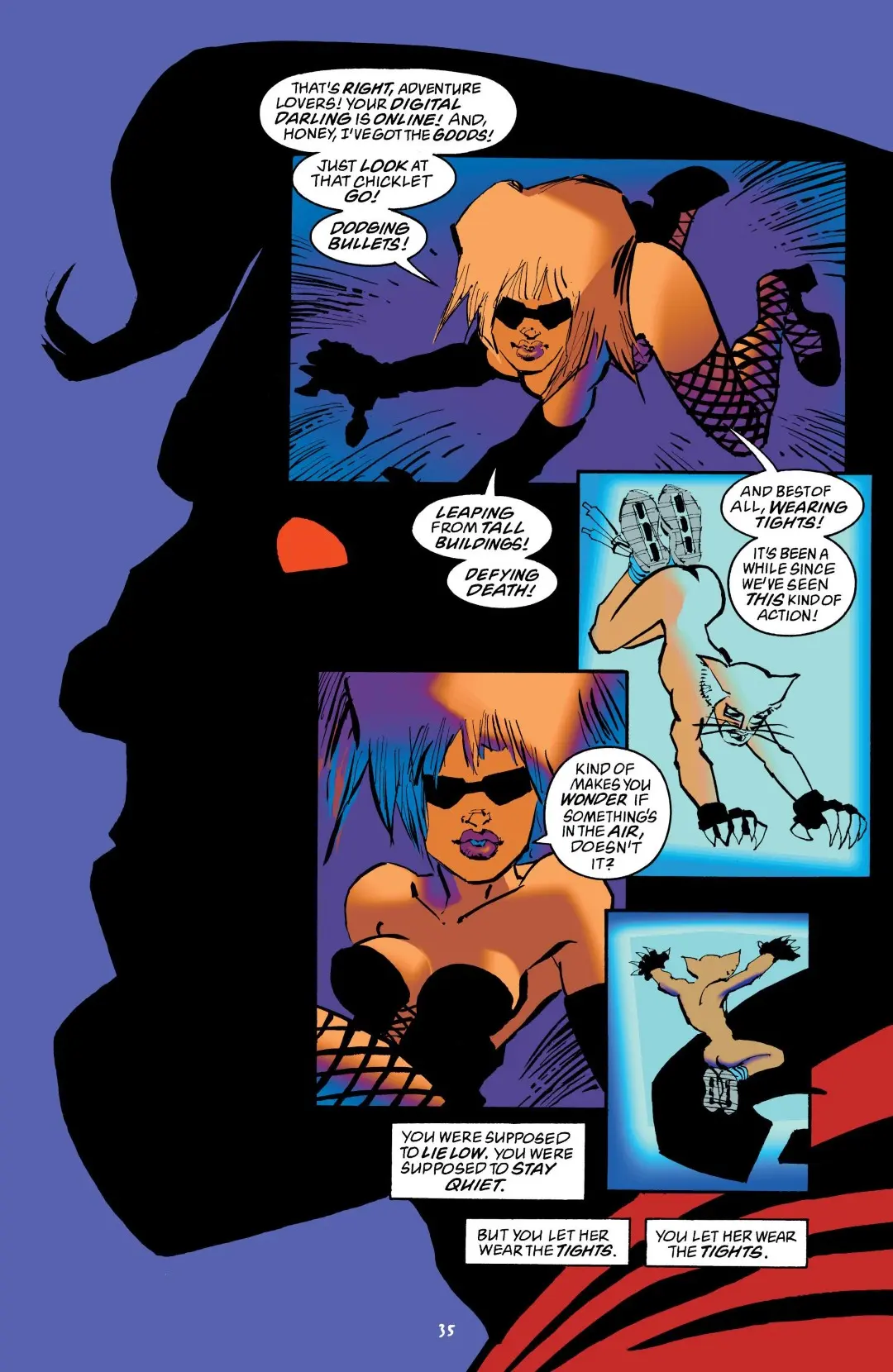
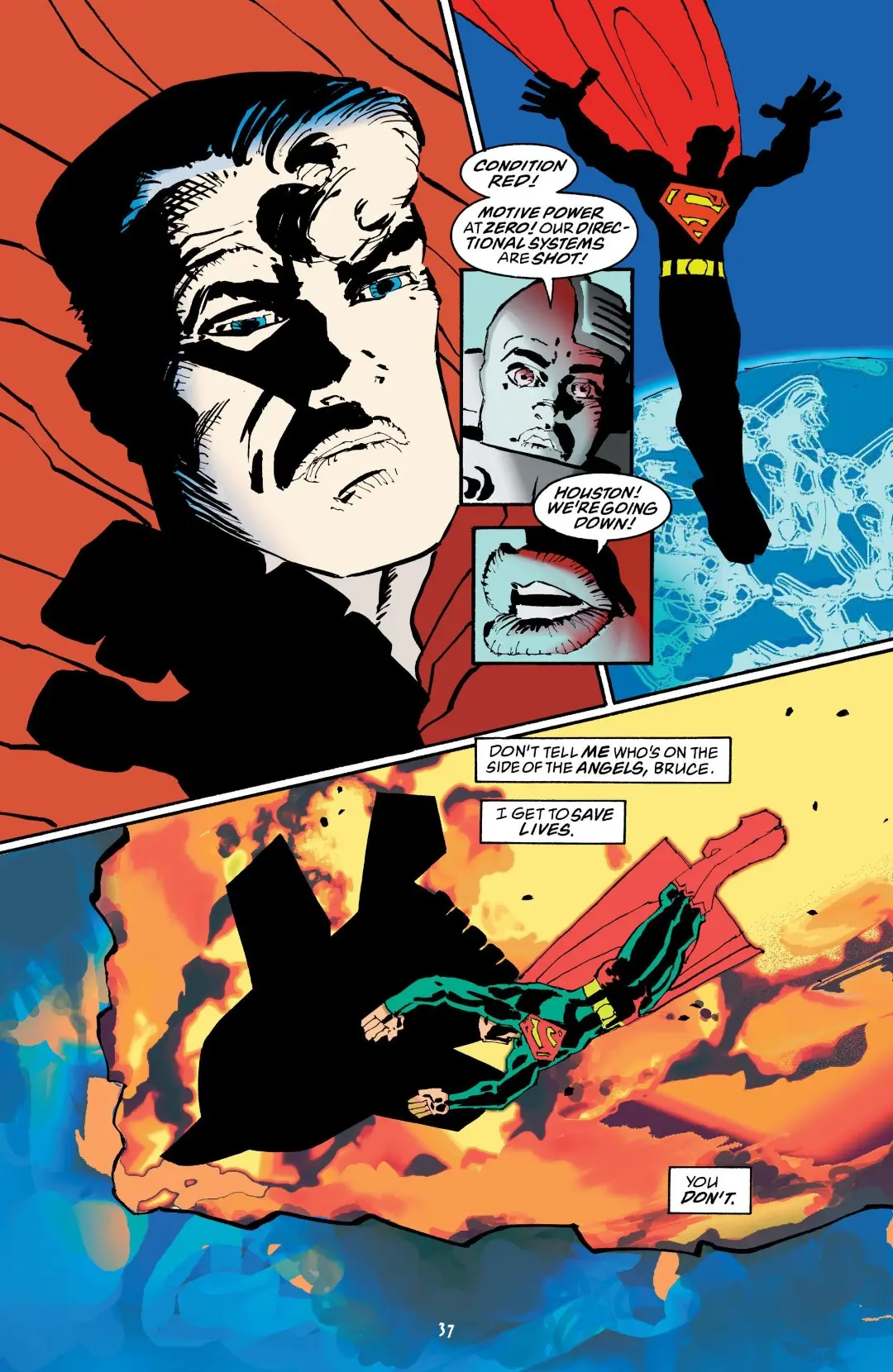
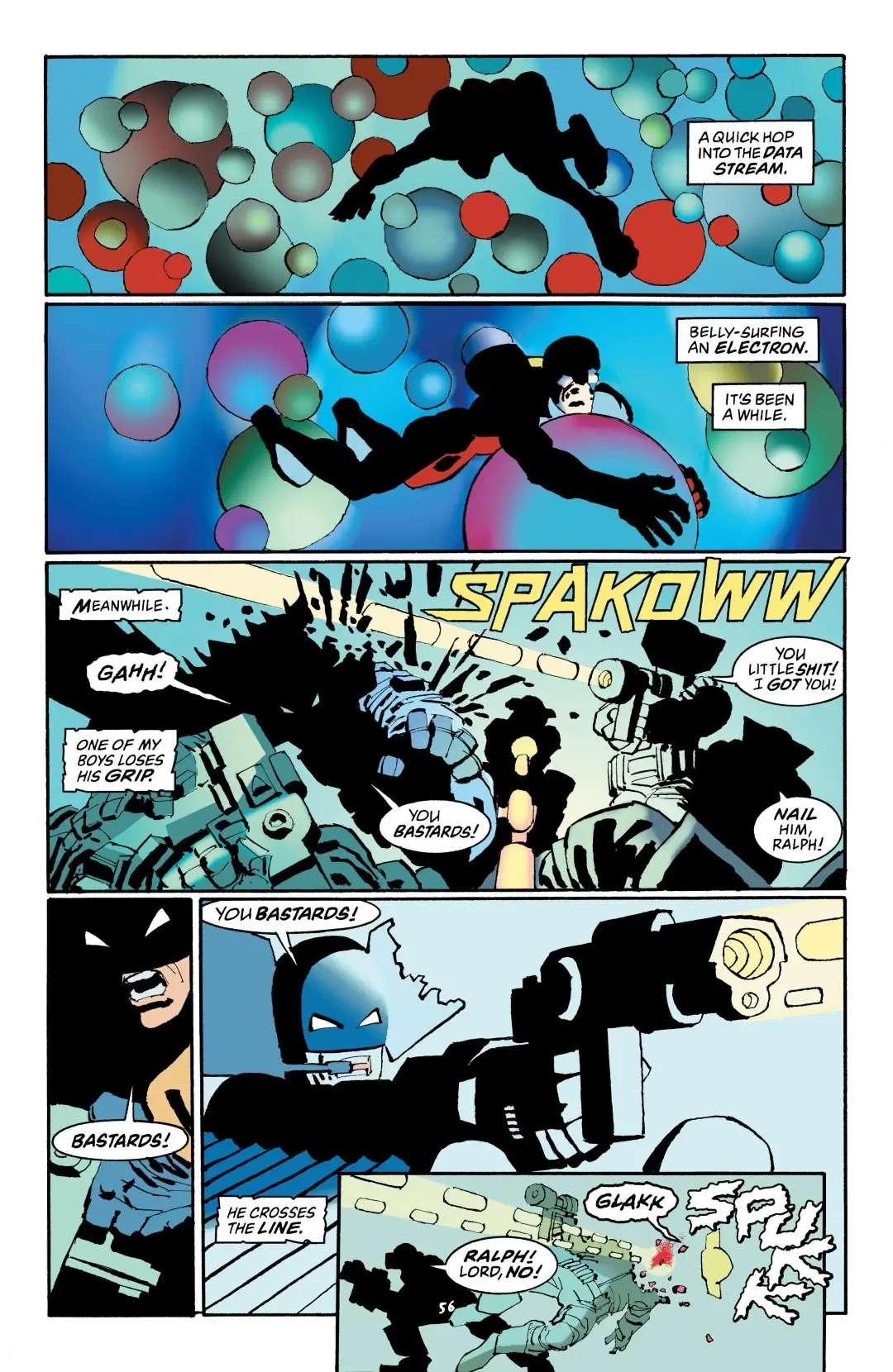
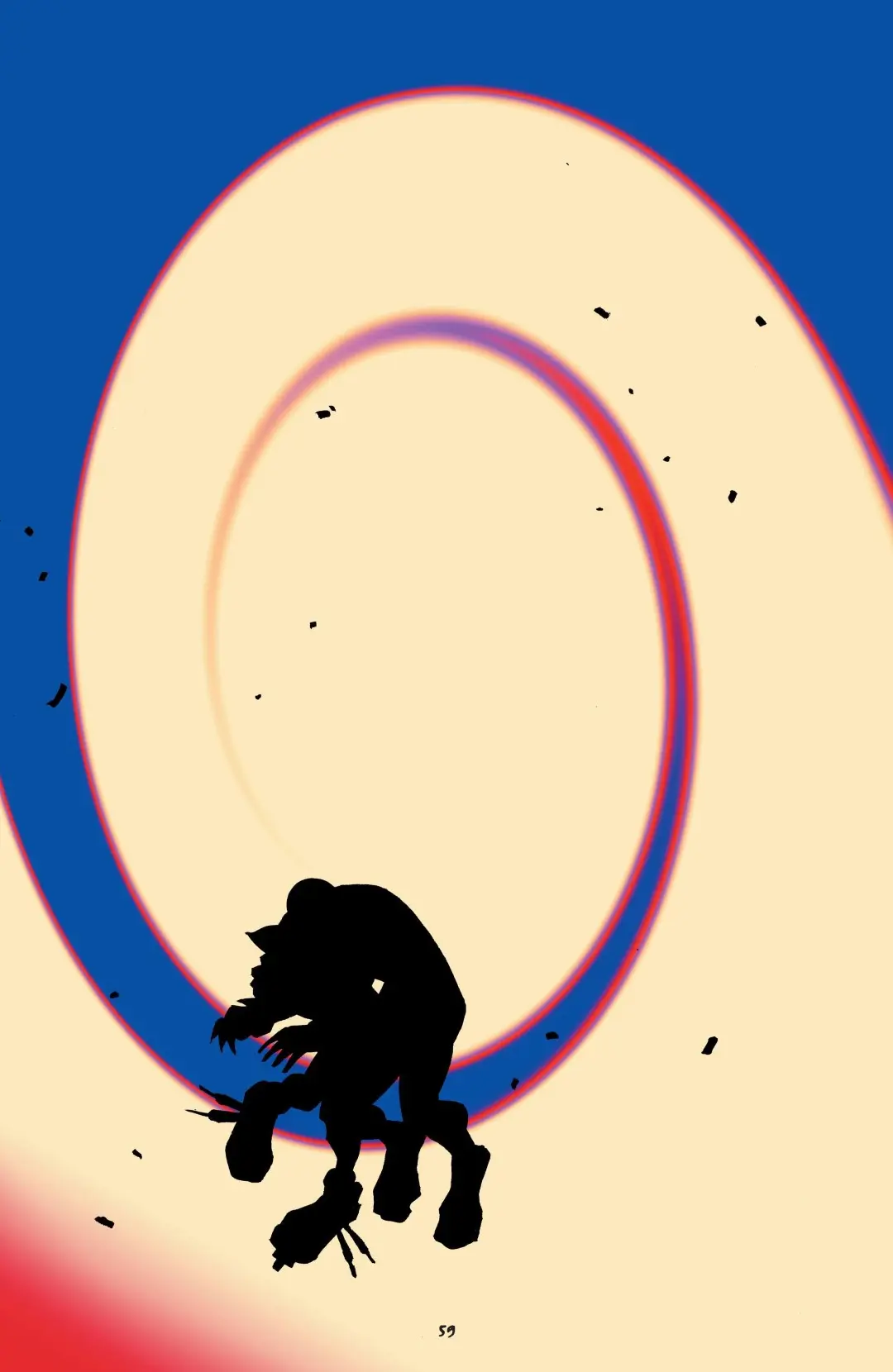
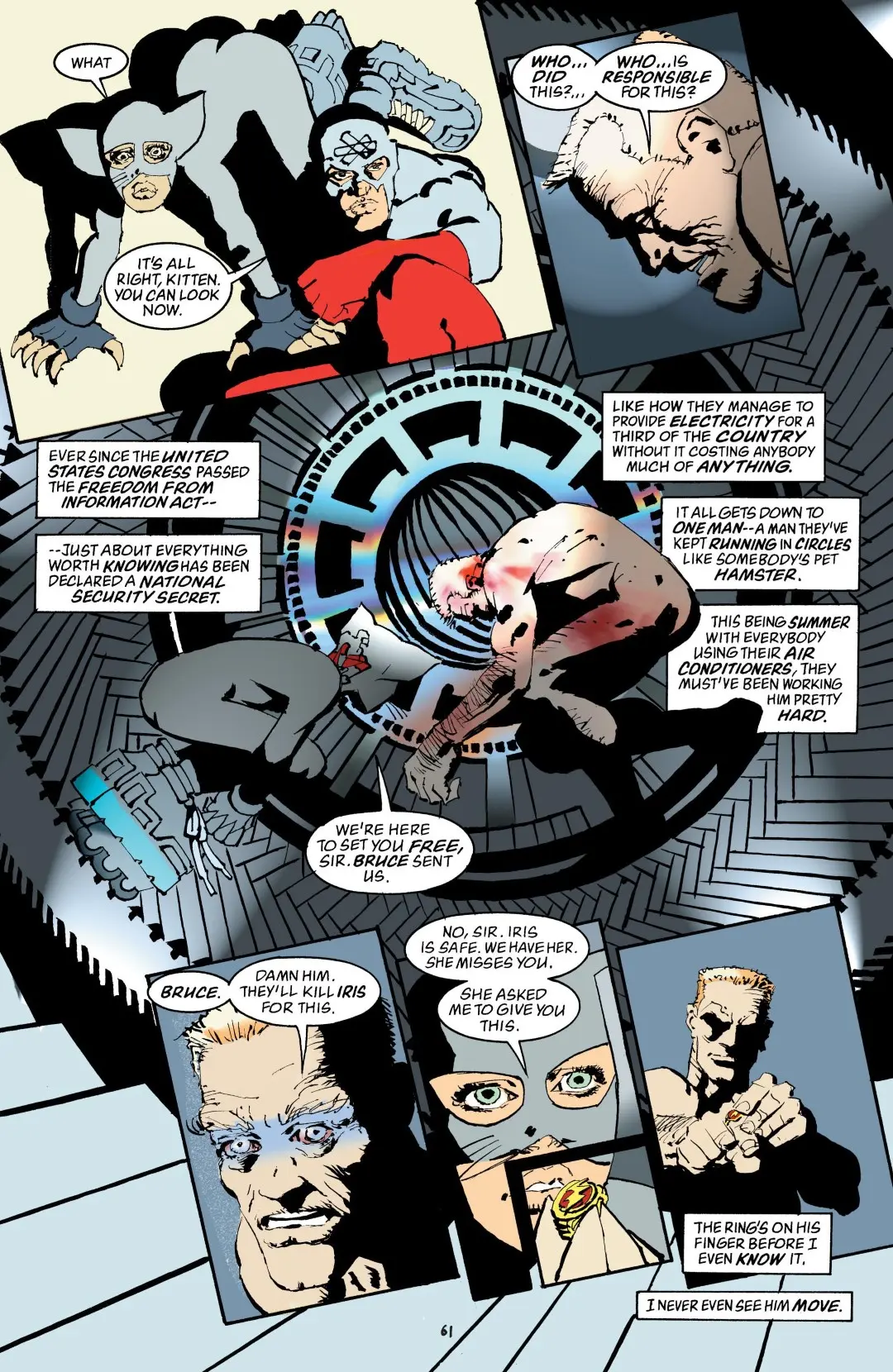
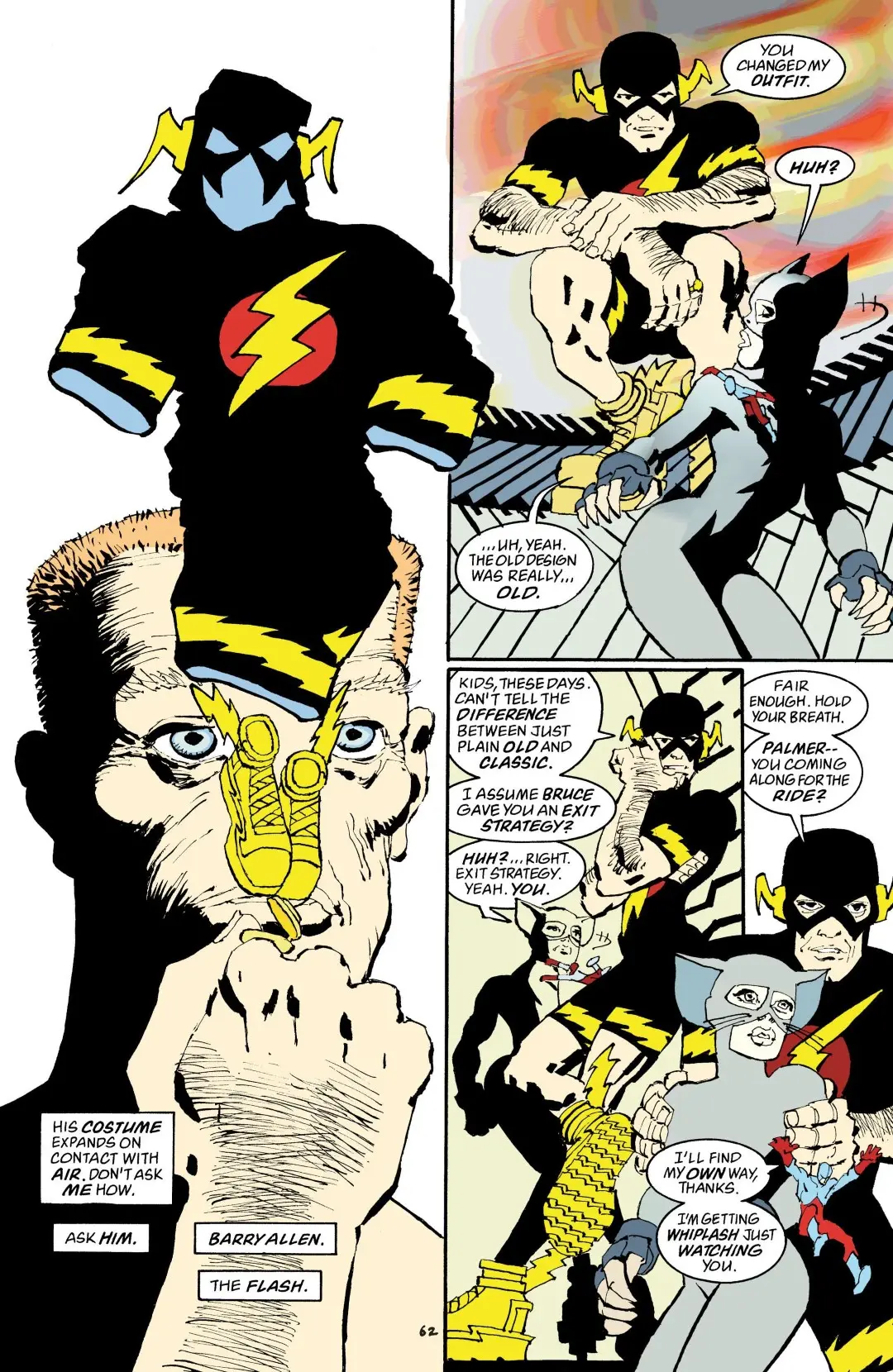
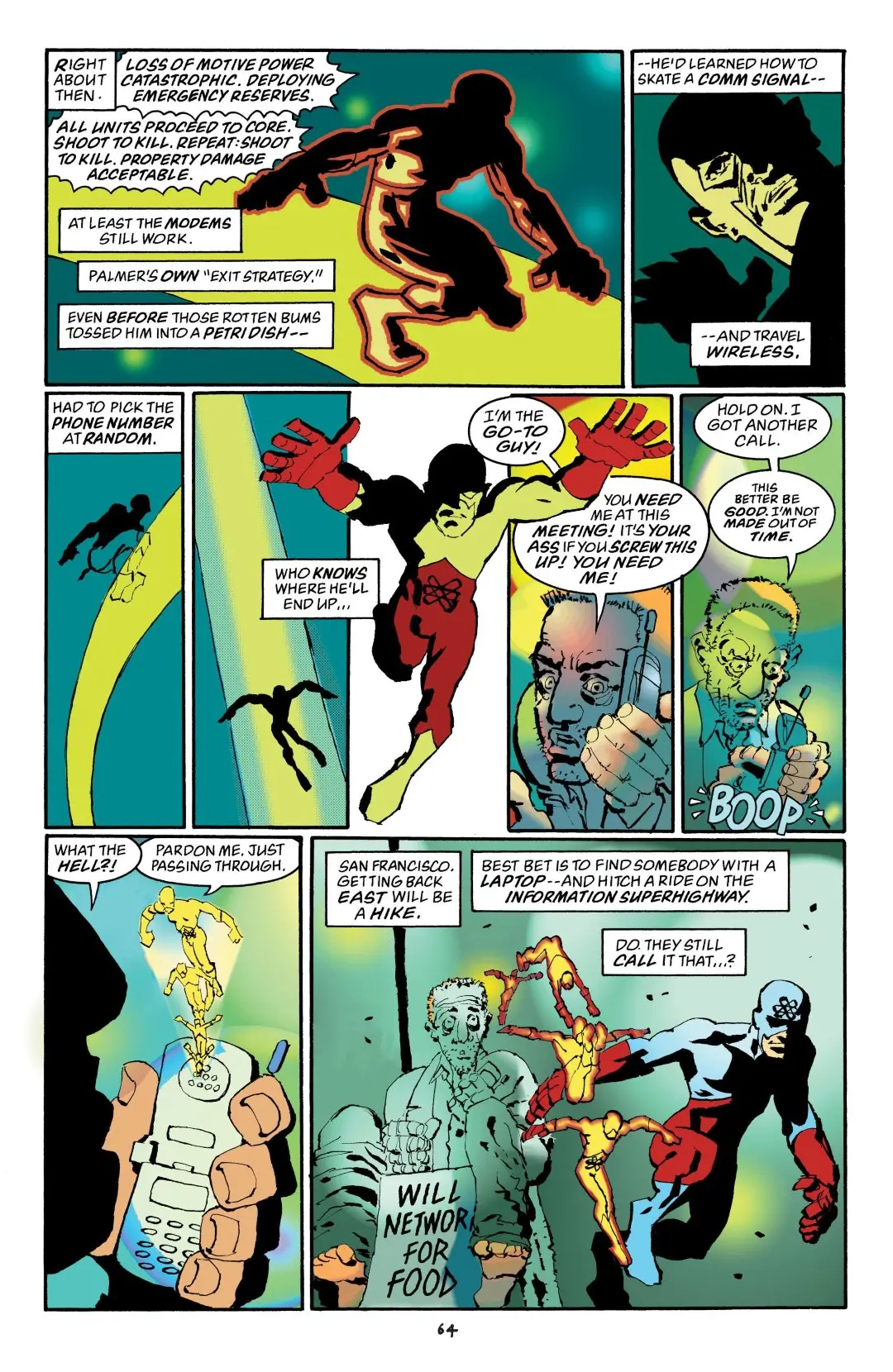
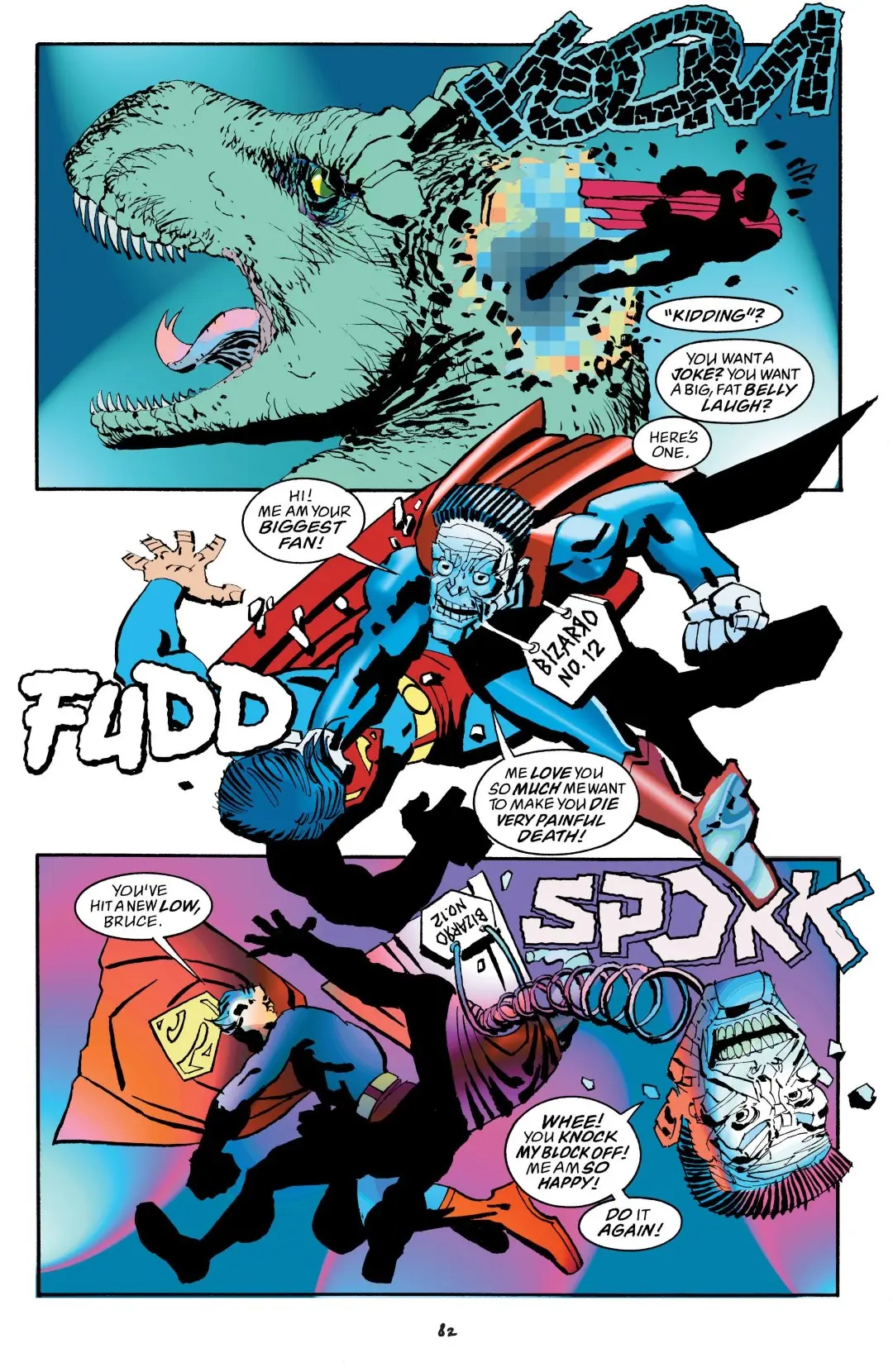
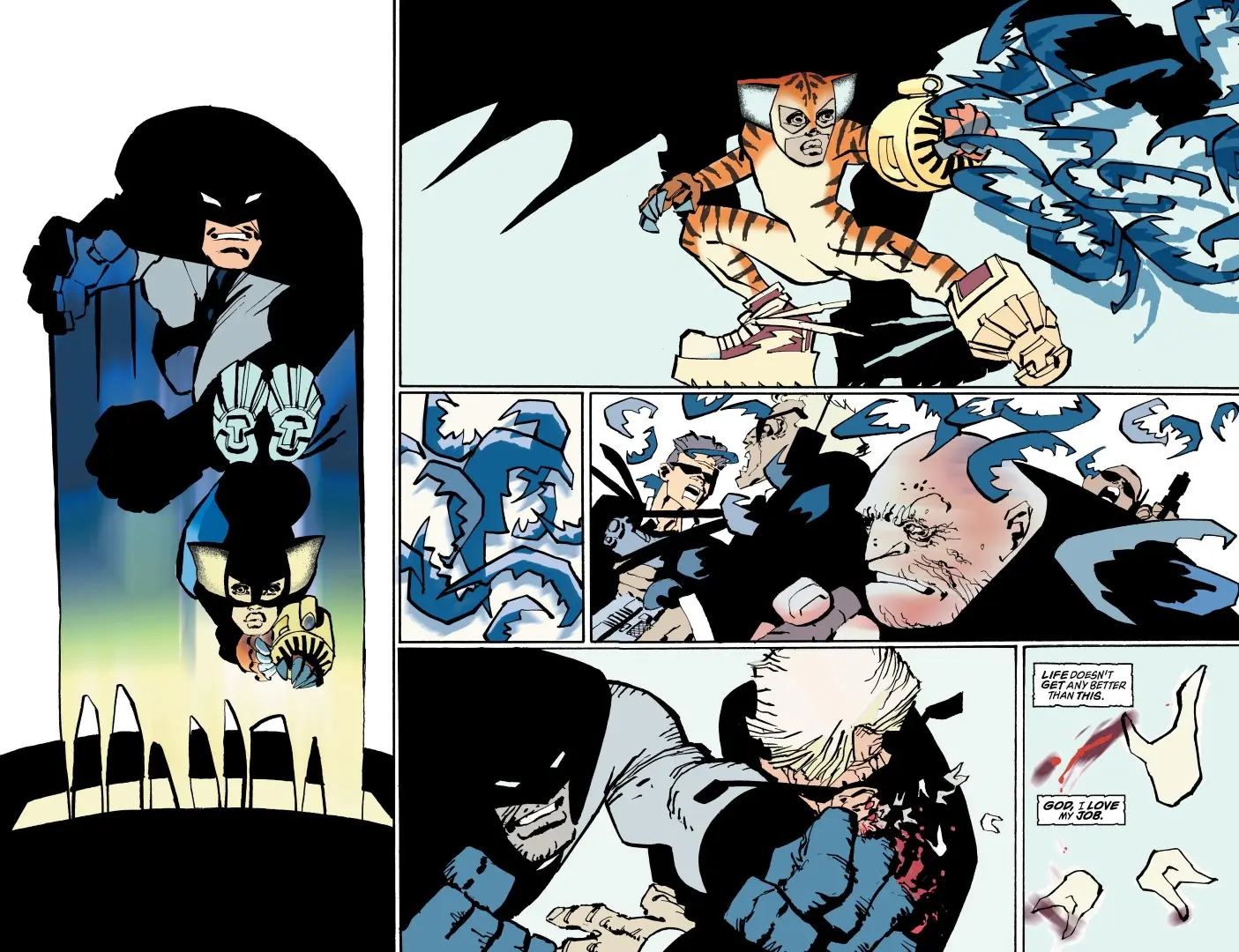
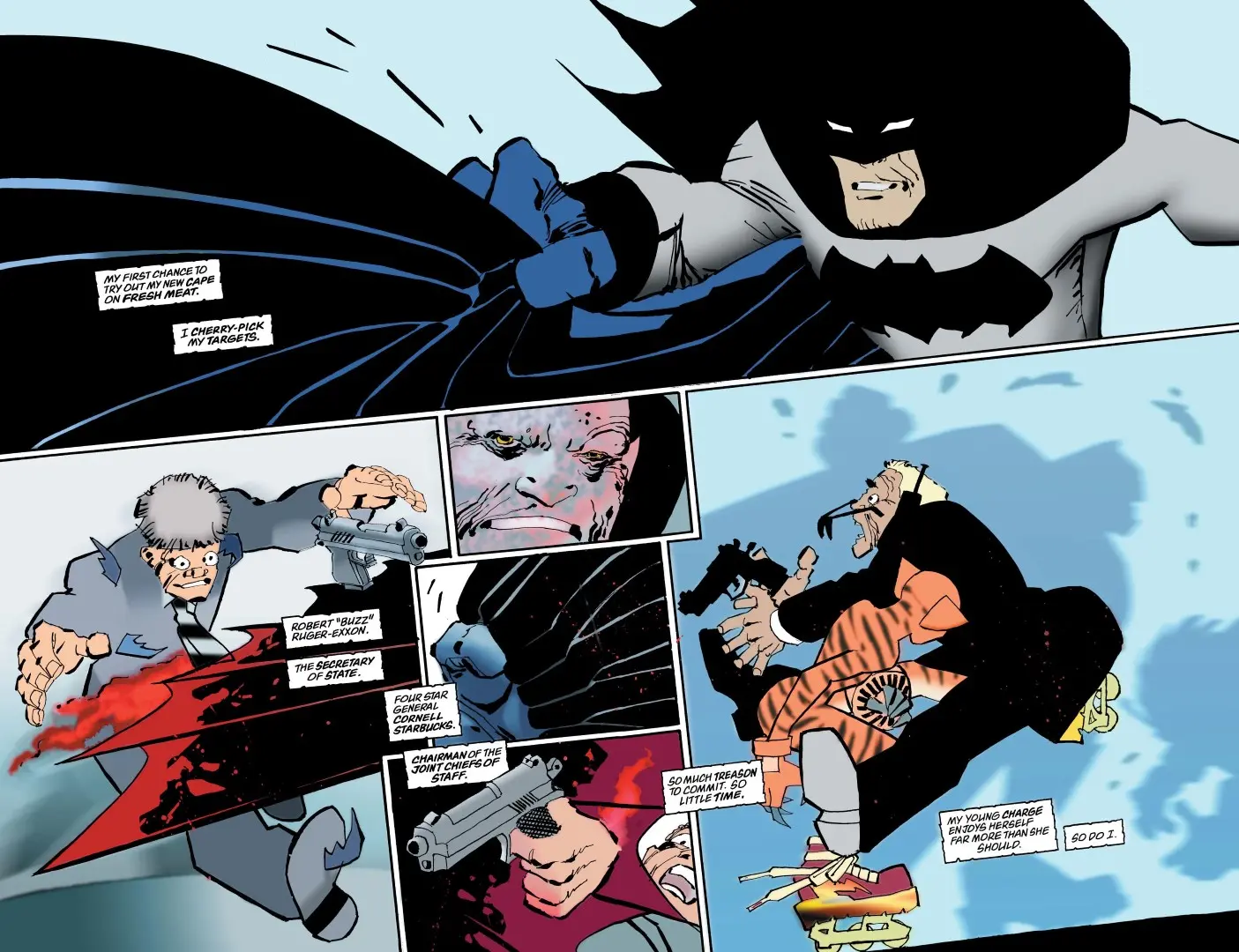
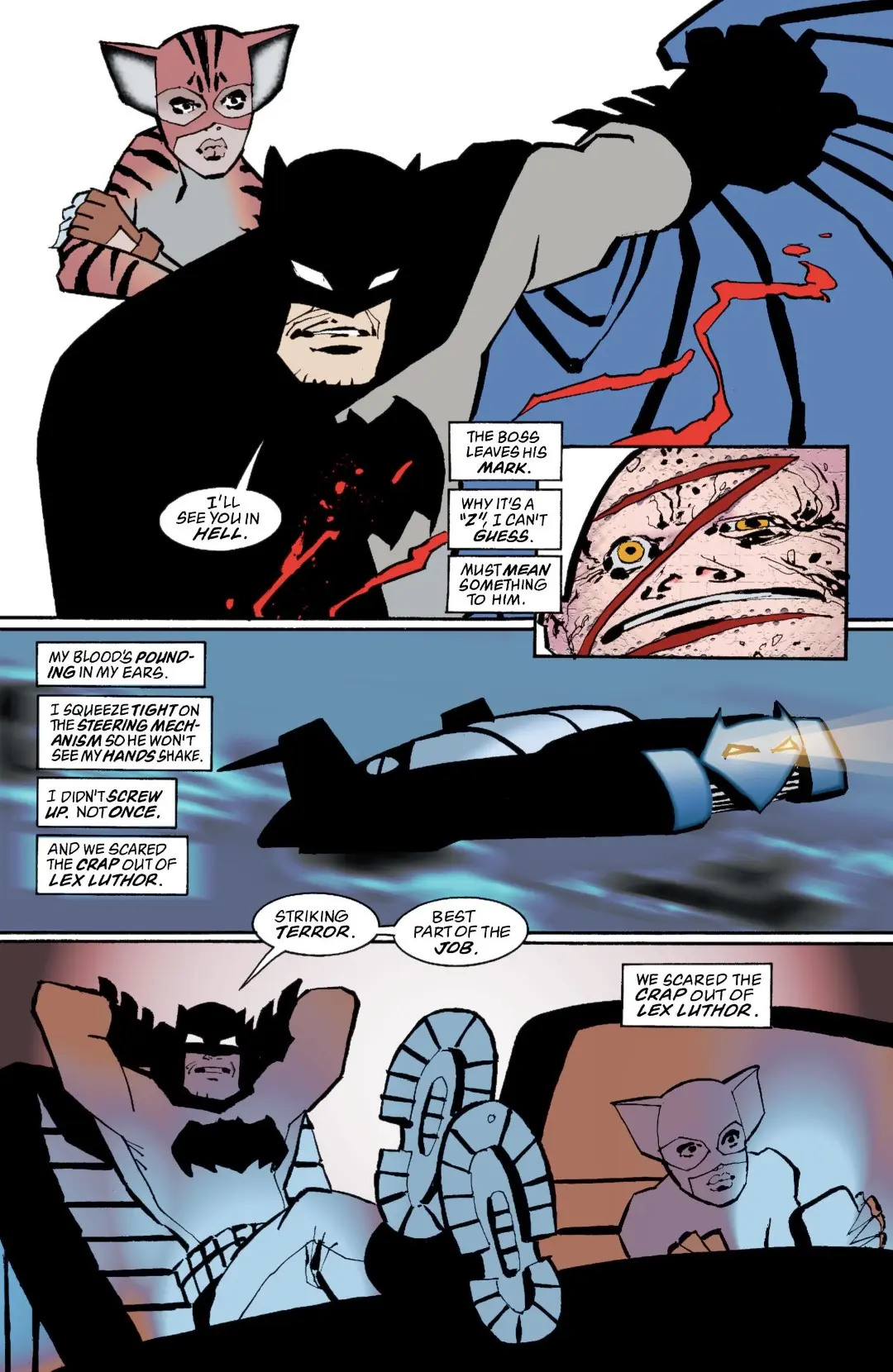
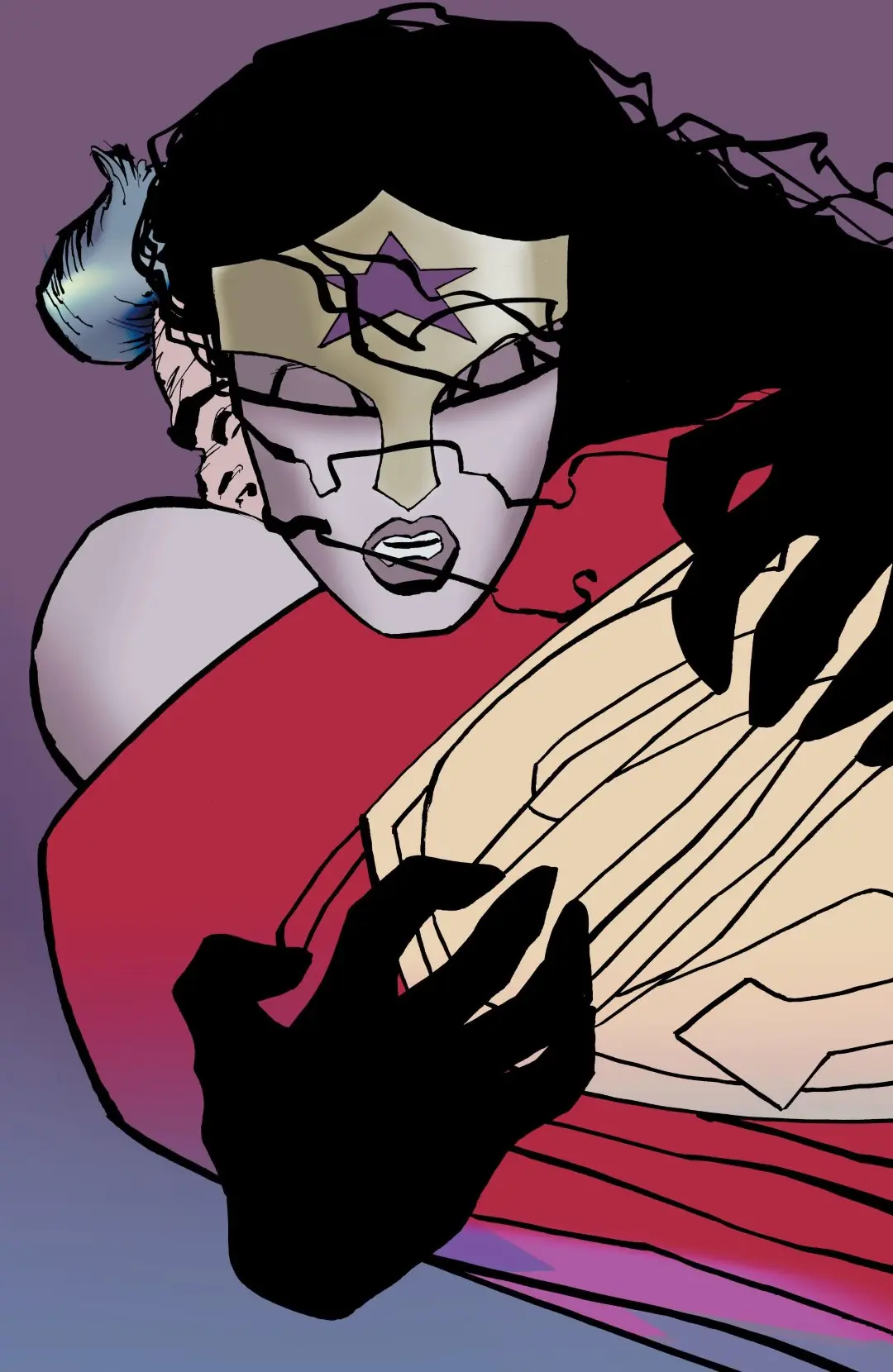
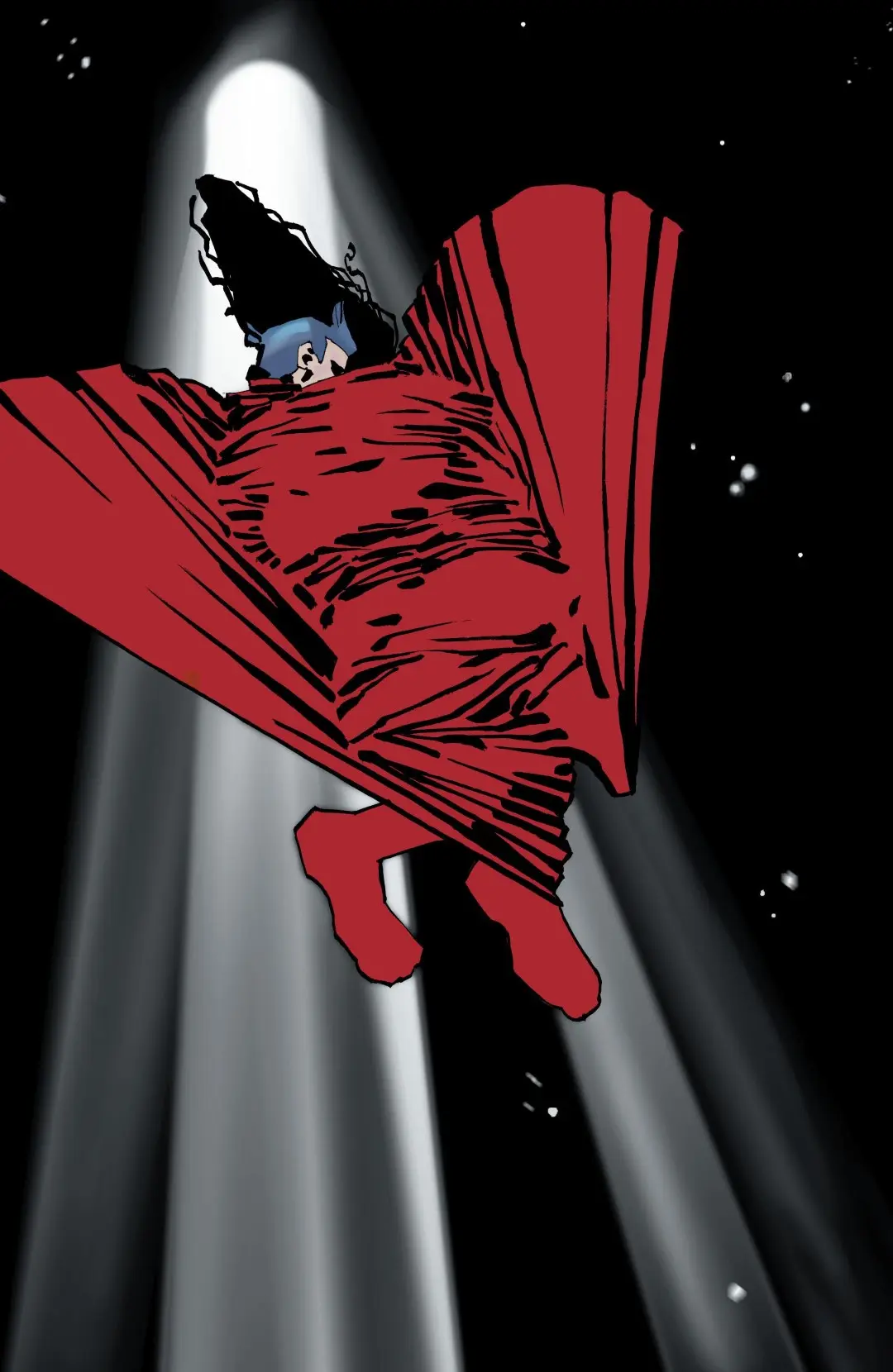
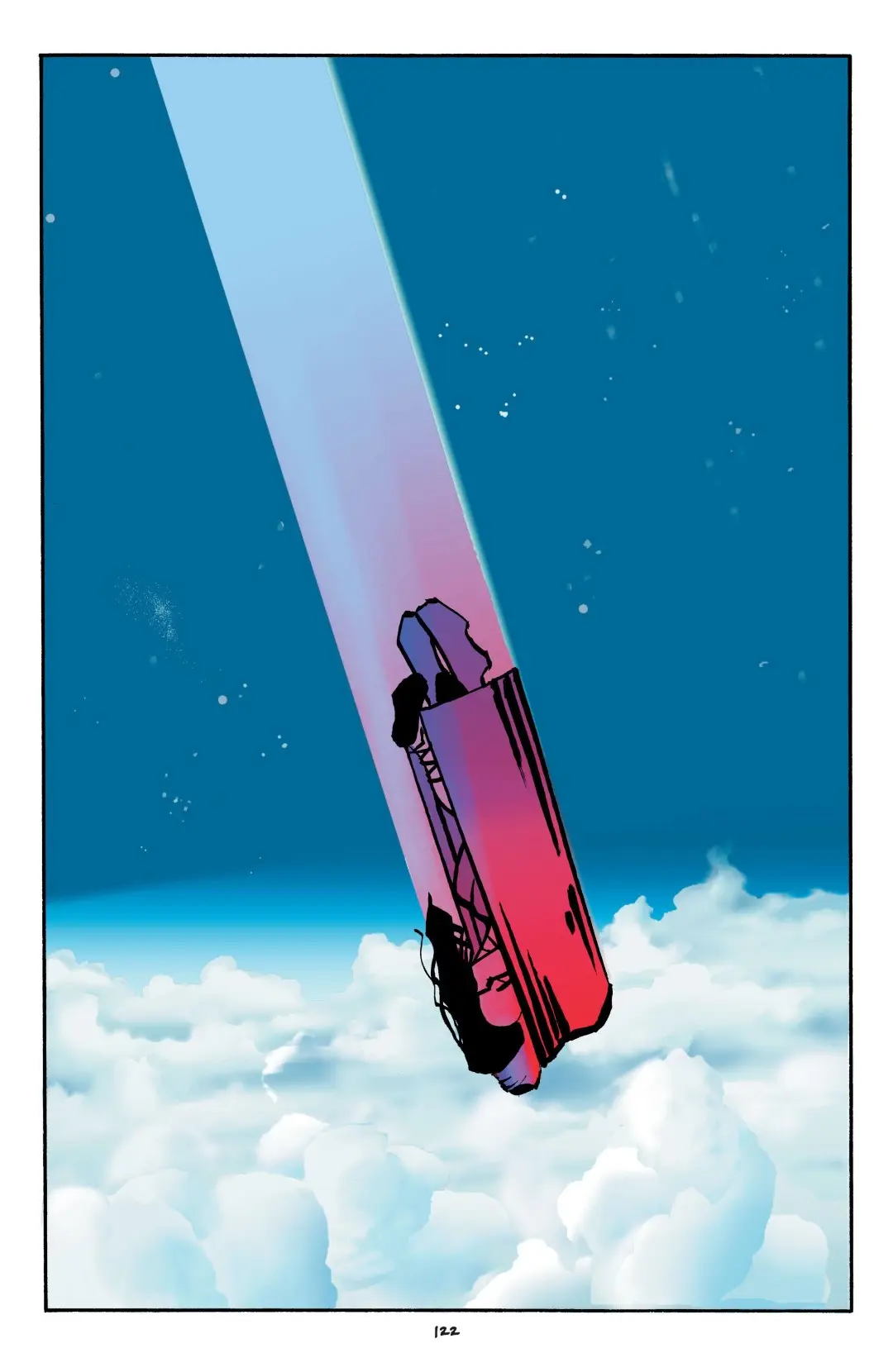
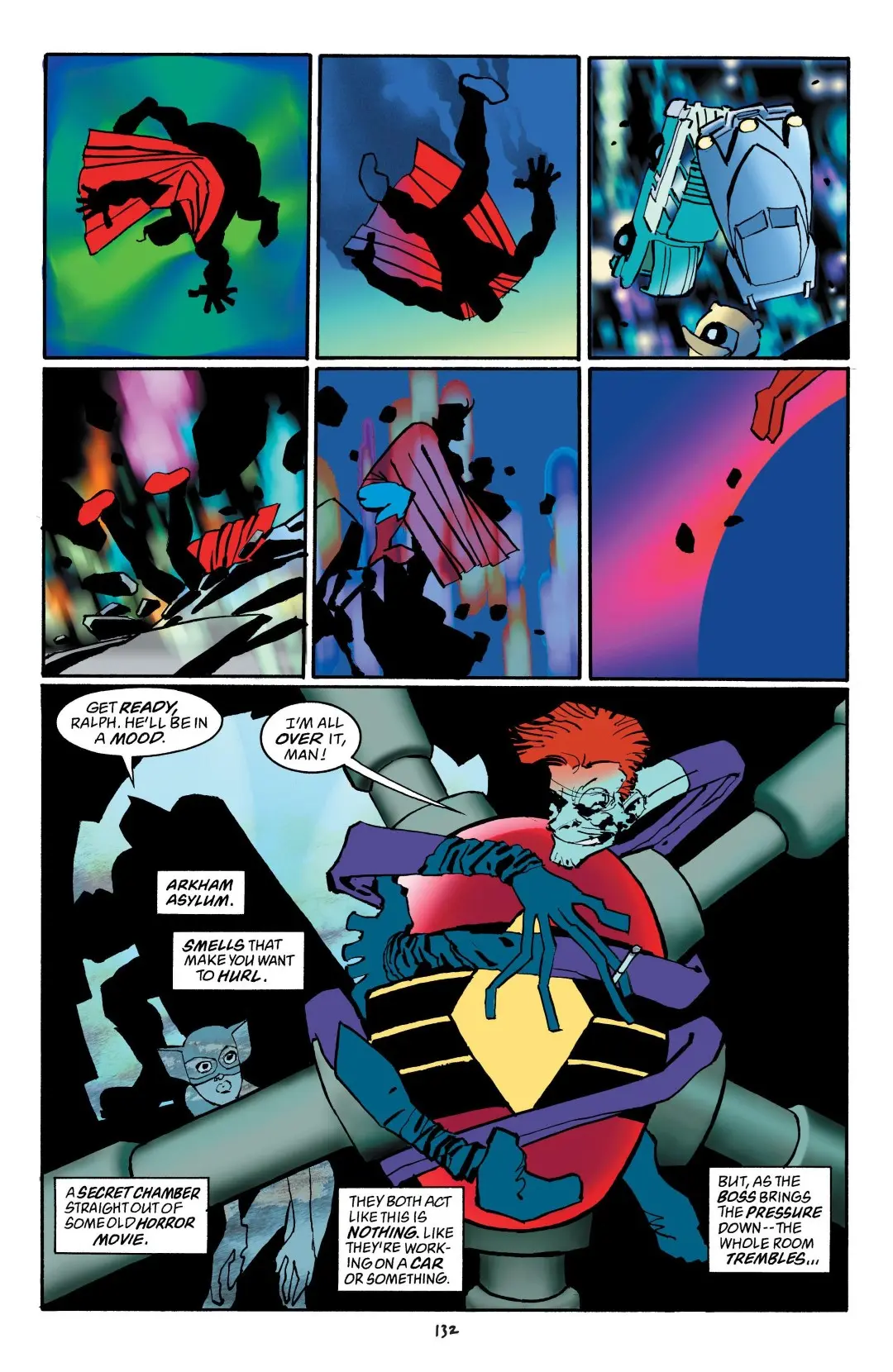
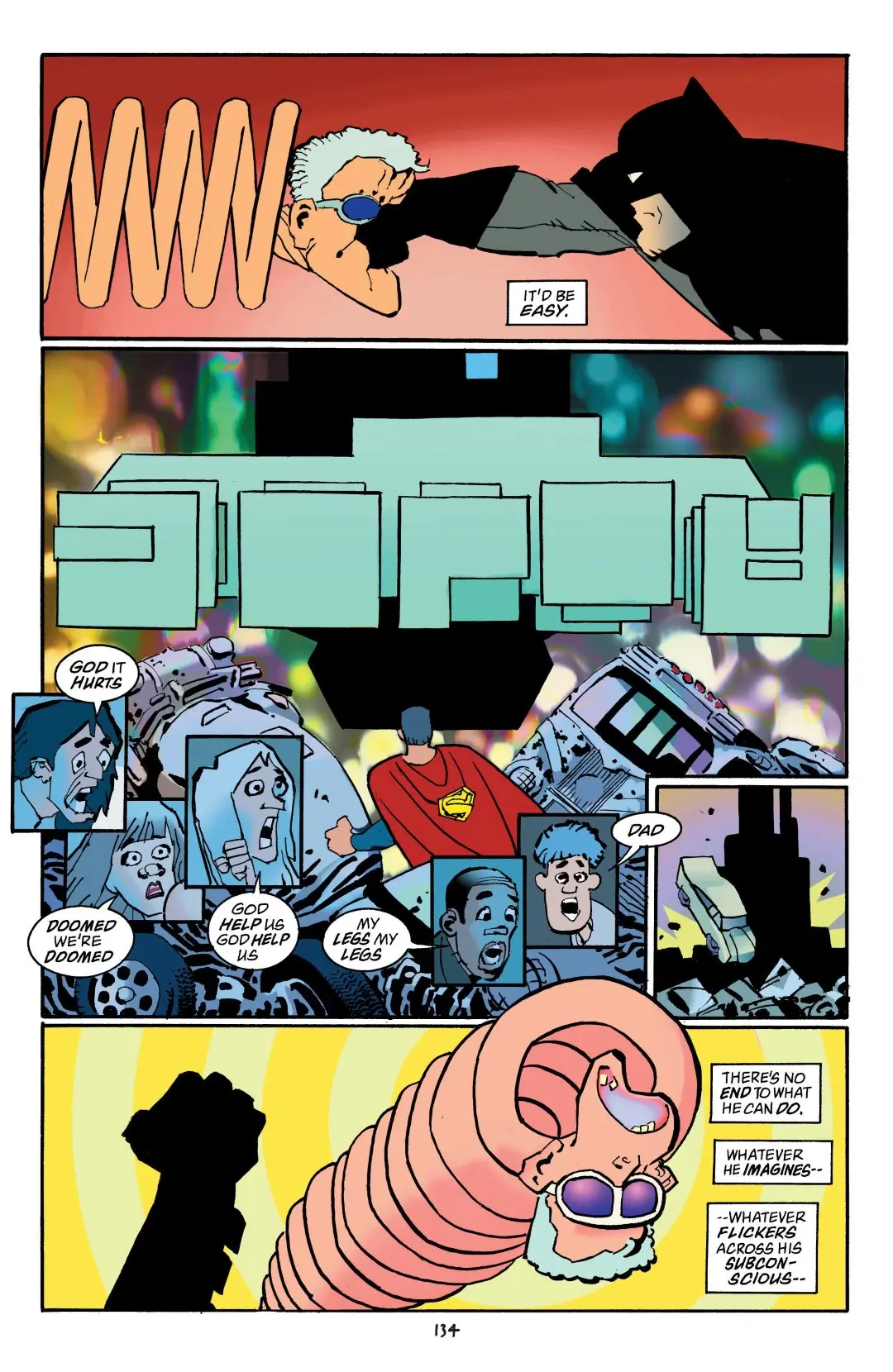
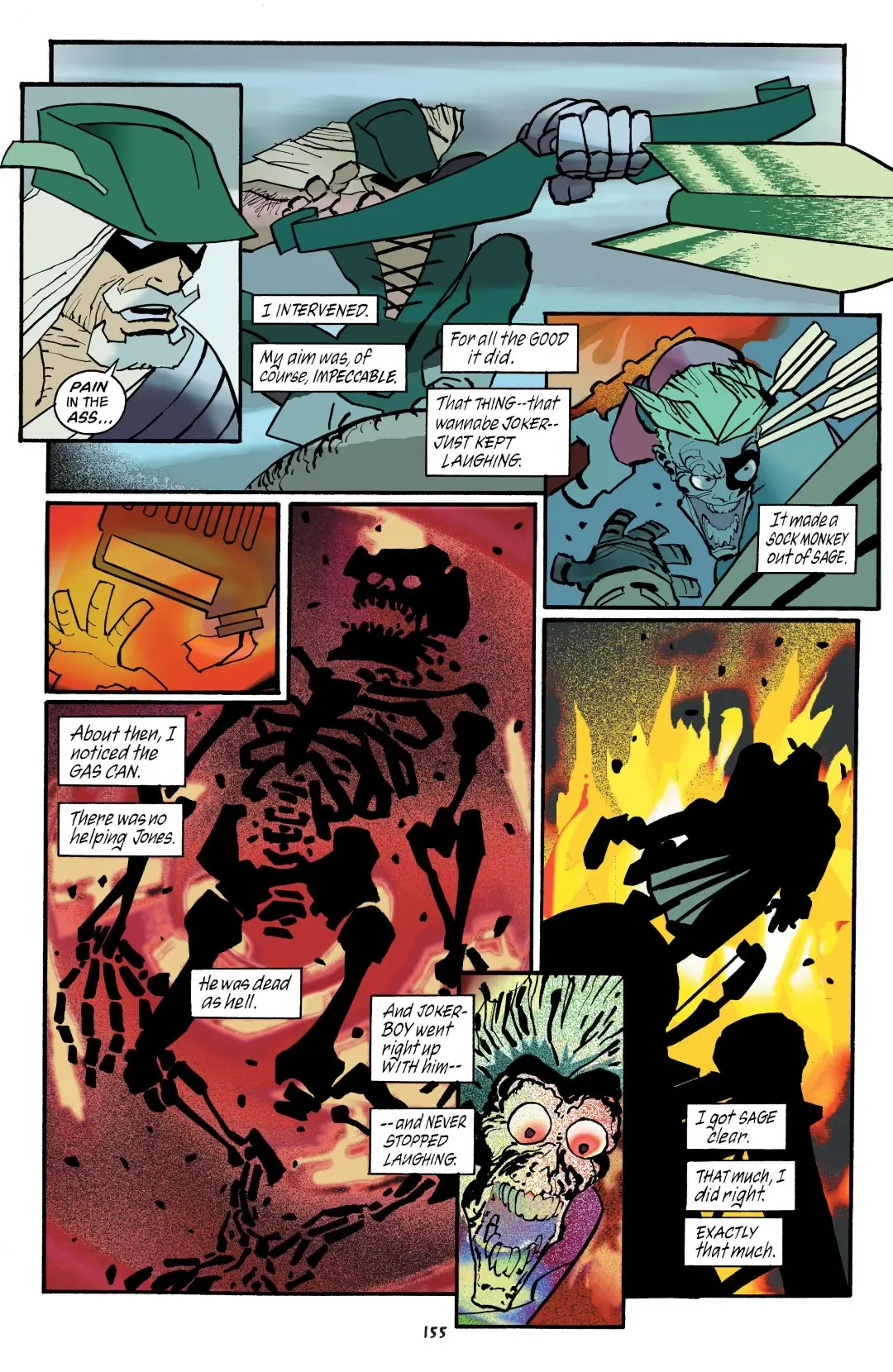
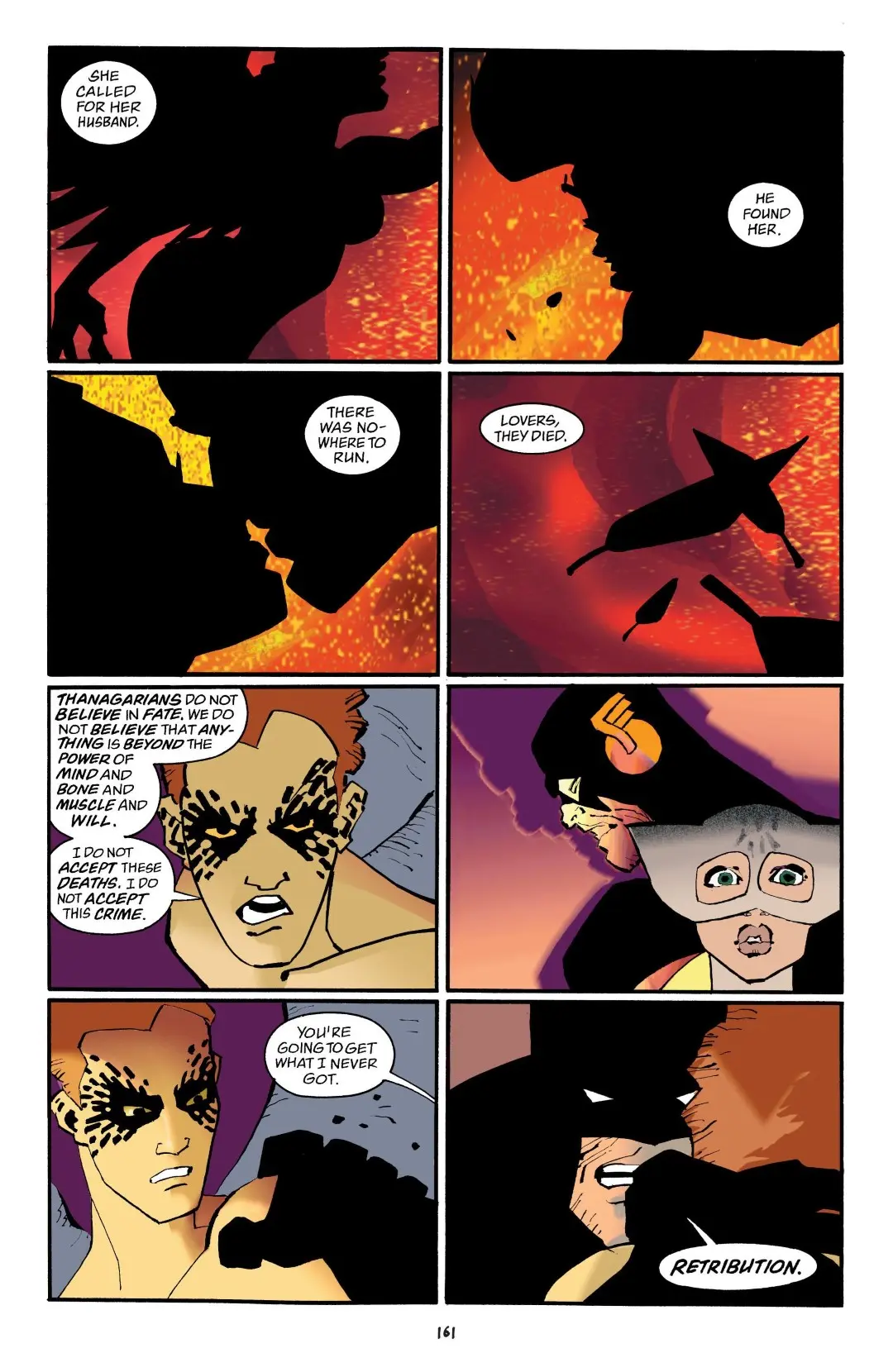
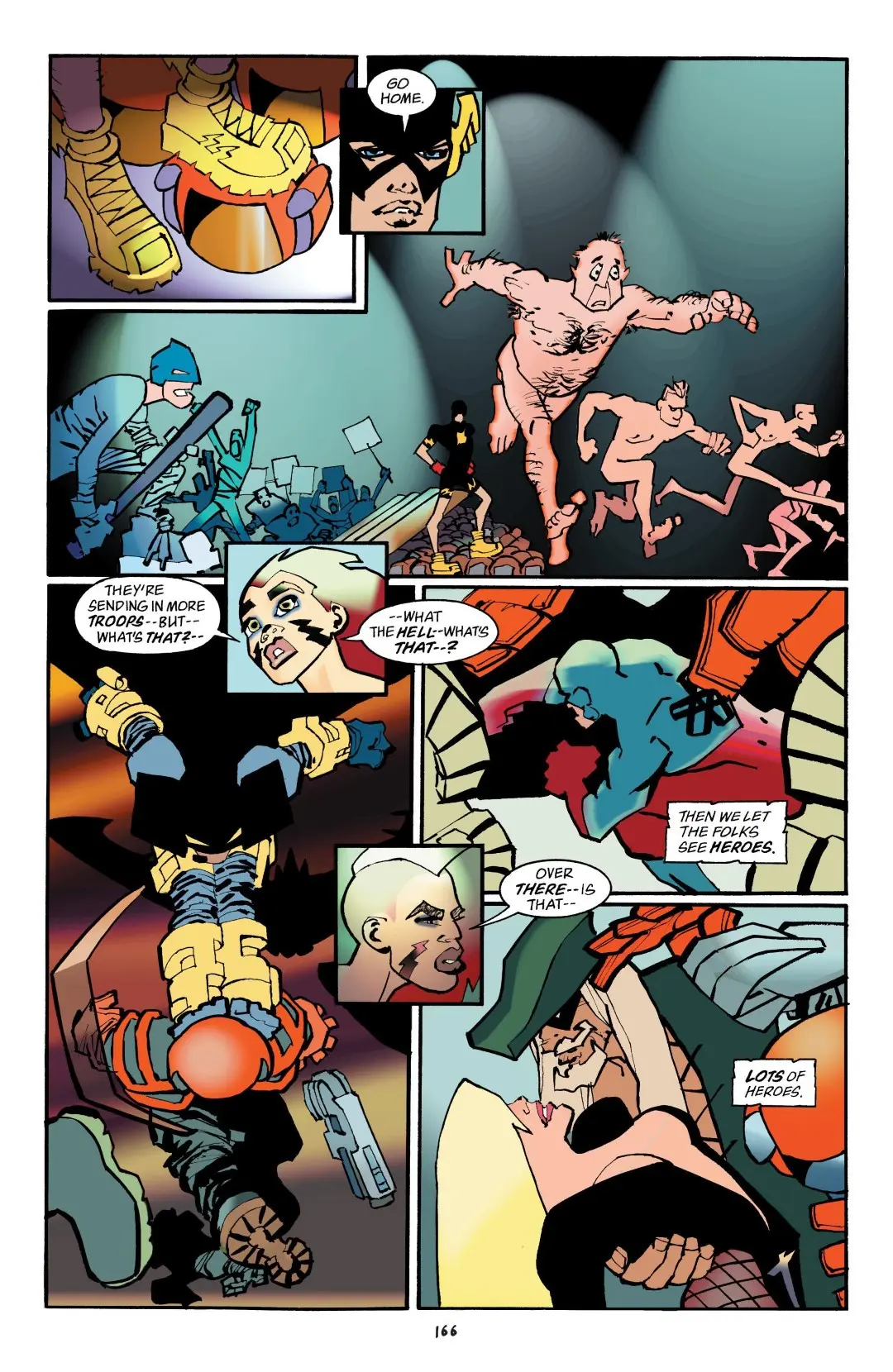
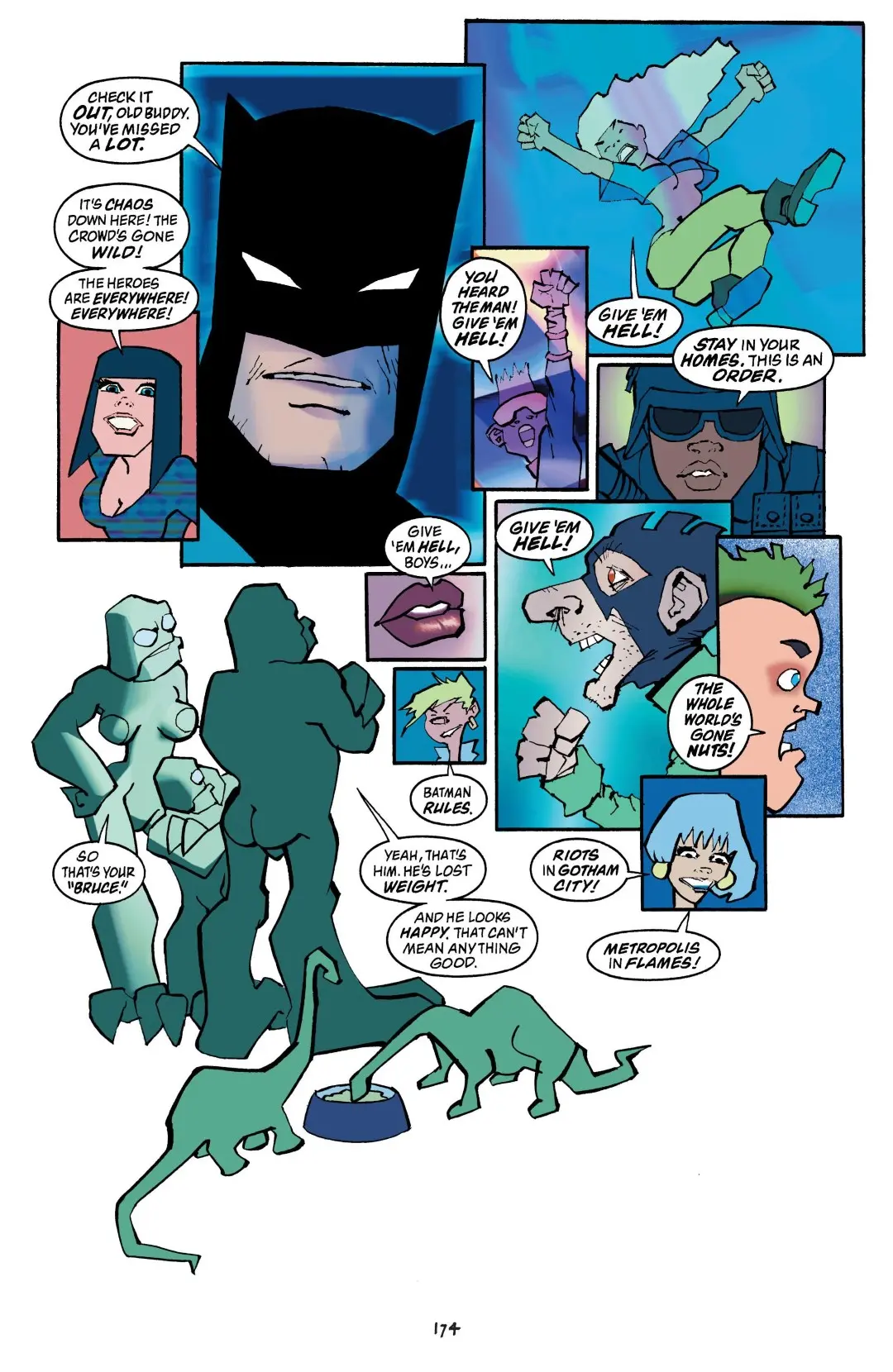
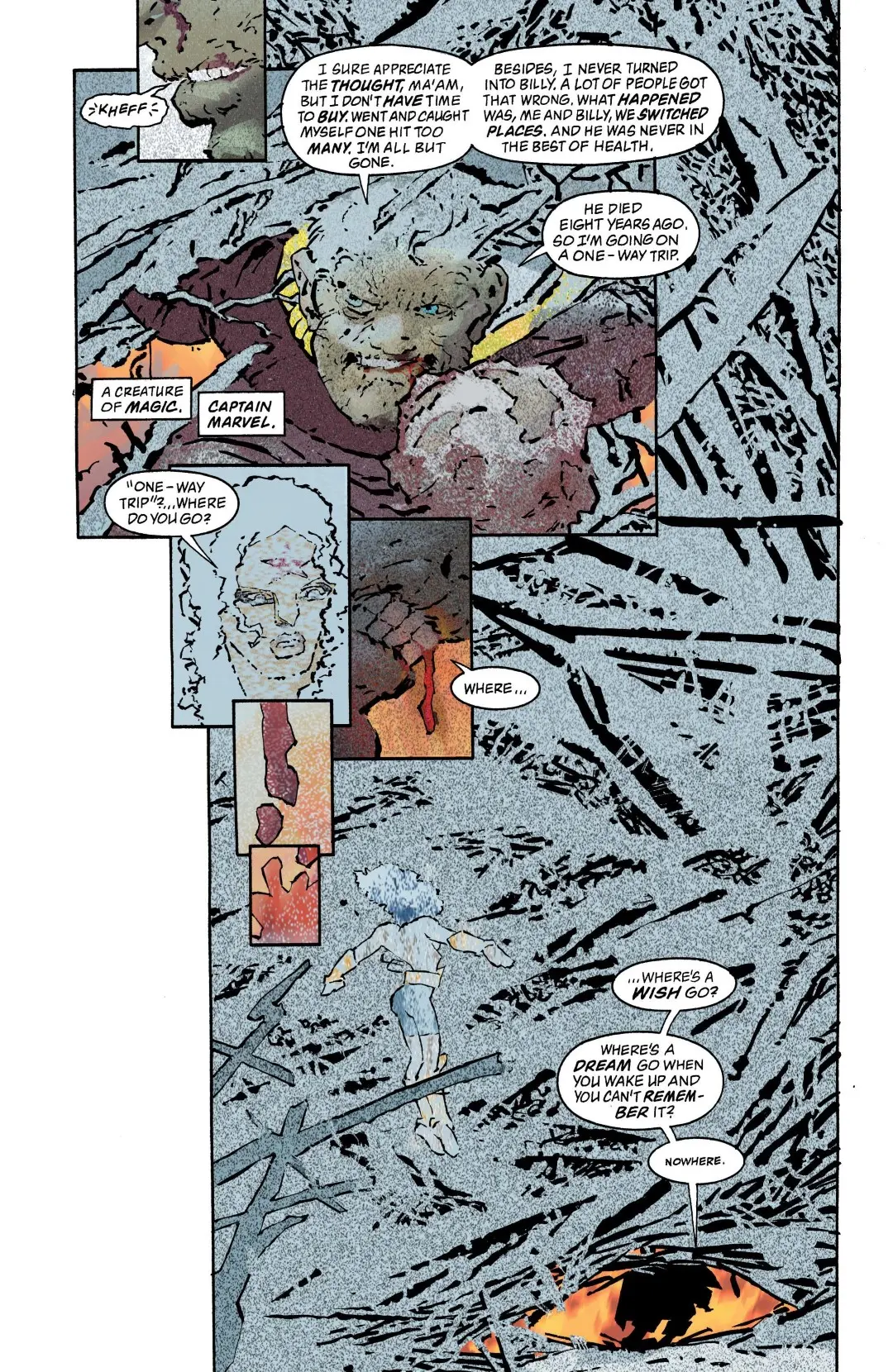
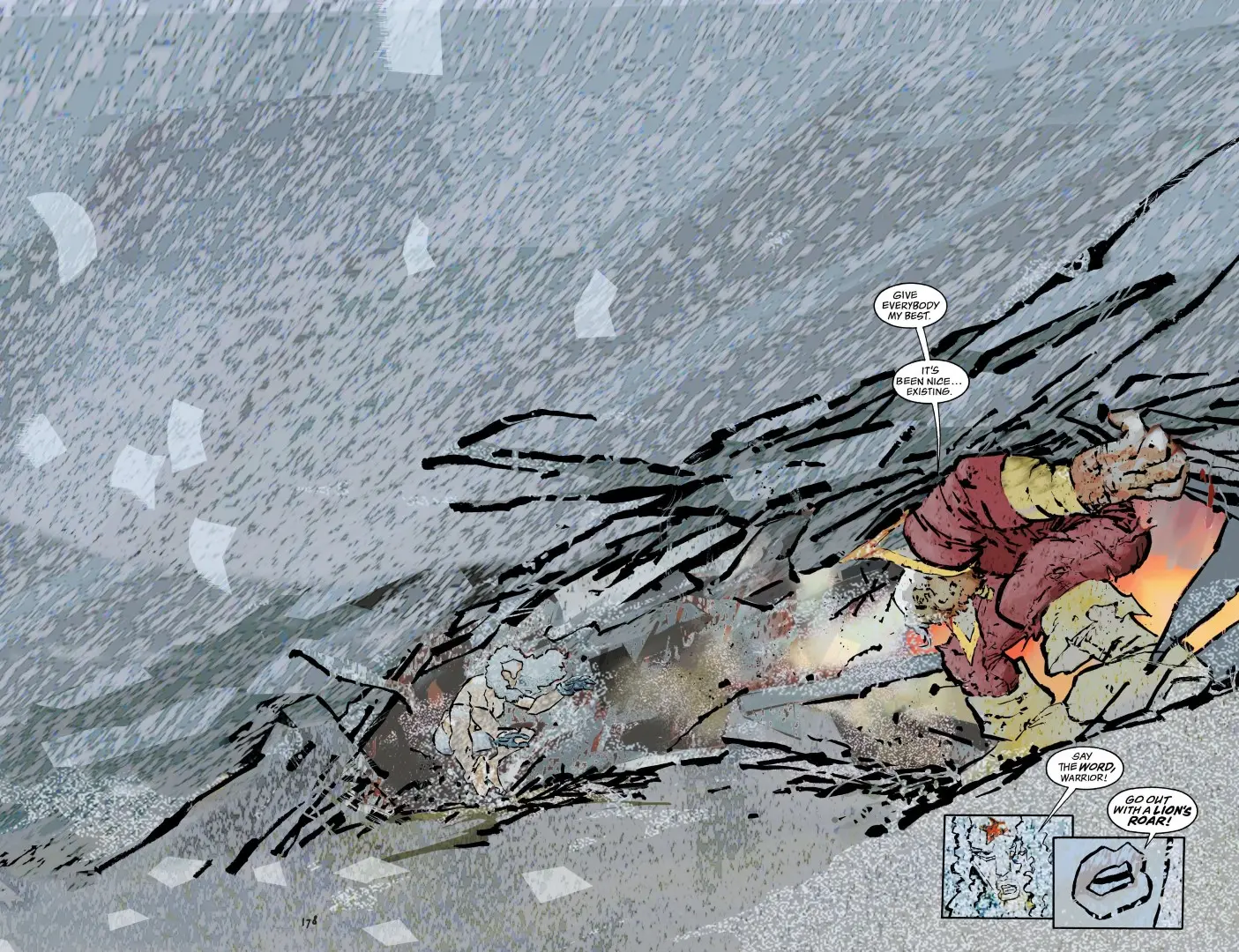
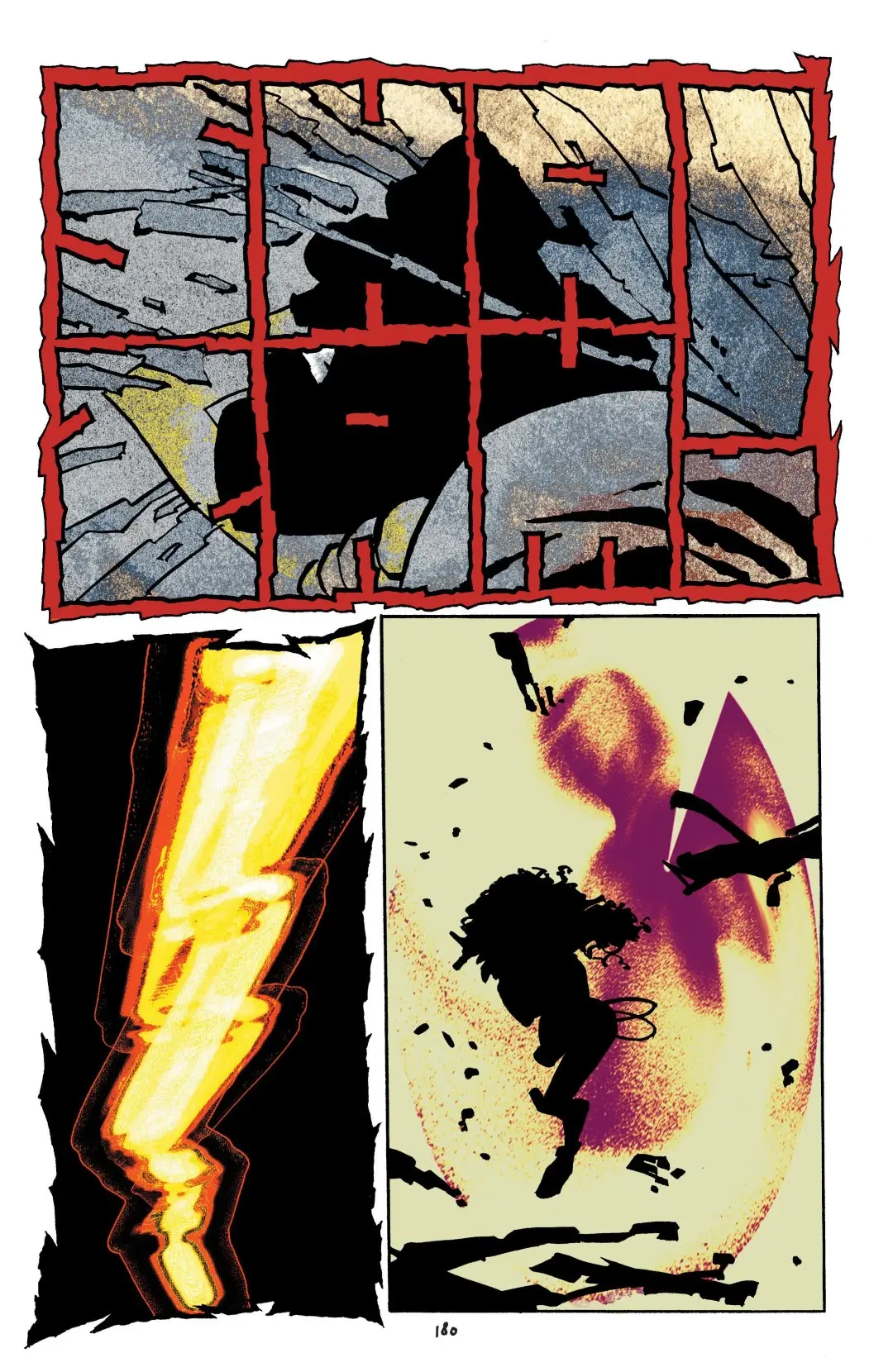
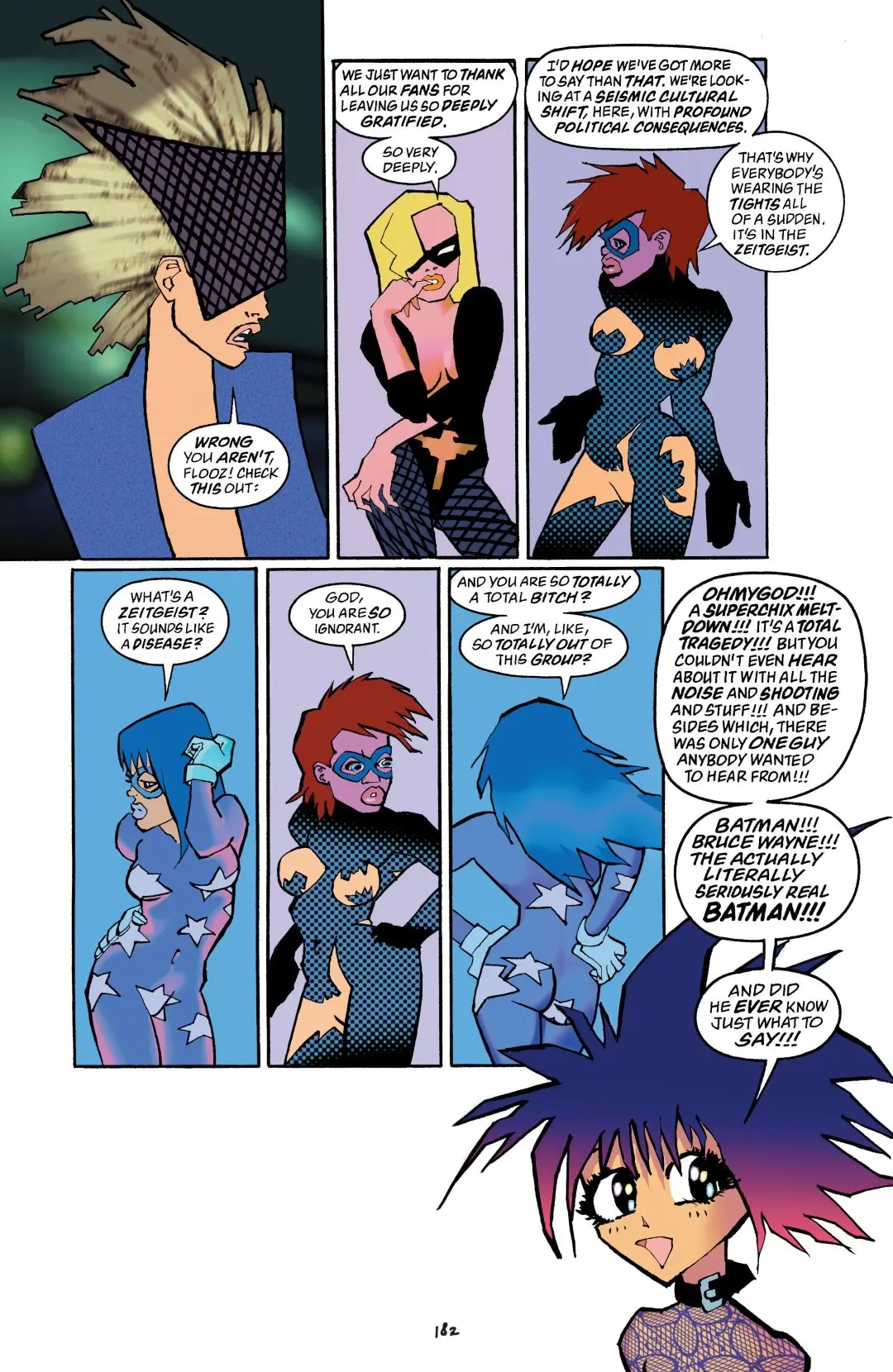
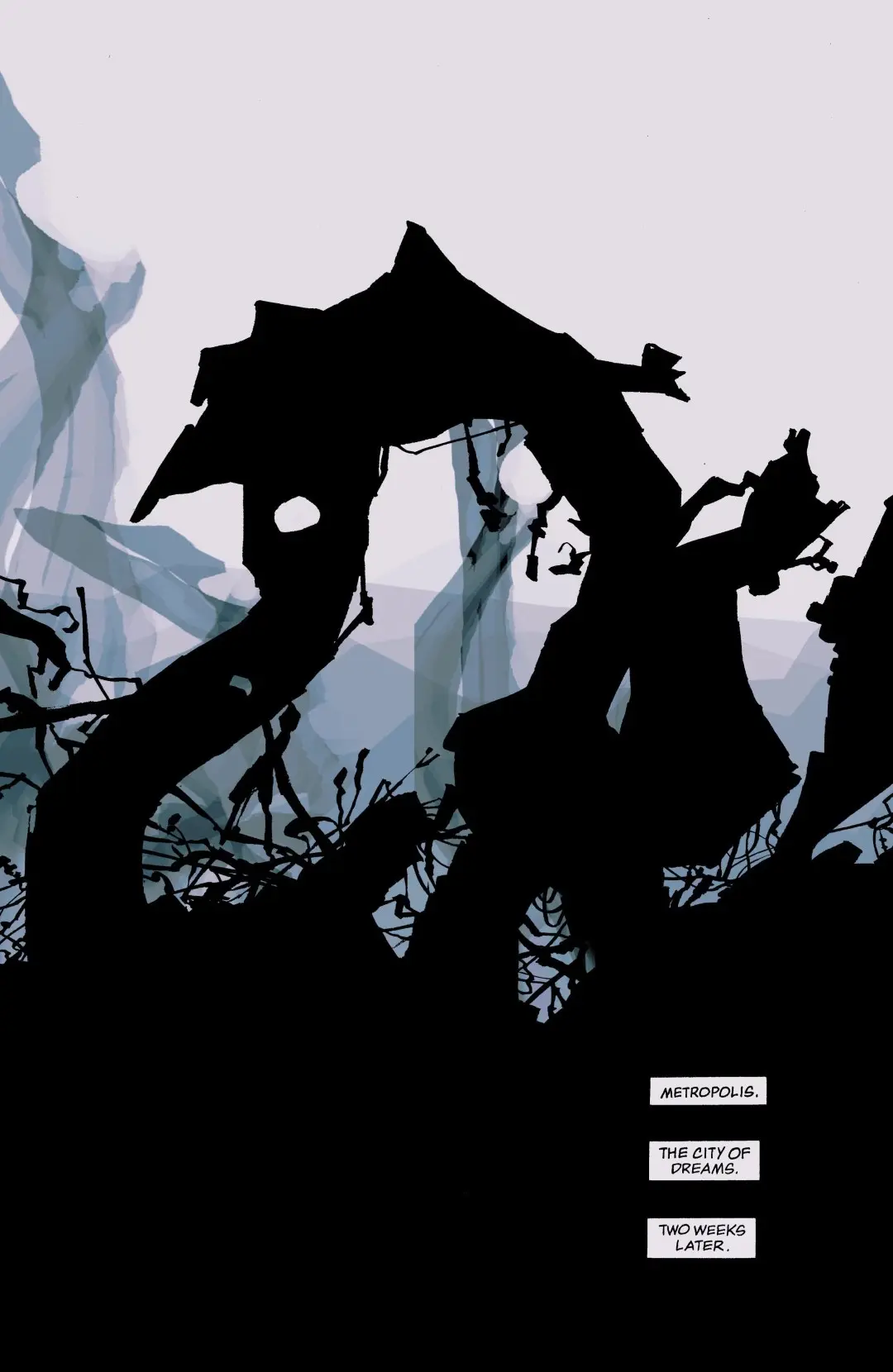
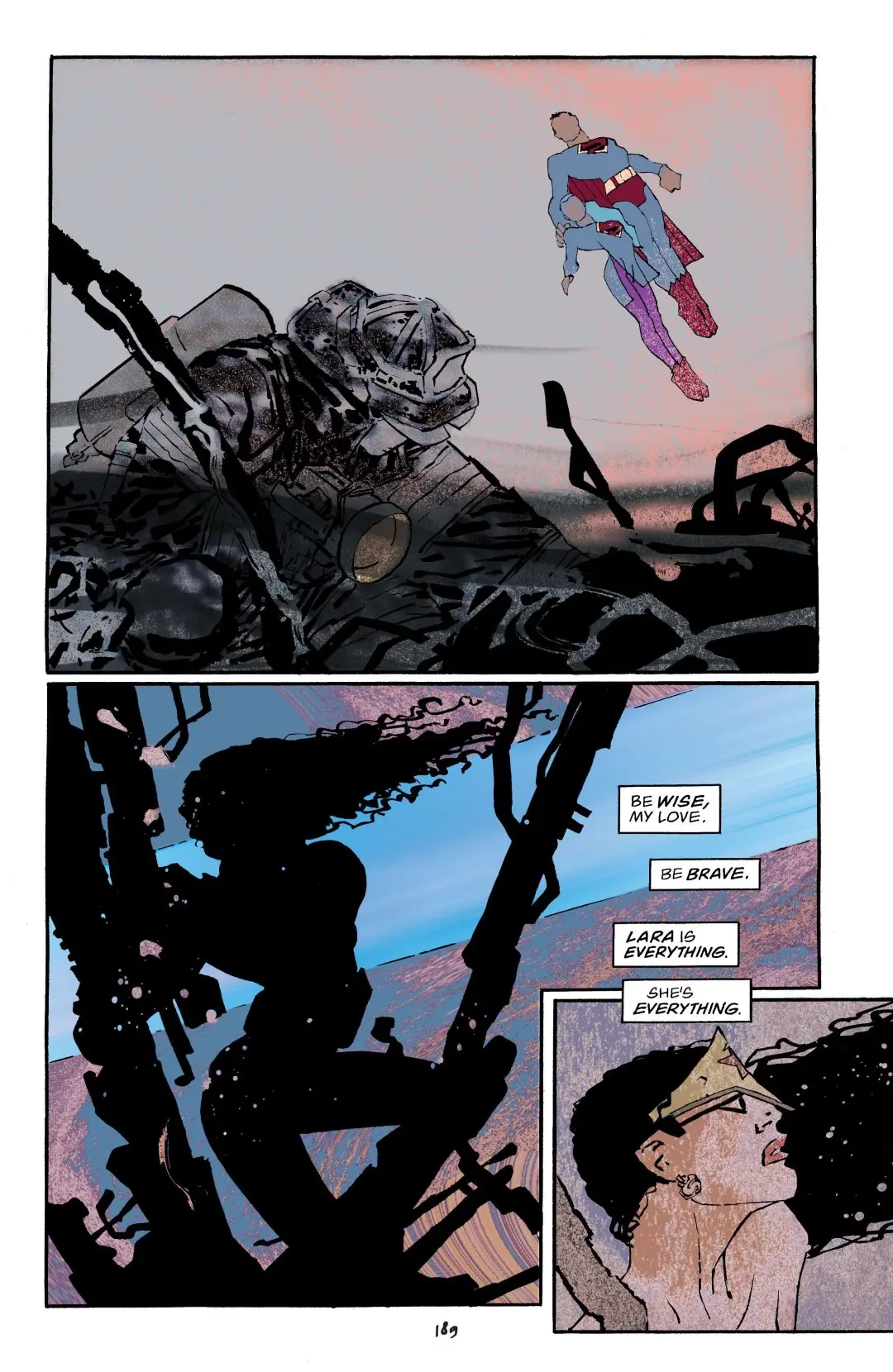
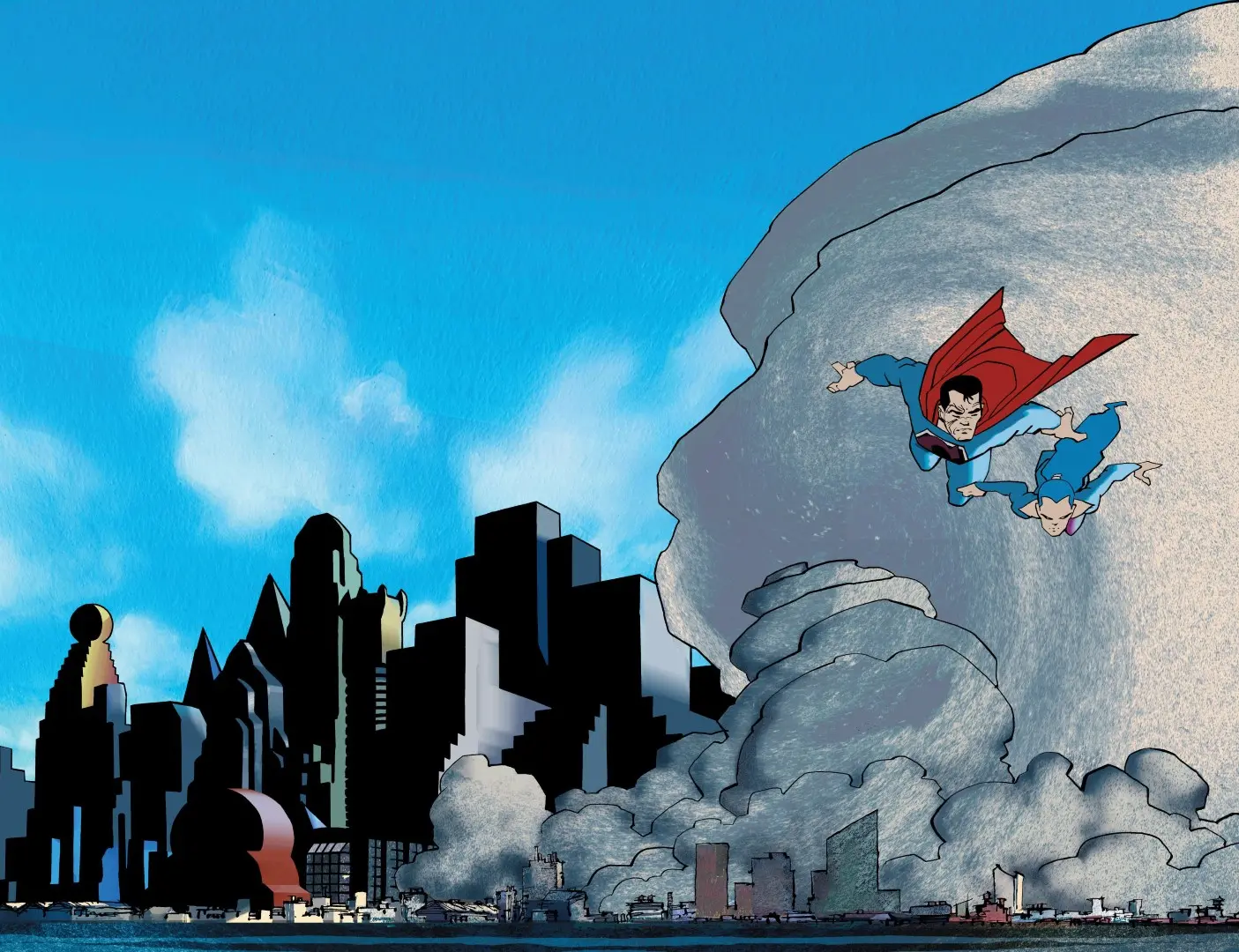
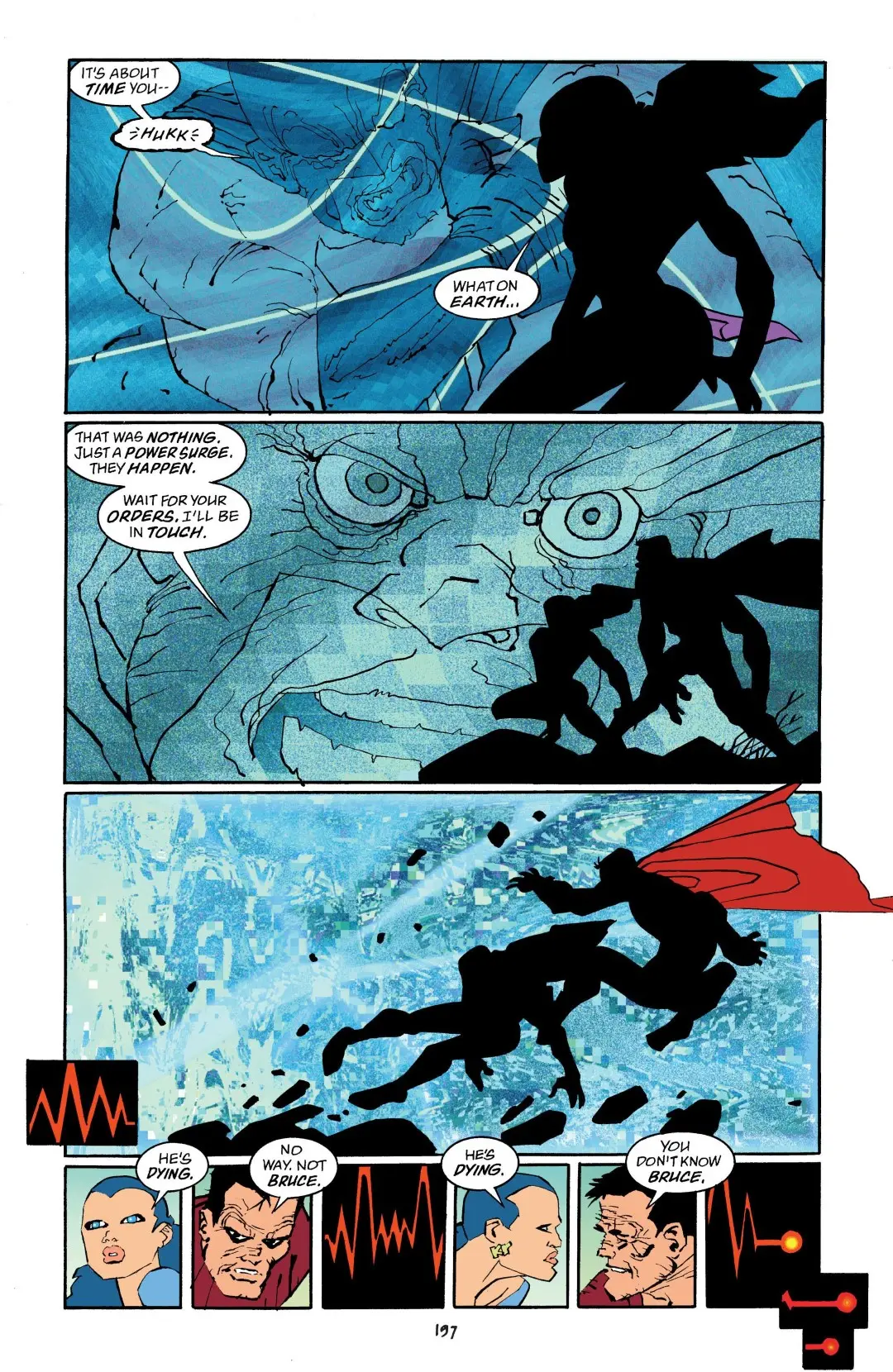
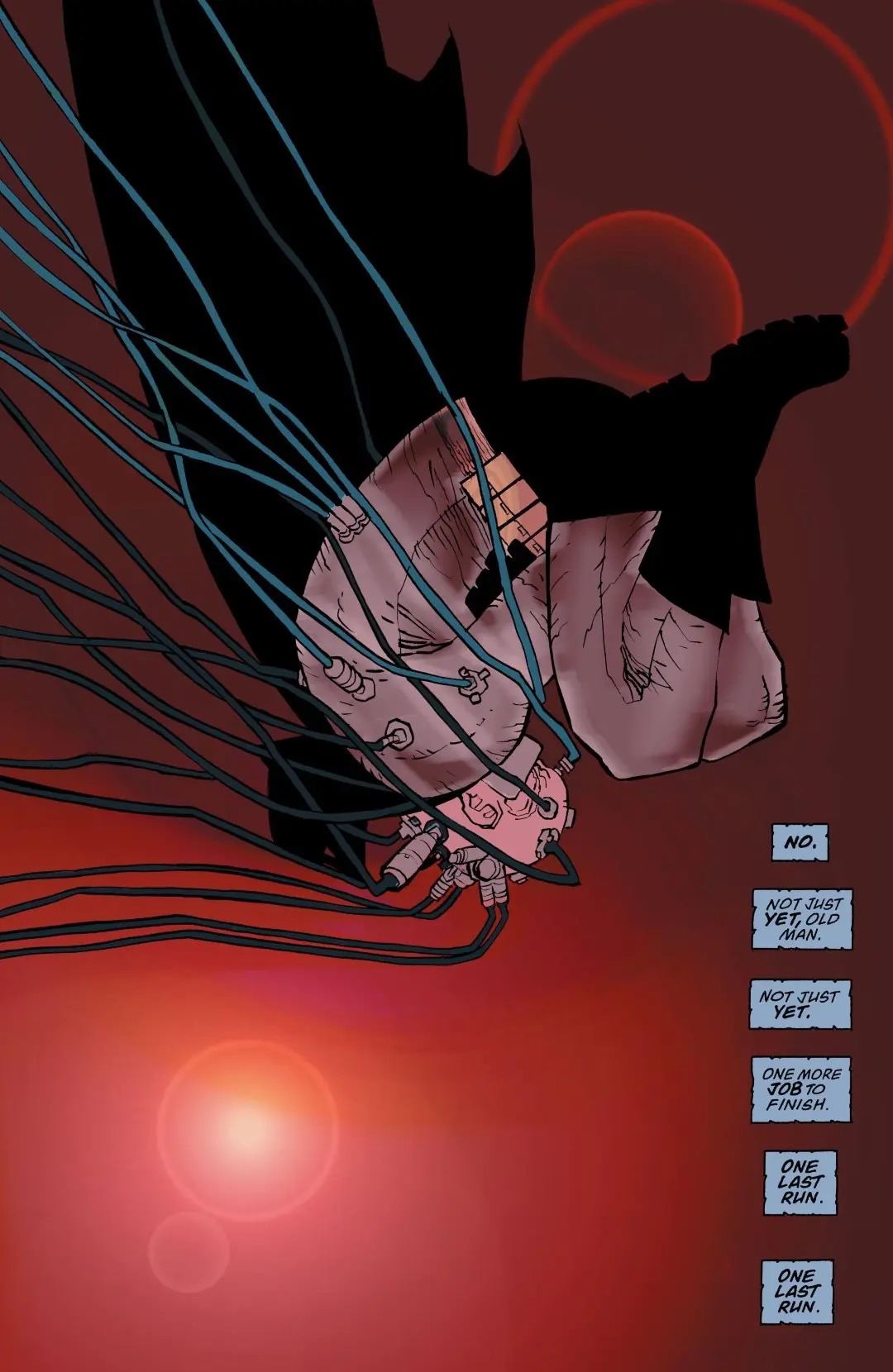
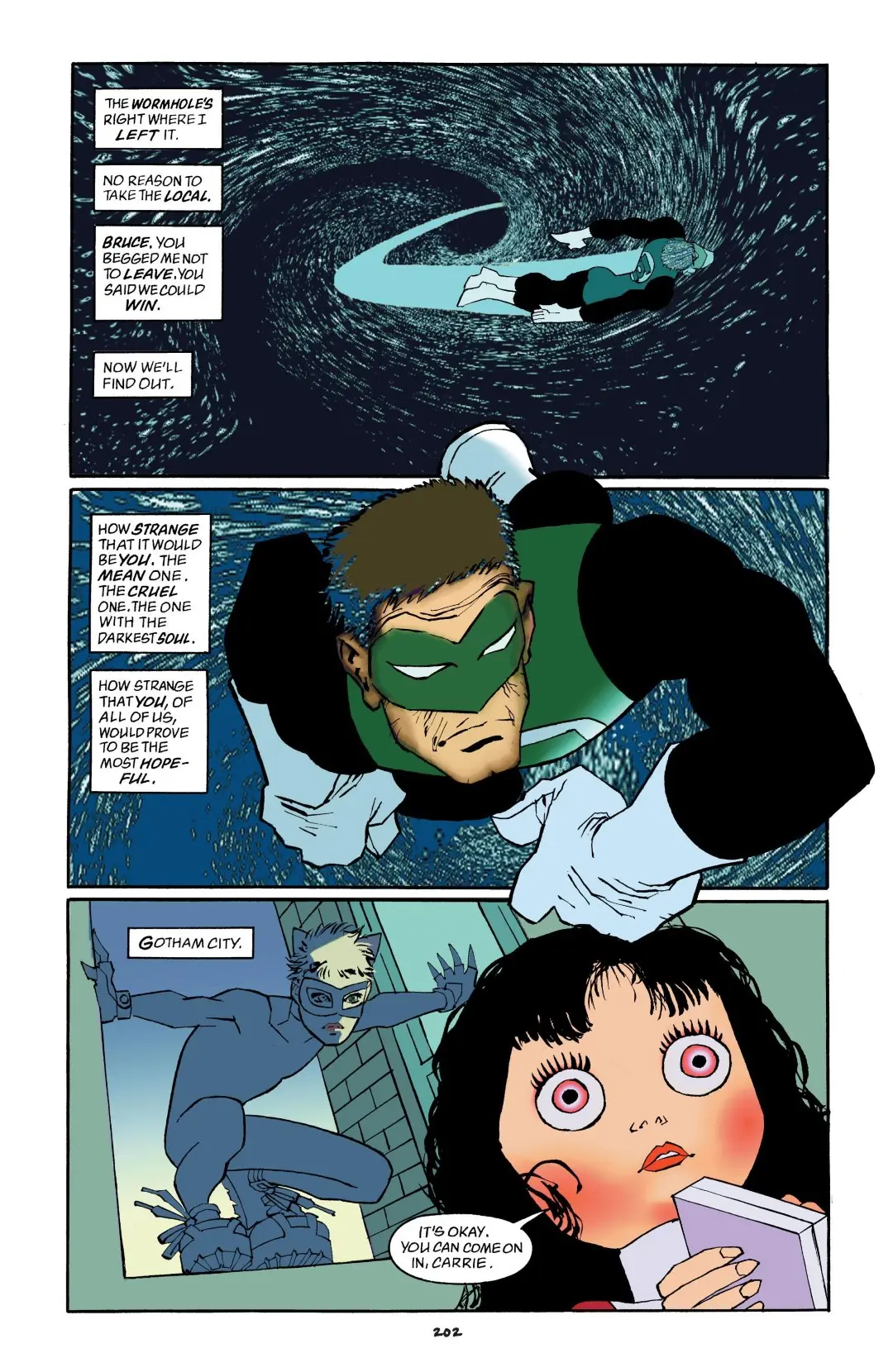
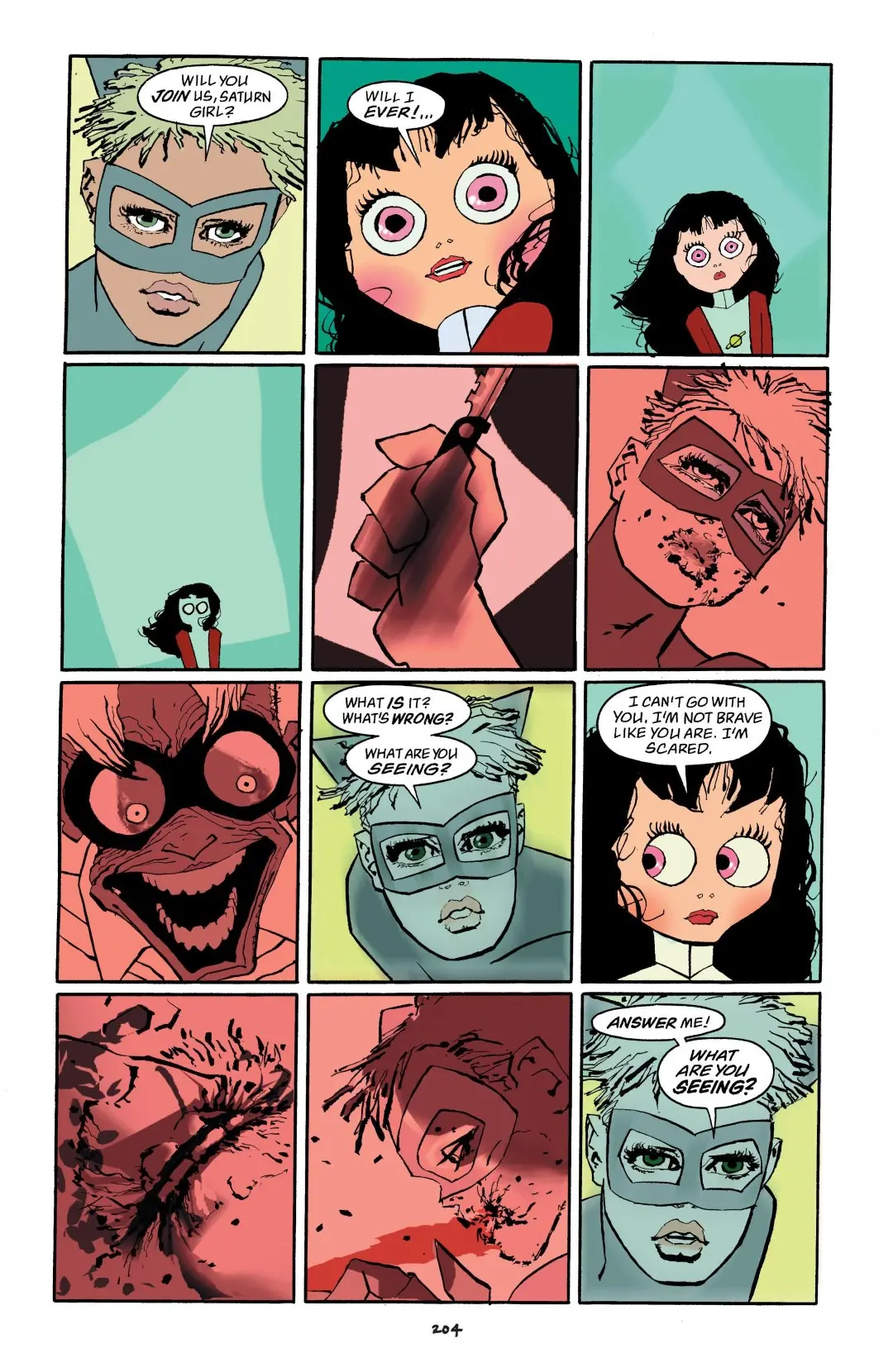
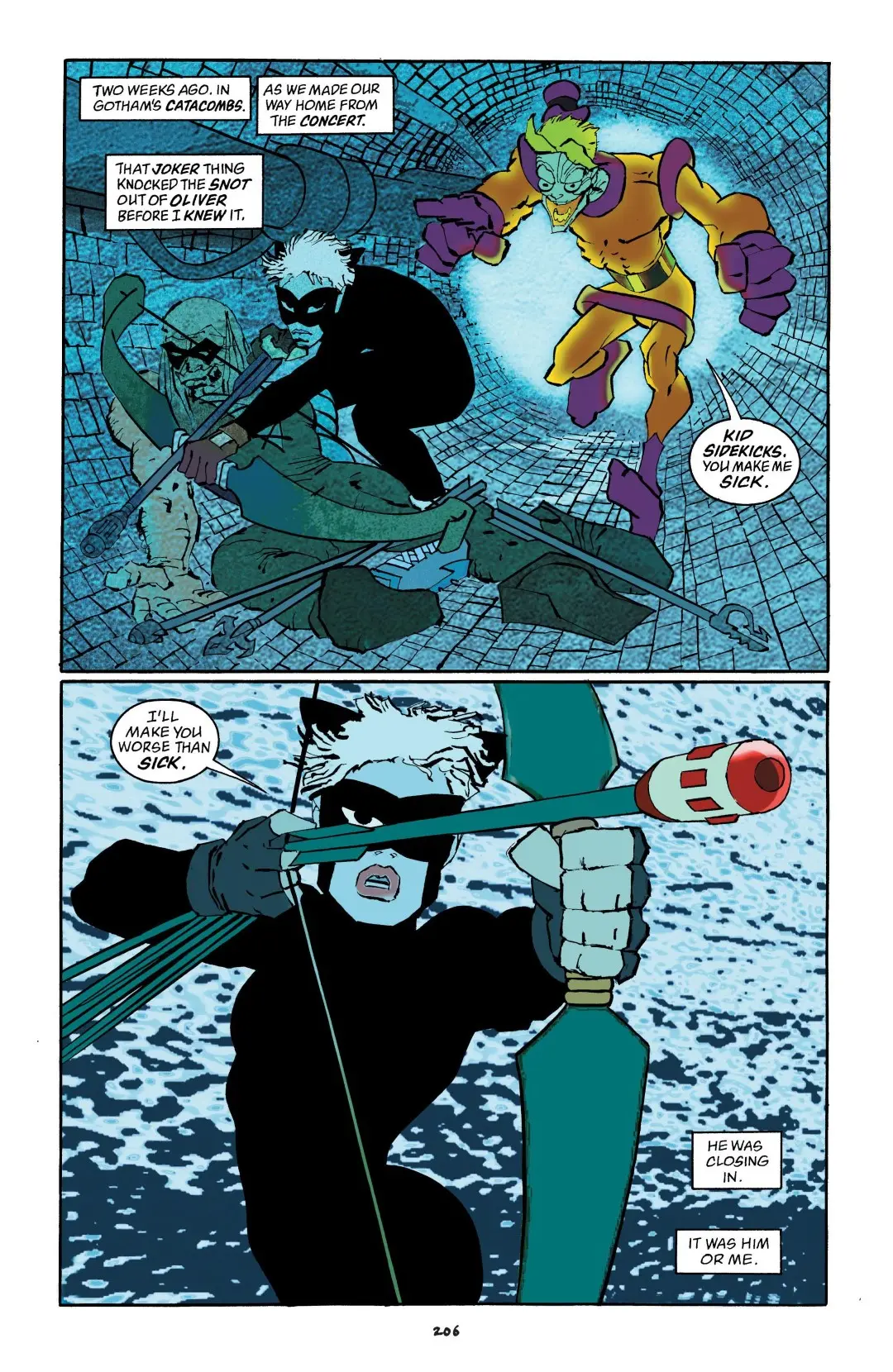
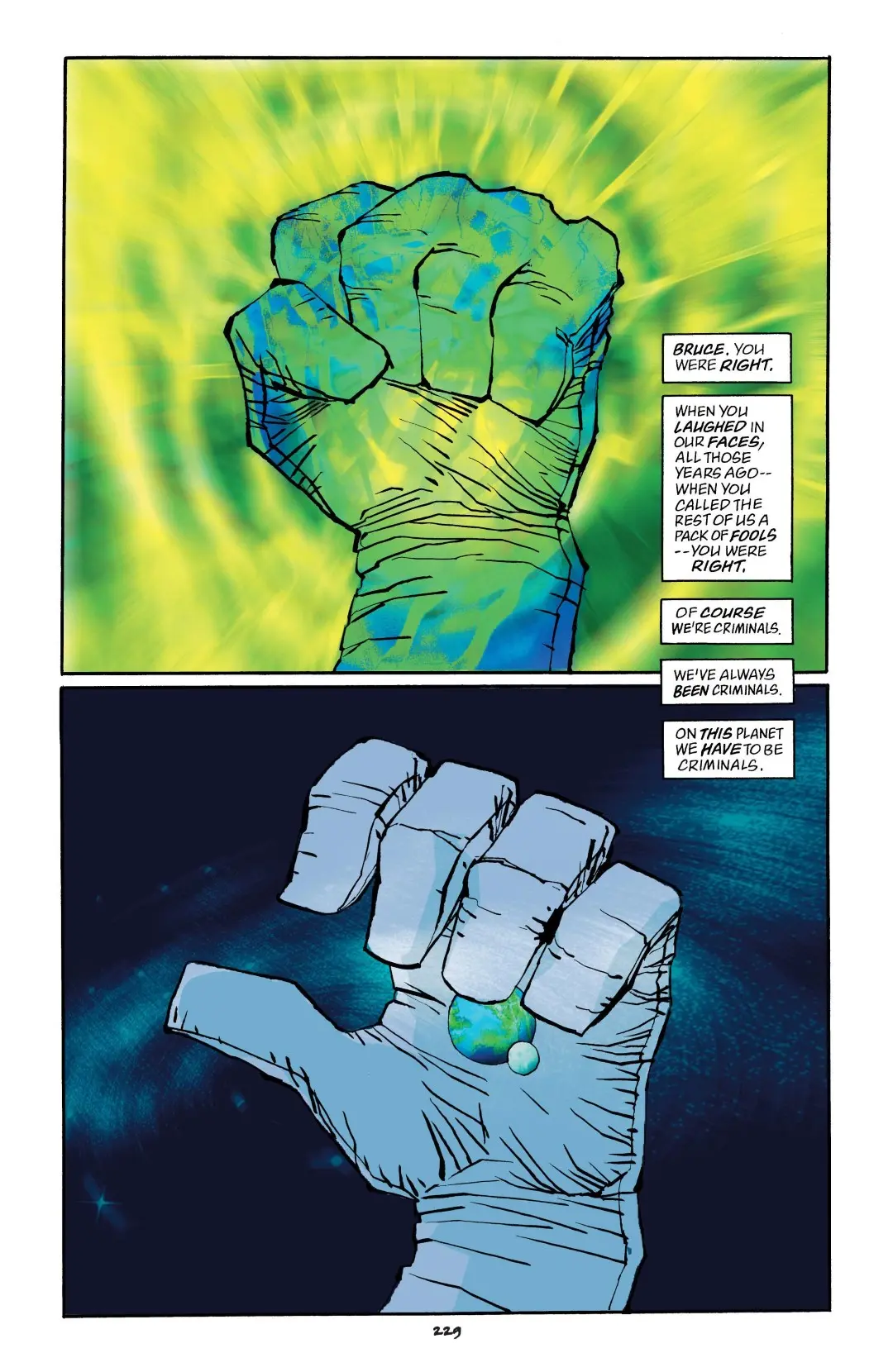
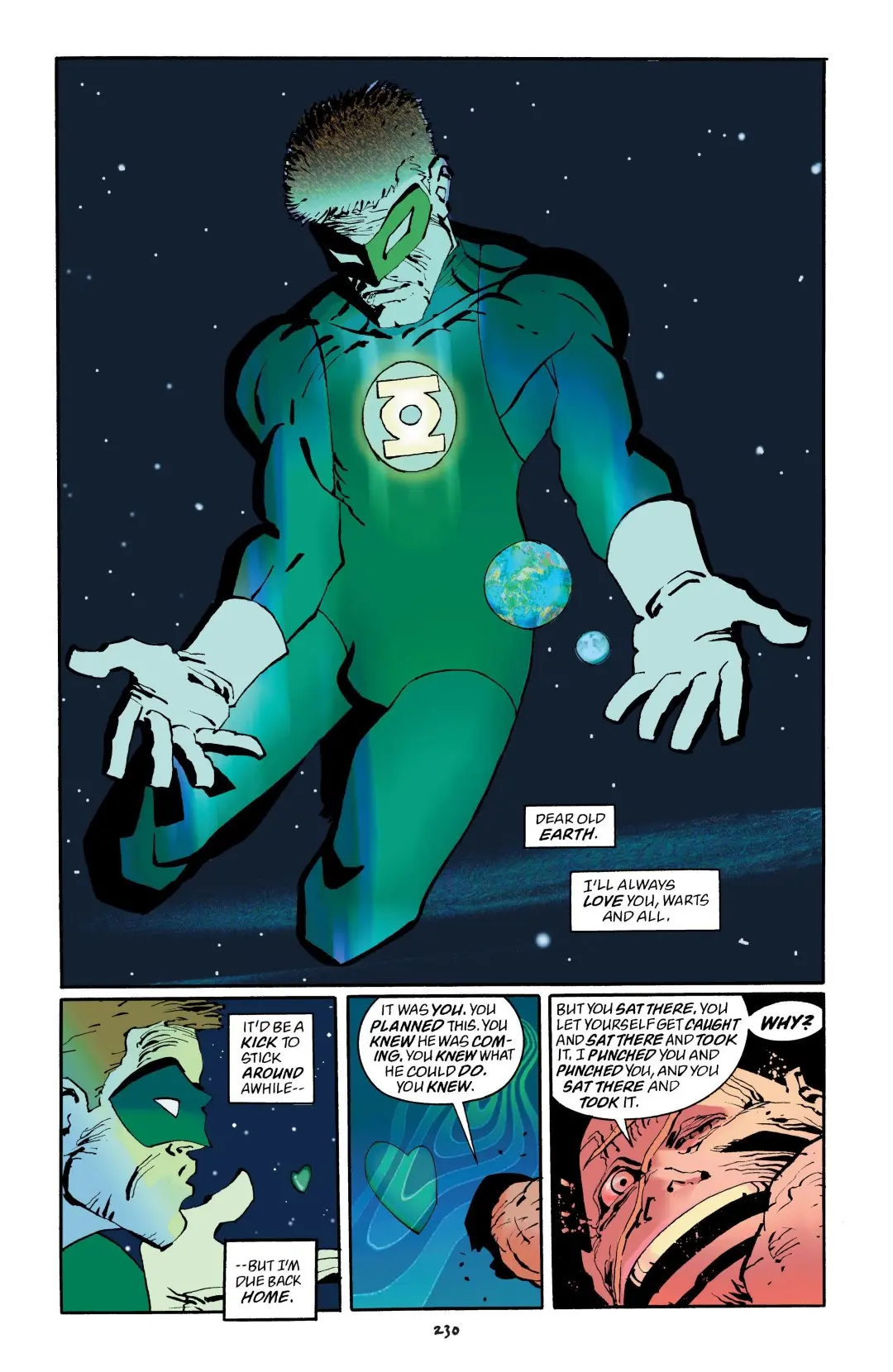
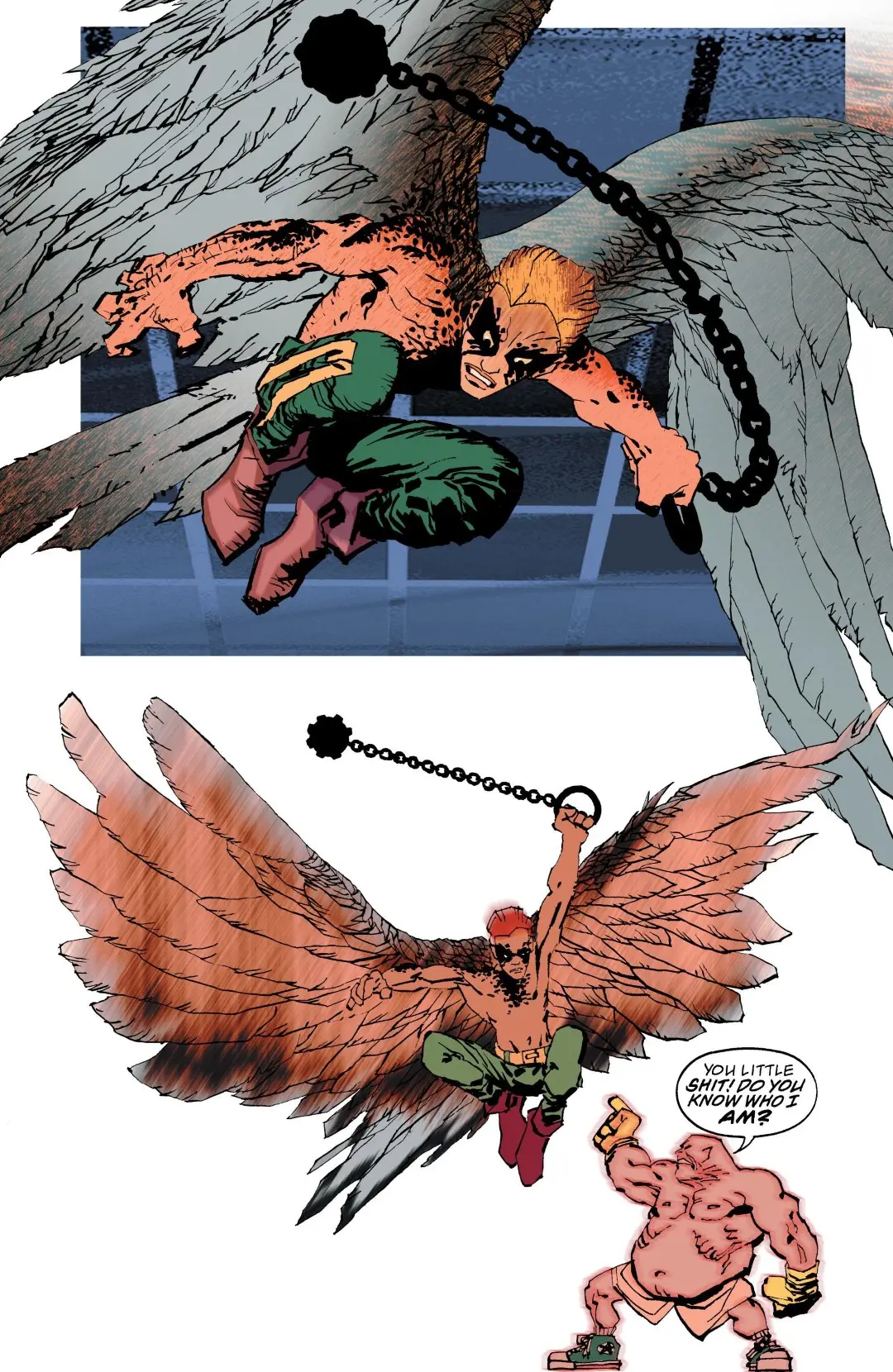
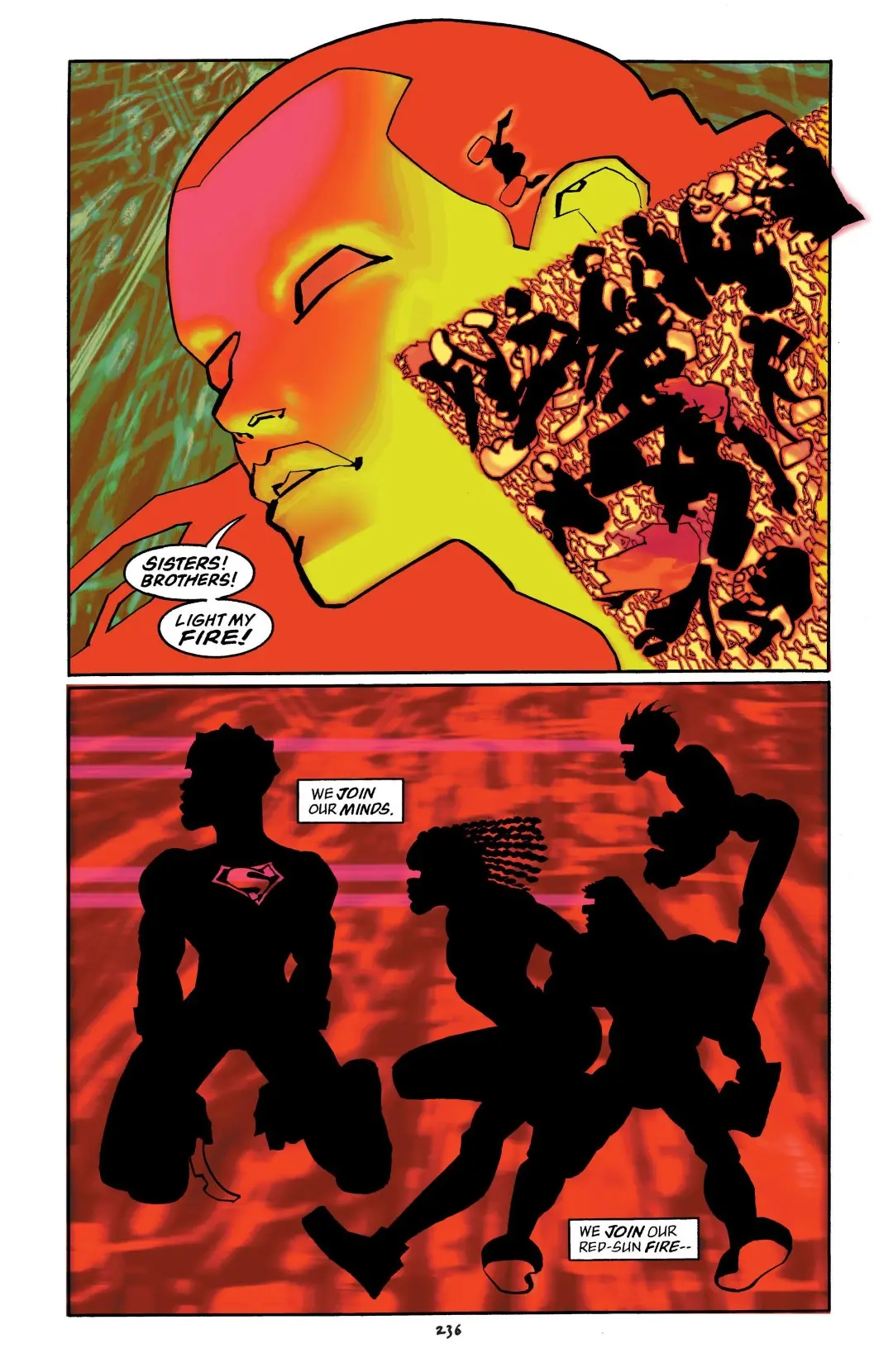
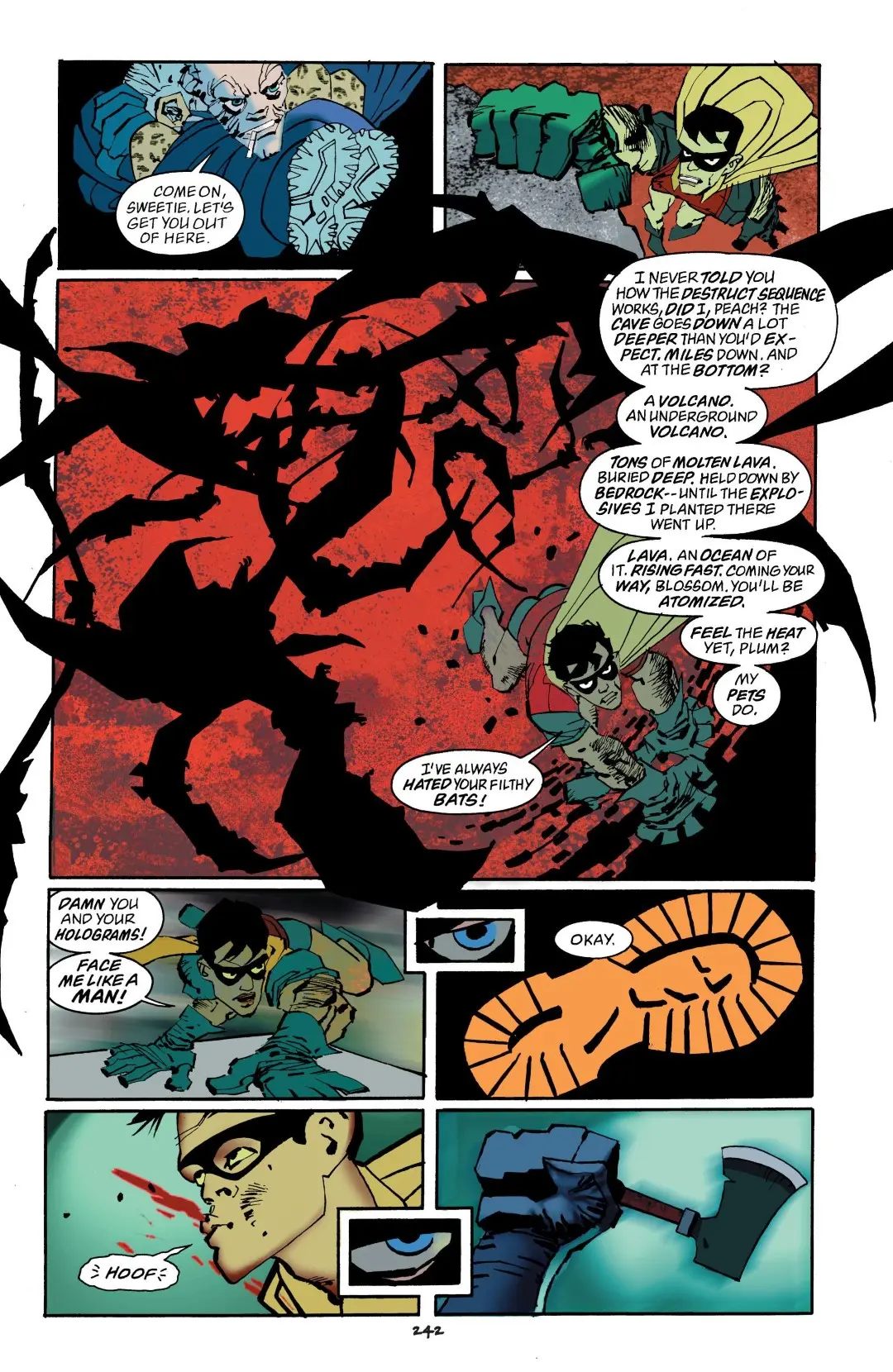
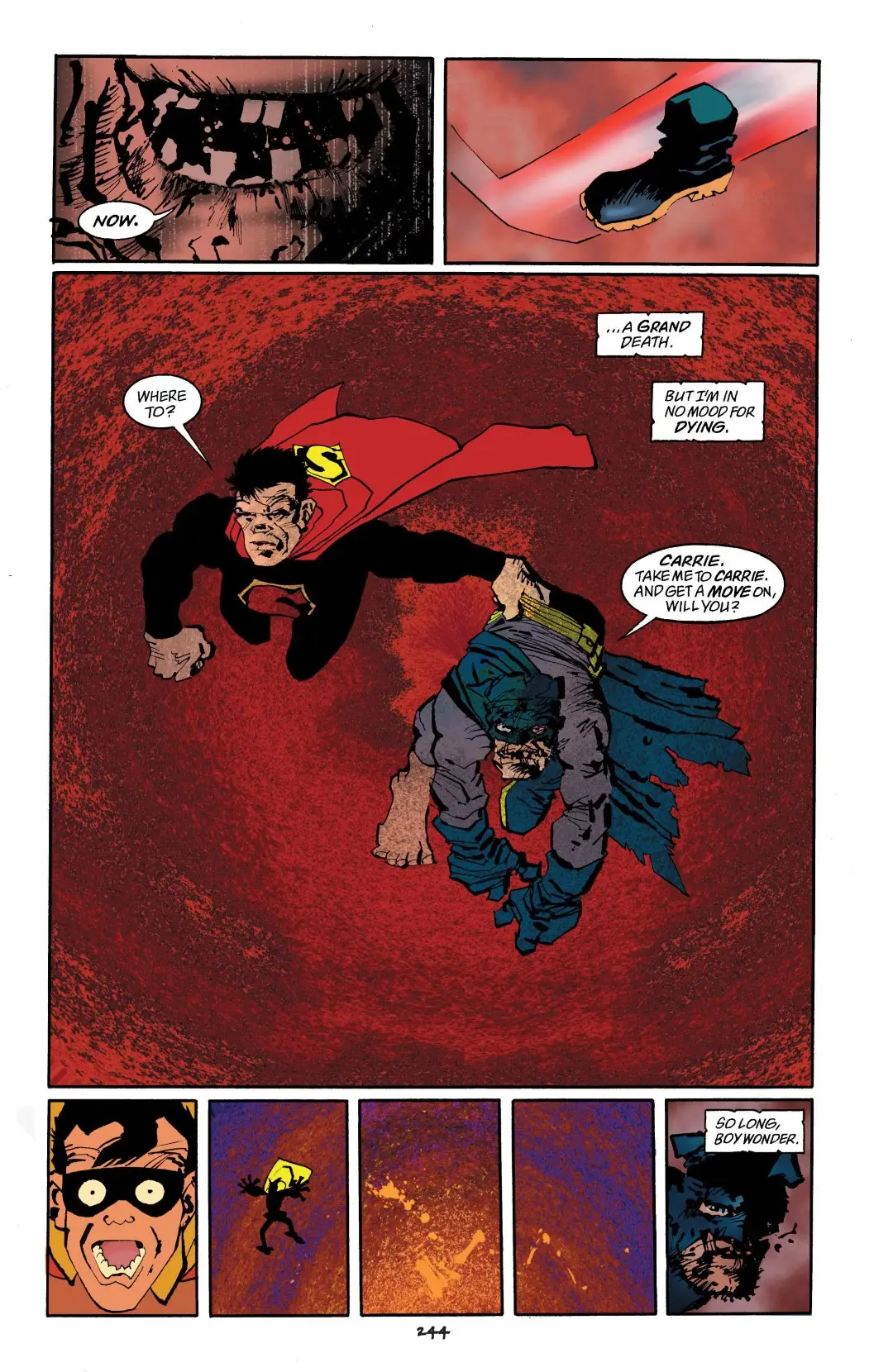
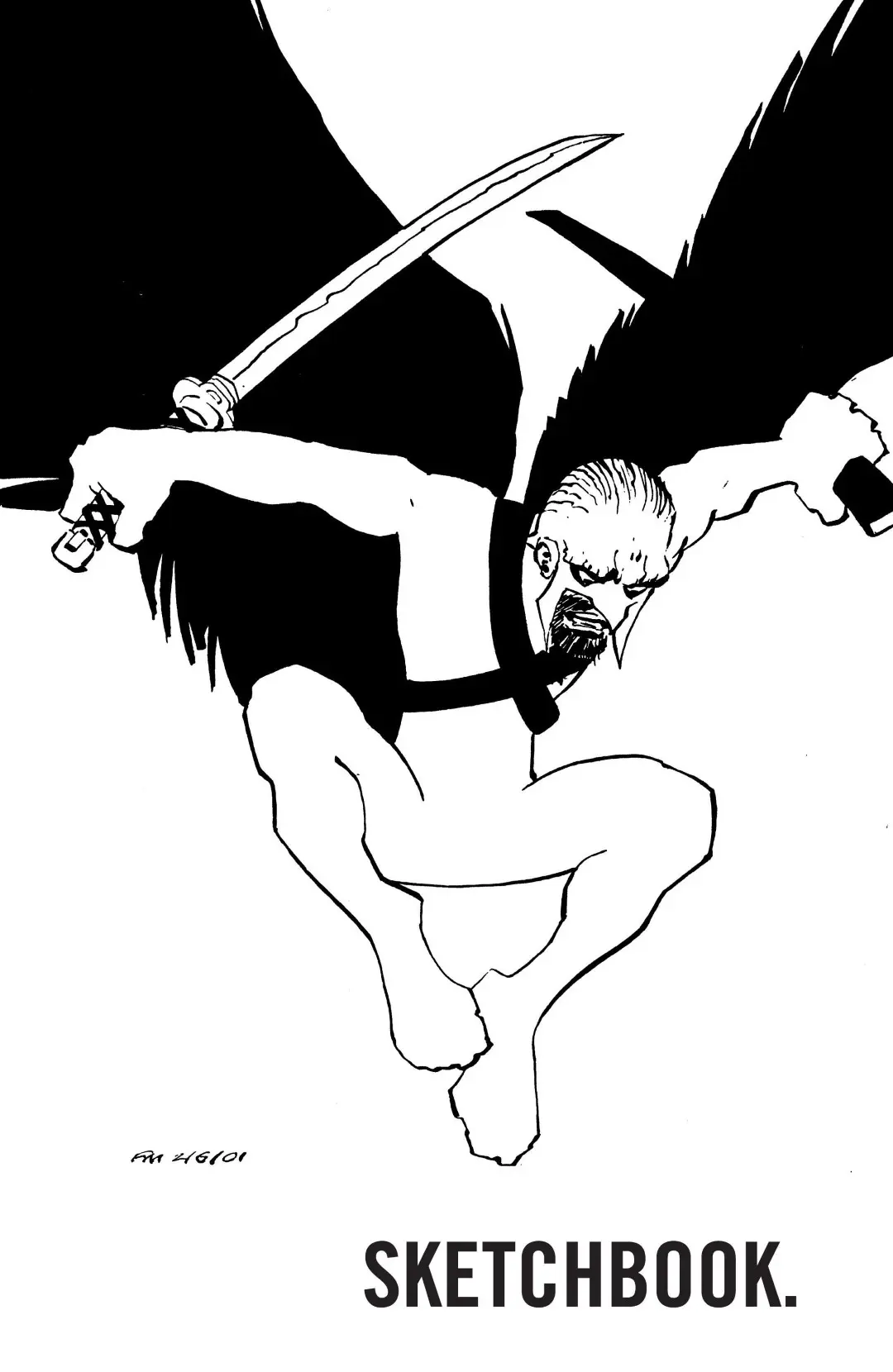
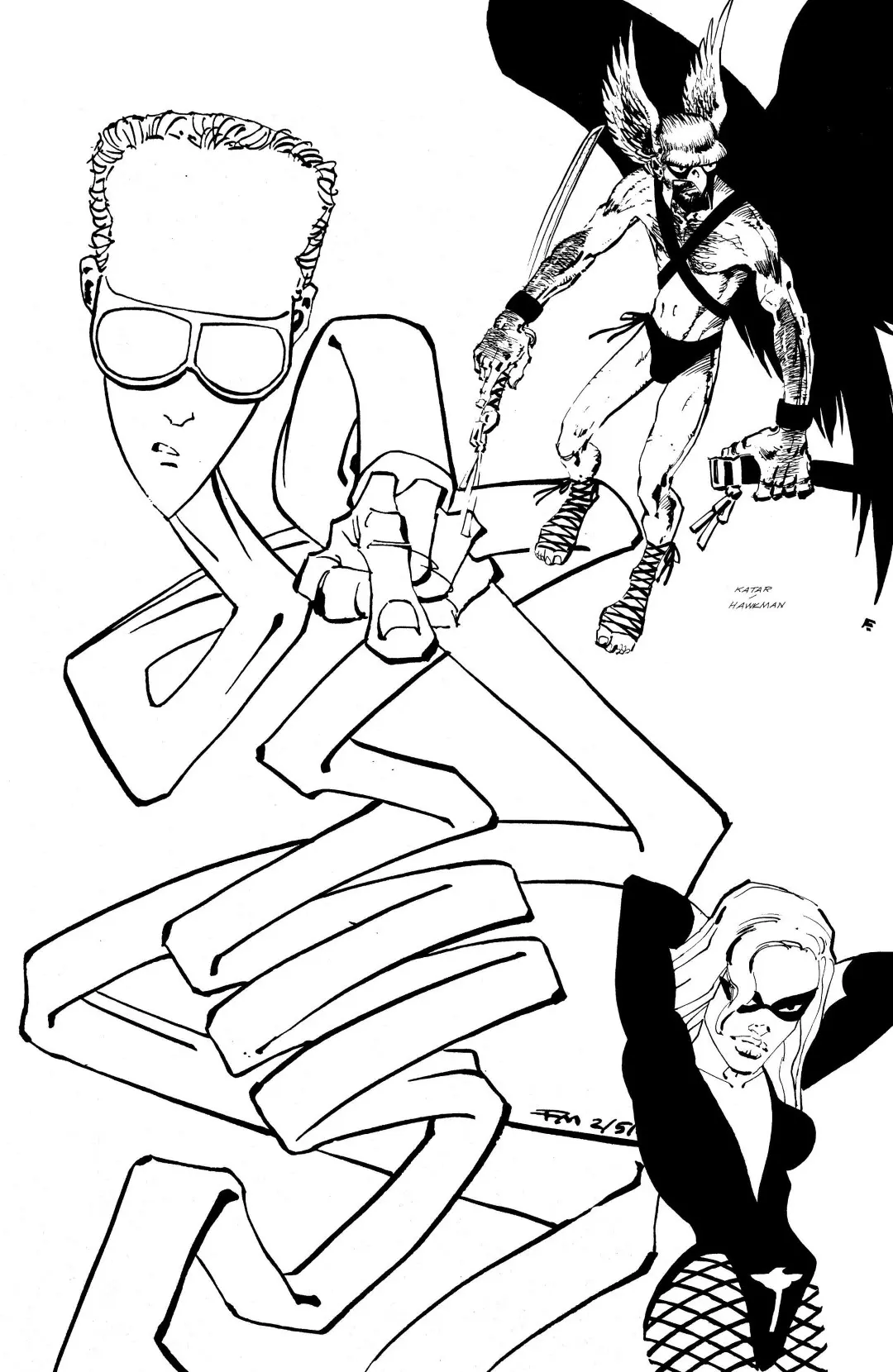
The visual language of Batman: The Dark Knight Strikes Again is deliberately jarring. Frank Miller, working without inker Klaus Janson, adopts a raw, sketchy, almost ugly style that pulses with manic energy.
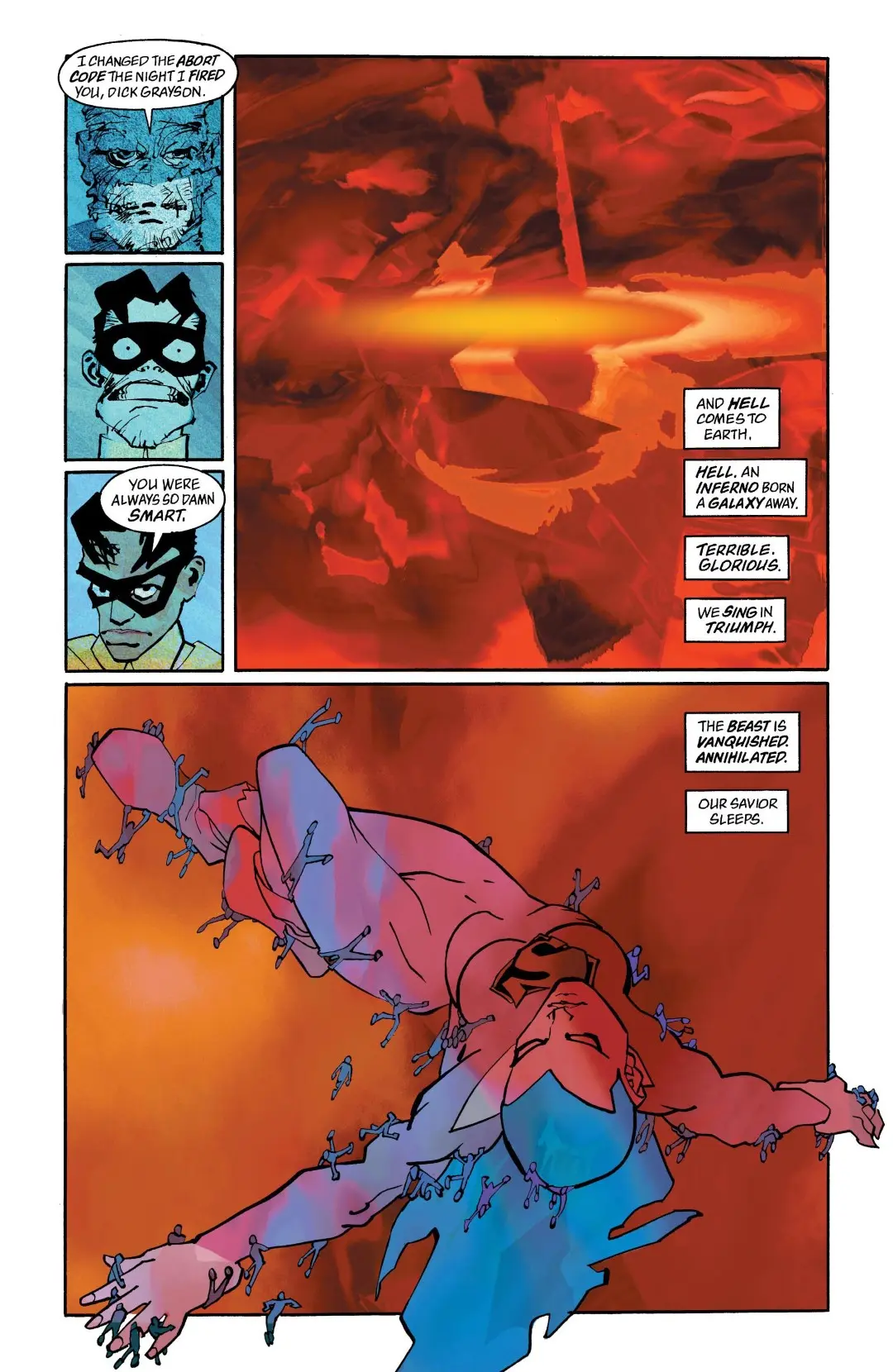
Lynn Varley’s digital colours are lurid and garish, a far cry from the muted watercolours of the original. It is a deliberate aesthetic rejection of the slick, corporate art that dominated comics at the turn of the millennium.
The characters are exaggerated, their movements stiff, their expressions wild.
The panels are crowded with information, the pages bleeding into each other.
It is not a book that wants to be loved or even understood on first reading. It is a book that wants to shock, to disorient, to force the reader out of passive consumption and into active engagement.
The plot of Batman: The Dark Knight Strikes Again is dense, complex, and intentionally difficult to summarise. It weaves together a vast tapestry of DC characters, many of whom appear only in cameo.
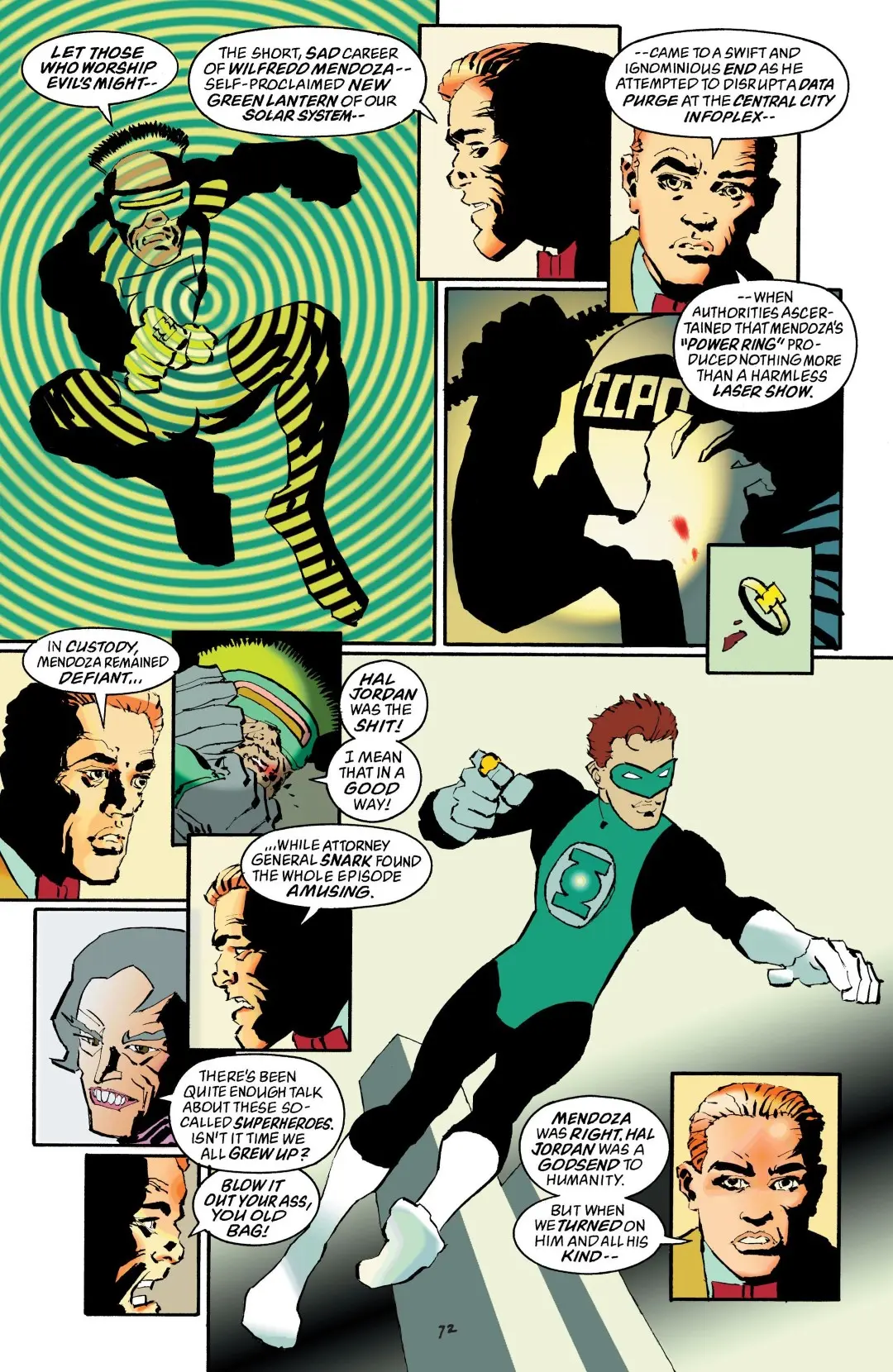
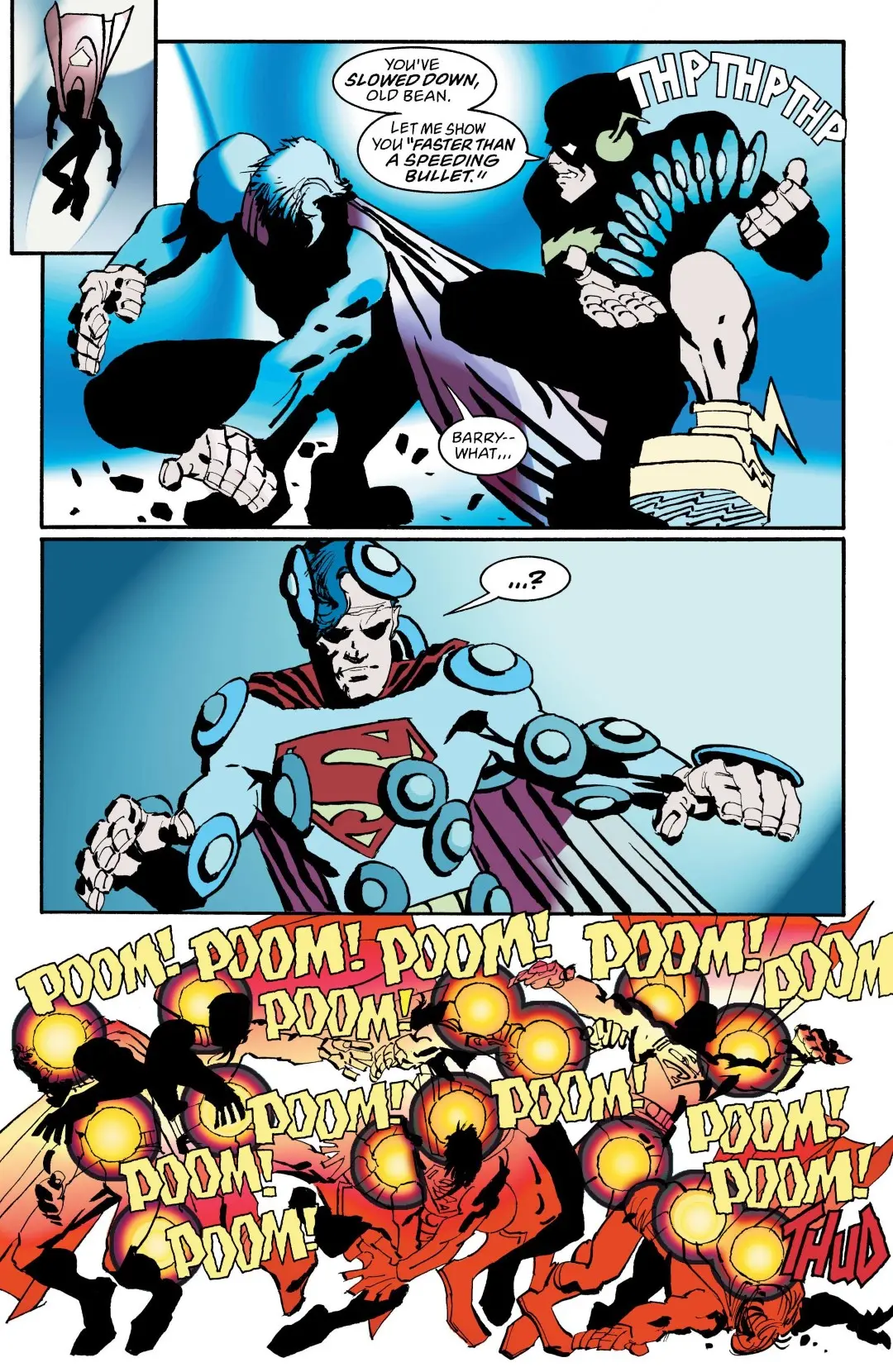
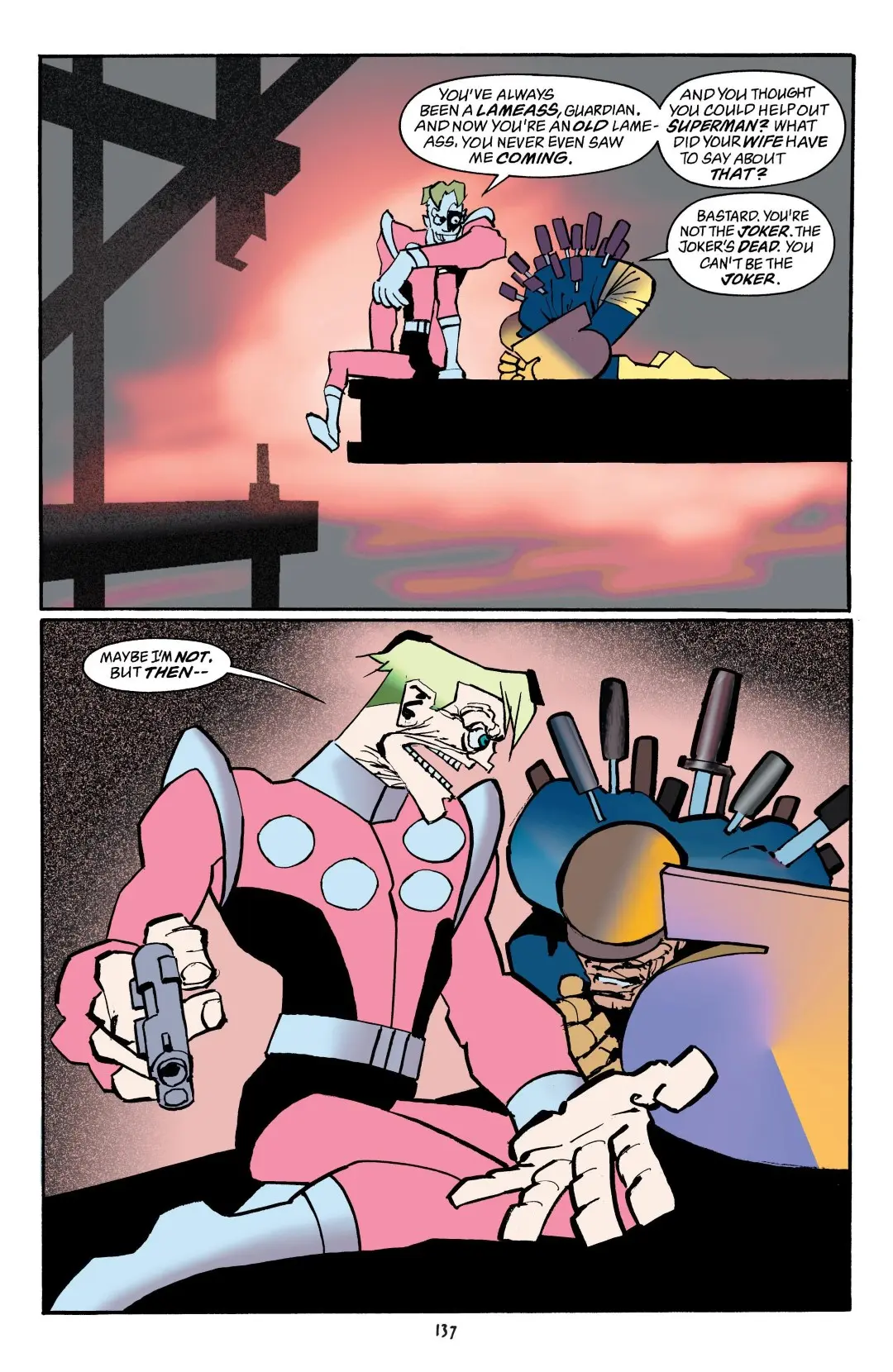
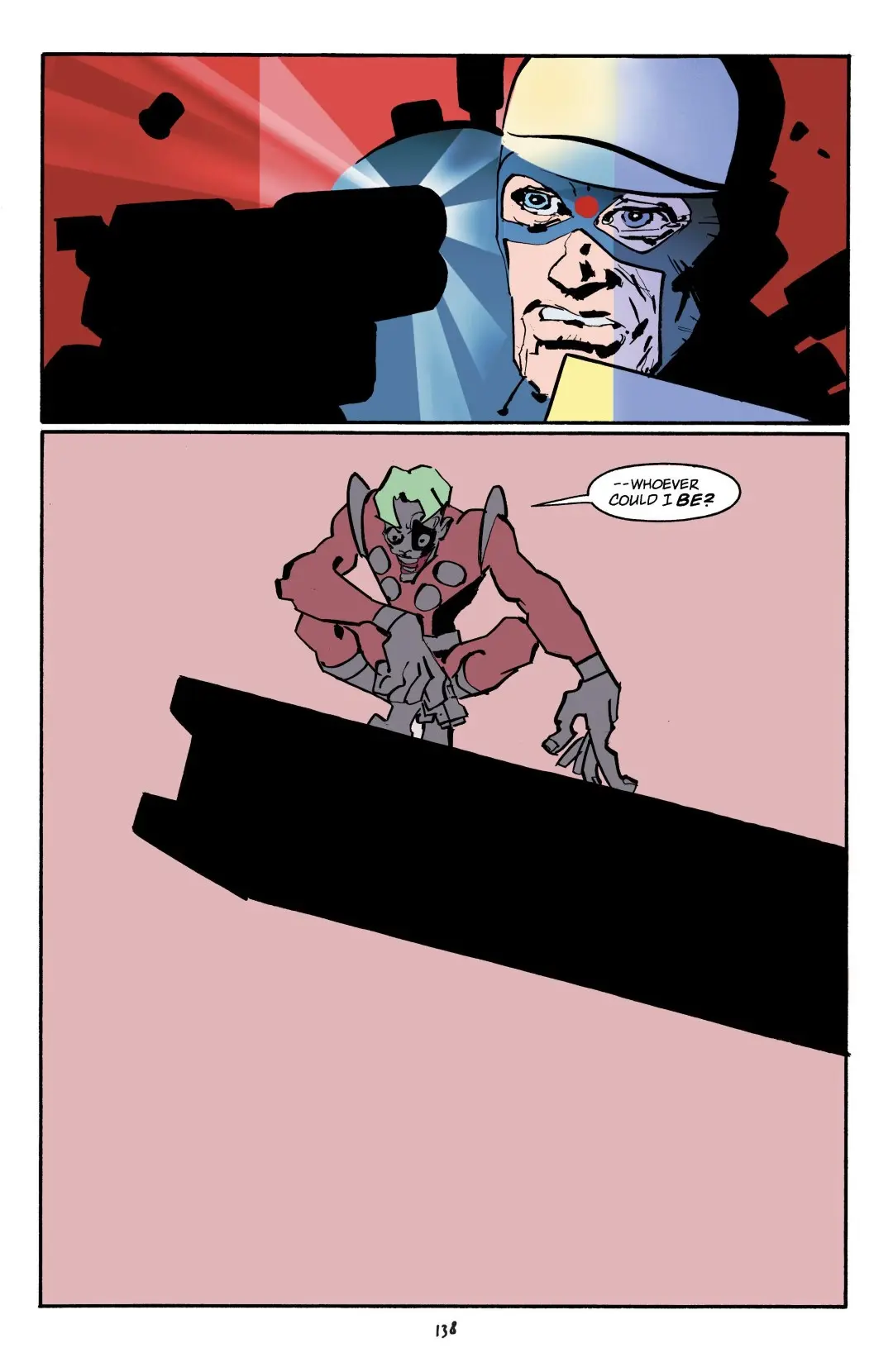
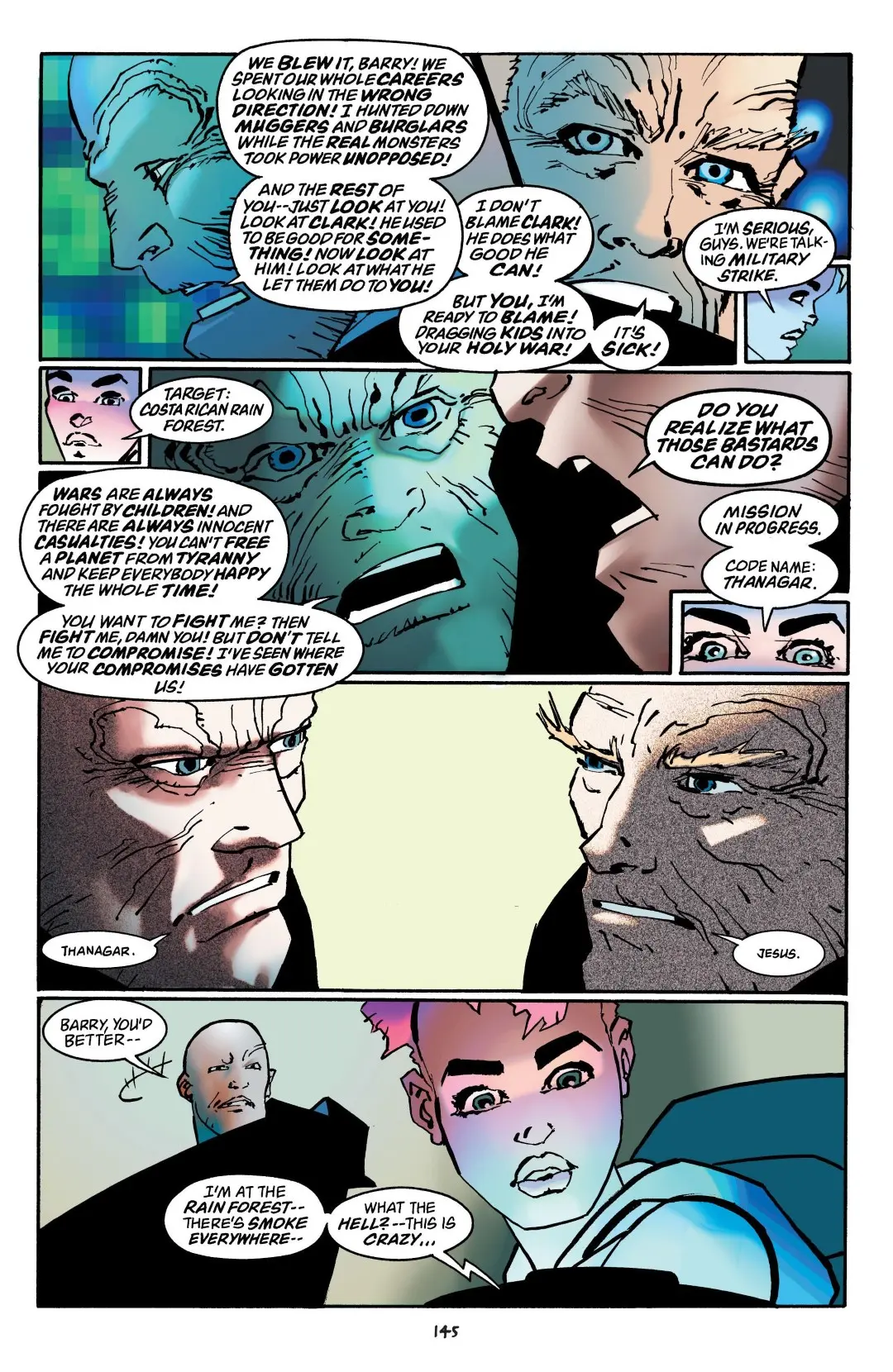
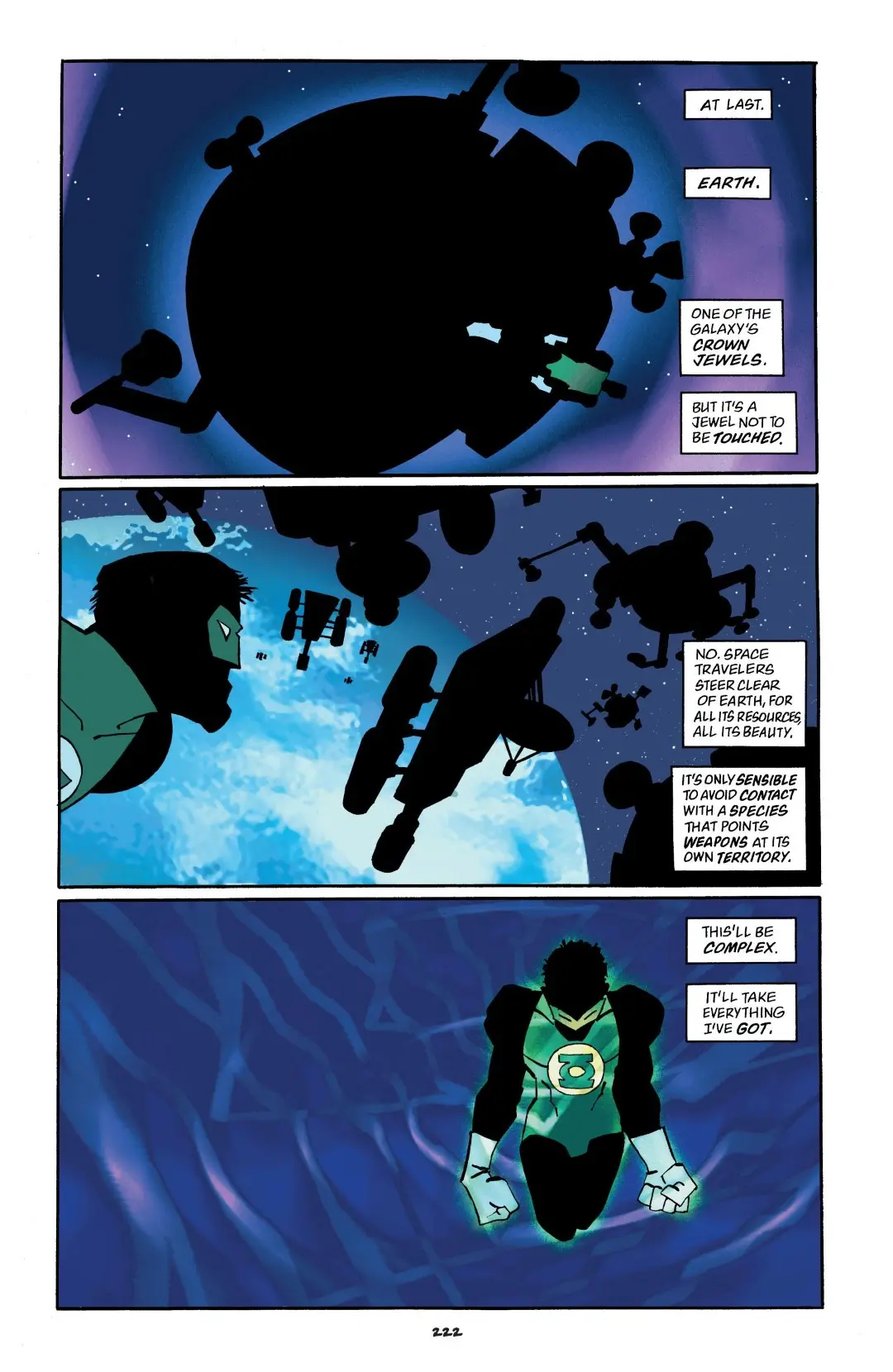
Miller reintroduces Barry Allen, Hal Jordan, Ray Palmer, Plastic Man, and Captain Marvel, each of whom has been broken or exiled by the regime.
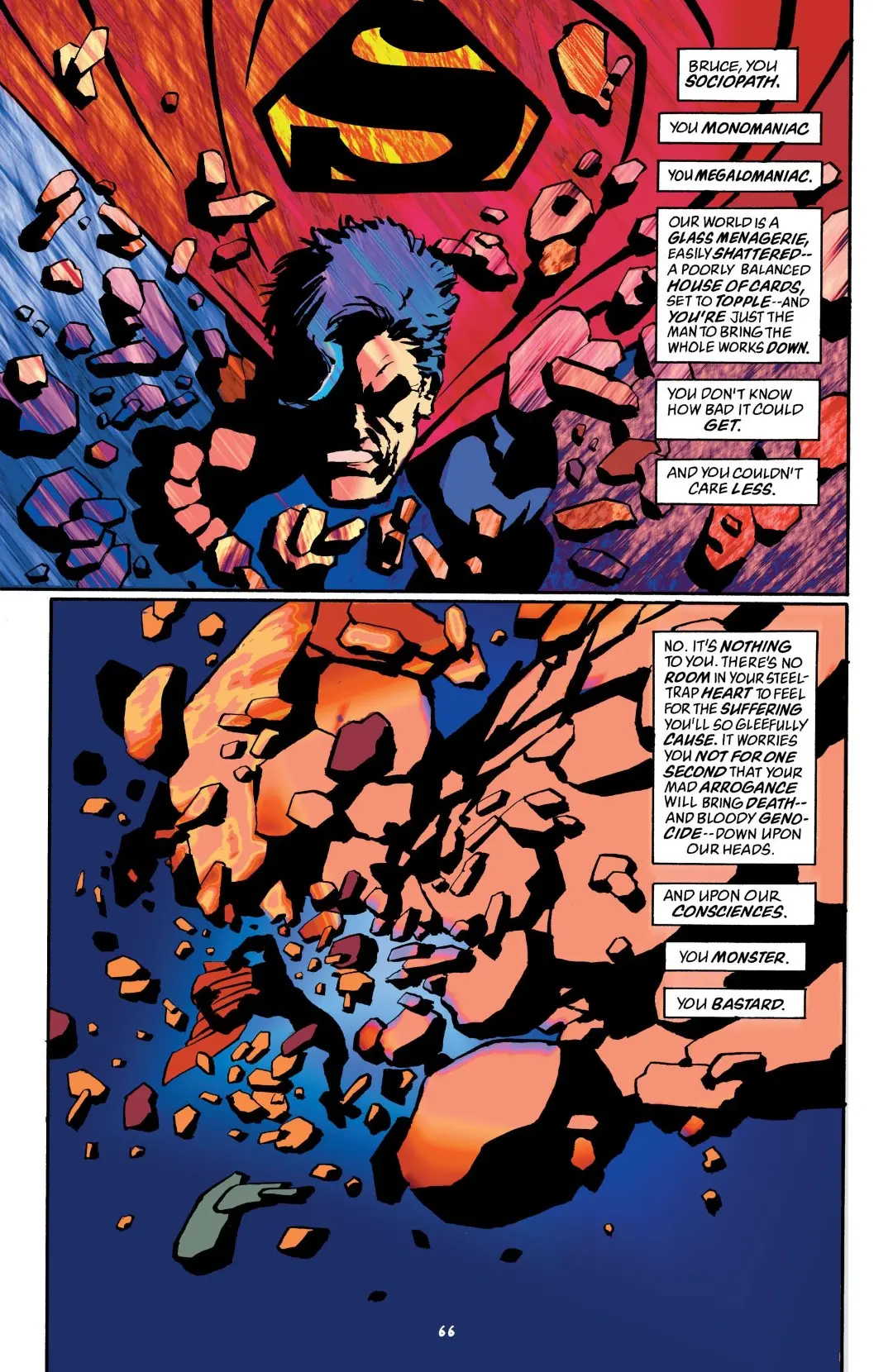
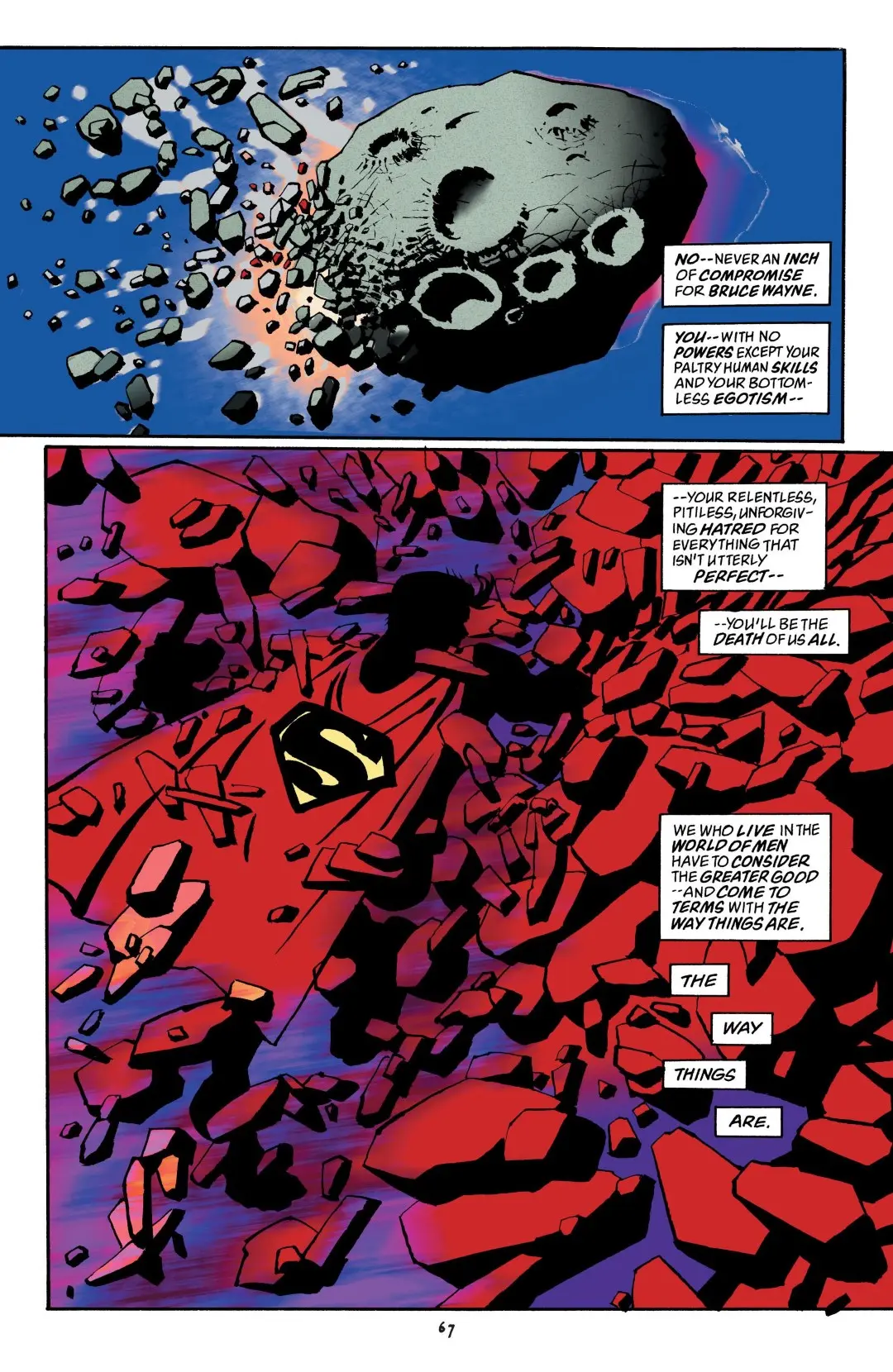
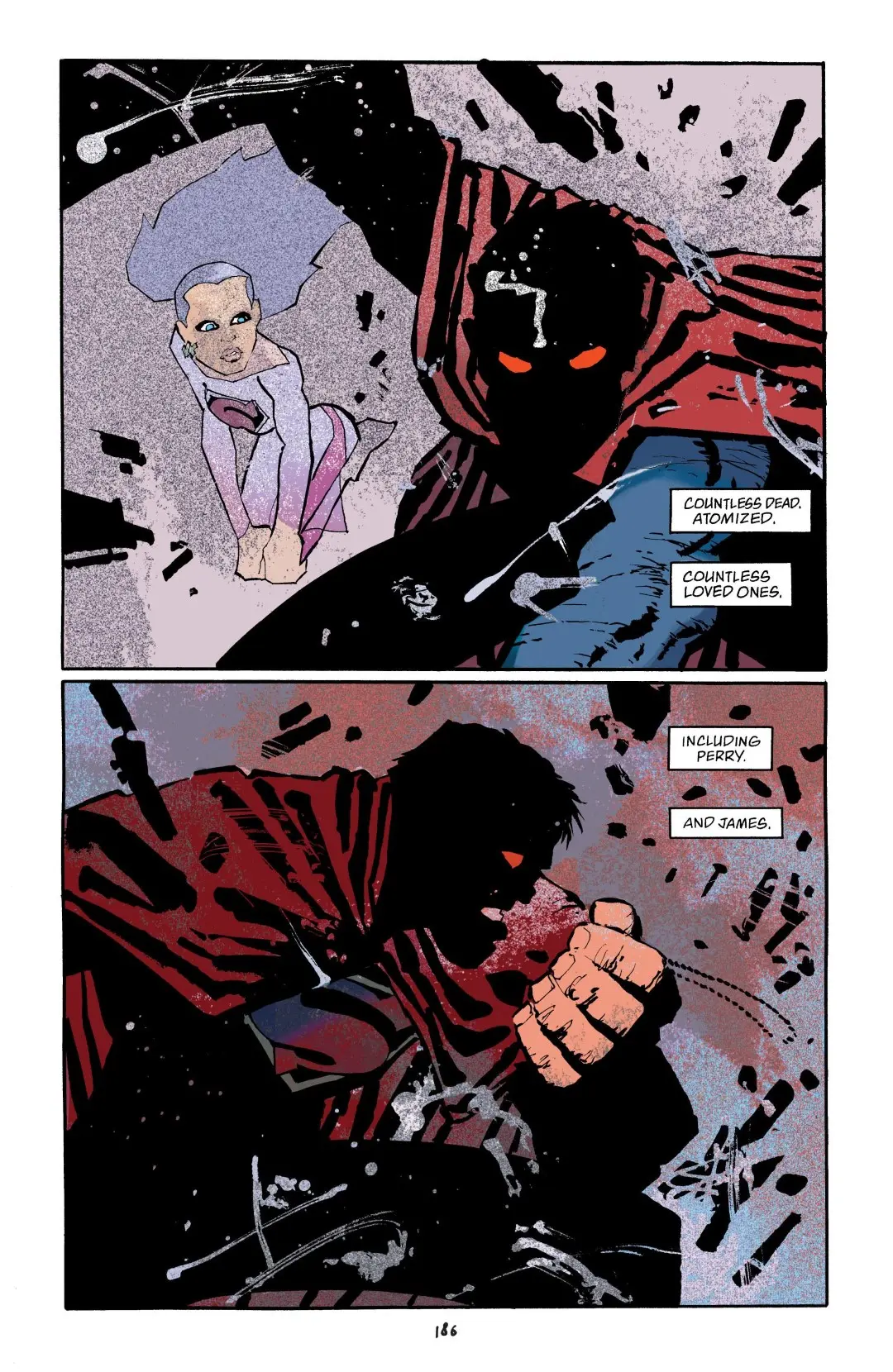
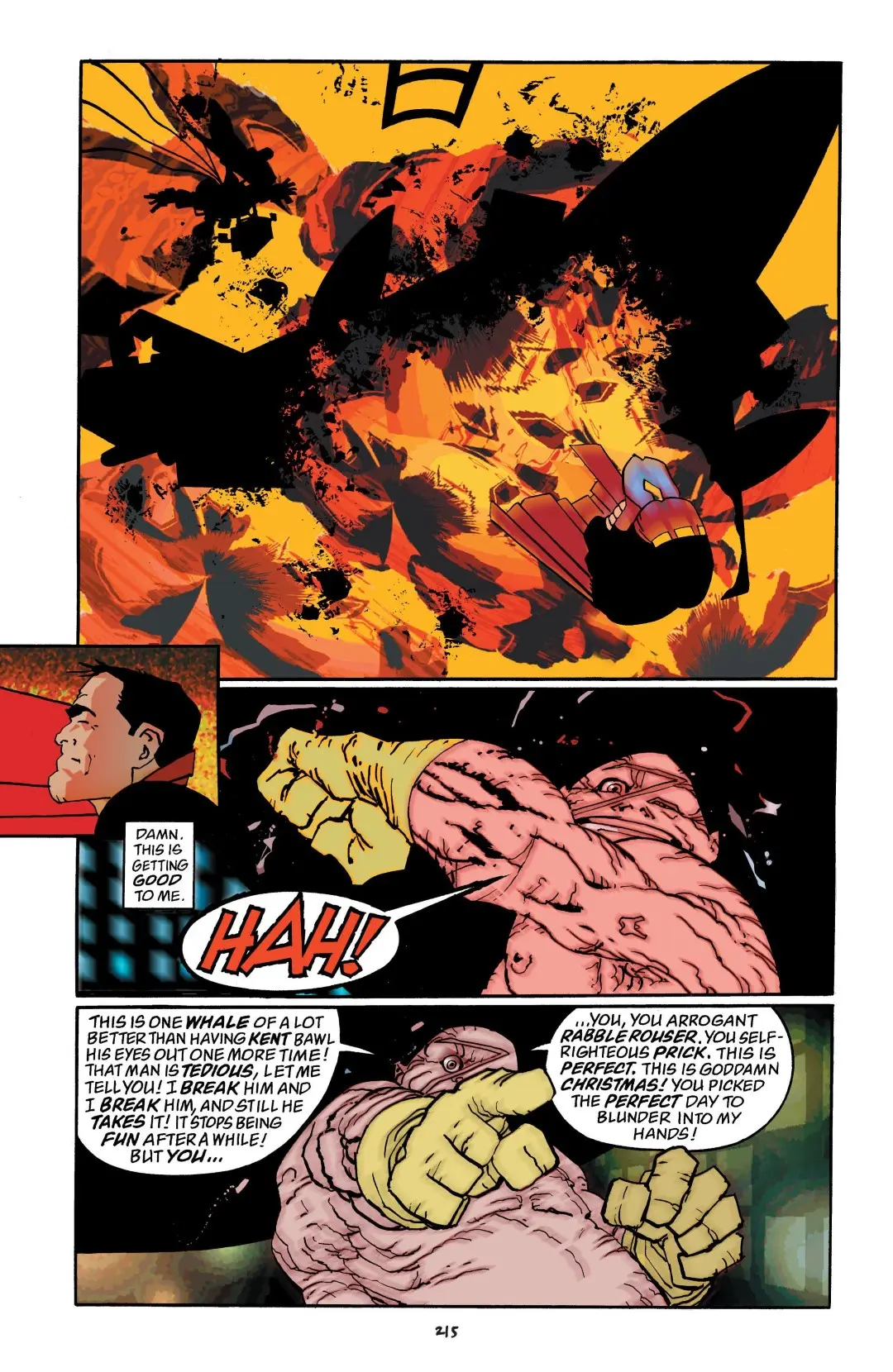
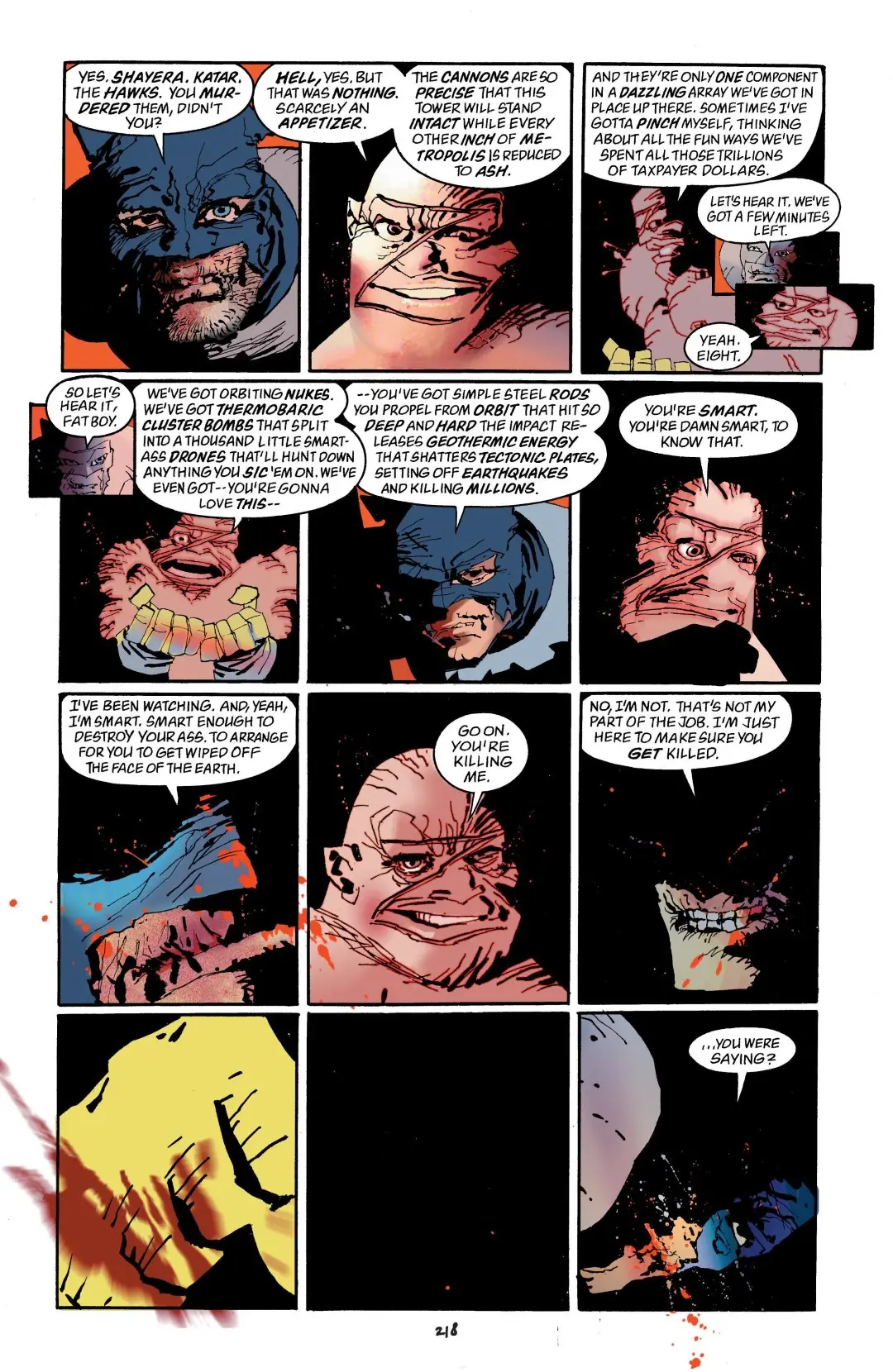
The centrepiece of the story is Batman’s systematic dismantling of Luthor’s power base, a campaign that involves freeing Kandor, resurrecting the Flash, and ultimately confronting a corrupted Superman.
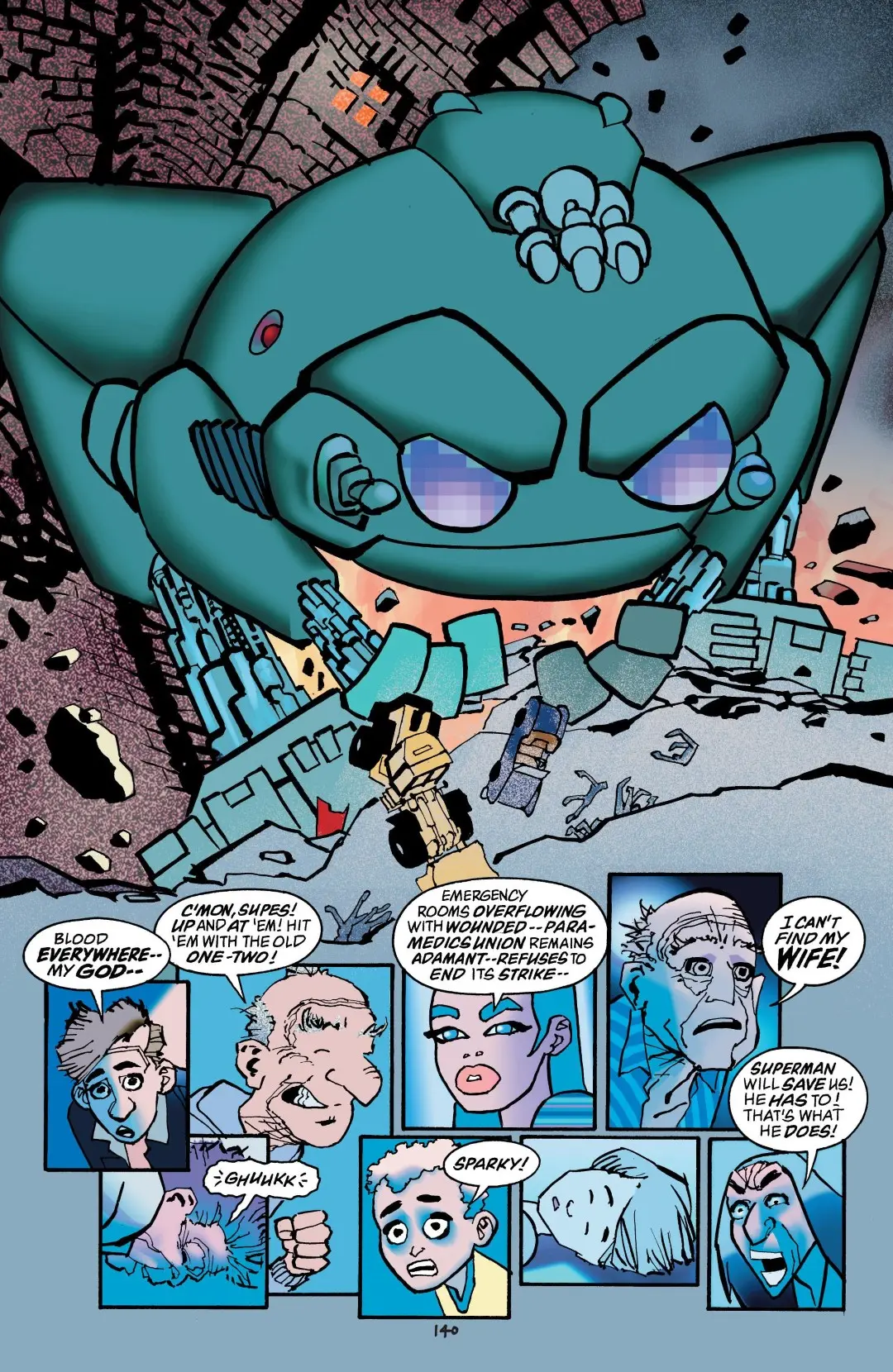
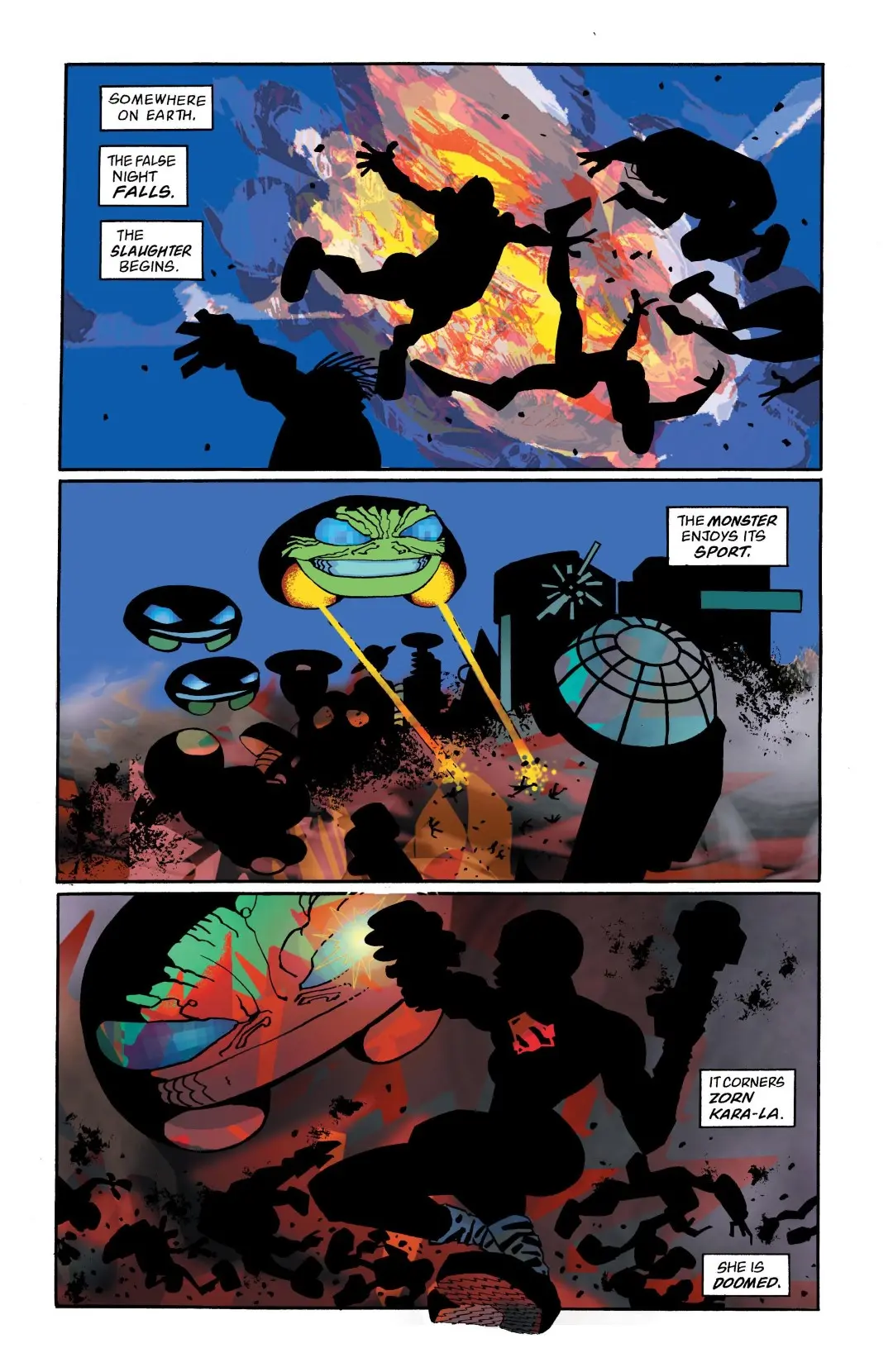
The set pieces are huge and surreal, culminating in a final battle that takes place in a recreated Kryptonian city. But the true target of Batman: The Dark Knight Strikes Again is not any single villain; it is the entire apparatus of control, the media, the government, the corporations, the unquestioning conformity of the masses.
Batman does not just defeat his enemies; he exposes them, humiliates them, and turns their own weapons against them.
The philosophical core of Batman: The Dark Knight Strikes Again is a radical critique of the status quo. Miller’s Batman is not a conservative protector of order; he is a revolutionary who believes that the system is the disease.
He kills without hesitation, manipulates without apology, and sacrifices without sentiment. This is not the Batman of the mainstream comics, nor even the Batman of The Dark Knight Returns.
This is an older, more desperate, more ruthless version of the character, one who has watched the world slide into a police state and has decided that the only response is total war.
The book is uncomfortable, abrasive, and deliberately provocative. It forces the reader to ask whether the ends can justify the means, and whether the preservation of freedom can ever require the suspension of morality.
The response to Batman: The Dark Knight Strikes Again was sharply divided. Critics expecting a safe, nostalgic sequel were appalled by its aggression and incoherence.
Long-time fans of the original were baffled by its ugly art and manic pacing. But a smaller, more dedicated audience recognised the book for what it is: a visionary work of political art, a coded scream against the creeping authoritarianism of the post-9/11 world.
In retrospect, Batman: The Dark Knight Strikes Again has aged better than its reputation suggests. Its anxieties about surveillance, media manipulation, and corporate control are more relevant than ever.
Its garish, fragmented aesthetic has proven influential, anticipating the visual language of the internet age. And its central message, that heroism is not about protecting order but about resisting it, has found a new resonance in an era of protest and upheaval.
Ultimately, Batman: The Dark Knight Strikes Again is a flawed masterpiece, a beautiful failure, a work of art that dares to be ugly, a story that dares to be chaotic.
It is not a sequel that seeks to recapture past glory; it is a sequel that seeks to burn the past down and build something new from the ashes. For fans of Frank Miller’s original, it is a challenging, sometimes infuriating, ultimately rewarding experience.
For new readers, it is a fascinating artifact, a time capsule of a moment when one of comics’ greatest creators chose to scream rather than to whisper.
Read Free Comics Online recommends approaching Batman: The Dark Knight Strikes Again not as a conventional comic, but as an experimental novel in pictures, a fever dream of revolutionary rage that still has the power to shock and inspire.
Batman The Dark Knight Strikes Again 3 Issues (2001-2002) Read Free Online


































































































Read Free Comics Online of all comics character on this website with very high-quality images on google free.
Leave a Reply