Batman In Darkest Knight Issue 1 (1994)
Publisher: DC Comics
Read Free Comics Online Batman In Darkest Knight Issue 1 (1994) Read Free Online with very high-quality images on google without any cost, Read Free DC comics online at Read Free comics Online.
Scroll down to read free comics online.
Read Random Issue
Batman In Darkest Knight Issue 1 (1994) Read Free DC Comics Online
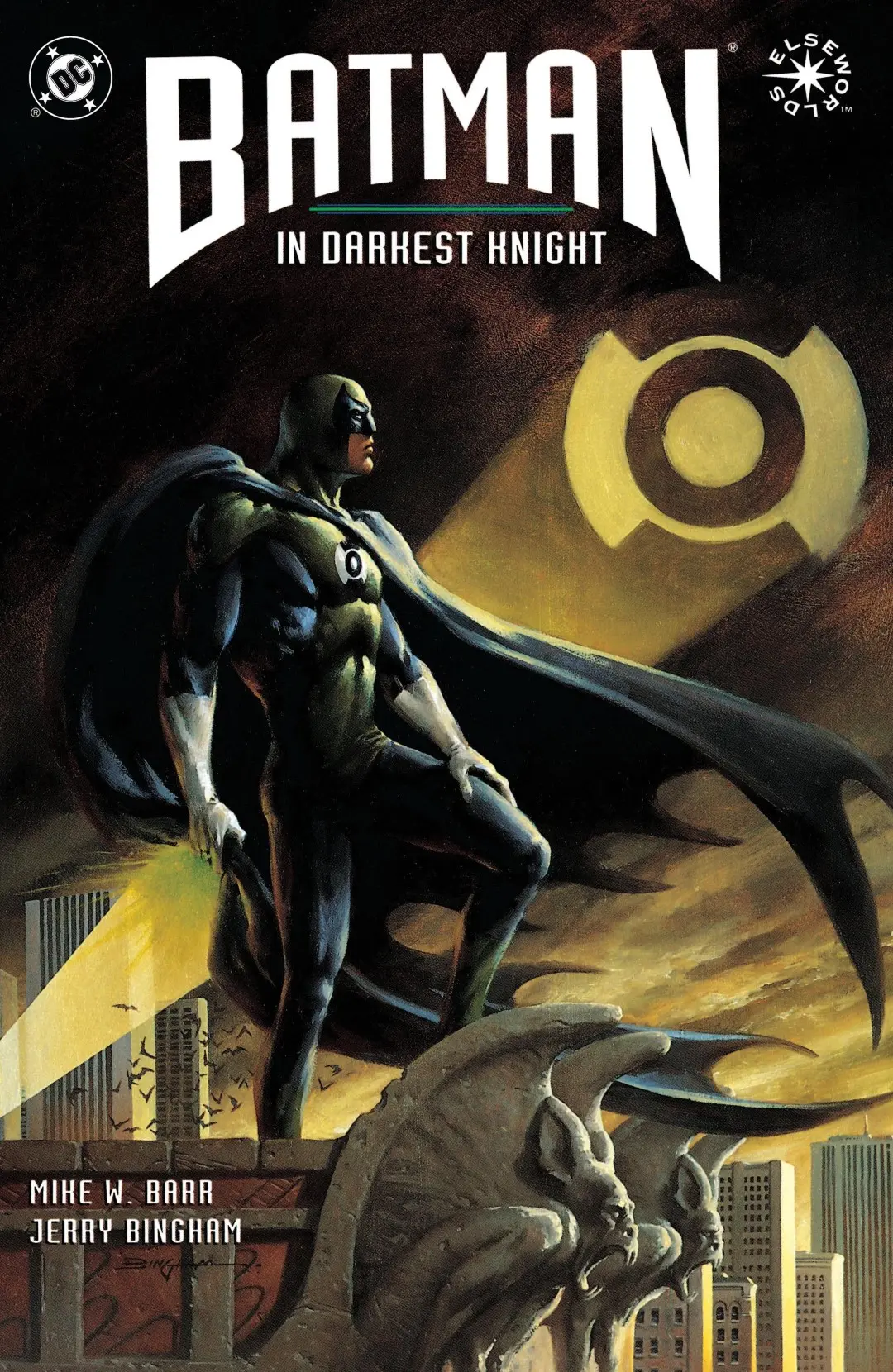
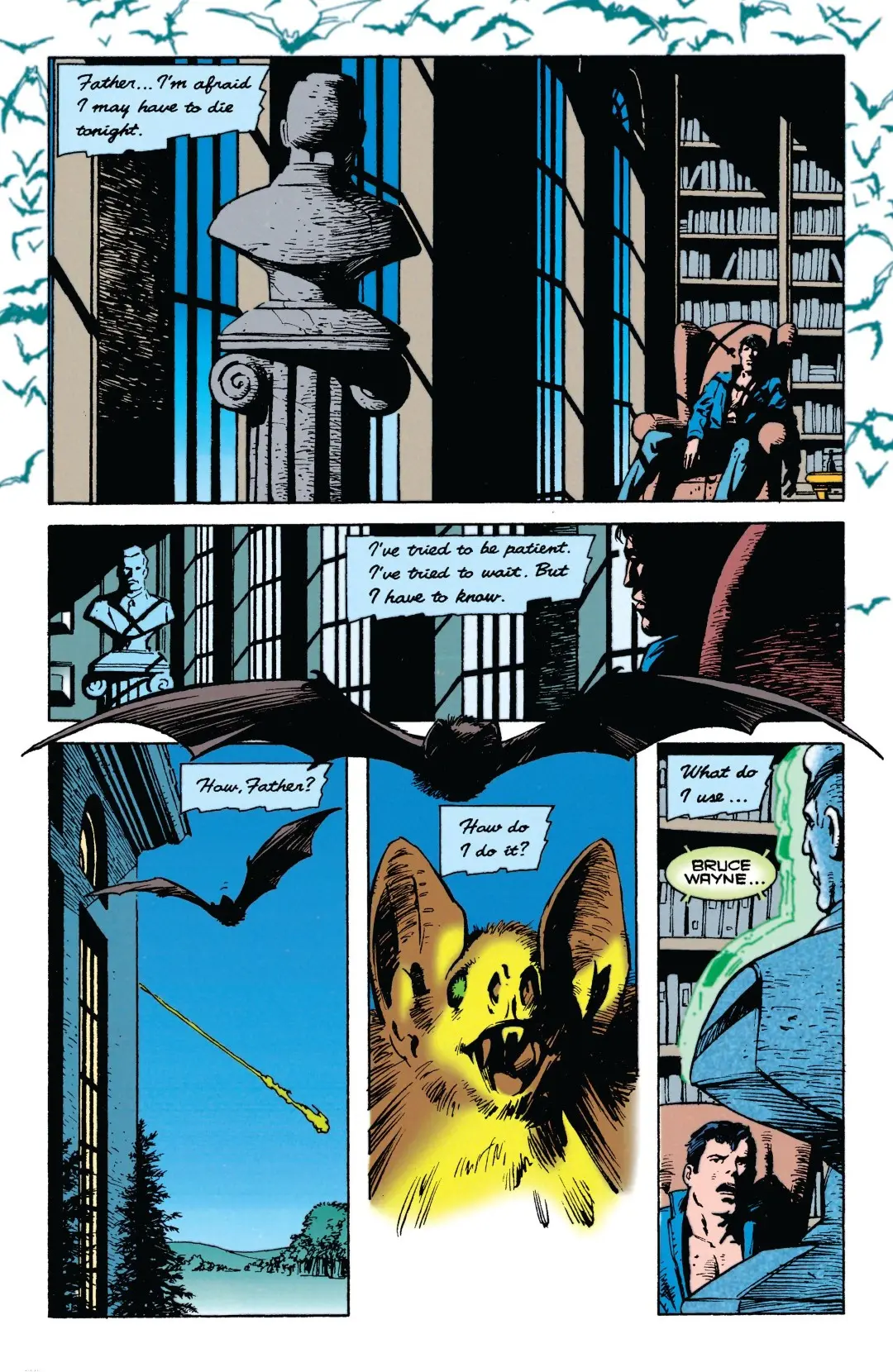
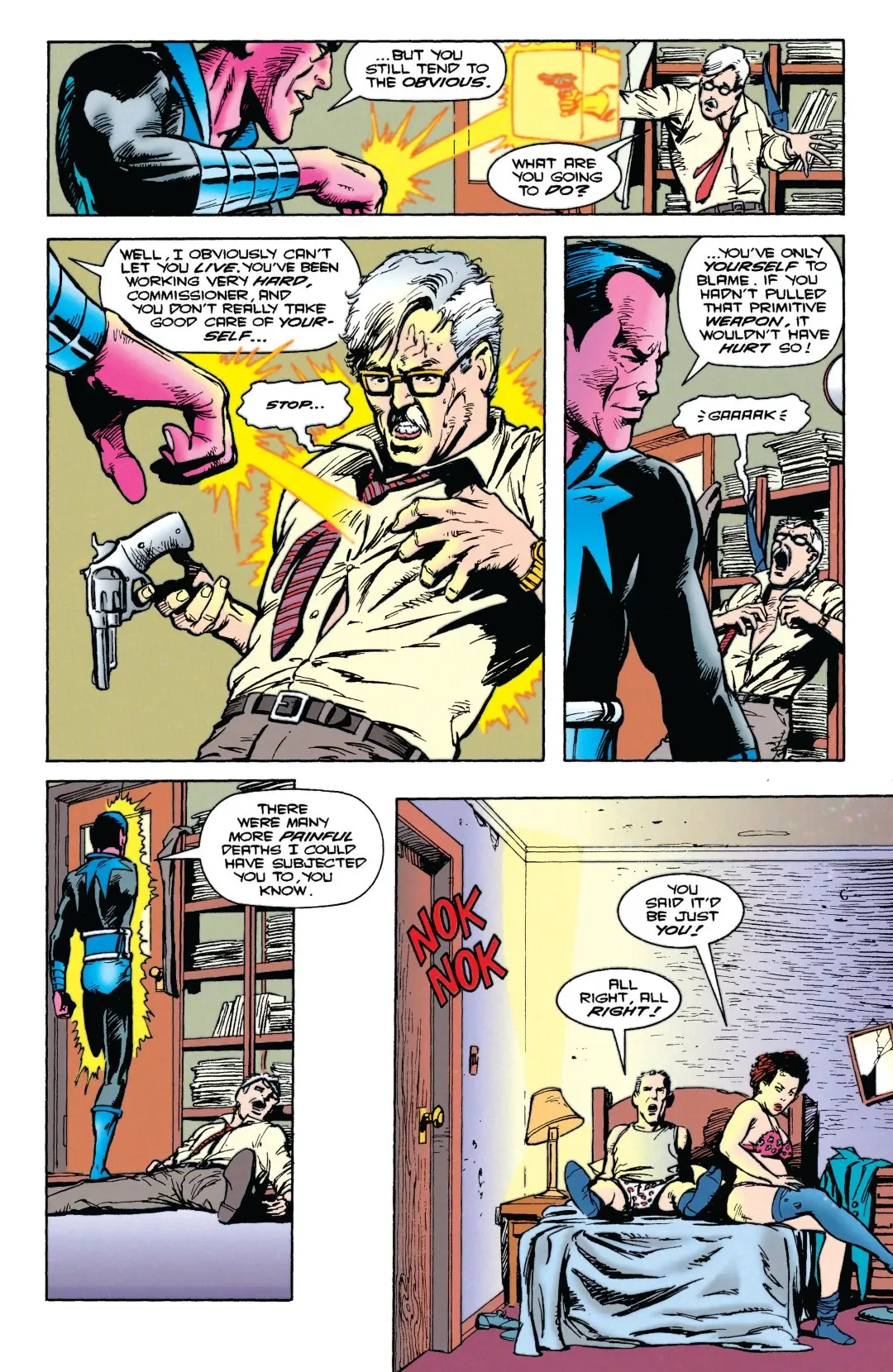
The Elseworlds imprint of the 1990s was a playground for the impossible, a place where the boundaries of continuity dissolved and creators could ask the questions that the monthly titles could never entertain. Among the most audacious of these experiments was Batman: In Darkest Knight Issue 1 (1994) , a one-shot that fused the gothic despair of Gotham with the cosmic scale of the Green Lantern mythos. Written by Mike W. Barr with painted art by Jerry Bingham, the comic opens not with a ring falling from the sky but with a failure so complete that it nearly breaks the man who will become the Dark Knight. Bruce Wayne, still raw from a disastrous early confrontation with a criminal in the East End, bleeds into the carpet of his study, his body broken, his spirit on the verge of surrender.
The artist captures the desperation of this moment, the way the shadows of Wayne Manor seem to swallow him whole, the way his reflection in the window shows not a hero but a boy still kneeling in the alley where his parents fell.
In Batman: In Darkest Knight Issue 1 (1994), we understand immediately that this is not a story about power but about the terrifying vulnerability that makes Bruce Wayne choose the mask in the first place.
The narrative of Batman: In Darkest Knight Issue 1 (1994) pivots on a moment of divine intervention that feels almost accidental.
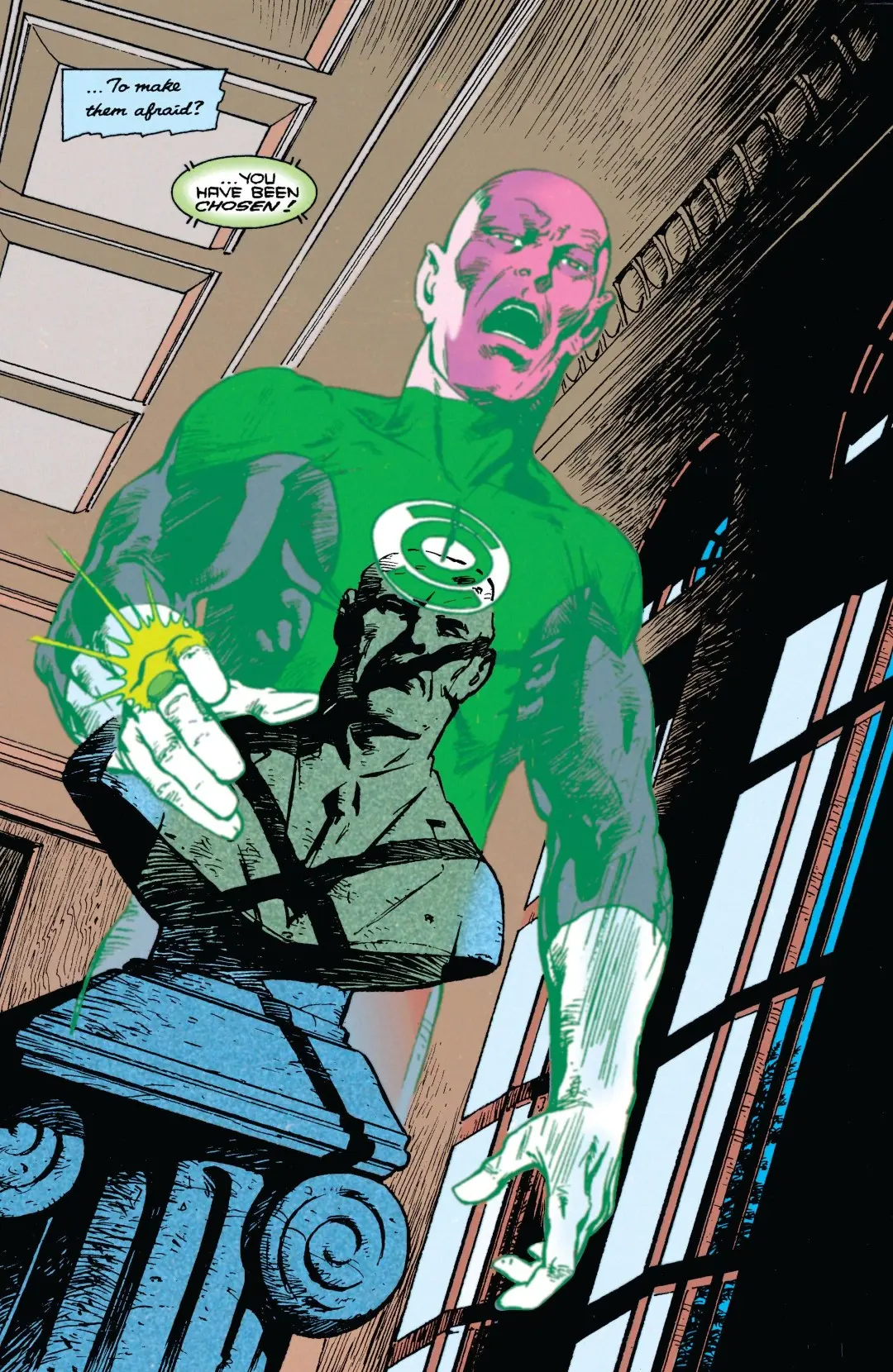
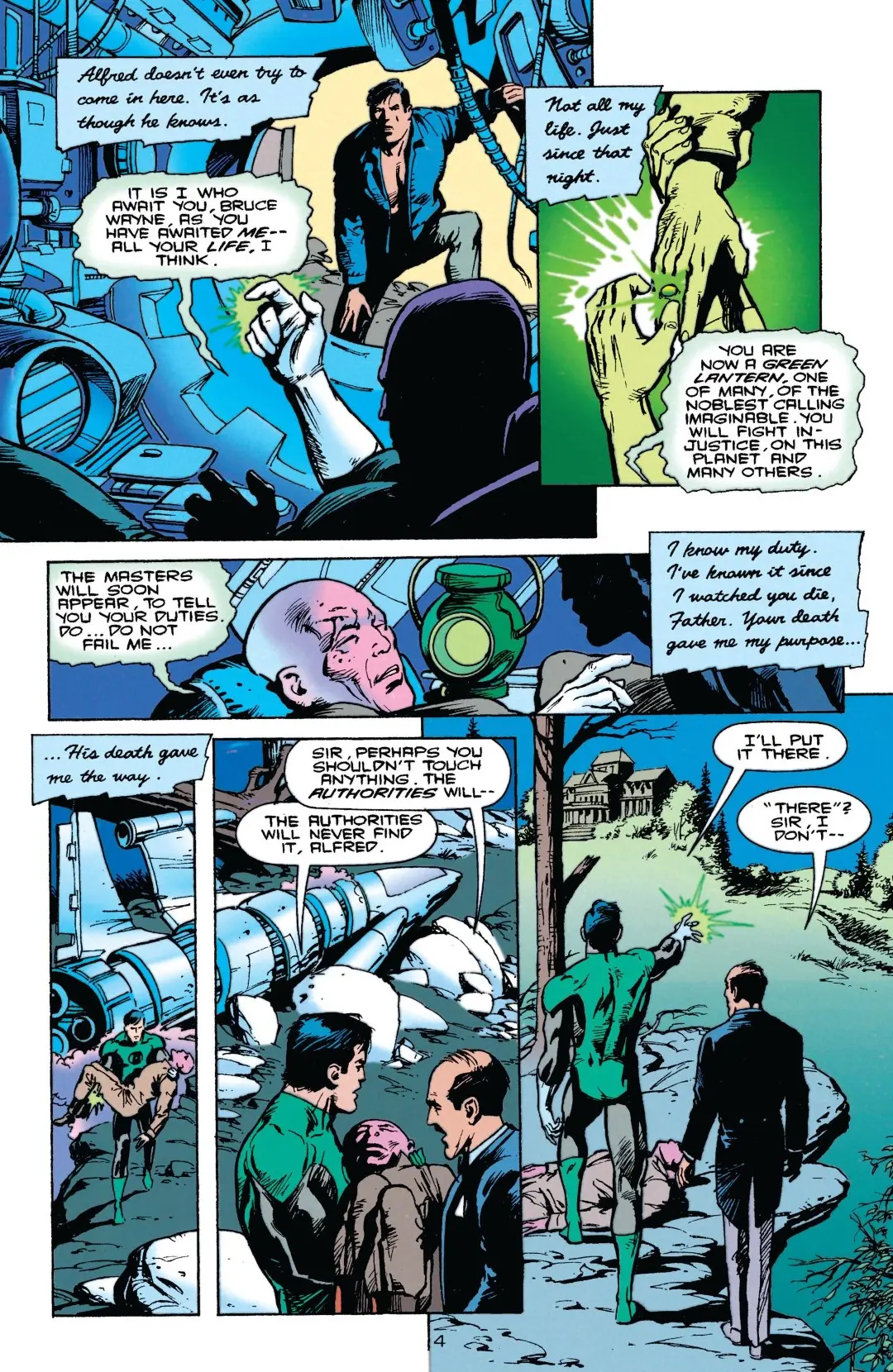
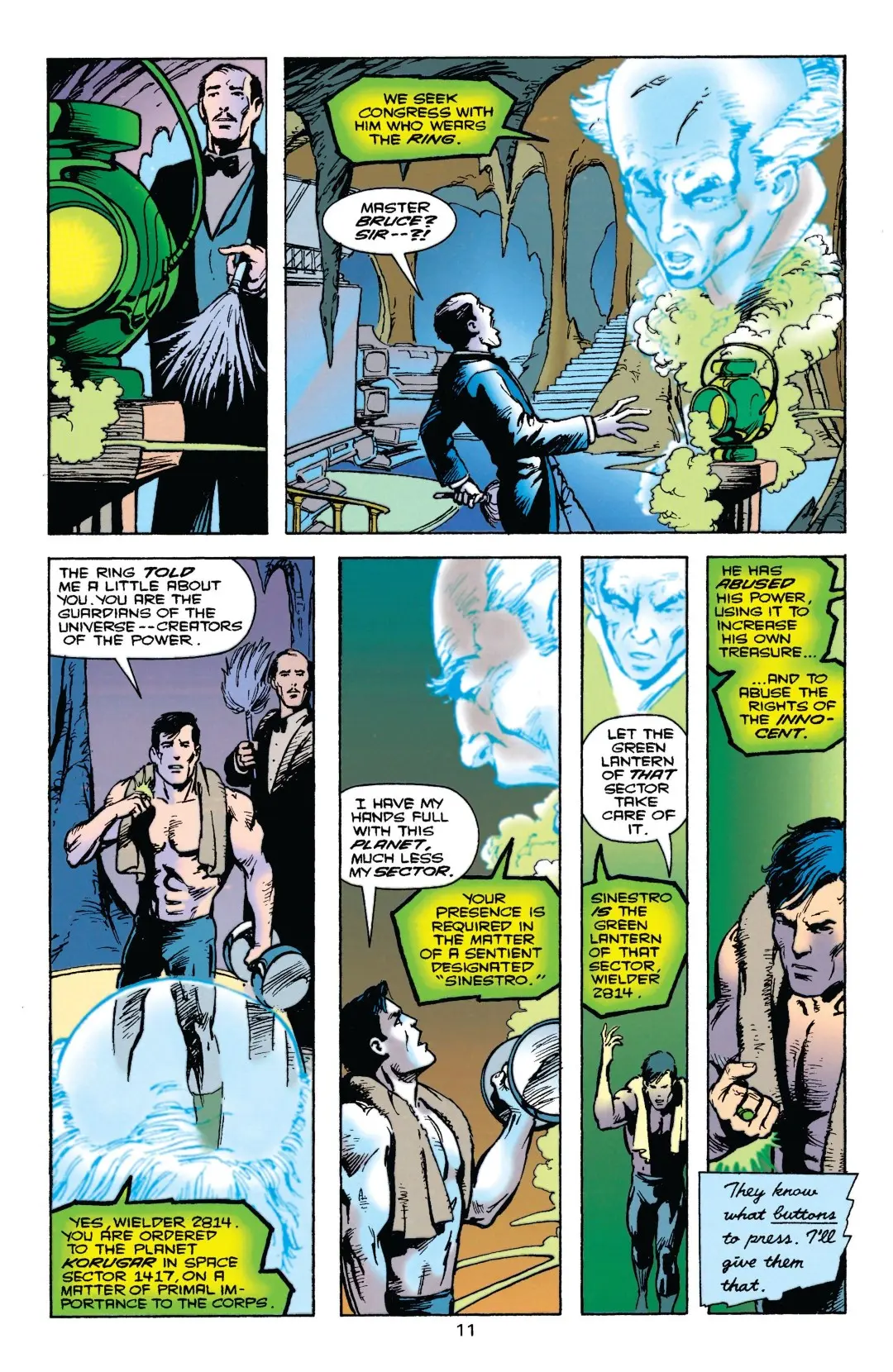
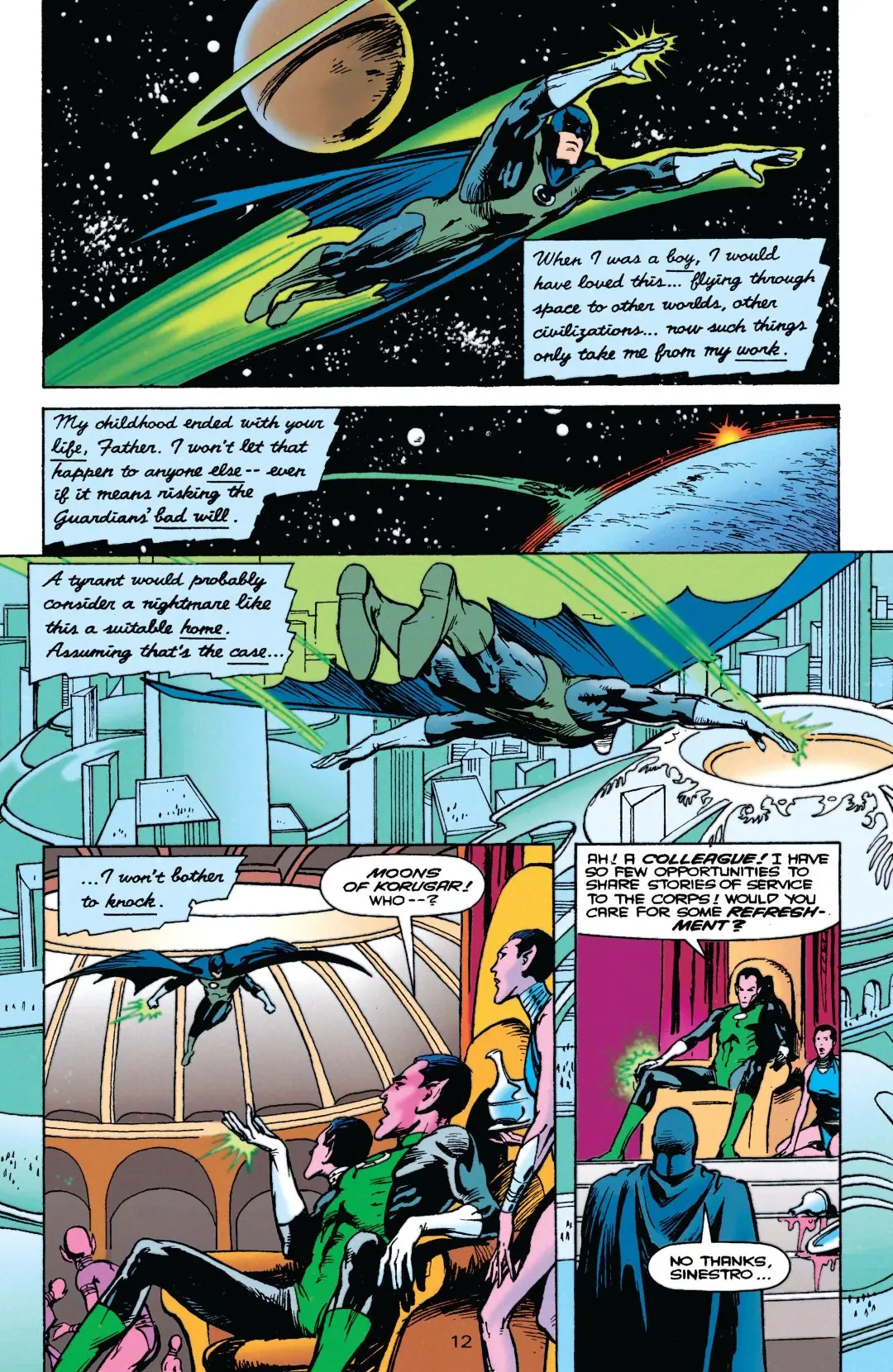
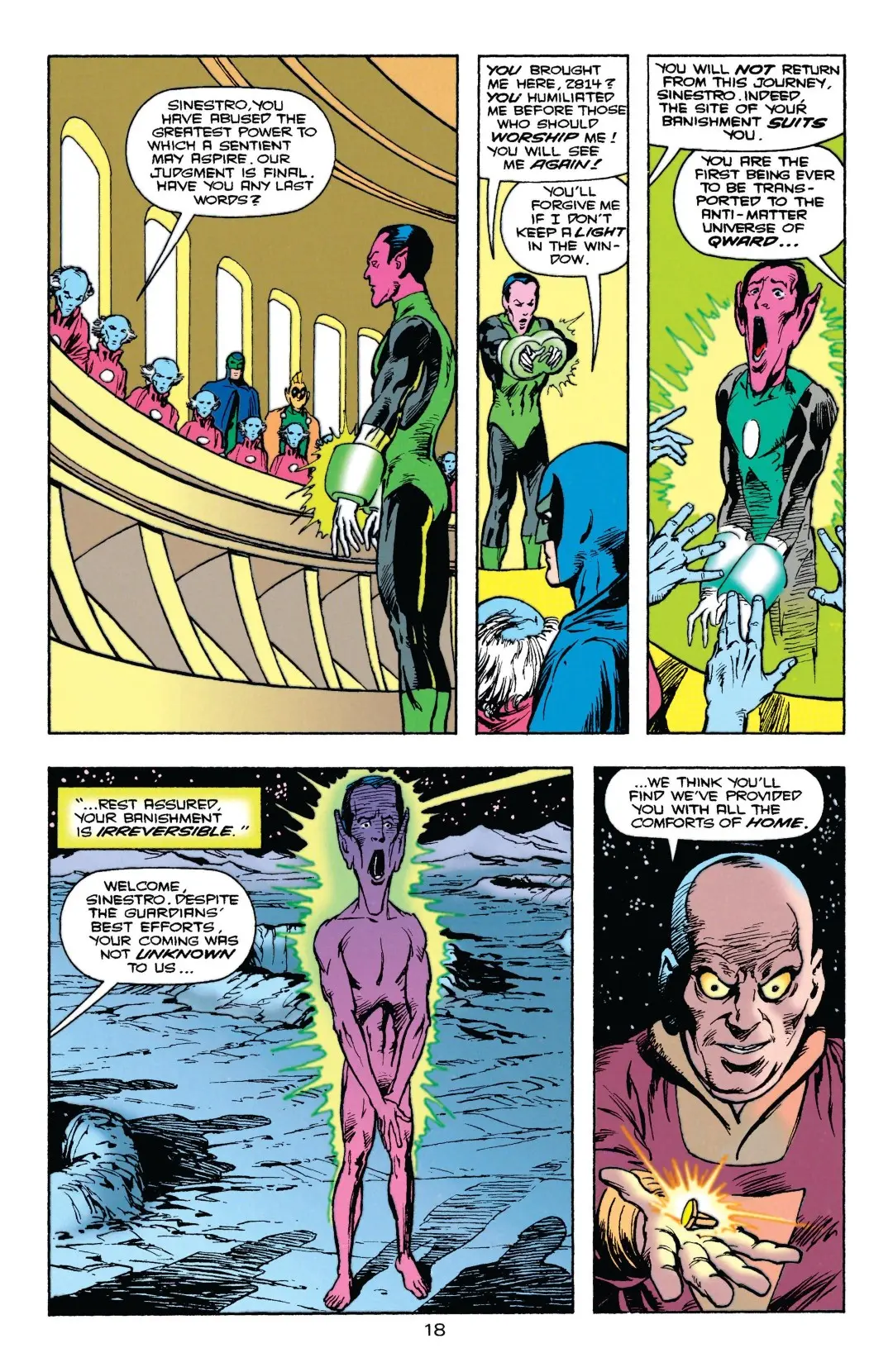
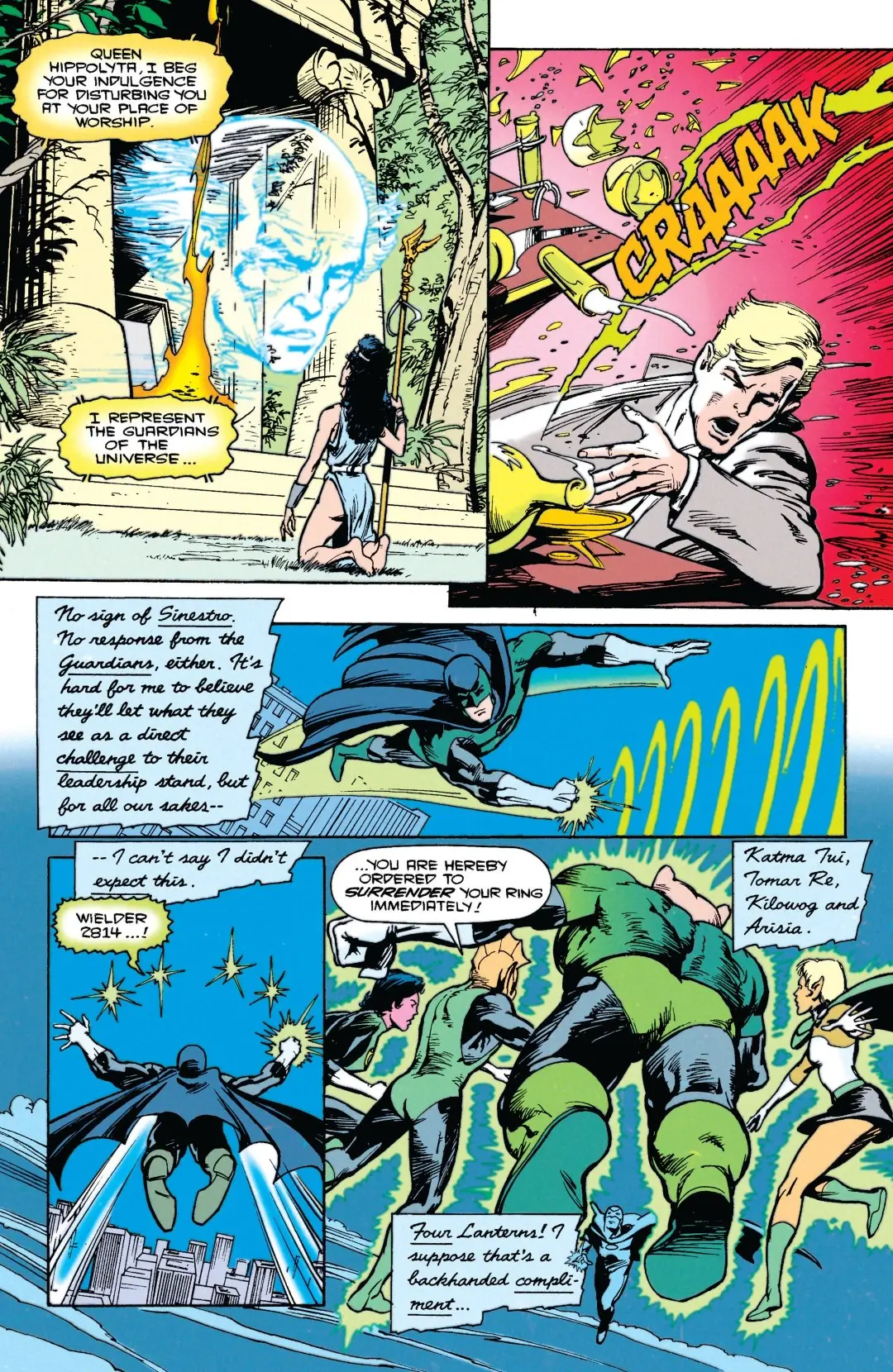
The dying alien Abin Sur, the Green Lantern of Sector 2814, crashes his spacecraft onto the grounds of Wayne Manor, his ring seeking out the one being in the sector with the will to overcome great fear.
The ring finds Bruce, not because he is the strongest or the most worthy but because he is the most stubborn, the most unwilling to let the darkness win.
In Batman: In Darkest Knight Issue 1 (1994) , the ring does not erase Bruce’s trauma or soften his edges; it amplifies them. He does not become a smiling space cop or a member of an intergalactic brotherhood.
He becomes a more terrifying version of the Batman, his constructs shaped not by imagination but by the iconography of fear that has haunted him since childhood.
The issue asks whether the same will that drives a man to dress as a bat can be channeled into a ring without losing the essence of who he is.
The visual storytelling in Batman: In Darkest Knight Issue 1 (1994) reaches remarkable heights in the sequence where Bruce first tests the ring’s power in the cave beneath Wayne Manor.
The artist uses a palette of emerald greens and deep blacks, the light of the ring casting the stalactites into sharp relief, the shadows twisting into shapes that seem to breathe.
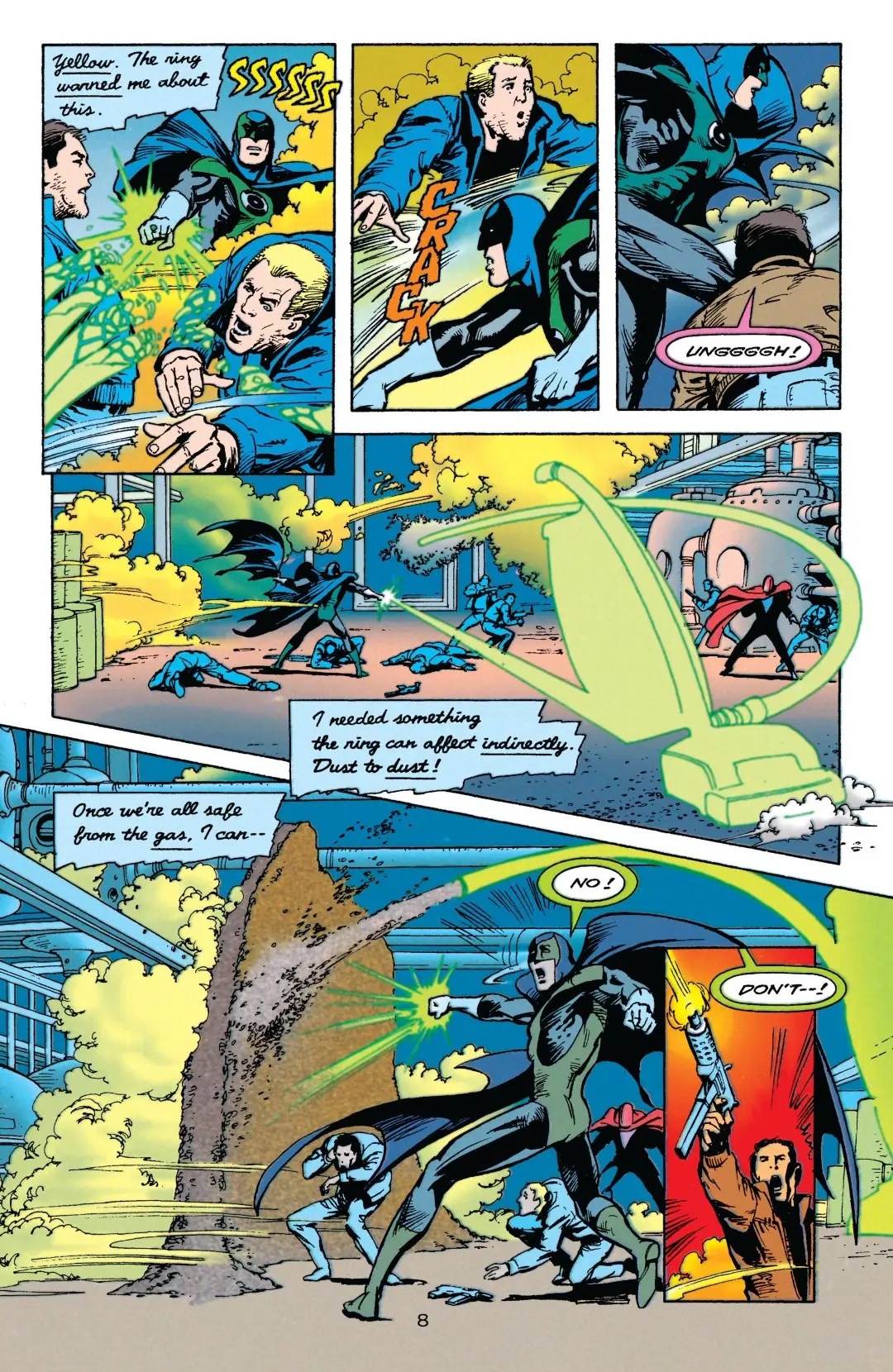
A sequence where Bruce creates a construct of a giant bat, its wings spreading across the cavern, its eyes glowing with the same green fire that now courses through his veins, is rendered with a gothic grandeur that feels earned, the bat not a symbol of hope but a weapon of terror, the very thing that the Joker would later claim as his own.
In Batman: In Darkest Knight Issue 1 (1994) , the art becomes a meditation on the fusion of two mythologies, and the beauty of watching a creature of the night wield the light of the stars.
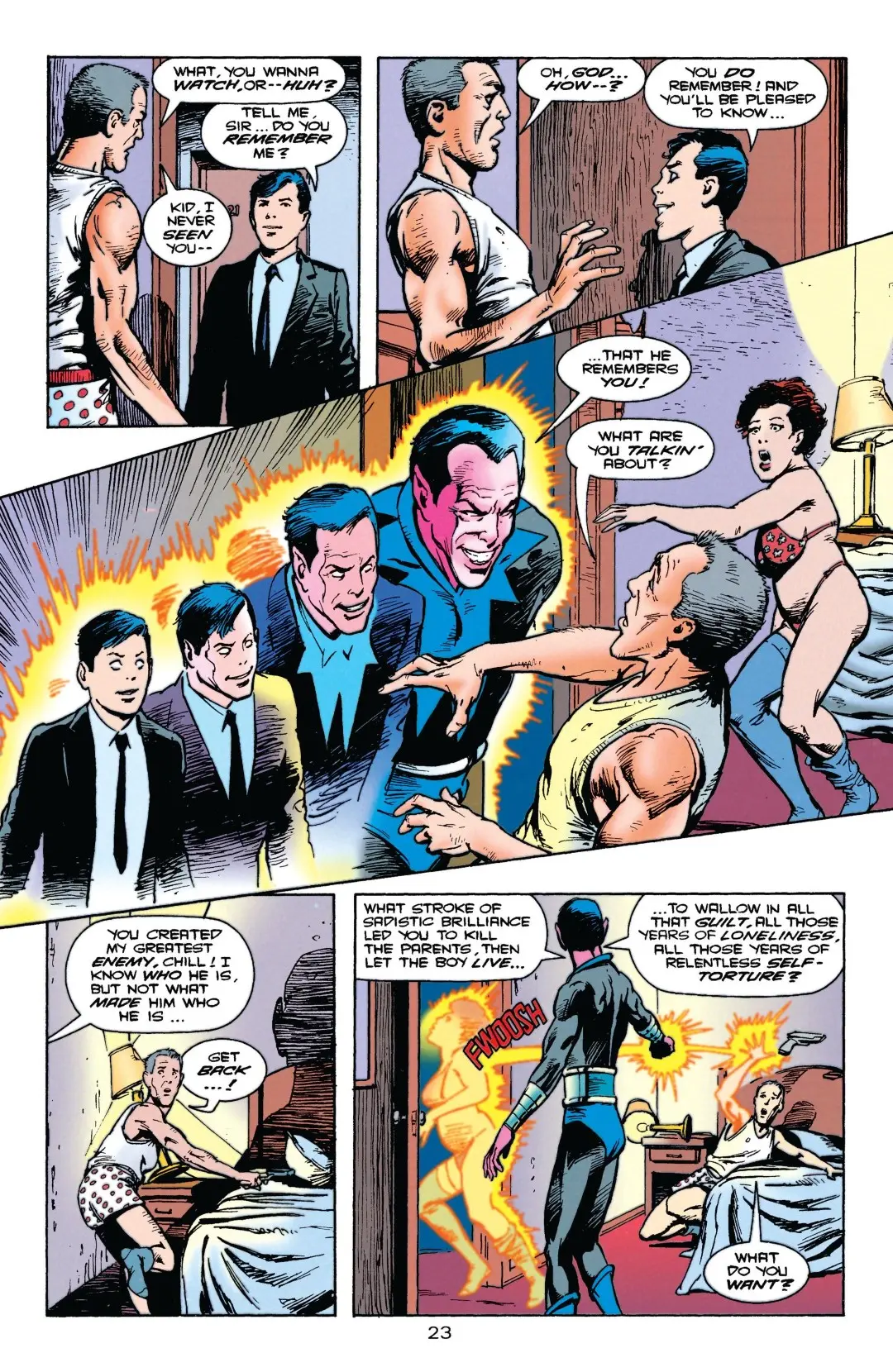
The threat that emerges in Batman: In Darkest Knight Issue 1 (1994) is not a new supervillain but the absence of the Joker.
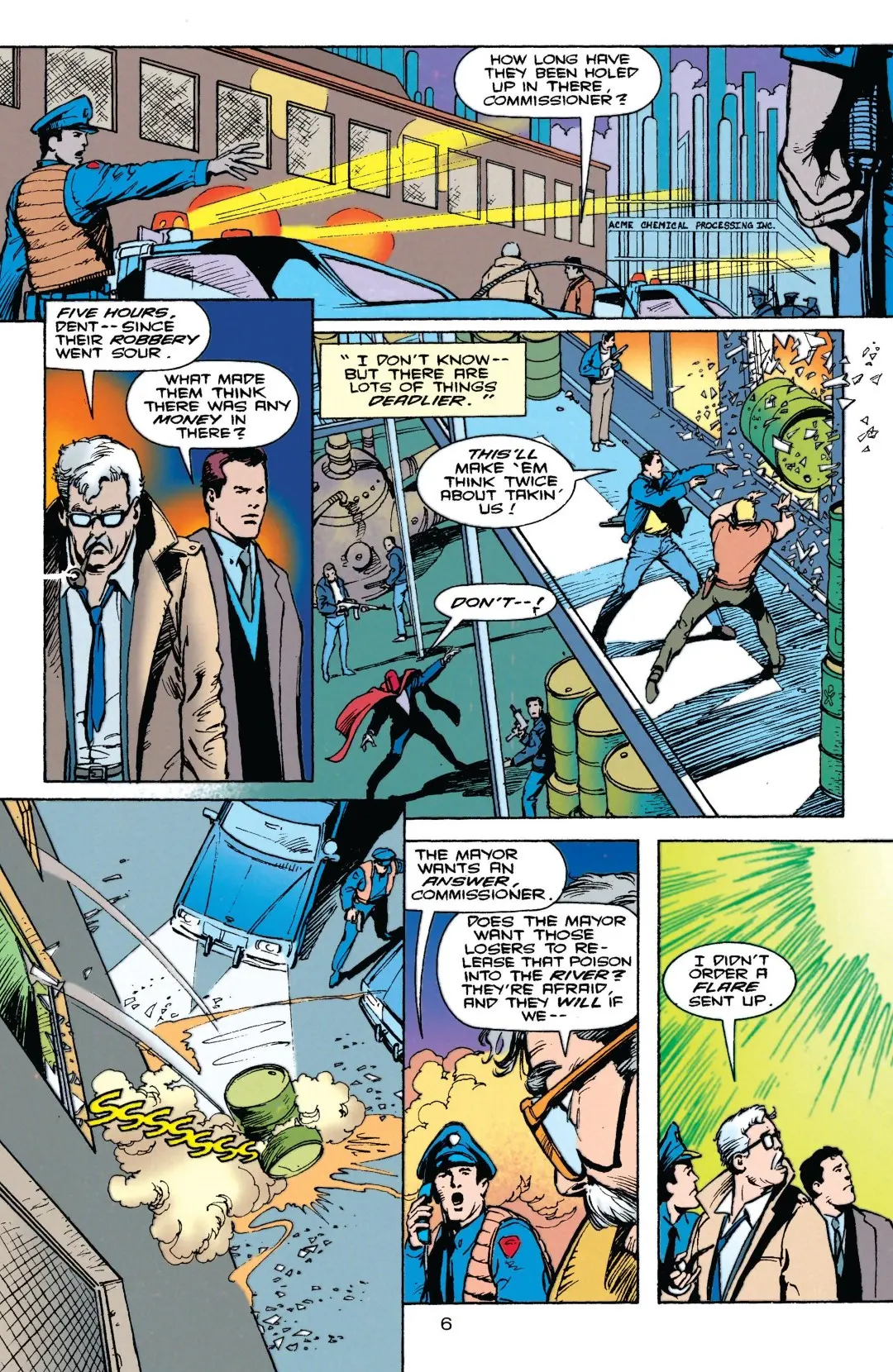
In this altered timeline, Bruce arrives at the Ace Chemical Processing Plant before the Red Hood can fall into the vat of chemicals that would transform him into the Clown Prince of Crime.
He stops the robbery, captures the man who would have been his greatest enemy, and watches as he is led away in handcuffs.
In Batman: In Darkest Knight Issue 1 (1994) , the victory is hollow, because without the Joker, Bruce is forced to confront the possibility that the chaos he has been fighting was never external but internal, that the monster he sought to destroy was always a reflection of his own fractured psyche.
The issue asks whether the absence of a nemesis is a gift or a curse, and whether the hero who has defined himself by opposition can survive when the opposition is removed.
The philosophical heart of Batman: In Darkest Knight Issue 1 (1994) grapples with questions about the nature of heroism when the hero is given the power of a god.
Bruce does not use the ring to leave Earth or to join the Green Lantern Corps. He uses it to patrol Gotham, to strike fear into the hearts of criminals, to build a legend that is both more and less than the Batman we know.
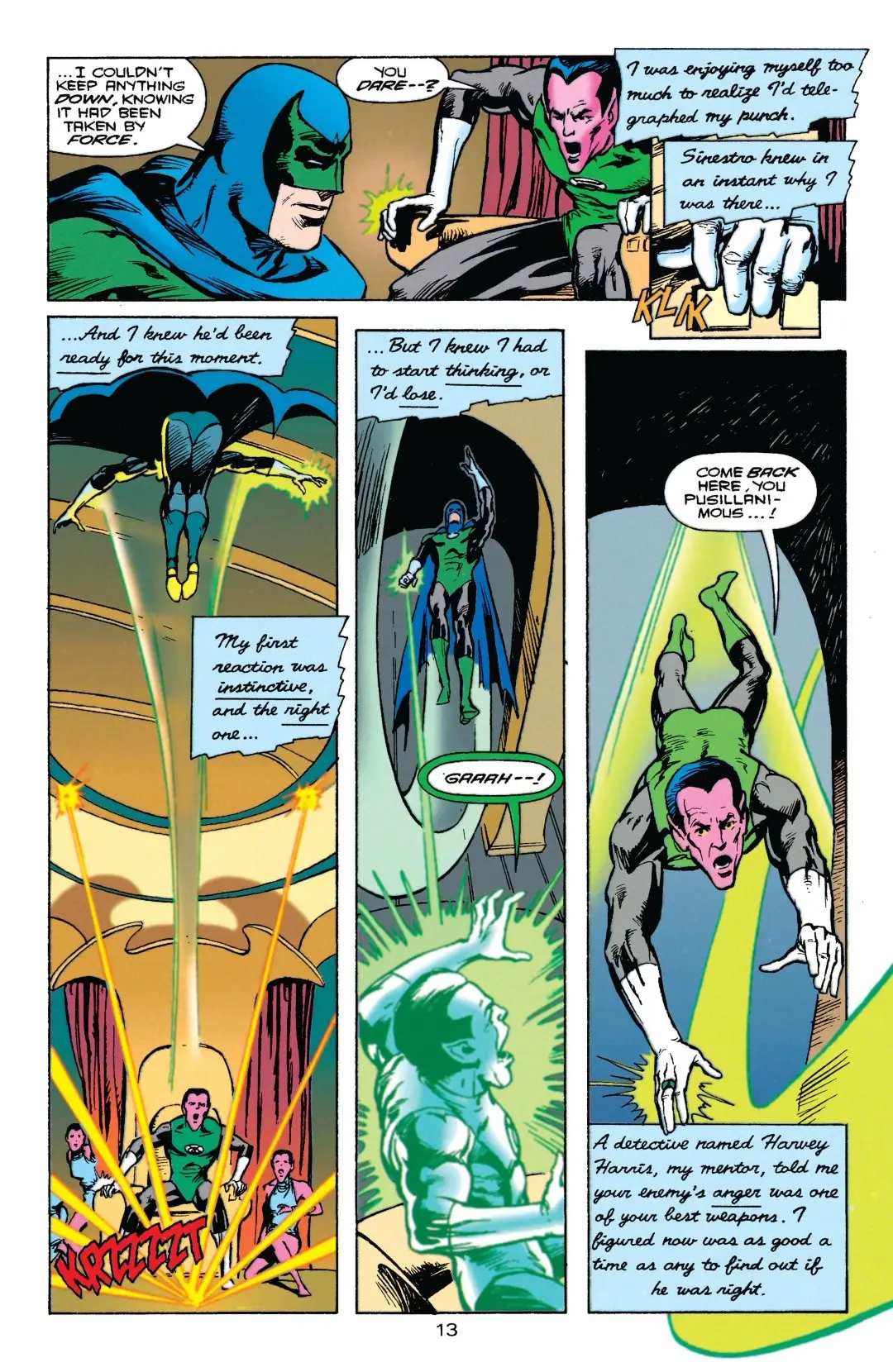
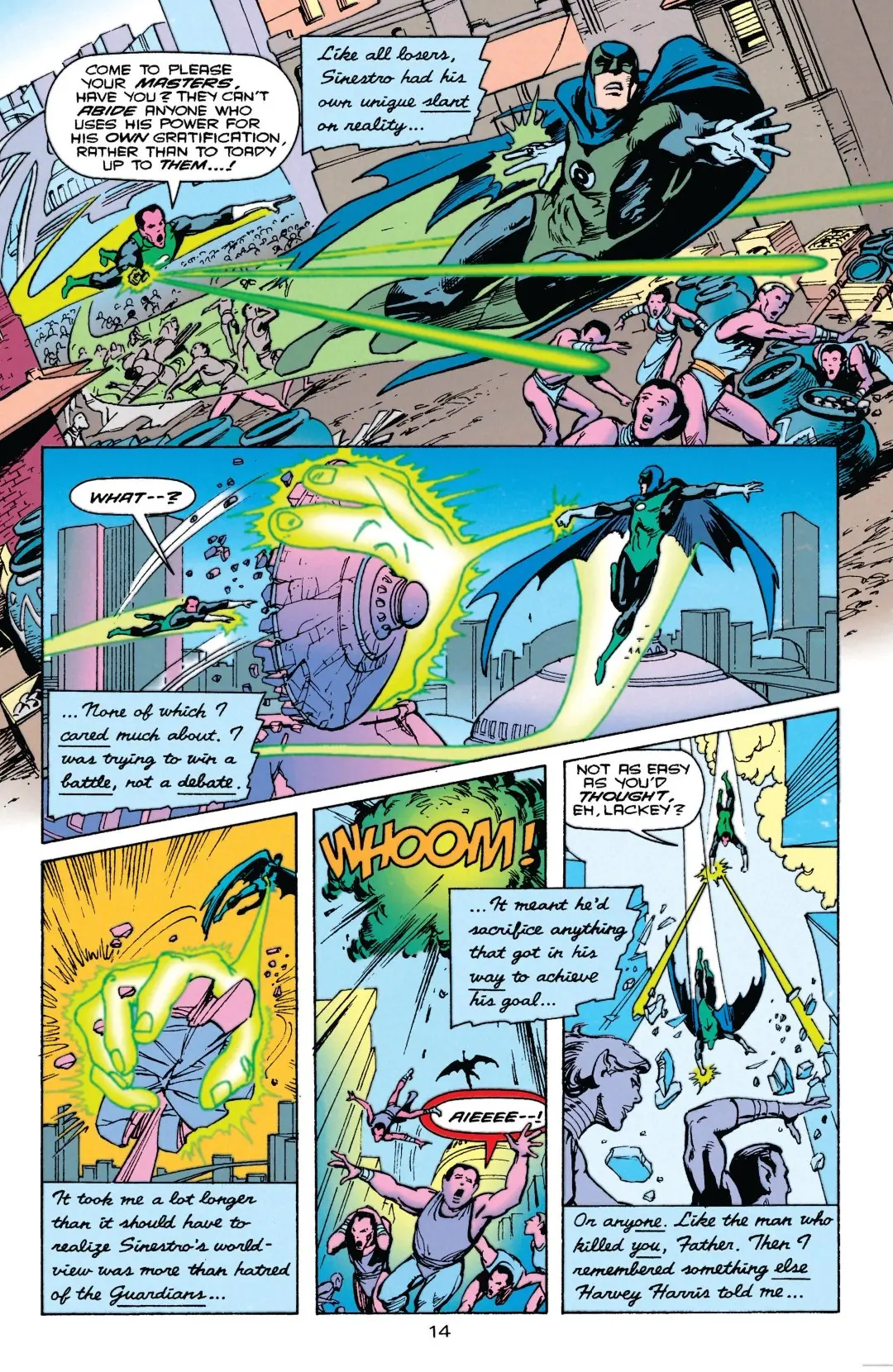
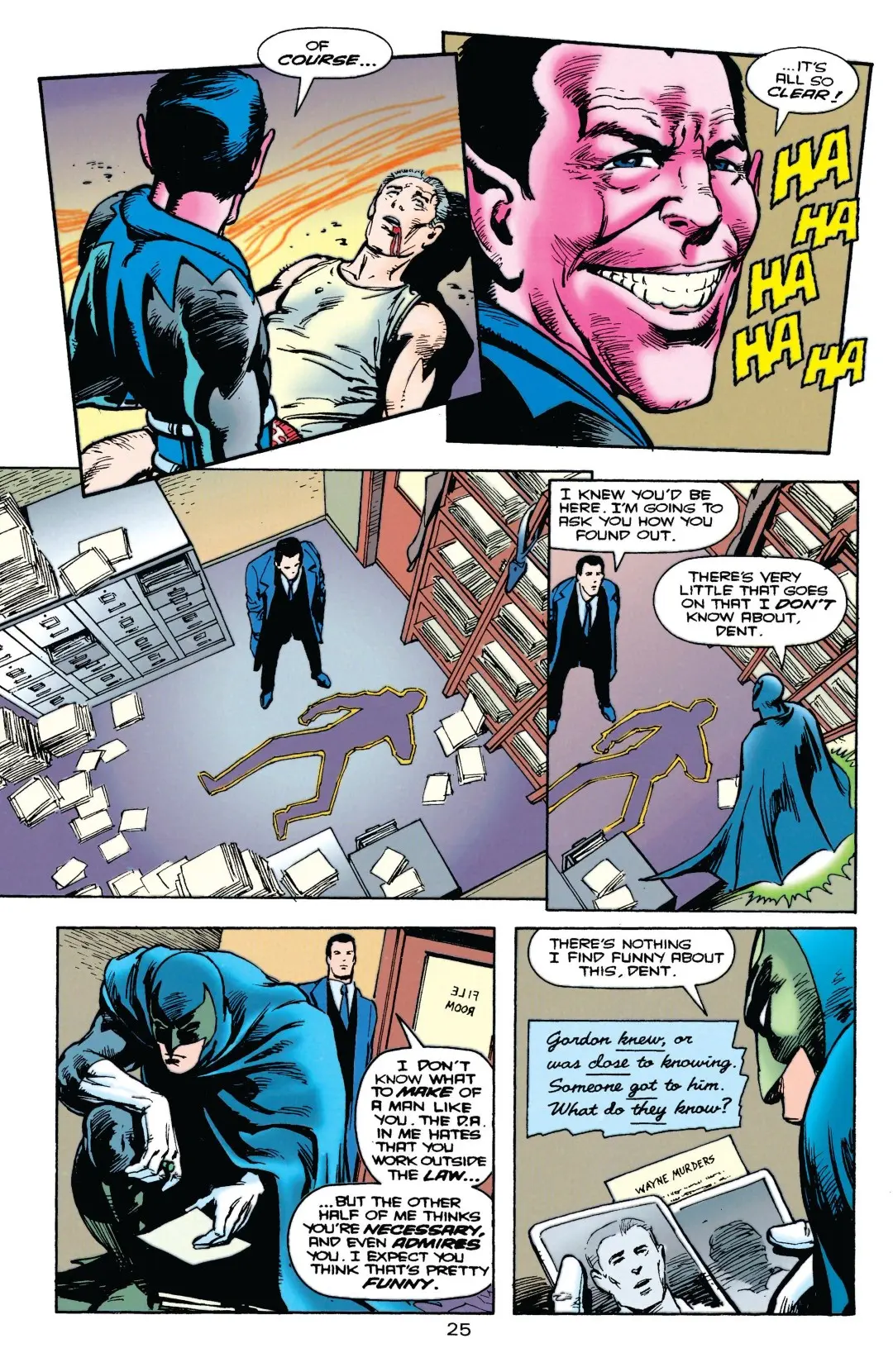
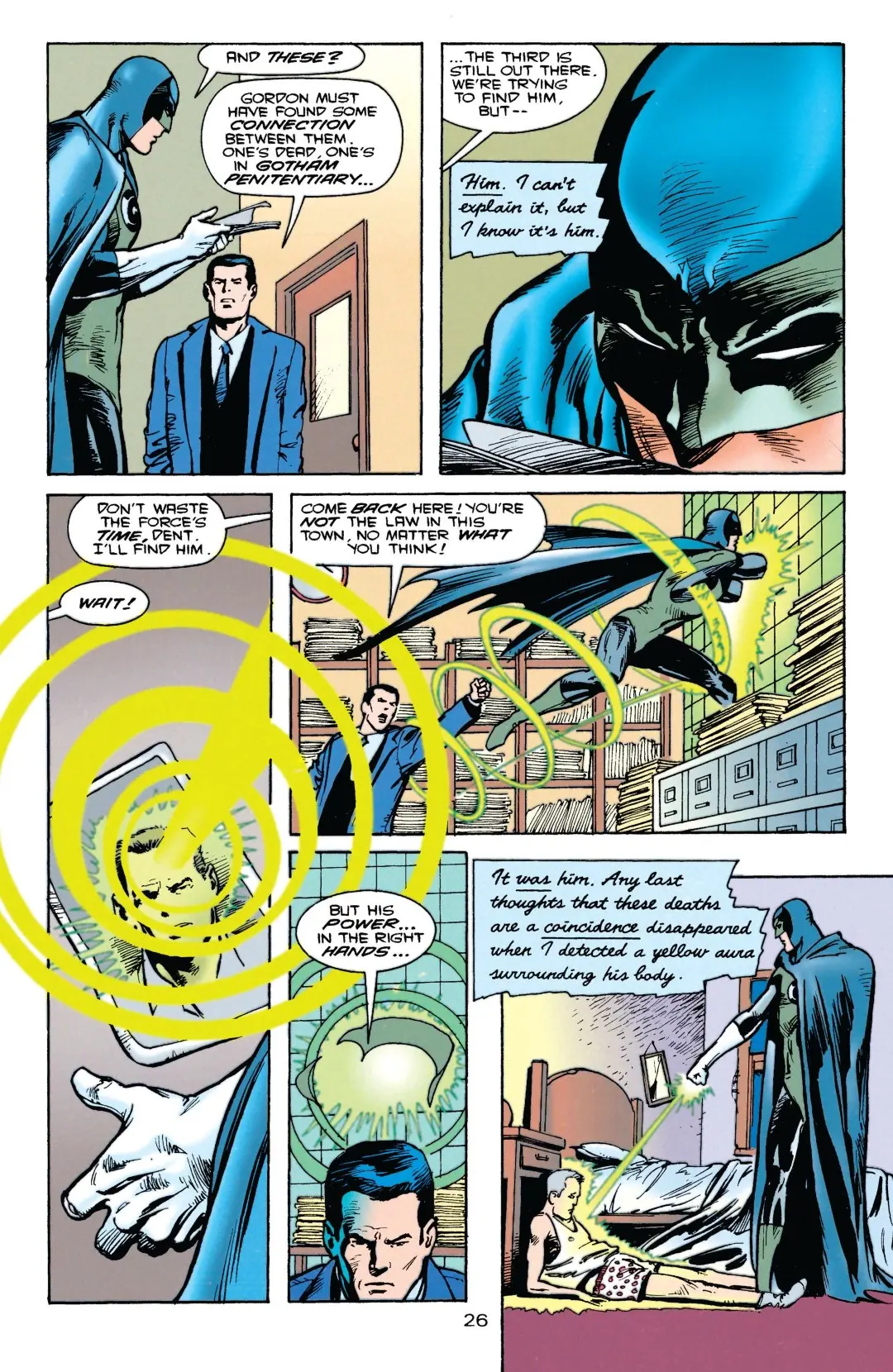
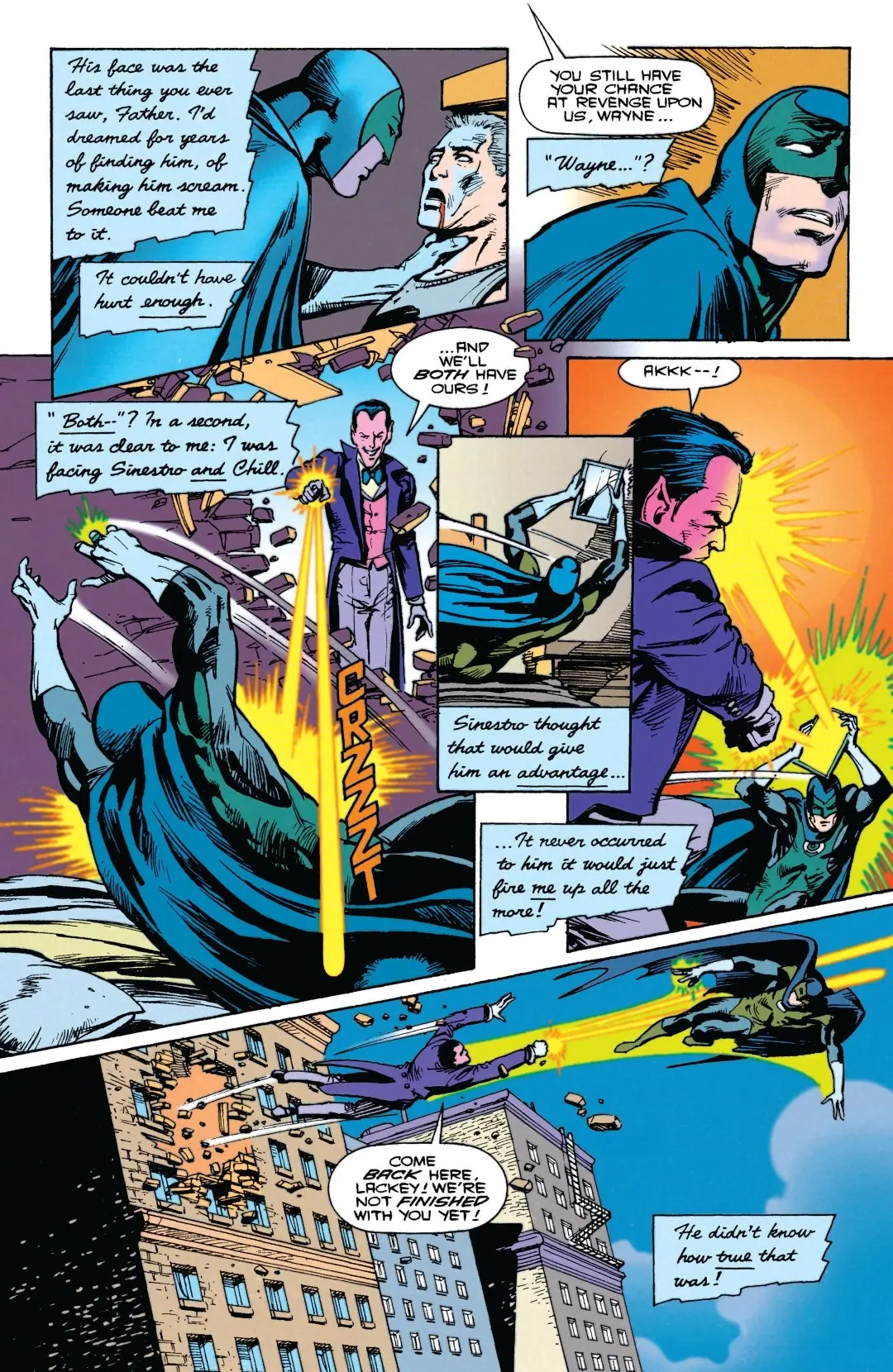
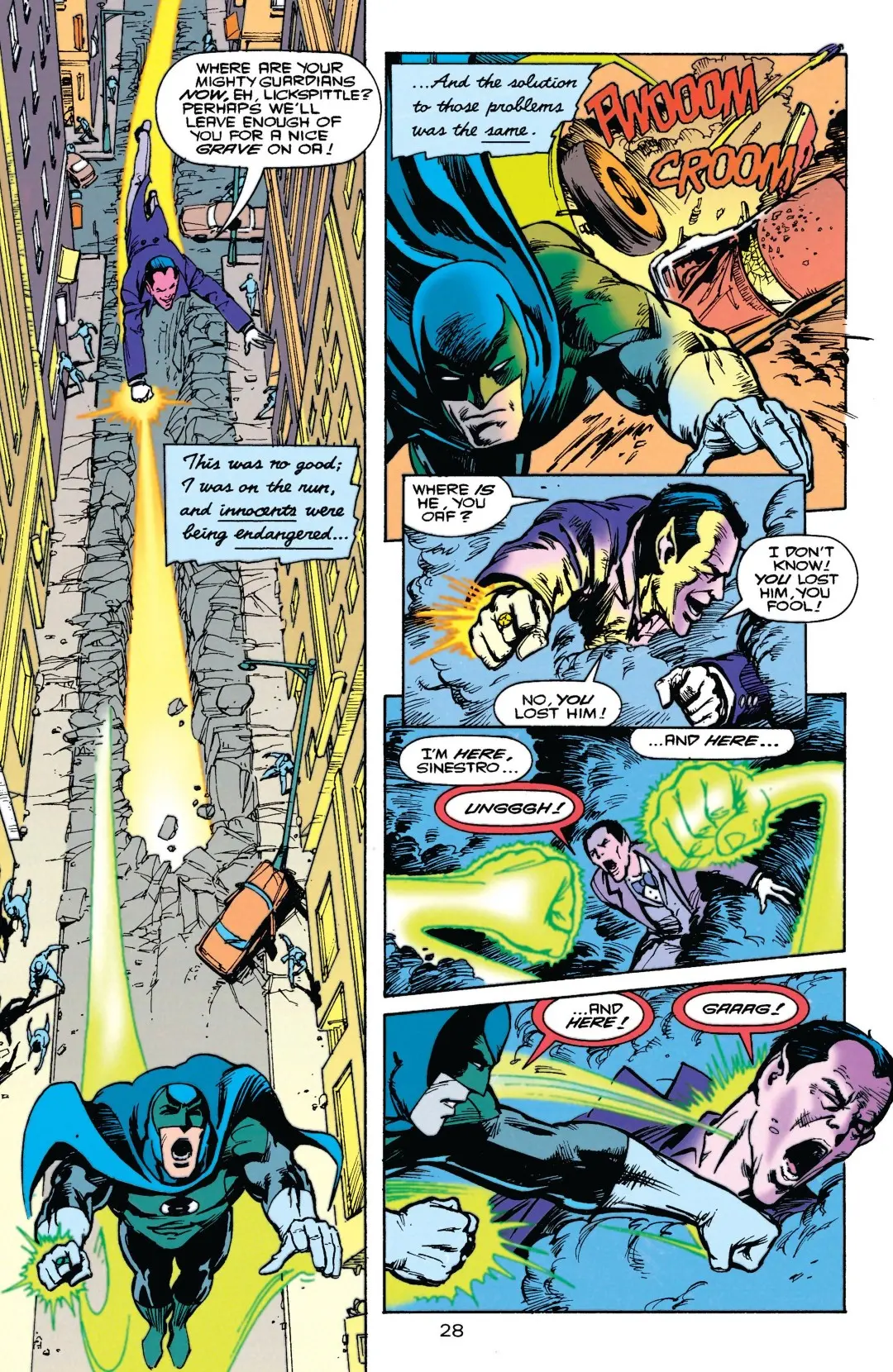
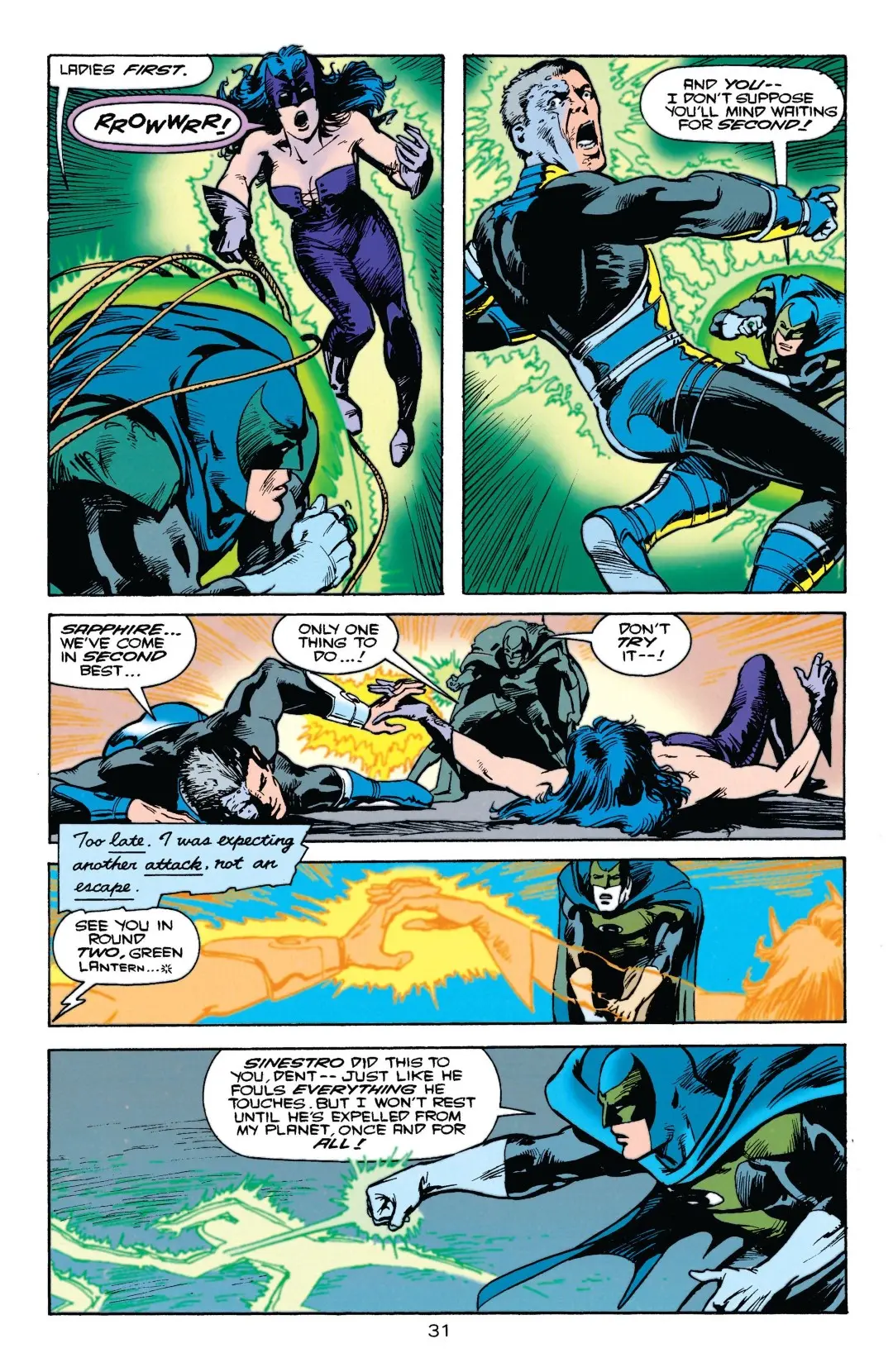
In Batman: In Darkest Knight Issue 1 (1994) , he creates constructs of giant hands that crush getaway cars, of glowing eyes that watch from every shadow, of a bat that swallows the light.
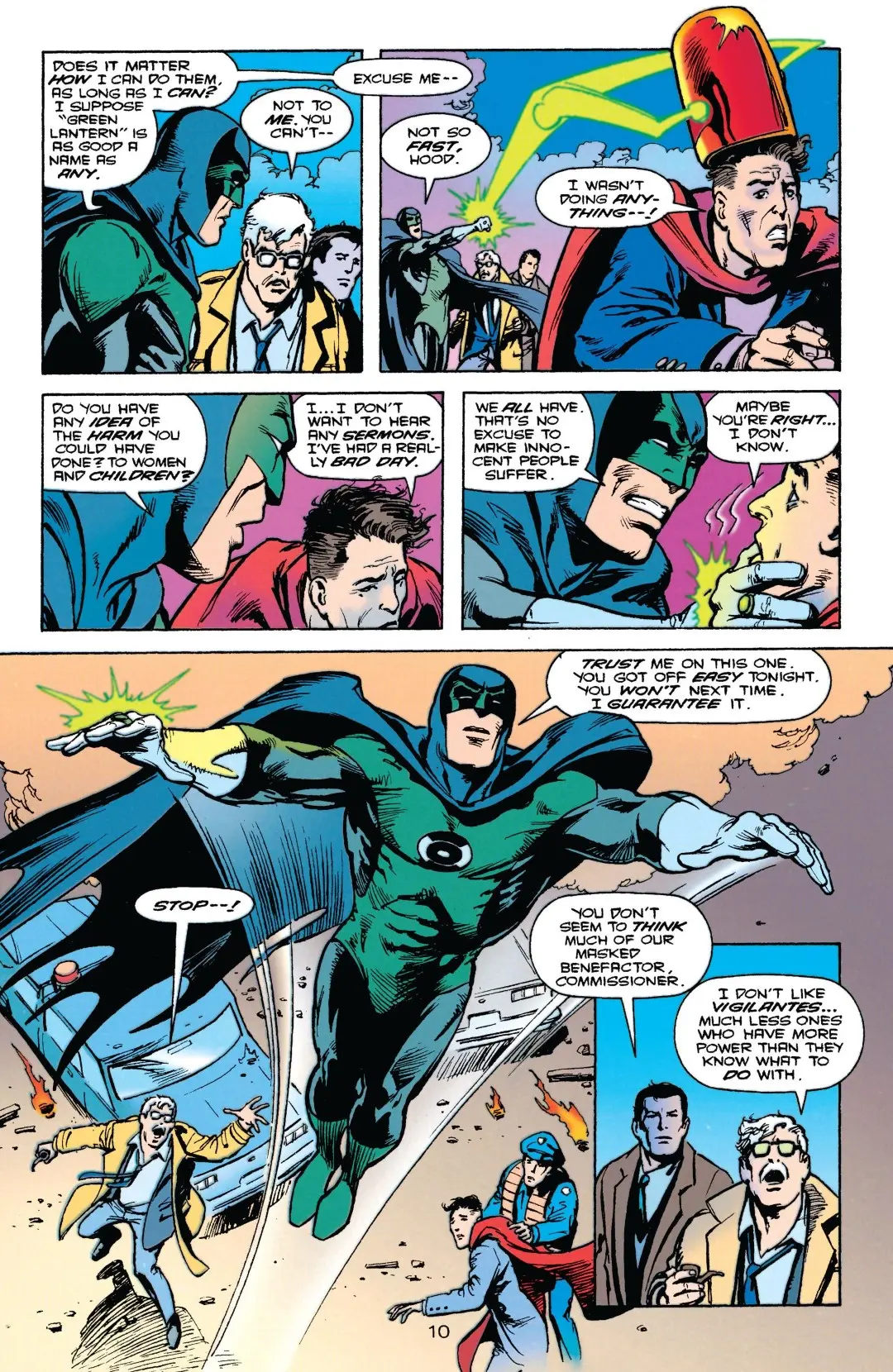
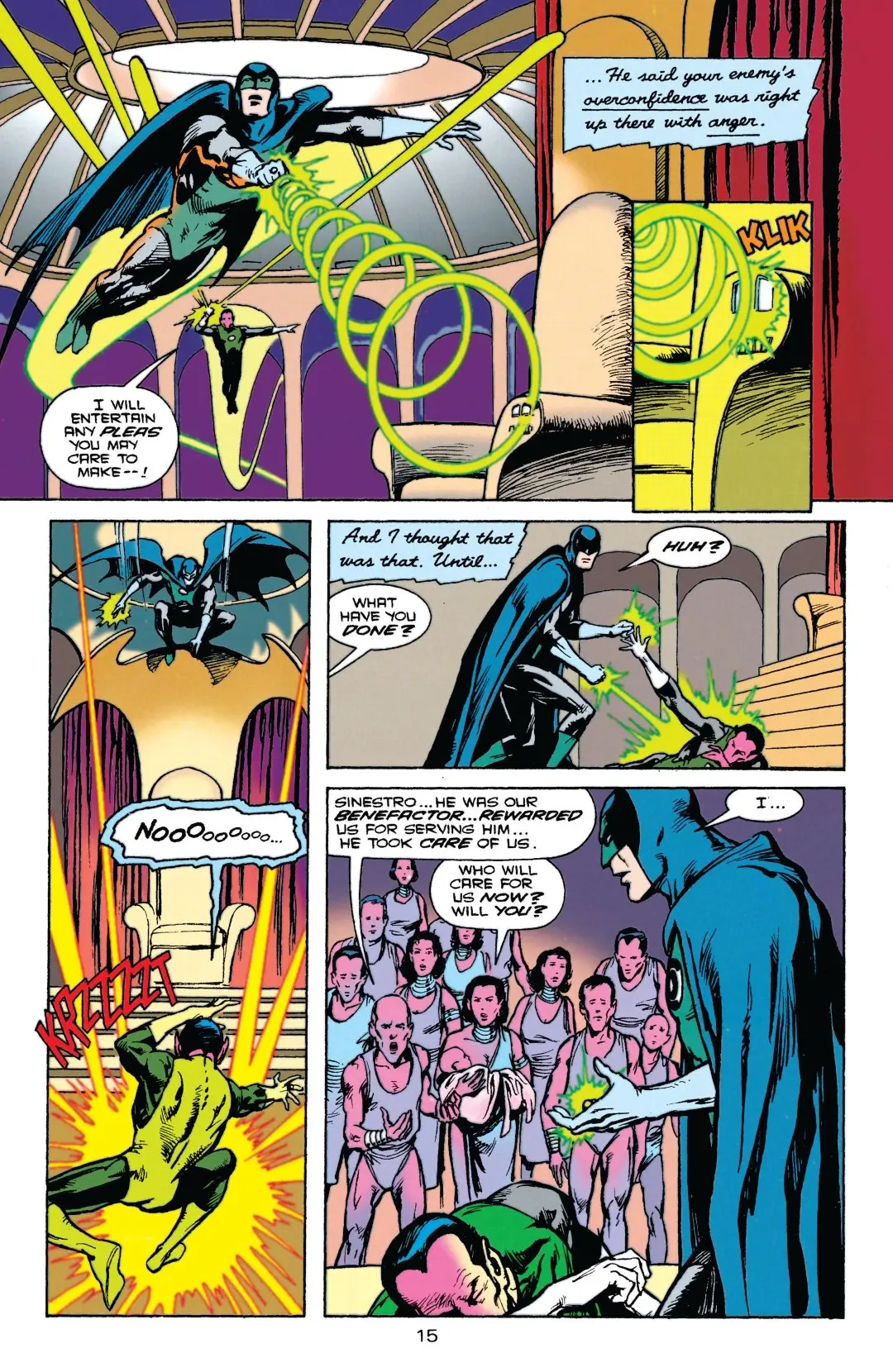
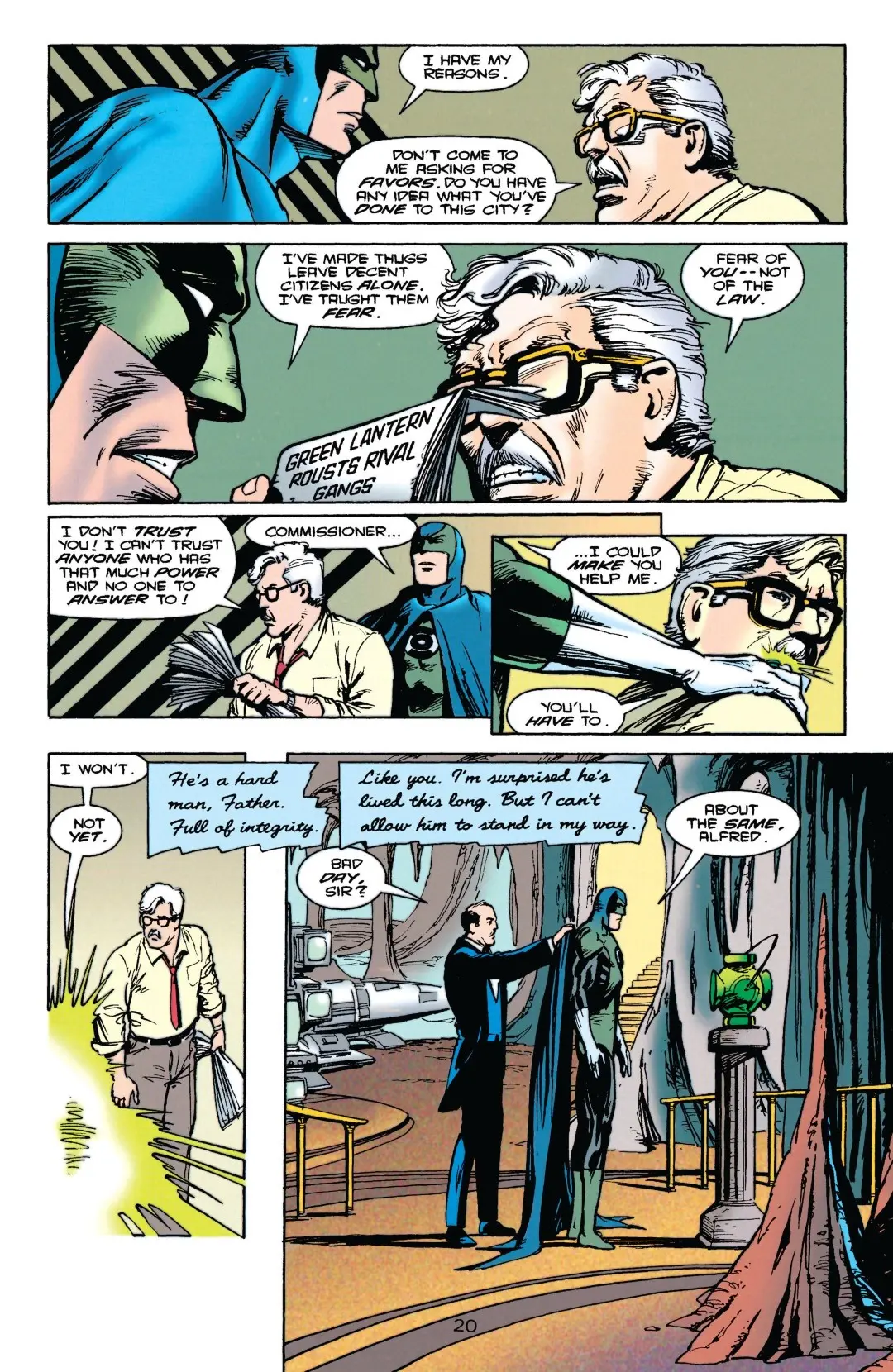
His methods are effective, but they are also terrifying, and the people of Gotham begin to whisper that the Green Lantern is not a hero but a monster.
The issue asks whether the line between protector and tyrant is measured by intent or by perception, and whether the man who wields absolute power can ever remain accountable to the people he serves.
The middle section of Batman: In Darkest Knight Issue 1 (1994) features an extended flashback to the moment when Abin Sur chose Bruce as his successor.
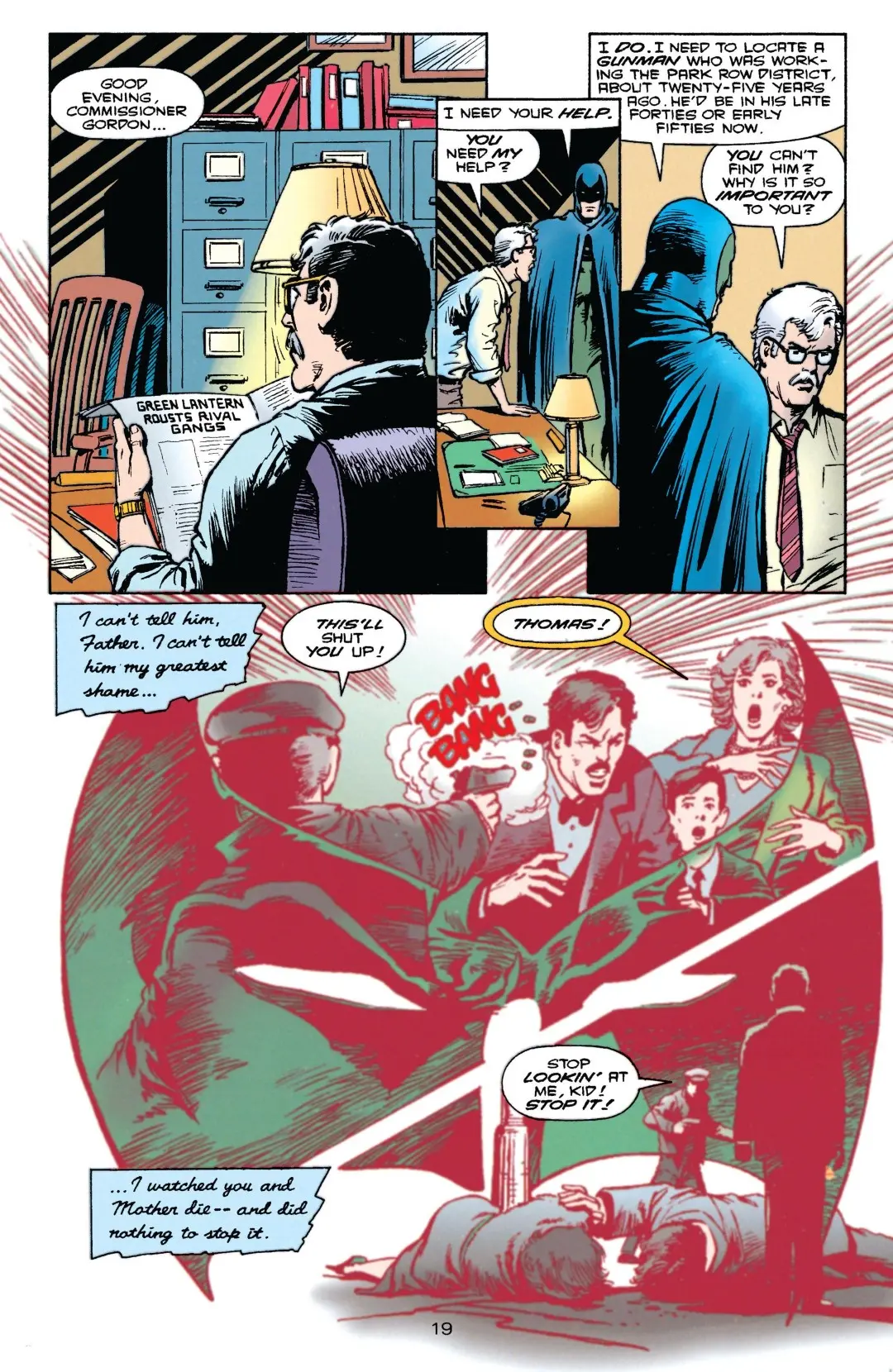
The alien’s dying words are not a warning about Sinestro or a plea to uphold the honor of the Corps; they are a question: “What are you afraid of?” Bruce’s answer is the same answer he has given every night since his parents died.
He is afraid of being powerless, of being unable to stop the next bullet, of watching another innocent fall while he stands frozen.
In Batman: In Darkest Knight Issue 1 (1994) , this confession is rendered with a raw vulnerability, the panels tightening around Bruce’s face, the green light of the ring flickering as his will is tested for the first time.
The issue asks whether the fear that drives a hero is also the fear that will consume him, and whether the admission of that fear is a strength or a weakness.
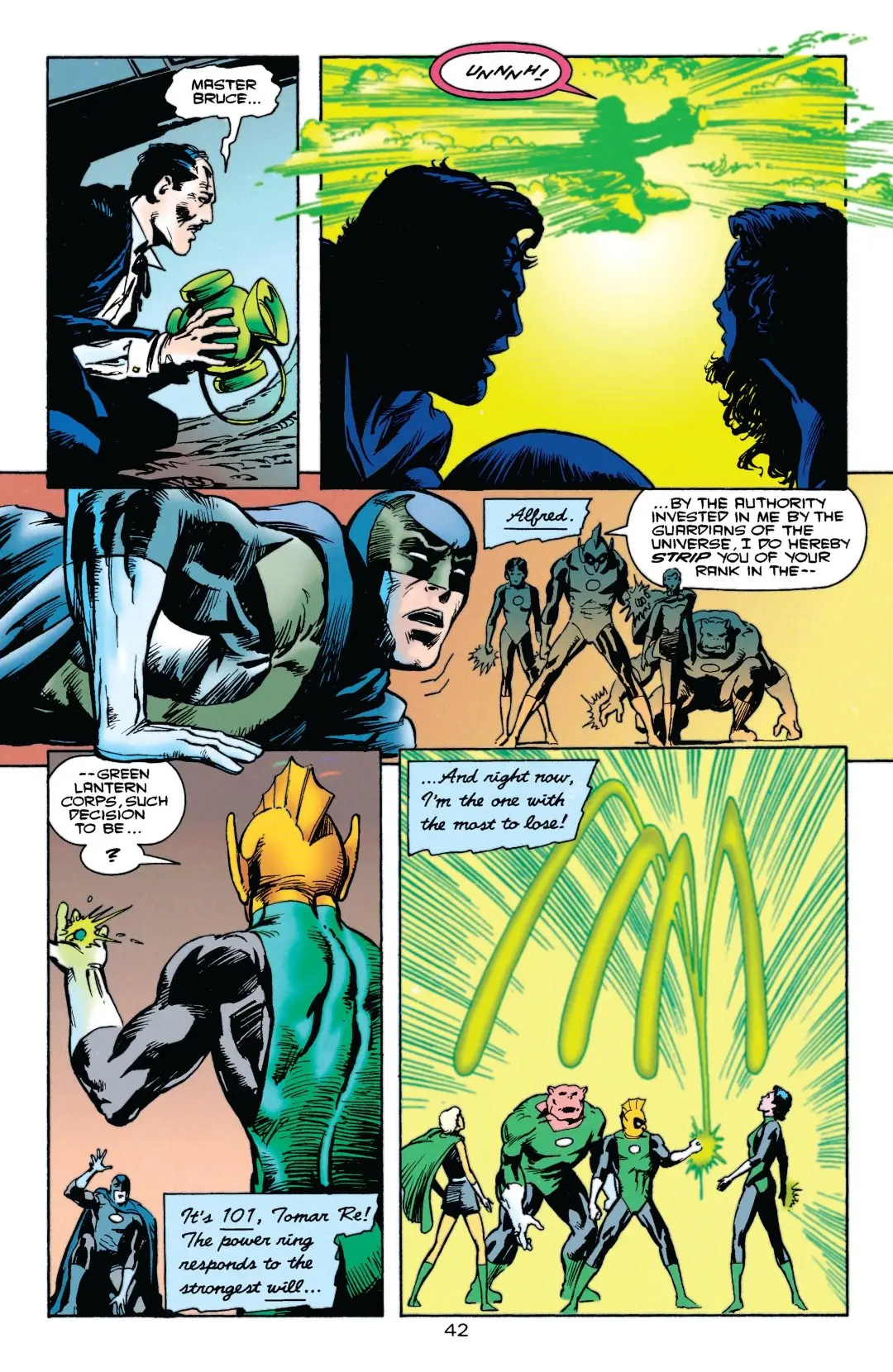
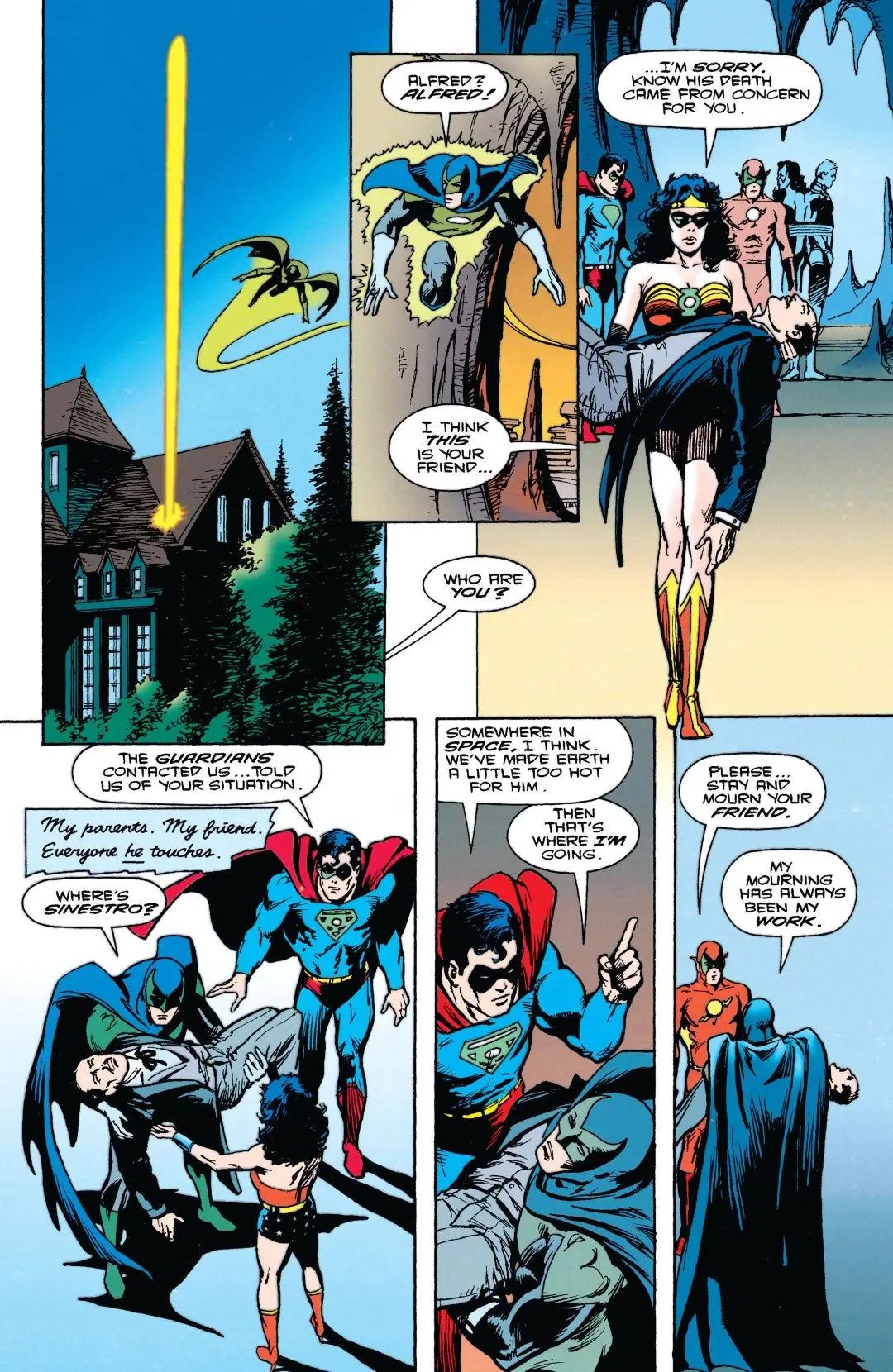
The supporting cast of Batman: In Darkest Knight Issue 1 (1994) includes Alfred Pennyworth, who appears in a brief but crucial scene, his hand on Bruce’s shoulder, his voice steady as he tells him that the ring does not make him a god, that the mask does not make him a symbol, that the only thing that matters is the choice he makes every night to descend into the darkness.
In Batman: In Darkest Knight Issue 1 (1994) , Alfred’s words are rendered with a quiet wisdom, the camera pulling back to show the two of them standing in the cave, the shadows retreating, the light of the ring casting a soft glow on their faces.
The issue asks whether the love of a surrogate father can anchor a man who has been given the power to fly among the stars, and whether the family we choose is stronger than the power we are given.
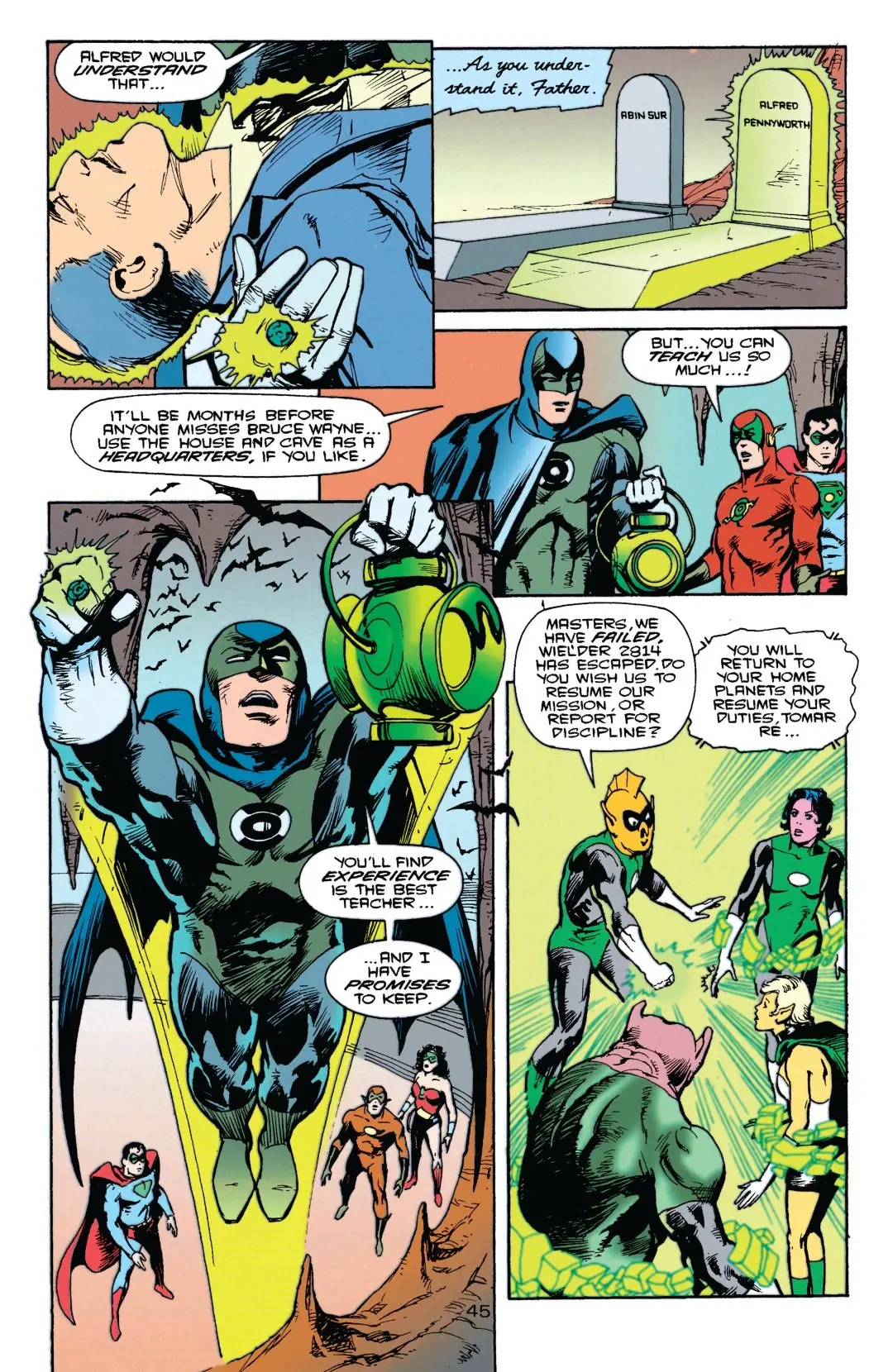
The final pages of Batman: In Darkest Knight Issue 1 (1994) offer not a resolution but a transformation.
Bruce does not join the Green Lantern Corps, does not leave Gotham, does not find a way to reconcile his mission with the cosmic scale of his new power.
Instead, Batman: In Darkest Knight Issue 1 (1994) shows him standing on a rooftop, the city spread beneath him, his ring glowing, his cape billowing in the wind.
The closing image captures him diving into the night, not toward a distant galaxy but toward the familiar shadows of Gotham, and we understand that the story of Batman: In Darkest Knight Issue 1 (1994) is not one that ends with a final battle but with the quiet, stubborn refusal to let the power change the mission.
Batman: In Darkest Knight Issue 1 (1994) ends with the promise that the Dark Knight will keep fighting, not because he believes he can win but because he has no other way to live.
In conclusion, Batman: In Darkest Knight Issue 1 (1994) stands as a powerful meditation on the nature of power, the persistence of trauma, and the courage to remain human when you have been given the gifts of a god.
It asks whether the absence of a nemesis is a gift or a curse, whether the line between protector and tyrant is measured by intent or by perception, and what remains of a hero when the power he wields threatens to consume the man he used to be.
For readers who have followed the Dark Knight through his many Elseworlds adventures, Batman: In Darkest Knight Issue 1 (1994) offers a deepening that rewards long-term investment.
For those discovering this story for the first time, Batman: In Darkest Knight Issue 1 (1994) provides entry into one of DC Comics most ambitious explorations of will, fear, and the courage to keep fighting when the light is blinding.
Read Free Comics Online recommends Batman: In Darkest Knight Issue 1 (1994) to anyone who understands that the best stories about heroes are ultimately about the moments when they are most uncertain, and most in need of the grace they offer to others.
Batman In Darkest Knight Issue 1 (1994) Read Free Online

















Read Free Comics Online of all comics character on this website with very high-quality images on google free.
Leave a Reply