There is a before and after in comic book history, and it runs straight through 1992. Before Image Comics, creators worked for publishers that owned everything they made. After Image Comics, an entire industry had to reckon with the idea that the people doing the actual creating maybe deserved to own what they created. That shift changed comics permanently, and it produced some of the greatest graphic novels ever put to paper in the process.
Image Comics is the largest independent comic publisher in the United States and the third largest overall, sitting behind only Marvel and DC. But raw size does not tell the real story. What makes Image remarkable is that it has published Spawn, Invincible, Saga, The Walking Dead, Monstress, and dozens of other series that became cultural phenomena — all without owning a single one of them. The creators kept everything. Image just helped get the books into readers’ hands.
If you are new to Image Comics and trying to figure out where to start, or if you are a long-time reader looking for a complete resource, you are in the right place. This guide covers the full story of Image Comics — where it came from, what makes it different, which series are essential reading, and how to navigate its enormous catalog. Every series discussed here is available to read free in full HD on Read Free Comics Online.
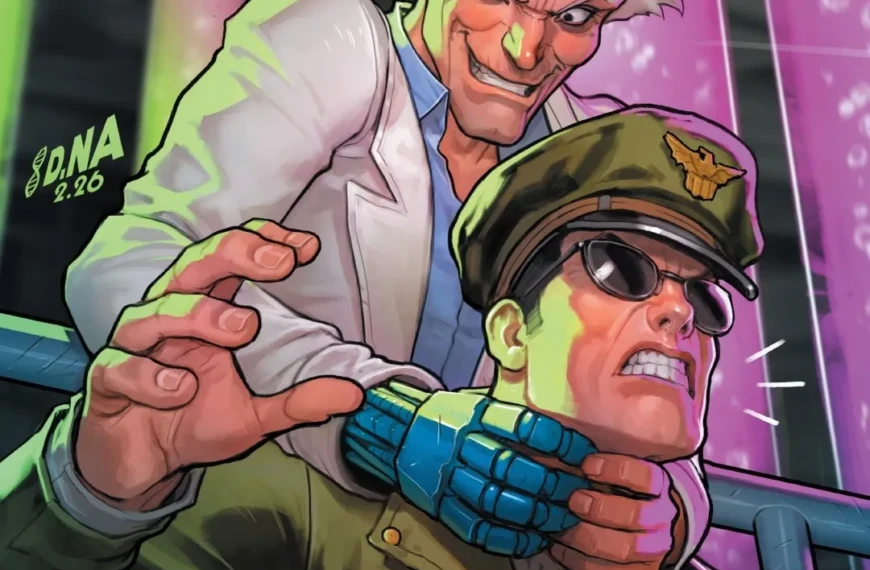
Transformers Issue 34 (2026)
Publisher: Image Comics Read Transformers Issue 34 (2026) free online in stunning HD quality on Read Free Comics Online no…

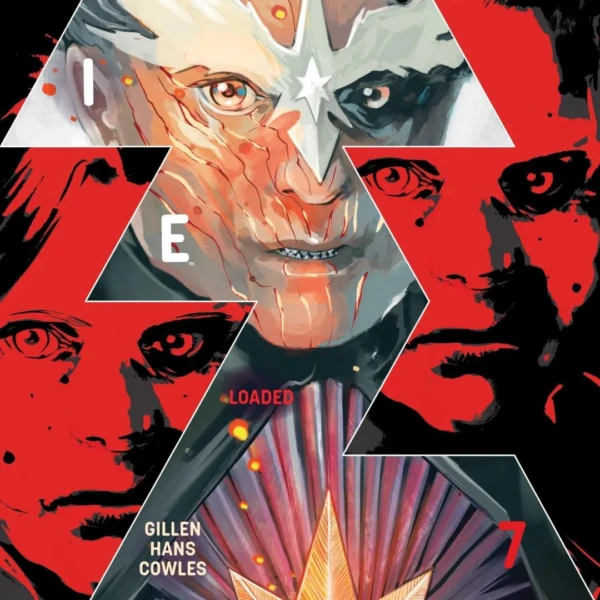

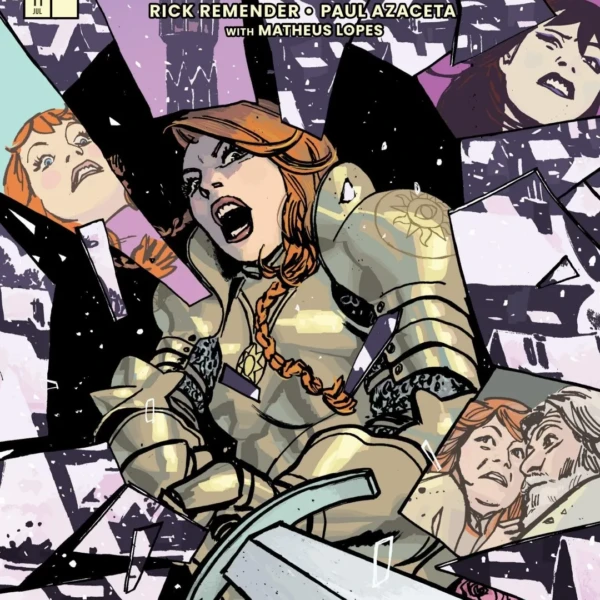

StarHenge Book 2 A Kiss for Atticus Issue 1 (2026)
Publisher: Image Comics Read Free Comics Online of StarHenge Book 2 A Kiss for Atticus Issue 1 (2026) Read Free Online with very high-quality images on google without any cost, Read Free…
Spawn Issue 377 (2026)
Publisher: Image Comics Read Free Comics Online of Spawn Issue 377 (2026) Read Free Online with very high-quality images on google without any cost, Read Free Image comics online at Read Free…
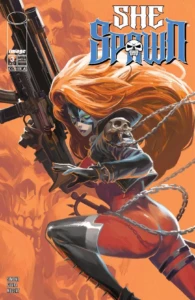
She-Spawn Issue 3 (2026)
Publisher: Image Comics Read Free Comics Online of She-Spawn Issue 3 (2026) Read Free Online with very high-quality images on google without any cost, Read Free Image comics online at Read Free…
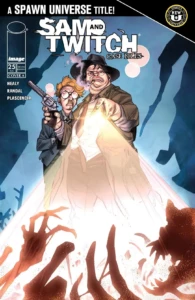
Sam and Twitch Case Files Issue 25 (2026)
Publisher: Image Comics Read Free Comics Online of Sam and Twitch Case Files Issue 25 (2026) Read Free Online with very high-quality images on google without any cost, Read Free Image comics…

Royals Issue 4 (2026)
Publisher: Image Comics Read Free Comics Online of Royals Issue 4 (2026) Read Free Online with very high-quality images on google without any cost, Read Free Image comics online at Read Free…

Nights Issue 19 (2026)
Publisher: Image Comics Read Free Comics Online of Nights Issue 19 (2026) Read Free Online with very high-quality images on google without any cost, Read Free Image comics online at Read Free…
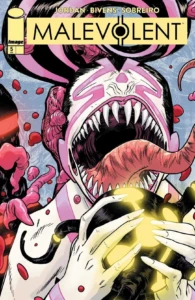
Malevolent Issue 5 (2026)
Publisher: Image Comics Read Free Comics Online of Malevolent Issue 5 (2026) Read Free Online with very high-quality images on google without any cost, Read Free Image comics online at Read Free…
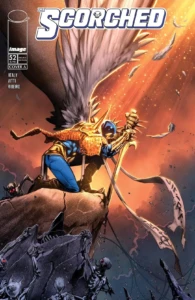
The Scorched Issue 52 (2026)
Publisher: Image Comics Read Free Comics Online of The Scorched Issue 52 (2026) Read Free Online with very high-quality images on google without any cost, Read Free Image comics online at Read…
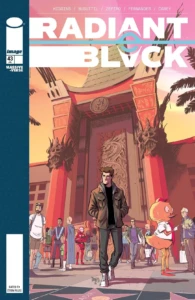
Radiant Black Issue 43 (2026)
Publisher: Image Comics Read Free Comics Online of Radiant Black Issue 43 (2026) Read Free Online with very high-quality images on google without any cost, Read Free Image comics online at Read…

M.O.M. Mother of Madness Issue 3 (2021)
Publisher: Image Comics Read Free Comics Online of M.O.M. Mother of Madness Issue 3 (2021) Read Free Online with very high-quality images on google without any cost, Read Free Image comics online…

M.O.M. Mother of Madness Issue 2 The Iron Noose (2021)
Publisher: Image Comics Read Free Comics Online of M.O.M. Mother of Madness Issue 2 The Iron Noose (2021) Read Free Online with very high-quality images on google without any cost, Read Free…

M.O.M. Mother of Madness Issue 1 (2021)
Publisher: Image Comics Read Free Comics Online of M.O.M. Mother of Madness Issue 1 (2021) Read Free Online with very high-quality images on google without any cost, Read Free Image comics online…

Lady Mechanika The Mechanical Menagerie Issue 2 (2026)
Publisher: Image Comics Read Free Comics Online of Lady Mechanika The Mechanical Menagerie Issue 2 (2026) Read Free Online with very high-quality images on google without any cost, Read Free Image comics…
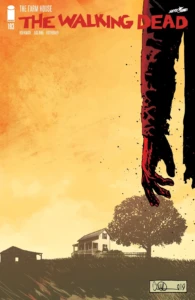
The Walking Dead Issue 193 (2019)
Publisher: Image Comics Read Free Comics Online of The Walking Dead Issue 193 (2019) Read Free Online with very high-quality images on google without any cost, Read Free Image comics online at…
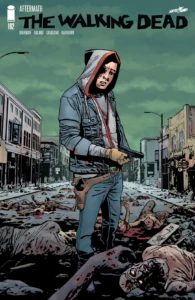
The Walking Dead Issue 192 (2019)
Publisher: Image Comics Read Free Comics Online of The Walking Dead Issue 192 (2019) Read Free Online with very high-quality images on google without any cost, Read Free Image comics online at…
What Is Image Comics?
Image Comics is an American comic book publisher founded in 1992 and headquartered in Portland, Oregon. It operates on a single principle that, at the time of its founding, was genuinely radical: creators own their work. Every series published under the Image banner is the intellectual property of the people who created it. Image provides the publishing platform, the distribution, and the branding. The writers and artists keep their characters, their stories, and their rights.
This sounds simple now. In 1992, it was a declaration of war against the way the comic book industry had operated for half a century.
The practical result of this model is a catalog unlike anything you will find at Marvel or DC Comics. Because creators own their stories, those stories can go anywhere. Characters can die permanently. Series can end when the story is finished rather than when sales figures demand it. Creators can take genuine artistic risks because there is no corporate committee protecting a franchise from bold decisions. The result is a body of work that, at its best, reads less like commercial entertainment and more like genuine literature.
That is what Image Comics is, in its essence: the publisher where creators with something real to say come to say it without asking anyone’s permission.
The History of Image Comics
The Walkout That Started Everything
By 1991, seven artists at Marvel Comics were among the most popular people in the entire industry. Todd McFarlane had just finished a record-breaking Spider-Man run and launched his own Spawn concept. Jim Lee’s X-Men work was selling millions of copies per issue. Rob Liefeld had turned X-Force into a publishing phenomenon. Marc Silvestri, Erik Larsen, Jim Valentino, and Whilce Portacio were each drawing titles that defined the visual language of superhero comics at the time.
None of them owned any of it.
Marvel held all the rights to every character, every design decision, every story idea that came out of their work. The work-for-hire model meant that the people generating the creative value were compensated with page rates and nothing else. No royalties. No ownership. No say in what happened to the characters they had made iconic.
On February 17, 1992, those seven artists announced they were leaving Marvel to form their own company. Image Comics launched that year with a structure that was unlike anything in the industry: a shared publishing imprint where each founder operated their own studio, published their own characters, and retained full creative and commercial ownership of everything they created.
The Early Years and Industry Shock
The first Image books hit stands in 1992 and immediately sold in staggering numbers. Spawn Issue 1, written and drawn by Todd McFarlane, sold 1.7 million copies. WildC.A.T.s, Youngblood, Cyberforce — these books were selling at numbers that the market had not seen in years, driven partly by the celebrity of their creators and partly by genuine excitement about what this new publisher represented.
The early years were chaotic. Several titles shipped late or inconsistently as the founding studios struggled with the business realities of running independent operations. Some of the early Image output, measured by current standards, was more interesting as a cultural moment than as comics storytelling. But the core principle held, and the publisher survived its growing pains to become something genuinely significant.
Jim Lee’s WildStorm studio was sold to DC Comics in 1999, separating it from the Image imprint. But the remaining founders and the growing roster of new creators attracted to the creator-owned model kept Image Comics expanding in both quality and ambition through the 2000s.
The Golden Era: Walking Dead to Saga
The modern legacy of Image Comics was built in a remarkable stretch between 2003 and 2014. Robert Kirkman launched both Invincible and The Walking Dead in 2003, two series that would go on to define what creator-owned superhero and horror comics could achieve. The Walking Dead in particular demonstrated something the industry had doubted: that an independent comic with no connection to any established franchise could become a genuine cultural phenomenon.
When the AMC television adaptation of The Walking Dead premiered in 2010, it became one of the most watched cable television series in American history. Robert Kirkman owned his creation. The financial and cultural rewards flowed accordingly.
Saga, launched by Brian K. Vaughan and Fiona Staples in 2012, demonstrated something different: that Image Comics could produce work that crossed over into the mainstream literary consciousness. Saga won Eisner Awards, Hugo Awards, and Harvey Awards in quantities that made the wider publishing world take notice. It was reviewed in outlets that had never previously covered comic books. It became the book that a generation of new readers used as their entry point into the medium.
By 2014, Image Comics was unambiguously the most critically celebrated publisher in the industry, producing more award-winning work per title than any other company in comics.
Image Comics in 2026
More than three decades after its founding, Image Comics continues to publish the most ambitious and visually innovative comics being made. Monstress by Marjorie Liu and Sana Takeda has become the most awarded ongoing creator-owned series in Eisner history. The Energon Universe, built on Void Rivals and expanding through Transformers and GI Joe titles, represents one of the most ambitious shared-world projects in independent comics. New series launch regularly, each one the product of creators who chose Image specifically because they wanted to own what they made.
The company that seven artists walked out of Marvel to create is now, by any meaningful measure, the most important force in creator-owned comic book publishing in the world.
Why Readers Love Image Comics
Spend enough time in any comics community and you will hear the same thing from Image Comics readers: these are books that feel like they actually matter. That is not an accident. It is the direct consequence of the model Image operates on.
Stories That Can Actually End
At Marvel and DC, the most important characters cannot die in ways that stick. Batman will always be Batman. Spider-Man will always return from whatever corner he has been written into. The commercial necessity of preserving iconic intellectual property creates a structural ceiling on how much genuine dramatic stakes any story can carry.
Image Comics has no ceiling like that. Invincible ended at issue 144 because Robert Kirkman decided the story was complete. The Walking Dead ended at issue 193 because that was where the story reached its conclusion. Characters in these series die and stay dead because the creators are not required to bring them back. The stakes are real, which means the emotional investment readers make in these characters is real.
No Continuity Barrier
One of the biggest obstacles new readers face with Marvel and DC is the continuity. Decades of interconnected storylines, retcons, reboots, and crossover events create a wall that can be genuinely intimidating to scale. Image Comics, with very few exceptions, requires no prior knowledge whatsoever. Pick up Saga issue one and you have everything you need. Pick up Spawn issue one and you are at the beginning of the story. The creator-owned model means each series is a complete, self-contained world.
Artwork That Pushes the Medium Forward
When creators own their work, they invest in it differently. The artwork being produced at Image Comics right now — Sana Takeda on Monstress, Fiona Staples on Saga, Martin Simmonds on Department of Truth, Ryan Ottley’s career-defining Invincible run — is setting the visual standard for what comic books can look like. These artists are not producing pages on deadline for a work-for-hire schedule. They are building something they own, and that ownership shows in the quality of every panel.
Genuine Variety of Genres
Image Comics publishes science fiction, horror, fantasy, crime, romance, thriller, post-apocalyptic drama, superhero action, and dozens of subgenres in between. There is no house style, no editorial mandate to conform to a brand identity. Whatever a creator wants to make, Image will publish it if it is good enough. That variety means there is genuinely something for everyone, which is not something you can say about most publishers.
Popular Image Comics Series
The Image Comics catalog is enormous. These are the series that have defined the publisher and that every reader should know about. All of them are available to read free in full HD at Read Free Comics Online.
Spawn
This is where it all started. Todd McFarlane created Spawn as the first Image Comics series, launching with a debut issue in May 1992 that sold 1.7 million copies and remains one of the best-selling independent comics of all time. Al Simmons, a government assassin murdered and resurrected as a Hellspawn, navigates the war between Heaven and Hell while trying to reconnect with the wife he left behind. The concept is dark, the visual design is extraordinary, and the moral questions the series asks — about violence, redemption, and what a person owes to others when they have already done terrible things — are handled with genuine seriousness.
McFarlane’s art redefined what superhero comic art could look like. The impossibly detailed costume, the massive flowing cape, the gritty urban environment — Spawn established an aesthetic that influenced the entire industry through the 1990s and continues to look unique today. The series has run continuously since 1992, making it one of the longest-running creator-owned comics in history.
Best for: Readers who want dark superhero storytelling with genuine moral weight and extraordinary visual design.
Invincible
Ask a thousand readers which creator-owned superhero series is the greatest ever made and the majority will tell you the same thing: Invincible. Robert Kirkman and Cory Walker launched the series in 2003, and what began as a story about a teenager discovering he has inherited his superhero father’s powers evolved over 144 issues into one of the most emotionally complete stories in comics history.
Mark Grayson grows up across the pages of this series in a way that feels genuinely earned. His relationships change, his body takes damage that lasts, his moral positions are tested by experiences that do not have clean answers. The series is famous for a twist in its opening arc that rewrites everything readers thought they understood about the story — one of the most shocking moments in comics history — and it maintains that willingness to upend expectations all the way to its ending. The Amazon Prime animated adaptation has introduced the series to an entirely new generation of fans.
Best for: Anyone who has ever wanted a superhero story with real consequences, real character development, and a real ending.
Saga
Brian K. Vaughan and Fiona Staples launched Saga in 2012 and produced a science fiction epic that crossed over into the mainstream literary consciousness in a way almost no comic book ever has. It follows Alana and Marko — soldiers from opposite sides of an interplanetary war who fall in love, have a child, and spend the series desperately trying to keep their family alive in a galaxy that has decided their relationship is a threat.
Fiona Staples’ artwork is simply unlike anything else in comics. Her alien designs, her ability to communicate emotion through expression alone, her sense of scale and color — every page is a genuine visual experience. Vaughan’s writing is funny in one panel and heartbreaking in the next, which is exactly the register of real family life. Saga has won more Eisner Awards than almost any series in history and remains the comic most often recommended to people who have never read comics before and want to understand why the medium matters.
Best for: Literary fiction readers, science fiction fans, anyone who wants to understand why comics deserve to be taken as seriously as any other narrative art form.
The Walking Dead
Robert Kirkman created The Walking Dead in 2003 with a simple premise and a genuinely bold narrative commitment: this is a zombie story about what humans do to each other when civilization collapses, and anyone can die at any time. That premise, executed with complete consistency across 193 issues, produced one of the most important comics ever published.
The series never flinched. It killed beloved characters without warning, followed the psychological consequences of violence over years of story, and asked its readers to sit with genuine moral ambiguity without offering comfortable resolutions. The AMC television adaptation ran for eleven seasons and became a global phenomenon. The comic remains the original and the truest version of the story. If you have only seen the show, reading the source material is an entirely different experience — darker, more consistent, and in many ways more affecting.
Best for: Readers who want serious post-apocalyptic drama with real emotional weight and zero guarantee of their favorite character’s survival.
Radiant Black
Kyle Higgins launched Radiant Black in 2021 as a love letter to superhero comics and a completely contemporary take on what it means to get cosmic powers when your actual life is a mess. Nathan Burnett is in his late twenties, drowning in debt, back at his parents’ house, and completely unprepared for what happens when he finds a Radiant — a cosmic energy source that gives him extraordinary abilities and a responsibility he has no idea how to handle.
The series has since expanded into the broader Radiant Universe, which forms the foundation of the Energon Universe alongside the Transformers and GI Joe titles. Radiant Black is the best superhero comic aimed directly at readers in their twenties and thirties — people who understand that having power does not automatically solve the problem of figuring out who you are.
Best for: Readers who love superhero stories but want them grounded in the specific anxieties of contemporary adult life.
Void Rivals
Robert Kirkman returned to Image Comics to launch Void Rivals with artist Lorenzo De Felici in 2023, and the series immediately became one of the most talked-about launches in comics. Two soldiers from civilizations locked in eternal war find themselves stranded together and forced to cooperate to survive — a story that works on its own terms while simultaneously functioning as the foundational text of the Energon Universe.
Void Rivals is the comic that revealed the Transformers and GI Joe exist in the same universe as the Radiant titles, launching one of the most ambitious shared-world projects in independent comics history. Transformers and GI Joe comics by Daniel Warren Johnson and others have since expanded this world considerably, all rooted in what Kirkman established in Void Rivals.
Best for: Science fiction readers, fans of classic toy properties, and anyone interested in ground-floor access to an expanding shared universe.
Monstress
Marjorie Liu and Sana Takeda launched Monstress in 2015, and it has since become the most awarded ongoing creator-owned series in Eisner history. Set in a matriarchal world inspired by 1920s Asia, the series follows Maika Halfwolf — a young woman who carries an ancient monster within her and lives in a world of magic, political violence, and centuries-old war between humans and Arcanics.
Sana Takeda’s artwork requires its own paragraph. It is, without exaggeration, the most visually sophisticated work being published in comics today. Her page compositions, her character designs, the intricate decorative detail of her world-building, and her rendering of supernatural elements all achieve a level of visual complexity and beauty that has no peer in contemporary comics. Every issue of Monstress rewards careful, patient reading. This is a comic that demands to be experienced slowly.
Best for: Readers who want extraordinary visual art alongside dark, politically complex fantasy storytelling.
Department of Truth
James Tynion IV and Martin Simmonds launched Department of Truth in 2020 with one of the most genuinely disturbing premises in recent comics history: what if collective belief could make conspiracy theories physically real? Cole Turner joins a shadowy government organization that polices reality itself, keeping dangerous shared delusions from materializing into fact.
Martin Simmonds’ art style — a collage-influenced approach that blends photographic texture with painterly distortion — creates visual unease that mirrors the story’s epistemological horror perfectly. Department of Truth is a political comic and a horror comic and a psychological thriller simultaneously, and it handles all three registers without losing coherence. It is the comic that the moment we are living in demanded someone write.
Best for: Readers who want horror and political commentary delivered with genuine craft and genuine discomfort.
Savage Dragon
Erik Larsen, one of Image’s founding seven, has been writing and drawing Savage Dragon continuously since 1992 — making it the longest continuously creator-owned comic produced by a single creator in American history. The Dragon is a super-powered amnesiac who becomes a cop in Chicago, and the series around him has been one of the wildest, most unpredictable ongoing narratives in comics. Children grow up. Decades pass. The world changes. Larsen documents all of it in a series that has been running for more than thirty years without interruption.
Best for: Readers who want superhero comics with real narrative progression across long time spans, or anyone who wants to understand what creator-owned commitment looks like over decades.
Ice Cream Man
W. Maxwell Prince and Martin Morazzo created Ice Cream Man as an anthology horror series with one of the most effective framing devices in the genre: each issue is a standalone story of dread, misery, and the specific darkness of American suburban life, presided over by a mysterious ice cream man who serves as narrator, participant, and devil figure. The series has been compared to EC Comics, to Twilight Zone, and to the best of American short story horror fiction. Those comparisons are accurate and not sufficient. Ice Cream Man is its own genuinely disturbing thing.
Best for: Horror readers, short story lovers, anyone who enjoys anthology comics with sophisticated literary sensibility.
Popular Image Comics Characters
Spawn (Al Simmons)
Al Simmons is the most commercially recognizable independent comics character in history and the one who proved that Image Comics could build something with lasting cultural impact. His design — the flowing cape, the chains, the necroplasm costume — is immediately iconic even to people who have never read a single issue. What makes Spawn genuinely interesting as a character, though, is his moral failure. Al Simmons was not a good man before he died. He did terrible things for his government and called it duty. The series forces him to sit with that, and it does not let him off the hook easily.
Mark Grayson (Invincible)
Mark Grayson began as comics’ most recognizable teenager-getting-powers story and ended as one of the most fully realized characters in the medium. Watching him grow from an excited seventeen-year-old into a husband, father, and reluctant planetary protector across 144 issues — watching him make mistakes that cost him, learn from them imperfectly, and keep going anyway — is one of the genuinely great character arcs in comics history. The Amazon series has introduced him to millions of new readers. Those readers should read the comics.
Atom Eve
Samantha Eve Wilkins has matter manipulation powers that make her arguably the most powerful person in the Invincible universe, and she is consistently underestimated because of how she looks and who she chooses to love. Her arc across the series is one of the most honest portrayals of a woman navigating extraordinary ability in a world that consistently places other people’s needs above hers. She became one of the most beloved characters in Invincible not because of what she can do but because of who she insists on being despite everything.
Omni-Man (Nolan Grayson)
One of the most complicated villains in superhero comics history. Nolan Grayson appears to be the world’s greatest hero and reveals himself to be something significantly more disturbing — a Viltrumite conqueror who genuinely loves his son while simultaneously operating a plan that would end human civilization. His character arc across the series is remarkable precisely because Kirkman refuses to make his redemption simple or complete. Omni-Man remains fascinating even when, especially when, you are not sure whether to root for him.
Rick Grimes
The Walking Dead’s protagonist is a study in what survival costs. Rick begins as a moral center, a former lawman trying to maintain humanity in inhuman circumstances, and is progressively worn down by the series into someone who does things that the man he was would find unrecognizable. Kirkman never frames this collapse as simple corruption. He frames it as tragedy — the specific tragedy of a person trying to protect the people they love in a world designed to destroy everything worth protecting.
Negan
The most effective villain Robert Kirkman ever created, which is remarkable given the competition. Negan arrived in The Walking Dead as a genuine monster and became, by the series’ end, one of its most morally complex figures. His transition from terrifying antagonist to uneasy ally is handled with the specific ambiguity that makes the best Walking Dead storytelling so difficult to dismiss. You never fully trust him. You never fully stop being interested in him. That is exactly the right balance.
Alana and Marko
The couple at the center of Saga are one of the great love stories in comics history, not because their love is uncomplicated but because it is not. They fight. They make mistakes. They have different ideas about how to protect their daughter and different ideas about what their relationship requires of each of them. Vaughan writes them as specific, flawed, real people who happen to be in love in a universe trying to kill them, and Staples draws every expression with the precision of someone who understands exactly what the story needs emotionally in each panel.
Hazel
Alana and Marko’s daughter is the narrator of Saga and the reason the entire story exists. Born of two people from opposite sides of a war, her existence is simultaneously illegal, symbolic, and entirely human. Her narration frames the entire series and provides its moral perspective. She is the argument Saga is making: that love across impossible divisions produces something worth protecting.
Battle Beast
Few characters in comics have developed a devoted following as quickly or as fiercely as Battle Beast from Invincible. He exists purely to fight worthy opponents and experience the only thing that makes his existence feel meaningful. His appearances are relatively rare but consistently event-level moments. When Battle Beast shows up, readers pay attention, because the encounter that follows is never anything less than extraordinary.
Maika Halfwolf
The protagonist of Monstress is an antihero in the truest sense: a woman shaped by genuine trauma and genuine injustice who uses rage as a survival tool and a monster within her as a weapon. She is not easy to root for in the conventional sense. She is impossible to look away from. Marjorie Liu writes her with a specificity and a refusal to sentimentalize that makes her one of the most fully realized female protagonists in contemporary comics.
The Creators Who Built Image Comics
Todd McFarlane
McFarlane is the founding architect of Image Comics and the creator of Spawn, which remains the best-selling creator-owned comic in history. His visual style, developed across his landmark Spider-Man run and then unleashed fully in Spawn, defined what superhero art looked like for an entire decade. His role in founding Image Comics and demonstrating that creator-owned comics could be commercially viable changed the industry’s relationship to creator rights permanently.
Robert Kirkman
Robert Kirkman is the most commercially successful creator in Image Comics history, having built two of the greatest creator-owned series ever published — Invincible and The Walking Dead — and then sold them into media adaptations that generated billions of dollars in revenue, all of which he owned because he had maintained his creator rights. His success has been the most powerful argument in comics for why the creator-owned model matters, and his continued work in the Energon Universe demonstrates that he is still among the most prolific and inventive storytellers in the medium.
Brian K. Vaughan and Fiona Staples
Vaughan brought to Saga the narrative sophistication he had developed on Y: The Last Man and Ex Machina, and deployed it in service of a story with broader ambitions than anything he had previously attempted. Fiona Staples brought a visual sensibility that had no precedent in comics — warm, expressive, alien, and completely distinctive. Their collaboration on Saga is one of the great creative partnerships in contemporary comics, producing a series that expanded what comics readers thought the medium was capable of.
James Tynion IV
Tynion established himself at DC Comics on Batman titles before moving to create a remarkable string of creator-owned work at Image, including Department of Truth and The Nice House on the Lake. His ability to write horror with genuine philosophical weight and political resonance has made him one of the most significant figures in contemporary creator-owned comics.
Kyle Higgins
The creator of Radiant Black and the architect of the broader Radiant Universe, Higgins has demonstrated a specific talent for building superhero worlds that feel contemporary and emotionally honest. His work on the Energon Universe, coordinating multiple titles across a shared setting, has established him as one of the most ambitious creative forces in independent comics.
Marc Silvestri and Erik Larsen
Two of the original seven founders who have continued creating under the Image banner across the publisher’s entire history. Silvestri’s Top Cow Productions has published Witchblade, The Darkness, and Cyber Force for more than three decades. Larsen has drawn every single issue of Savage Dragon himself since 1992 — an achievement in continuous creative output that has no equivalent in American comics.
Genres Published by Image Comics
One of Image Comics’ most significant contributions to the medium is demonstrating that comic books are not a genre. They are a format that can carry any genre equally well. The current Image catalog includes all of the following:
- Superhero: Invincible, Spawn, Radiant Black, Savage Dragon — each one operating completely outside the Marvel and DC universes and demonstrating that superhero fiction does not require franchise infrastructure to work.
- Science Fiction: Saga, Void Rivals, Prophet — science fiction with the ambition and visual invention that the genre demands at its best.
- Fantasy: Monstress, Rat Queens, Pretty Deadly — fantasy worlds built with genuine internal logic and visual originality.
- Horror: The Walking Dead, Ice Cream Man, Something Is Killing the Children — horror that takes its genre seriously and delivers genuine fear rather than comfortable genre comfort.
- Crime and Thriller: Chew, Criminal, Velvet — crime comics with the narrative sophistication of the best literary crime fiction.
- Post-Apocalyptic: The Walking Dead, Undiscovered Country — stories about what survives after civilization does not.
- Conspiracy and Psychological Horror: Department of Truth, Nocterra — stories about the specific horror of not knowing what is real.
- Romance and Family Drama: Saga, Lazarus — stories where personal relationships carry the same weight as whatever external conflict frames them.
Image Comics Reading Guide
If you are approaching the Image Comics catalog for the first time, the sheer volume of available titles can feel overwhelming. Here is a practical guide to navigating it by experience level and preference.
Complete Beginners — Start Here
If you have never read a comic book before or have only read Marvel and DC titles, these series are your ideal entry points into Image Comics. Each one starts from issue one with no prior knowledge required.
- Saga Issue 1: The single best entry point into Image Comics for readers coming from literary fiction or science fiction novels. Start here if you are skeptical that comics can be genuine literature.
- Invincible Issue 1: The best entry point for readers who love superhero stories but want them to have genuine stakes and real character development.
- The Walking Dead Issue 1: Start here if horror and drama appeal to you more than superhero or science fiction settings.
- Radiant Black Issue 1: Start here if you want something contemporary, relatable, and connected to an expanding universe that is still in its early stages.
For Readers Who Want Completed Stories
One of the great pleasures of Image Comics is that several of its most beloved series are completely finished. You can read the entire story from beginning to end without waiting for future issues.
- Invincible: 144 issues. Complete. One of the great superhero stories ever told.
- The Walking Dead: 193 issues. Complete. The defining work of post-apocalyptic comics.
- Saga: Ongoing but in its later chapters. The majority of the story is available and the series is approaching its conclusion.
- Y: The Last Man: Brian K. Vaughan’s earlier masterwork, fully complete at 60 issues.
For Readers Who Want to Follow Ongoing Series
These series are currently publishing and represent the strongest ongoing work at Image Comics in 2026:
- Monstress: Sana Takeda’s artwork alone justifies reading every issue.
- Spawn: Continuously publishing since 1992 and still delivering. One of comics’ great ongoing commitments.
- Radiant Black and the Energon Universe: The ground-floor opportunity in a shared universe that is actively expanding.
- Department of Truth: Still the most politically resonant horror comic being published.
For the Energon Universe
If you want to follow the Energon Universe from the beginning, start with Void Rivals Issue 1. From there, read the Transformers series by Daniel Warren Johnson, the GI Joe series, and the connecting Radiant titles. Everything in the Energon Universe connects, and reading in publication order gives you the best experience of its expanding scope.
Latest Image Comics — Updated Weekly
Our Image Comics collection is updated every week as new issues release. Whether you are following an ongoing series or discovering something new, every latest issue is available to read free in full HD below. Browse our complete collection of Image Comics issues online — no login, no cost, updated continuously.
Frequently Asked Questions About Image Comics
What is Image Comics?
Image Comics is an American comic book publisher founded in February 1992 by seven of Marvel Comics’ most popular artists. It operates on a creator-owned model, meaning every series published under the Image banner is owned by the creators who make it, not by the publisher. It is the third largest comics publisher in the United States by sales volume and the largest independent publisher.
Who founded Image Comics?
Image Comics was founded by Todd McFarlane, Jim Lee, Rob Liefeld, Marc Silvestri, Erik Larsen, Jim Valentino, and Whilce Portacio — all of whom were working at Marvel Comics at the time and chose to leave in order to publish their own creator-owned work. Jim Lee later sold his WildStorm studio to DC Comics in 1999.
What does creator-owned mean in comics?
Creator-owned means the writers and artists who create a series retain full ownership of the intellectual property they create. Unlike work-for-hire publishing, where the publisher owns all characters and stories, Image Comics does not own any of the series it publishes. Creators keep their rights, their characters, and their commercial royalties.
What is the most popular Image Comics series?
By total sales, Spawn remains the best-selling creator-owned series in comics history, with over 100 million copies sold across its run. By critical acclaim and crossover cultural impact, Saga and The Walking Dead are the most celebrated. By reader recommendation among current comics fans, Invincible is most frequently cited as the essential Image Comics reading experience.
Where can I read Image Comics online for free?
You can read the complete Image Comics catalog free online at Read Free Comics Online. Every series is available in full HD quality with no login, no subscription, and no cost. New issues are added weekly.
Is Image Comics part of Marvel or DC?
No. Image Comics is a completely independent publisher with no ownership connection to either Marvel or DC Comics. The characters and universes published under Image are entirely separate from the Marvel and DC universes.
Has Image Comics won awards?
Yes, extensively. Image Comics series have won more Eisner Awards — the comic industry’s most prestigious recognition — than any other independent publisher. Monstress holds the record for most Eisner wins by an ongoing creator-owned series. Saga, Invincible, The Walking Dead, Department of Truth, and dozens of other Image titles have received major critical recognition.
What Image Comics have been adapted into TV shows or movies?
The Walking Dead was adapted into an AMC television series that ran for eleven seasons, becoming one of the most watched cable dramas in American television history. Invincible has been adapted into an animated series on Amazon Prime Video that has been renewed for multiple seasons. Spawn was adapted into a 1997 feature film and a critically acclaimed HBO animated series. A new Spawn feature film has been in development for several years.
What is the Energon Universe?
The Energon Universe is a shared comics setting launched within Image Comics that brings together the Transformers and GI Joe properties under new creative direction alongside original titles like Void Rivals and Radiant Black. It was initiated by Robert Kirkman’s Void Rivals series in 2023 and has since expanded to include multiple interconnected titles by various creators.
Is Image Comics appropriate for children?
Image Comics publishes for a wide range of audiences, but many of its most popular series — including Saga, The Walking Dead, Monstress, Spawn, and Department of Truth — contain mature content including graphic violence, adult themes, and language, and are intended for adult readers. Each series carries its own rating. Parents should check individual series ratings before recommending Image Comics to young readers.
How is Image Comics different from Marvel and DC?
The fundamental difference is ownership. At Marvel and DC, the publisher owns all characters and intellectual property. At Image Comics, creators own everything they make. This structural difference produces creative differences: Image stories can end, characters can die permanently, creators can take genuine risks, and the commercial pressure to preserve iconic IP does not constrain artistic decisions. The result is a body of work that reads, in aggregate, more like literature than like an entertainment franchise.
What Image Comics series should I read first?
If you are new to comics generally, start with Saga. If you love superhero stories, start with Invincible. If you want horror and drama, start with The Walking Dead from issue one. If you want something contemporary and still in progress, start with Radiant Black. All of these series are accessible from issue one with no prior knowledge required.
Does Image Comics have a shared universe?
Most Image Comics series operate in their own independent universes. However, the Energon Universe — built around Void Rivals, Transformers, GI Joe, and the Radiant titles — is a deliberate shared setting that connects multiple ongoing series. This is the closest Image comes to the shared-universe model of Marvel and DC, but it remains creator-owned throughout.
What happened to the Image Comics founders?
Todd McFarlane continues to run Todd McFarlane Productions and publishes Spawn. Erik Larsen continues to write and draw Savage Dragon. Marc Silvestri continues to run Top Cow Productions. Jim Lee sold WildStorm to DC Comics in 1999 and became co-publisher and later Chief Creative Officer of DC. Rob Liefeld has remained active in comics. Jim Valentino has continued his work in comics publishing and advocacy. Whilce Portacio has continued as an artist on various titles.
How often does Image Comics release new issues?
Image Comics releases new issues weekly as part of the comics industry’s standard Wednesday release schedule. Individual series vary between monthly, bimonthly, and irregular schedules depending on the creators’ production pace. Our site updates with new Image Comics issues as they become available each week.
What is the best Image Comics series for someone who loves science fiction?
Saga is the unambiguous answer for science fiction readers. It is one of the most acclaimed science fiction works of the last twenty years in any medium. For readers who want something with more action and shared-universe scope, the Energon Universe titles including Void Rivals and the Transformers series are excellent. Prophet by Brandon Graham is one of the most visually inventive science fiction comics ever made.
What is the best Image Comics series for horror readers?
Ice Cream Man is the finest anthology horror series in current comics and an excellent starting point. The Walking Dead is essential for anyone interested in post-apocalyptic horror with real dramatic weight. Department of Truth delivers horror through political and epistemological anxiety rather than conventional scares. Something Is Killing the Children is a monster horror series with exceptional character writing.
Can Image Comics be read on mobile devices?
Yes. Every Image Comics issue available on Read Free Comics Online is fully optimized for mobile reading. The site works on all smartphones and tablets with full HD page quality that scales correctly for any screen size. No app download required.
Is The Walking Dead comic finished?
Yes. The Walking Dead comic series concluded with issue 193 in July 2019. Robert Kirkman ended the series without prior announcement — the final issue was released without readers knowing it would be the last one, a decision entirely consistent with the series’ philosophy of genuine surprise. The complete 193-issue run is available to read from beginning to end on our site.
Is Invincible comic finished?
Yes. Invincible concluded with issue 144 in March 2018. Robert Kirkman planned the ending well in advance and executed it with the full narrative satisfaction that the series had been building toward across its fifteen-year run. The Amazon Prime animated series is still ongoing, but the comic is complete and available to read in its entirety on our site.
How many issues of Saga have been released?
As of 2026, Saga has published more than sixty issues across two volumes. The series has taken extended hiatuses between story arcs, which Fiona Staples has used to ensure the artwork maintains its extraordinary quality. Brian K. Vaughan has indicated the series is in its final phase. The complete published run is available to read on our site.
What publishers are similar to Image Comics?
For creator-owned comics with literary ambition, BOOM! Studios, IDW Publishing, and Dark Horse Comics all publish excellent independent work. For readers who want the mainstream superhero universe experience, Marvel Comics and DC Comics offer the deepest catalog of interconnected superhero storytelling available. All of these publishers’ titles are available free on Read Free Comics Online.
Start Reading Image Comics Today
Thirty-plus years in, Image Comics has built something that its founders probably dared to imagine but could not have guaranteed: a publishing house that changed how the industry thinks about creator rights, built some of the most beloved series in comics history, and continues producing work that pushes the medium forward in 2026.
Whether you came here for Spawn and stayed for Saga, or arrived through the Invincible animated series and want to read the comics that inspired it, the Image Comics catalog has more genuinely great reading in it than most readers will exhaust in years of regular reading. Every series discussed in this guide is available in full HD, free, with no login required, right here on Read Free Comics Online.
If you enjoy independent comics and creator-owned storytelling, you might also want to explore our collections for DC Comics and Marvel Comics for the full picture of what the medium offers. But for the most creatively ambitious, most visually innovative, and most narratively daring comics being published, Image Comics remains the essential address.
Browse the Complete Image Comics Collection — Read Free Online Now